

Timeless Design Elements in Classic Yachts
Classic Yachts in a Fast-Changing World
The global yachting industry has accelerated even further toward hybrid and alternative propulsion, pervasive digital integration, and increasingly complex regulatory and environmental frameworks, yet the enduring appeal of classic yachts remains one of the most powerful and emotionally resonant forces in the market. While new builds from shipyards in the United States, the United Kingdom, Germany, Italy, the Netherlands, France, Spain, China, South Korea, and across Asia showcase cutting-edge technology and experimental forms, it is the timeless language of proportion, craftsmanship, and understated luxury that continues to shape owner expectations and influence both heritage restorations and modern reinterpretations. For the editorial team at yacht-review.com, which has followed these developments closely across its in-depth reviews, specialist design coverage, and long-running history features, the question is no longer whether classic yacht design is relevant in a technology-driven era, but how its core elements are being preserved, adapted, and reimagined for a new generation of owners who are more global, more sustainability-conscious, and more demanding than ever before.
Classic yachts, whether meticulously restored pre-war vessels, mid-century icons, or contemporary builds inspired by the great names of the twentieth century, share a visual and tactile language that transcends trends and marketing cycles. Their silhouettes are instantly recognizable in harbors from Monaco, Cannes, Palma, and Porto Cervo to Fort Lauderdale, Newport, Vancouver, Sydney, Auckland, Singapore, Hong Kong, and Phuket. They embody a synthesis of naval architecture, artisanal craft, and cultural heritage that continues to attract discerning owners from Europe, North America, Asia, Africa, and South America, who see in these vessels not only a mode of travel, but a statement about taste, continuity, and responsible stewardship of both material and cultural capital. In this context, timeless design is not simply an aesthetic preference; it is a strategic asset that underpins long-term value, charter desirability, regulatory resilience, and intergenerational appeal, a reality that yacht-review.com encounters repeatedly when evaluating projects for its business-oriented readership.
The Power of Proportion and Profile
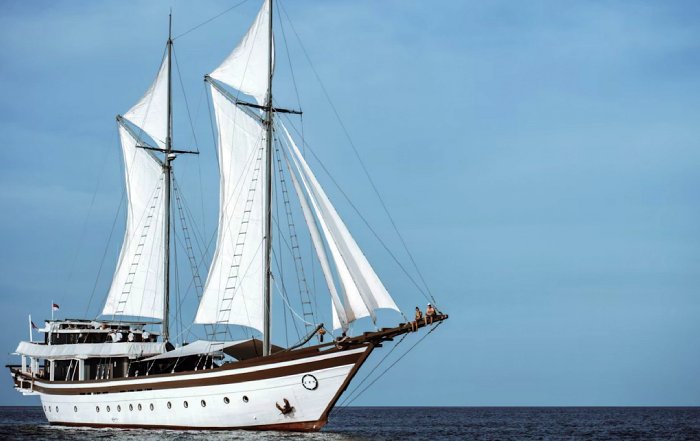
Among all the qualities that distinguish classic yachts, proportion and profile remain the most fundamental, because they shape the first and lasting impression a vessel makes at anchor or underway and strongly influence how it is perceived in the brokerage and charter markets. The best classic yachts, whether built by Feadship, Benetti, Baglietto, Riva, Christensen, or other great Northern European and Mediterranean custom yards, exhibit a studied balance between hull length, freeboard, superstructure height, and overhangs that creates a sense of effortless grace and quiet authority. Naval architects often refer to the sheer line as the backbone of this visual harmony, and it is no coincidence that many of the most admired yachts in history feature a gentle, continuous sheer that rises subtly toward the bow, giving the vessel a purposeful stance while preserving elegance and avoiding visual heaviness.
This attention to proportion is not merely aesthetic; it reflects decades of hard-won seakeeping experience in varied conditions from the North Atlantic, Baltic, and North Sea to the Mediterranean, Caribbean, Pacific Northwest, and South Pacific. A well-judged bow flare contributes to dryness and comfort in head seas, while a fine entry and moderate beam provide an efficient and predictable ride over long passages, reinforcing the blue-water cruising credentials that many owners in the United States, United Kingdom, Germany, Scandinavia, Canada, and Australia seek when planning extended voyages. Readers exploring the practical cruising implications of these design decisions can find complementary perspectives in the dedicated cruising section of yacht-review.com, where the relationship between line drawings and real-world performance is a recurring editorial thread.
Contemporary designers drawing inspiration from classic yachts are increasingly aware that, in an era of taller superstructures, aggressive automotive-influenced styling, and expanding interior volumes, a return to well-resolved profiles can differentiate a yacht in highly competitive markets from Florida and California to the Côte d'Azur, the Balearics, the Greek islands, and Southeast Asian resort hubs. The continued influence of design masters such as Jon Bannenberg, Jack Hargrave, and Carlo Riva is evident in the way modern studios reinterpret long foredecks, low coachroofs, sweeping transoms, and carefully tiered superstructures, demonstrating that proportion remains a timeless currency in yacht design and a key criterion in the editorial assessments published on yacht-review.com.
Materials, Craftsmanship, and the Human Touch
If the external profile is the public face of a classic yacht, its materials and craftsmanship represent the intimate language that owners, guests, and crew experience every day and that seasoned reviewers quickly recognize when stepping on board. The enduring appeal of varnished mahogany, rich teak, meticulously book-matched veneers, hand-laid parquetry, and hand-polished brass or nickel hardware lies not only in their visual warmth, but in the way they age, develop patina, and tell a story over time. In shipyards from Viareggio, La Spezia, and Ancona to Rotterdam, Bremen, Hamburg, Istanbul, and Cape Town, skilled carpenters, metalworkers, and finishers continue to apply techniques that would be recognizable to craftsmen from the early twentieth century, even as they integrate modern adhesives, low-VOC coatings, and certified sustainable sourcing practices.
The intersection between traditional craftsmanship and contemporary standards is particularly visible in the restoration of heritage vessels, a field that has expanded significantly as owners in Europe, North America, and Asia increasingly view refit and restoration as both an ethical choice and a sophisticated investment strategy. International organizations such as ICOMOS and the World Monuments Fund have helped shape global conversations about heritage preservation, and their methodologies are increasingly echoed in maritime projects where authenticity, documentation, and reversible intervention are paramount. Those interested in the broader context of cultural heritage can explore how these principles are articulated in UNESCO's work on the protection of cultural heritage, which increasingly references maritime and industrial heritage alongside architectural icons.
At the same time, owners and designers must balance artisanal detail with durability, safety, and regulatory compliance. Advances in marine coatings, composite substructures, engineered woods, and fire-retardant treatments allow classic interiors and exteriors to meet the expectations of modern charter clients, insurers, and classification societies without sacrificing the tactile richness that distinguishes a true classic. The editorial team at yacht-review.com has observed this balance repeatedly in the projects featured in its technology coverage, where behind every gleaming caprail often lies a carefully engineered solution designed to withstand the demands of intensive cruising in climates from the Mediterranean and Caribbean to the Indian Ocean, Southeast Asia, and the South Pacific, all while respecting the original design intent.
Interior Layouts: Human-Centric, Not Gadget-Driven
A defining characteristic of timeless yacht design is its focus on human experience rather than technology or spectacle for their own sake. While many contemporary production yachts increasingly resemble floating smart homes, with expansive screens, complex lighting scenes, and overtly theatrical spaces, classic yachts tend to prioritize spatial coherence, intimacy, and the subtle choreography of movement between interior and exterior areas. Salons are proportioned for conversation, reflection, and reading rather than for visual impact alone, with generous windows, balanced seating arrangements, and carefully considered sightlines that connect guests to the sea, the horizon, and each other.
In many classic layouts, the main salon flows naturally into a sheltered aft deck or open cockpit, creating a single social zone that works in climates as varied as New England, the Pacific Northwest, the Côte d'Azur, the Balearic Islands, the Greek archipelago, the Turkish coast, and the cruising grounds of Thailand, Malaysia, and Indonesia. Cabins are sometimes smaller on paper than those of contemporary counterparts that prioritize volume, yet they often feel more inviting because of considered lighting, joinery details, and the use of materials and color palettes that promote a sense of calm, continuity, and privacy. The resulting environment supports the kind of slow, reflective travel that many owners and families now seek in response to the pressures of hyper-connected professional lives, a trend that has been examined extensively within the lifestyle section of yacht-review.com, particularly in relation to wellness-focused cruising in the Mediterranean, Caribbean, and Asia-Pacific.
The human-centric nature of classic layouts extends to crew areas and operational flows. Historically, crew spaces on many yachts were constrained, yet the best classic and neo-classic refits and new builds have evolved to provide more ergonomic, safe, and respectful accommodations, recognizing that professional crews are essential partners in delivering a consistent onboard experience and safeguarding a complex asset. Organizations such as the International Maritime Organization and the International Labour Organization have established frameworks that influence how crew welfare is integrated into yacht design, and interested readers can learn more about international maritime labour standards to understand how these regulations shape layout decisions, traffic flows, and service areas on classic yachts that operate globally.
Exterior Decks: Rituals of Life at Sea
One of the reasons classic yachts continue to resonate so strongly with experienced owners and charterers from the United States, Canada, the United Kingdom, Germany, France, Italy, Spain, the Netherlands, Switzerland, Norway, Sweden, Denmark, and beyond is their emphasis on well-defined exterior decks that support the rituals of life at sea. Rather than dispersing guests across multiple fragmented terraces, beach clubs, and fold-out platforms, classic designs tend to concentrate activity in a few clearly articulated zones: a generous aft deck for dining and lounging, a protected bridge deck or Portuguese bridge for observation and informal gatherings, and a foredeck that can be used for sunbathing, tender operations, or quiet contemplation during passages.
This clarity of purpose and hierarchy of spaces is particularly valued on extended passages and family cruises, where predictable, flexible areas make it easier to accommodate guests of different ages, cultures, and interests. Families from markets as diverse as Australia, New Zealand, South Africa, Brazil, Singapore, Japan, South Korea, and Thailand frequently report that classic deck plans encourage shared experiences, from long alfresco dinners and board games to early-morning coffee rituals and sunset gatherings that become part of the family story. The editorial team at yacht-review.com has observed these dynamics first-hand when preparing features in its family-focused coverage, where multi-generational cruising and education-at-sea are recurring themes.
Designers and refit specialists are increasingly integrating subtle modern amenities into these traditional spaces, such as concealed audio systems, discreet climate-control solutions, retractable awnings, and modular furniture that can be reconfigured for different occasions without disturbing the underlying architecture. This approach allows classic yachts to remain competitive and relevant in charter markets in the Mediterranean, Caribbean, Indian Ocean, and Southeast Asia, where guests expect contemporary comfort and service standards without sacrificing the authenticity and romance that drew them to a classic vessel in the first place. Those seeking a broader perspective on how hospitality and luxury travel trends influence spatial design and guest expectations may find useful parallels in global travel and tourism research, which increasingly emphasizes meaningful experiences over ostentatious displays.
The Role of Color, Texture, and Light
Timeless yacht design is as much about atmosphere as it is about form, and nowhere is this more evident than in the orchestration of color, texture, and light. Classic yachts often rely on a restrained, layered palette that emphasizes natural materials, soft neutrals, and subtle maritime references rather than bold, transient fashion statements that can date a vessel quickly. The interplay between honey-toned woods, off-white or cream textiles, navy or deep green accents, and polished or satin-finished metal details creates an environment that feels simultaneously nautical, residential, and gently formal, avoiding the sterile minimalism or overly thematic decor that can make some contemporary interiors feel disconnected from the sea or from the expectations of a sophisticated international clientele.
Natural light is a critical component of this experience and is increasingly recognized as a wellbeing factor as much as an aesthetic one. The best classic yachts, whether motor or sail, are designed to admit generous daylight through well-proportioned windows, skylights, and deck prisms, while still preserving structural integrity, privacy, and the visual coherence of the exterior profile. This careful balance supports circadian rhythms during long passages, reduces reliance on artificial lighting, and contributes to the sense of wellbeing that many owners now prioritize, particularly those who use their yachts as seasonal or semi-permanent homes in regions such as the Mediterranean, Caribbean, Pacific Northwest, Southeast Asia, and the South Pacific. For a broader context on how light, environment, and design influence health, interested readers can explore research from the World Health Organization, which increasingly considers built environments as part of a holistic approach to wellbeing.
Texture plays an equally essential role in the perception of quality and timelessness. The tactile experience of walking barefoot on a teak deck that has been carefully laid and caulked, resting a hand on a perfectly rounded caprail, or feeling the reassuring weight and precision of a solid brass door handle reinforces the perception of craftsmanship and permanence. In an era dominated by virtual interfaces and touchscreens, these physical interactions anchor guests in the present moment and in the tangible reality of the yacht, a quality that yacht-review.com frequently highlights when evaluating vessels in its boats and models section and that continues to be valued by owners from North America, Europe, and Asia who see their yachts as sanctuaries from digital overload.
Technology That Respects Tradition
The integration of modern technology into classic yachts has matured considerably by 2026, moving from a sometimes uneasy coexistence to a more sophisticated synthesis in which digital systems are designed to support, rather than dominate, the onboard experience and aesthetic. Owners in markets such as the United States, the United Kingdom, Germany, Switzerland, Singapore, Hong Kong, and the Nordic countries expect state-of-the-art navigation, communication, cybersecurity, and entertainment systems, yet many are acutely aware that visible technology can date a yacht quickly and undermine its timeless character, especially when screens and hardware are treated as visual focal points rather than discreet tools.
To address this, naval architects, interior designers, and electronics specialists now collaborate from the earliest stages of a project to conceal hardware within joinery, integrate user interfaces into discreet panels, and prioritize software-driven upgrades over frequent hardware replacements. This approach allows classic yachts to benefit from advances in satellite connectivity, remote diagnostics, and energy management while preserving the visual integrity of wheelhouses, salons, and cabins. Readers interested in the technical dimension of this evolution can find further insights in yacht-review.com's dedicated technology coverage, which frequently examines how new solutions are being retrofitted into existing fleets and how shipyards in Europe, North America, and Asia are developing neo-classic platforms around digital-first engineering.
From a regulatory and safety perspective, classification societies such as Lloyd's Register, DNV, and Bureau Veritas have continued to refine their frameworks to accommodate both historic vessels and neo-classic new builds, ensuring that owners can comply with international standards without compromising design authenticity. Parallel developments in digital twins, condition-based monitoring, and predictive maintenance, as highlighted by organizations such as the International Council on Systems Engineering, are further enhancing the long-term viability of classic yachts by enabling more precise and less intrusive interventions over their service life, thus aligning the ethics of preservation with the practical realities of global cruising and commercial operation.
Sustainability and the Ethics of Longevity
By 2026, sustainability is firmly embedded at the center of strategic decision-making in the yachting industry, and classic yachts occupy a distinctive position within this conversation. Many of the defining characteristics of classic yachts naturally align with emerging sustainability priorities: the emphasis on longevity, repairability, and high-quality materials means that well-maintained classic yachts can remain in service for many decades, reducing the environmental impact associated with frequent new construction and rapid style obsolescence. The restoration and refit sectors, particularly active in Europe, North America, and parts of Asia-Pacific, are increasingly recognized as circular-economy activities that extend the life of valuable assets while preserving cultural heritage and skilled employment.
At the same time, owners and shipyards are under growing pressure to address emissions, resource use, and social responsibility across the yacht lifecycle, from design and construction to operation and end-of-life. Initiatives led by bodies such as the International Maritime Organization, and industry efforts documented by platforms like the Global Maritime Forum, are shaping expectations for cleaner propulsion, more efficient hull forms, sustainable supply chains, and transparent reporting. For readers seeking a yachting-specific perspective on these themes, the sustainability section of yacht-review.com offers ongoing analysis of how regulations, technology, and evolving owner attitudes are converging across markets from Europe and North America to Asia and the Middle East.
In practical terms, classic yacht refits increasingly incorporate hybrid or alternative-fuel-ready propulsion, advanced wastewater treatment, shore-power connectivity, LED lighting, and sustainable interior materials, all carefully integrated to avoid visual disruption and to respect original design intent. Owners cruising in environmentally sensitive destinations such as Norway, Sweden, Finland, New Zealand, the Galápagos, and the polar regions, as well as marine parks in Southeast Asia and the Indian Ocean, are particularly attentive to these issues, not only because of regulatory requirements, but also because local communities, charter guests, and younger family members expect responsible behavior. The result is a new generation of classic and neo-classic yachts that combine the romance of a bygone era with the environmental performance and ethical positioning expected of high-end assets in the twenty-first century, a narrative that yacht-review.com continues to document for a global readership.
Market Dynamics and the Business Case for Timelessness
From a business perspective, timeless design elements in classic yachts represent far more than an aesthetic preference; they are a driver of asset resilience and brand equity in a volatile and increasingly transparent market. Over the past decade, brokers and analysts in major hubs such as Monaco, London, Fort Lauderdale, Miami, Hamburg, Amsterdam, Hong Kong, Singapore, Dubai, and Sydney have observed that yachts with classic lines, coherent proportions, and well-executed, restrained interiors tend to retain value more consistently than vessels built around short-lived styling trends or highly personalized decor. This is particularly evident in the brokerage market for yachts between 24 and 60 meters, where buyers in Europe, North America, the Middle East, and Asia often prioritize pedigree, build quality, condition, and design coherence over sheer volume, novelty, or gadget count.
The charter market reinforces this story. Many charter clients, especially those new to yachting or coming from luxury hospitality and residential real estate, are drawn to classic or classic-inspired yachts because they align with cultural references from cinema, literature, and iconic events such as the Monaco Grand Prix or the Cannes Film Festival. The visual narrative of a classic yacht, whether gliding past Capri, anchored off St Barths, exploring the Norwegian fjords, or cruising the islands of Thailand and Indonesia, resonates strongly with the desire for authenticity, storytelling, and "quiet luxury" that increasingly defines high-end travel. Industry observers tracking these trends can deepen their understanding through the business analysis regularly published by yacht-review.com, which examines how design decisions influence charter performance, resale prospects, and shipyard reputations across key markets.
At the macro level, advisory firms such as McKinsey & Company and the Boston Consulting Group have documented a broader shift in global luxury markets toward discretion, craftsmanship, and sustainability, sometimes described as a move from conspicuous to conscious consumption. Those interested in this wider context can learn more about sustainable business practices and how they intersect with changing consumer values in the United States, Europe, and Asia. Classic yachts, with their understated profiles, emphasis on enduring quality, and compatibility with refit-driven lifecycle strategies, are ideally positioned within this paradigm, reinforcing the business case for design decisions that stand the test of time and align with the expectations of both current and next-generation owners.
Cultural Heritage, Events, and Community
Classic yachts are not isolated objects; they form part of a living cultural ecosystem that spans regions, generations, and professional disciplines. Prestigious events such as the Monaco Yacht Show, the Cannes Yachting Festival, the Newport Classic Yacht Regatta, Les Voiles de Saint-Tropez, and gatherings in Cowes, Palma, Porto Cervo, and Antigua bring together owners, crews, designers, shipyards, and enthusiasts from around the world to celebrate maritime heritage, innovation, and community. These events, many of which are covered extensively in yacht-review.com's events reporting, provide platforms for showcasing restoration projects, debating regulatory developments, and sharing best practices in design, maintenance, and operation.
Beyond headline shows, a vibrant network of owners, captains, craftspeople, and historians in countries as diverse as Italy, France, Spain, the Netherlands, the United Kingdom, the United States, Canada, Australia, New Zealand, South Africa, Brazil, Singapore, and Japan contributes to the preservation and evolution of classic design. Yacht clubs, owners' associations, and informal circles facilitate knowledge exchange on topics ranging from traditional rigging and sail-handling techniques to modern compliance requirements, digital navigation, and alternative fuels, while maritime museums and foundations curate archives that inform contemporary design decisions and restoration strategies. Those seeking a broader understanding of how maritime heritage fits into global cultural narratives may find valuable perspectives in resources from the European Commission's cultural heritage initiatives and comparable initiatives in Asia, Africa, and the Americas.
For yacht-review.com, which has cultivated a global readership across Europe, North America, Asia, Africa, and South America, this community dimension is central to its editorial mission. Through its community-focused coverage and global perspectives, the platform highlights how classic yachts serve as bridges between generations, professions, and cultures, reminding readers that timeless design is ultimately sustained by people: owners who invest in preservation, crews who maintain and operate vessels with pride and professionalism, designers and naval architects who study and reinterpret the past, and enthusiasts who recognize the value of maritime heritage in a rapidly changing world where continuity and authenticity are increasingly prized.
Looking Ahead: Classic Principles in a Future-Focused Industry
As the yachting industry looks toward 2030 and beyond, with intensified focus on decarbonization, digitalization, and new modes of ownership and operation, the design principles that define classic yachts are likely to become even more relevant rather than less. Proportion, craftsmanship, human-centric layouts, atmospheric interiors, discreet yet robust technology, and a commitment to longevity provide a stable foundation for innovation, ensuring that new solutions enhance rather than erode the qualities that have made yachting a distinctive form of travel, leisure, and business networking for more than a century.
For designers and shipyards in established centers such as Italy, the Netherlands, Germany, the United Kingdom, France, Spain, and the United States, as well as emerging hubs in China, Singapore, South Korea, Turkey, and the Middle East, the challenge and opportunity lie in applying these timeless elements to vessels that meet stringent environmental standards, integrate advanced digital systems, and adapt to evolving patterns of use, from extended liveaboard cruising and explorer itineraries to flexible chartering and fractional ownership. Owners and investors who understand this interplay between heritage and innovation will be better positioned to make decisions that preserve value, enhance enjoyment, and align with broader social expectations in markets from North America and Europe to Asia-Pacific, Africa, and South America.
Within this evolving landscape, yacht-review.com will continue to document, analyze, and interpret how classic design elements shape the future of yachting. Through its integrated coverage of news, design, travel experiences, and historical context, the platform remains committed to helping readers in the United States, the United Kingdom, Germany, Canada, Australia, France, Italy, Spain, the Netherlands, Switzerland, China, Sweden, Norway, Singapore, Denmark, South Korea, Japan, Thailand, Finland, South Africa, Brazil, Malaysia, New Zealand, and across the globe understand not only what makes a yacht beautiful and desirable today, but what will keep it relevant, responsible, and valuable in the decades to come.
Ultimately, the enduring lesson of classic yachts is that true luxury is measured not by size, spectacle, or novelty, but by the depth of thought, skill, and care invested in every line, surface, and detail. As the industry navigates the complexities of the twenty-first century, the timeless design elements that have guided the creation of great yachts for generations will remain an essential compass, ensuring that the vessels reviewed and celebrated on yacht-review.com continue to embody experience, expertise, authoritativeness, and trustworthiness on every sea and in every market where discerning owners and charterers seek something more than mere transportation.