

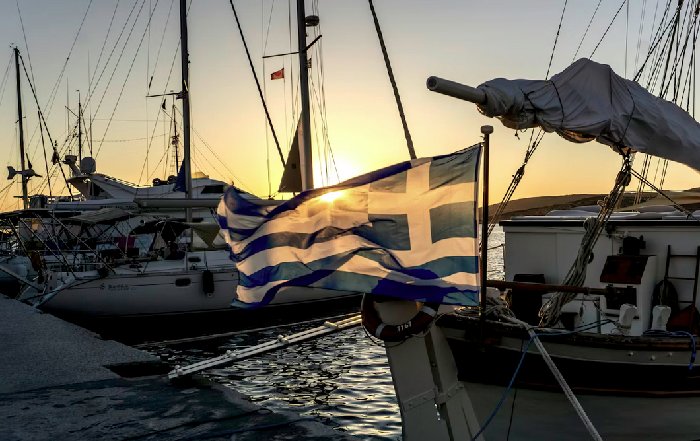
Yacht Charter Highlights Across the Greek Isles
The Greek Isles as a Strategic Charter Destination in a Changed Market
The Greek islands have consolidated their position as one of the most strategically important yacht charter regions worldwide, combining a long maritime heritage with a forward-looking approach to infrastructure, regulation, and sustainability that appeals to a sophisticated global clientele. For the international audience of Yacht-Review.com, which includes owners, family offices, charter brokers, captains, and industry executives across North America, Europe, Asia, Africa, and South America, Greece now represents far more than a picturesque Mediterranean escape; it has become a reliable, data-driven, and professionally managed hub within the Eastern Mediterranean, capable of supporting complex charter programs, corporate activations, and multigenerational private cruising at scale.
This evolution has not occurred in isolation. Over the past decade, Greece has capitalized on its geographic position between Western Europe, the Middle East, and Asia, aligning its yachting regulations with broader European frameworks while investing in marinas, service ecosystems, and digital infrastructure that meet the expectations of demanding clients from the United States, the United Kingdom, Germany, Canada, Australia, France, Italy, Spain, the Netherlands, Switzerland, China, and beyond. From the editorial vantage point of Yacht-Review.com, which has consistently documented these developments through in-depth yacht reviews, analysis of design trends, and coverage of cruising patterns, the Greek charter market in 2026 is best understood as a mature, strategically managed destination that combines experience, expertise, authoritativeness, and trustworthiness in a way that few regions can match.
At the same time, macroeconomic uncertainty, shifting travel regulations, and evolving client expectations have made resilience and adaptability critical success factors across the yachting value chain. Greece's diversified portfolio of island groups, its range of vessel types and charter products, and its growing emphasis on sustainability and digitalization have allowed it to respond effectively to these pressures. For decision-makers planning charter programs or asset deployments through Yacht-Review.com's business and global lenses, the Greek isles now offer a compelling balance of operational reliability, experiential depth, and long-term strategic upside.
Distinct Island Groups and Their Strategic Value for Charter Planning
The Greek archipelagos are not a single homogeneous cruising ground but a series of distinct maritime regions, each with specific meteorological patterns, cultural identities, infrastructure profiles, and commercial value propositions. Understanding these nuances is essential for owners, brokers, and managers who design itineraries for clients from markets as diverse as the United States, the United Kingdom, Germany, Singapore, Japan, South Korea, Brazil, South Africa, and the Nordic countries, and who increasingly expect charters to be tailored with the same precision as corporate travel programs.
The Cyclades remain the most internationally recognized group, anchored by destinations such as Mykonos, Santorini, Paros, and Naxos, whose imagery dominates global marketing campaigns and social media. In 2026, these islands continue to attract a high-energy clientele seeking a blend of luxury hospitality, nightlife, and iconic landscapes, with Mykonos and Santorini functioning almost as experiential brands in their own right. For charter planners, the Cyclades offer strong value for guests who prioritize social connectivity, high-end dining, and branded beach clubs, particularly those flying in from London, New York, Dubai, Hong Kong, and Singapore. However, the same winds and exposure that define the Cyclades' character also demand careful routing and seasonality planning, especially for families and less experienced guests, reinforcing the importance of expert local knowledge and robust weather intelligence.
The Ionian Islands, including Corfu, Zakynthos, Kefalonia, and Lefkada, continue to serve as a counterpoint to the Cyclades, offering greener landscapes, calmer seas, and a Venetian-influenced cultural fabric that appeals strongly to family groups and older guests. For charterers from Germany, Switzerland, Austria, Scandinavia, Canada, and the United States who prioritize comfort, safety, and a slower pace, the Ionian provides a reassuringly gentle introduction to Mediterranean cruising. Its protected waters and charming harbors make it particularly suitable for sailing yachts and catamarans, as well as for first-time charterers transitioning from land-based luxury travel to yachting.
The Dodecanese, stretching towards the Turkish coast with Rhodes, Kos, Symi, and smaller islands, remain strategically important for itineraries that bridge Greece and Turkey, enabling cross-border cultural narratives and diversified cruising plans. For globally mobile clients from Asia-Pacific, the Middle East, and North America, the ability to experience both Greek and Turkish heritage, cuisine, and hospitality within a single voyage adds differentiated value, particularly for longer charters that combine leisure with business meetings or family milestones.
Closer to Athens, the Saronic Gulf and Argolic Gulf maintain their status as high-utility regions for shorter charters, corporate retreats, and weekend escapes. Islands such as Hydra, Spetses, and Aegina offer a rare combination of accessibility, manageable sea conditions, and authentic character, making them ideal for time-constrained executives arriving via Athens International Airport or for European clients seeking three- to five-day charters that fit around demanding schedules. For many first-time charterers, the Saronic serves as the gateway to the broader Greek yachting experience, often leading to repeat visits in more remote regions.
To the north, the Sporades and North Aegean islands have gained quiet momentum among experienced owners and charterers who prioritize privacy, pristine anchorages, and less commercialized environments. While these areas lack some of the headline infrastructure of the Cyclades, their appeal lies precisely in their relative anonymity and the sense of discovery they offer. For readers of Yacht-Review.com who follow our travel and cruising insights, these northern regions increasingly represent the "insider's Greece," where curated itineraries can deliver a sense of exclusivity without sacrificing safety or service quality.
Vessel Selection, Design Evolution, and the Onboard Experience
In 2026, vessel selection for Greek charters has become a strategic exercise that integrates aesthetic preference, technical capability, regulatory compliance, and environmental performance. Motor yachts continue to dominate the premium charter segment, particularly among clients from North America, the Middle East, and parts of Asia who value speed, stability, and the capacity to visit multiple islands within a compressed timeframe. However, Yacht-Review.com's coverage of boats and innovations confirms a sustained shift towards sailing yachts, explorer-style vessels, and high-volume catamarans, driven by a growing emphasis on sustainability, experiential authenticity, and efficient space utilization.
Design priorities have evolved accordingly. Leading European yards and design studios, including those in Italy, the Netherlands, Germany, and the United Kingdom, now routinely configure yachts with flexible, multi-use spaces that can transition from informal family settings to more formal arrangements suitable for board-level meetings, product showcases, or discreet negotiations. Aft decks often function as open-air salons, beach clubs are treated as primary living spaces rather than ancillary features, and wellness areas-encompassing gyms, treatment rooms, and yoga decks-are now standard expectations rather than differentiating extras. This evolution aligns closely with the preferences of Yacht-Review.com's readership, many of whom blend business and leisure during charters and require environments that support both productivity and relaxation.
Technological sophistication underpins this new design language. High-bandwidth connectivity, supported by satellite constellations and 5G coastal coverage, allows guests to participate in video conferences, manage investments, and access cloud-based tools from remote anchorages with a level of reliability that would have been unthinkable a decade ago. Navigation and safety systems are increasingly aligned with evolving standards set by bodies such as the International Maritime Organization, whose resources on safety and environmental regulation can be explored through the IMO's official site. For captains and management companies, this technology is not merely a convenience but a risk management tool, enabling better route planning, incident prevention, and compliance documentation.
Interior design trends reflect a similar convergence of aesthetics and performance. Natural materials, biophilic design elements, and advanced lighting and acoustic treatments are used to create calm, restorative environments that complement the intense light and color of the Aegean and Ionian seas. For clients from fast-paced urban centers in New York, London, Frankfurt, Singapore, Hong Kong, and Shanghai, these interiors function as carefully curated counterpoints to their daily lives, reinforcing the perception of yachting as a holistic wellness and lifestyle choice rather than a purely recreational activity.
Seasonality, Weather Intelligence, and Operational Planning
The traditional Greek charter season, once tightly concentrated between late June and early September, has stretched significantly by 2026, shaped by climate trends, flexible working arrangements, and a desire among experienced charterers to avoid peak-season congestion. May, early June, late September, and October now represent substantial segments of the charter calendar, particularly for clients from Europe, the United Kingdom, and North America who are comfortable trading slightly cooler temperatures for quieter anchorages, better berth availability, and more competitive pricing.
Meteorological dynamics remain central to itinerary design. The Meltemi winds, which dominate the central Aegean in the summer months, continue to be a defining factor, particularly in the Cyclades and parts of the Dodecanese. Professional captains and shore-based operations teams rely on increasingly sophisticated forecasting tools, drawing on national services such as the Hellenic National Meteorological Service and international resources, to anticipate wind patterns, adjust routes, and manage guest expectations. For families with young children, older guests, or those prone to seasickness, these considerations often lead to recommendations favoring the Ionian or Saronic regions during the windiest periods.
The extension of the season has operational implications that are particularly relevant to fleet operators and asset managers who follow Yacht-Review.com's business and technology analyses. Longer seasons compress maintenance windows, require more sophisticated crew rotation strategies, and demand closer coordination with Greek yards and marinas for refits and class surveys. Data-driven fleet management tools, often integrated with weather and booking systems, are increasingly used to position yachts between hubs such as Piraeus, Lavrion, Corfu, Rhodes, and Kos, optimizing utilization while preserving asset condition and crew wellbeing.
For charterers, the practical outcome of this evolution is a broader set of viable travel windows, particularly attractive for clients from the United States, Canada, Australia, and New Zealand who may wish to avoid the peak European holiday period while still enjoying favorable conditions. It also reinforces the value of working with experienced brokers and captains who can interpret local weather patterns in the context of client profiles, vessel characteristics, and desired experiences.
Marinas, Infrastructure, and the Professional Service Ecosystem
One of the most compelling arguments for Greece as a long-term charter base in 2026 is the maturation of its marina network and the surrounding professional service ecosystem. Key facilities such as Alimos Marina, Flisvos Marina, and Gouvia Marina in Corfu have continued to invest in upgraded berths, enhanced security, and premium shore amenities, positioning themselves to accommodate larger superyachts and more complex charter operations. These marinas increasingly benchmark their standards against best practices promoted by organizations such as European Boating Industry, whose work on safety, sustainability, and policy can be explored through European Boating Industry.
Beyond berthing, the support infrastructure now available to international yachts in Greece rivals that of more established Western Mediterranean hubs. Specialized technical teams, refit yards with growing capabilities in hybrid and alternative propulsion systems, high-end provisioning agents, concierge operators, and luxury ground transportation providers combine to create an integrated service environment. For clients arriving from long-haul markets such as the United States, Canada, Brazil, South Africa, Singapore, and Australia, this means that the transition from private aviation or premium commercial flights to the yacht is increasingly seamless, reinforcing perceptions of Greece as a professional and predictable operating environment.
Provisioning standards have also risen significantly. The ability to source high-quality local produce, organic ingredients, premium wines, and niche dietary items-from plant-based products to medically specific diets-has become a differentiator for charter management companies competing for repeat clients. This trend reflects broader shifts in global luxury hospitality and is closely monitored within Yacht-Review.com's lifestyle coverage, where onboard gastronomy is treated as a core component of the charter experience rather than an ancillary service.
For owners considering basing their vessels in the Eastern Mediterranean on a multi-year basis, these developments reduce operational risk and increase asset utilization potential. For charter brokers and advisors, they provide a solid foundation for recommending Greek itineraries to high-value clients who might previously have defaulted to France, Italy, or Spain. From the perspective of Yacht-Review.com, this convergence of infrastructure, services, and professionalism is a key factor in Greece's emergence as a trusted, year-on-year charter hub.
Regulation, Compliance, and Risk Management in 2026
The regulatory environment for yacht charters in Greece has continued to evolve, with incremental reforms aimed at increasing transparency, simplifying procedures, and aligning more closely with European Union norms. While the framework remains complex, particularly for non-EU flagged vessels and structures involving cross-border ownership, the direction of travel is towards greater predictability and professionalization, which is critical for asset protection and risk management.
For business-oriented readers of Yacht-Review.com, the key considerations in 2026 include VAT treatment on charters, cabotage rules, crew employment regulations, and safety and environmental compliance. These issues are not only financial and operational in nature; they also intersect with reputational risk, as clients and stakeholders increasingly scrutinize the governance and ethical dimensions of luxury assets. Resources such as the European Commission's maritime transport pages and analytical platforms like Lloyd's List provide valuable context on how European maritime regulation is evolving and how Greece fits into that broader picture.
Charter management companies active in Greece have responded by strengthening their compliance frameworks, often supported by specialized legal and fiscal advisors based in Athens, Piraeus, and key island hubs. Digital platforms are used to track vessel certifications, crew qualifications, insurance documentation, and port formalities, reducing the risk of administrative disruptions during charters. For clients, this translates into clearer contracts, more transparent pricing structures, and greater confidence that their charter arrangements are fully compliant with local and EU regulations.
Within Yacht-Review.com's news and business sections, these regulatory developments are treated as strategic issues rather than technical footnotes, because they directly influence investment decisions, fleet deployment strategies, and the long-term attractiveness of Greece as a charter base for owners and commercial operators alike.
Family, Lifestyle, and Multigenerational Experiences
Family and multigenerational charters have become one of the most dynamic segments in the Greek market, reflecting a broader global shift towards private, controlled environments for shared experiences. The Greek islands, with their combination of safe anchorages, accessible beaches, child-friendly towns, and rich cultural narratives, are particularly well suited to this demand, attracting families from the United States, the United Kingdom, Germany, France, Italy, the Netherlands, Scandinavia, Singapore, and South Africa who seek a balance of comfort, education, and adventure.
Within Yacht-Review.com's family and lifestyle coverage, Greek charters are frequently highlighted as exemplars of how yachting can serve as a platform for intergenerational connection. Carefully designed itineraries might combine visits to archaeological sites such as Delos, Rhodes' medieval city, or Knossos with hands-on cooking classes, local market tours, and informal history lessons delivered by guides or knowledgeable crew members. For children and teenagers, structured water sports programs-covering paddleboarding, wakeboarding, snorkeling, diving, and sailing skills-provide a sense of achievement and engagement that contrasts with passive resort-based holidays.
Cultural compatibility is an important factor in the success of these charters. Greek hospitality traditions, including a strong emphasis on family and community, align naturally with the expectations of multigenerational groups, and many crews operating in the region are trained to manage the dynamics of larger family parties, balancing privacy with attentive service. For grandparents and parents planning milestone celebrations or annual reunions, this combination of safety, warmth, and cultural richness often turns a single Greek charter into a recurring tradition, reinforcing loyalty to both the destination and the specific vessels and crews involved.
Sustainability, Environmental Stewardship, and Future-Proofing Assets
By 2026, sustainability is firmly embedded in strategic decision-making across the global yachting industry, and the Greek charter sector is increasingly aligned with this shift. The ecological sensitivity of the Aegean and Ionian seas, coupled with regulatory pressure and evolving client values, has accelerated investments in cleaner technologies, responsible cruising practices, and marine conservation initiatives. For readers seeking broader context on Mediterranean ecosystems and conservation priorities, organizations such as the World Wildlife Fund offer valuable insights through platforms like WWF Mediterranean.
Within Greece, marinas and operators are expanding shore power infrastructure, improving waste management, and experimenting with alternative fuels and hybrid propulsion systems. New builds and refits increasingly incorporate energy-efficient hull designs, solar arrays, advanced battery systems, and intelligent hotel-load management, reducing emissions and operating costs while enhancing guest comfort. Yacht-Review.com has devoted significant attention to these developments in its sustainability and technology sections, recognizing that environmental performance is now directly linked to asset value, regulatory resilience, and brand reputation.
Charter clients themselves are active participants in this transition. Many now request itineraries that minimize unnecessary repositioning, support local communities, and respect marine protected areas, and they increasingly ask detailed questions about a yacht's environmental credentials during the selection process. Responsible anchoring practices to protect seagrass beds, reductions in single-use plastics, and the use of local, sustainably sourced food and wine have moved from optional extras to standard expectations in the upper tiers of the market. For businesses across the yachting value chain, the ability to articulate and implement credible sustainable business practices has become a decisive factor in winning mandates and building long-term client relationships.
Events, Community, and the Broader Yachting Culture
The Greek islands have also strengthened their role as a cultural and community hub for the international yachting world, hosting regattas, boat shows, and industry gatherings that bring together owners, shipyards, designers, brokers, and technology providers from across Europe, North America, Asia, and the Middle East. Classic yacht regattas, superyacht gatherings, and performance sailing events in the Aegean and Ionian seas showcase both traditional seamanship and cutting-edge naval architecture, reinforcing Greece's historical and contemporary relevance to global yachting culture.
These events, regularly followed by the audience of Yacht-Review.com through our events and community coverage, serve multiple functions. They provide platforms for networking and deal-making, enable knowledge exchange on topics ranging from design innovation to environmental regulation, and create opportunities for philanthropic and community engagement, including support for maritime education, coastal conservation, and local cultural initiatives. For owners and charterers who view yachting as part of a broader lifestyle and identity, participation in Greek-based events adds depth and meaning to their involvement in the sector.
The cultural resonance of Greece's maritime history further enhances this ecosystem. As explored in the history section of Yacht-Review.com, the Greek seas have been central to navigation, trade, and exploration for millennia, and that legacy continues to shape the skills and mindset of local captains, engineers, craftsmen, and hospitality professionals. Their experiential knowledge, often passed down through generations, underpins the reliability and authenticity of the Greek charter product and contributes to the sense of continuity that many clients value.
Strategic Outlook: Greece's Role in the Global Charter Landscape
In 2026, the Greek islands stand at the intersection of heritage and innovation, serving as both a timeless cruising ground and a testbed for new approaches to design, technology, sustainability, and service. For the global readership of Yacht-Review.com, which spans private owners, institutional investors, charter managers, designers, and passionate yachtsmen on every continent, Greece offers a compelling case study in how a traditional destination can reinvent itself without losing its core identity.
The convergence of enhanced marinas, diversified vessel offerings, professional service ecosystems, and a strong regulatory and environmental trajectory positions Greece as a resilient and versatile charter hub. Whether the objective is to host a confidential corporate retreat in the Saronic Gulf, design an extended multigenerational voyage through the Ionian, explore emerging sustainable technologies aboard a hybrid yacht in the Cyclades, or participate in a high-profile regatta in the Dodecanese, the Greek islands provide a robust platform for execution.
For those considering their next charter, acquisition, or strategic deployment of assets in the Eastern Mediterranean, the insights available across Yacht-Review.com-from detailed reviews and design features to cruising intelligence, business analysis, and sustainability reporting-offer an informed, trustworthy foundation for decision-making. As travel patterns, regulatory frameworks, and client expectations continue to evolve, Greece's combination of operational competence, experiential richness, and cultural depth ensures that it will remain at the heart of the global yachting conversation for years to come, and Yacht-Review.com will continue to document that journey with the depth and authority that its international audience expects.