

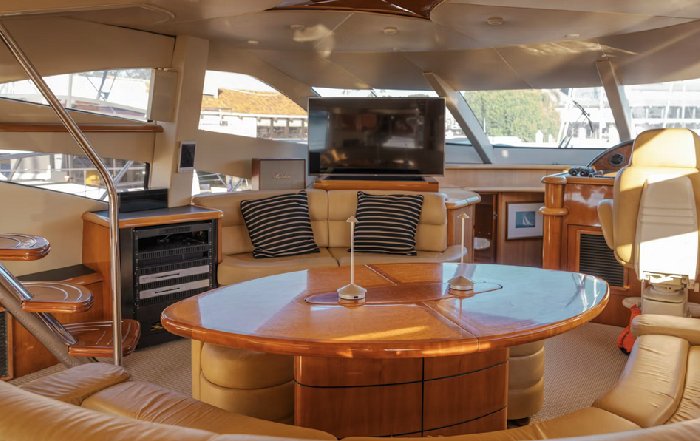
The Art of Seamless Yacht Interior Styling
Redefining Luxury at Sea for a New Era
Yacht interiors have moved decisively beyond the idea of being a decorative backdrop to life at sea and have become strategic instruments of identity, lifestyle, and long-term value creation. Owners and charter clients across North America, Europe, Asia, Africa, and South America now expect their yachts to function simultaneously as private retreats, corporate venues, wellness sanctuaries, and mobile technology hubs, often within a single week of cruising. A 55-metre vessel based in the Mediterranean may host a board meeting for a United States technology firm, welcome a multigenerational family from the United Kingdom, and then reposition to the Caribbean or Southeast Asia for a season of remote work and exploration, all without any sense of compromise in the onboard experience. For yacht-review.com, which serves a global readership spanning the United States, Germany, Canada, Australia, France, Italy, Spain, the Netherlands, Switzerland, China, Sweden, Norway, Singapore, Denmark, South Korea, Japan, Thailand, Finland, South Africa, Brazil, Malaysia, and New Zealand, this evolution has made seamless interior styling a central thread connecting its reviews, design analysis, technology coverage, and business reporting into a coherent and trustworthy narrative.
Seamless styling is no longer perceived as a superficial exercise in harmonizing fabrics or following the latest fashion in finishes; it is recognized as the disciplined orchestration of architecture, engineering, craftsmanship, ergonomics, and psychology to ensure that every area on board feels intuitive, coherent, and quietly exceptional. Owners from Europe and North America, as well as an expanding base in Asia and the Middle East, are increasingly demanding interiors that are culturally literate, environmentally responsible, and technologically sophisticated yet visually understated, while still delivering the unmistakable sensation of bespoke luxury. As yacht-review.com has seen across hundreds of projects featured on its boats and new-build pages, the most successful yachts in 2026 are those in which each interior decision supports a larger narrative that guests feel instinctively, rather than one that has to be explained.
From Floating Villas to Fully Integrated Experiences
The transformation of yacht interiors over the last two decades has been as radical as any shift in the broader luxury sector. Whereas earlier generations of yachts frequently resembled traditional gentlemen's clubs, with dark timbers, heavy draperies, and compartmentalized layouts, contemporary styling now aligns more closely with leading residential and hospitality concepts showcased by platforms such as Architectural Digest and Dezeen. Influential studios including Winch Design, Bannenberg & Rowell Design, Nuvolari Lenard, and newer multidisciplinary practices in Europe and Asia have demonstrated that a yacht can operate simultaneously as a maritime machine, a high-performance business asset, and a deeply personal living environment.
This convergence of maritime engineering and high-end residential design is most evident in the expectation that yachts should function as multi-purpose, multi-regional platforms. Owners who cruise between the Amalfi Coast, the Balearic Islands, the Bahamas, the Whitsundays, and the islands of Thailand expect the interior to support formal entertaining, informal family life, wellness routines, and focused work without feeling fragmented. Readers of yacht-review.com, who follow the latest yacht reviews and refit case studies, increasingly evaluate interiors not only on their visual impact but also on how convincingly they support this spectrum of uses across seasons and geographies.
The most accomplished designers now approach a yacht not as a series of discrete rooms but as a single, continuous spatial and emotional journey. Transitions from beach club to main salon, from guest cabins to spa areas, and from wheelhouse to owner's deck are choreographed so that materials, sightlines, and lighting create a consistent rhythm. Sliding glass doors, flush thresholds, and carefully aligned staircases blur the boundary between interior and exterior, allowing guests to move from shaded terraces to climate-controlled lounges without any sense of disconnect. This philosophy echoes broader trends in luxury architecture and hospitality, where integrated design thinking is recognized as essential for guest satisfaction and long-term asset value, a view also reflected in research from organizations such as the Royal Institute of British Architects and leading hospitality consultancies.
Core Design Principles for Seamless Styling
Behind every convincingly seamless yacht interior lies a set of core principles that operate simultaneously on aesthetic, functional, technical, and emotional levels. While individual preferences may vary between an owner in the United States, a family office in Germany, a technology entrepreneur in Singapore, or a private client in the Middle East, the underlying design logic remains consistent, and it is this logic that yacht-review.com seeks to illuminate in its design-focused features.
A first principle is narrative coherence. Leading designers develop a conceptual storyline that guides the choice of materials, forms, colours, and spatial relationships from bow to stern. This narrative might reference the owner's cultural heritage, favourite cruising grounds such as the Norwegian fjords, the Greek islands, or the coast of South Africa, or a curated collection of contemporary art. When handled with discipline, the narrative ensures that each area feels distinct yet clearly part of the same overall composition, avoiding both monotony and visual chaos. Top design schools such as Parsons School of Design and Politecnico di Milano have long championed this narrative-based approach, emphasizing its importance for complex, multi-space environments such as hotels, resorts, and now large yachts.
A second principle is proportional harmony. Yachts operate within strict constraints of hull geometry, stability, and regulatory requirements, meaning that perceived spaciousness is achieved not through unlimited square metres but through considered manipulation of scale, sightlines, and circulation. Designers align openings to frame views of the sea, subtly increase ceiling heights in primary social spaces, and use curved corners or integrated joinery to soften transitions between areas. Structural elements are carefully integrated so that bulkheads, pillars, and technical zones do not interrupt the visual flow. This proportional intelligence is particularly appreciated by experienced owners and brokers, who understand how it contributes to both day-to-day comfort and long-term resale appeal.
A third principle is material continuity. Rather than relying on an abundance of different finishes, seamless interiors typically employ a restrained palette of core materials, used in varied but related ways across decks and zones. A particular timber may appear as wall panelling in guest cabins, as cabinetry in the main salon, and as detailing in the wheelhouse; a chosen stone might be polished for a dining table, honed for bathroom floors, and textured for spa areas. This continuity promotes calm and coherence, while nuanced variation prevents monotony. In 2026, with sustainability now embedded in most high-end projects, owners and designers increasingly refer to organizations such as the Forest Stewardship Council and UNEP when selecting woods, stones, and finishes, an approach frequently explored in depth on the sustainability pages of yacht-review.com.
Designing the Guest Journey from Dock to Stateroom
For many of the readers of yacht-review.com, particularly those drawn to cruising and travel coverage, the notion of a "guest journey" is central to their understanding of what makes a yacht truly exceptional. A well-resolved interior guides guests naturally from arrival to relaxation, from exploration to rest, mirroring the emotional arc of a voyage itself.
The journey typically begins at the boarding point, often the stern beach club or passerelle. First impressions are formed within seconds, and the design of this zone sets expectations for the entire yacht. Contemporary beach clubs, now central to most new-build and refit projects, serve as informal lounges, wellness hubs, and gateways to the water. When directly connected to the main salon via a cohesive material palette, aligned staircases, and generous glazing, they create a vertical axis of experience that anchors the whole interior. Guests moving from sea-level relaxation to refined dining or business discussions experience the yacht as a continuous environment rather than a series of isolated decks.
As guests progress deeper into the yacht, subtle design tactics manage the transition from public to private zones. Lighting levels soften, ceiling treatments become more intimate, and acoustic strategies change to signal a move from lively social spaces to quieter lounges, libraries, or media rooms. In yachts designed for family use, a topic regularly examined on the family-focused pages of yacht-review.com, circulation routes are planned so that children and teenagers can move safely and independently between cabins, playrooms, and outdoor spaces without disturbing adults who may be working or resting.
Guest suites pose a particular challenge for seamless styling. Each cabin must be recognizably part of the overall design language while offering enough individuality to feel personal and memorable. Designers often vary artwork, accent colours, and textiles while maintaining consistent joinery, hardware, and bathroom materials. Charter guests from the United States, the United Kingdom, Germany, China, and beyond increasingly compare these experiences to top-tier hotel brands, expecting the same balance of brand identity and room differentiation that they encounter in leading global hospitality groups.
Invisible Technology and the Pursuit of Calm
One of the defining challenges of yacht interiors in 2026 is the integration of advanced technology without visual or cognitive clutter. Owners and charter clients expect robust connectivity, sophisticated entertainment options, navigation support for safe global cruising, and finely tuned climate control, yet they also seek the emotional calm of a sanctuary where devices and systems recede into the background. For the technology-literate audience of yacht-review.com, who follow developments through its dedicated technology section, this balance between capability and discretion has become a key marker of design maturity.
The most successful projects achieve this by embedding technology within the architectural fabric of the yacht. Control panels are integrated into joinery, displays are concealed behind sliding panels or artwork, and audio systems are hidden within ceilings and walls. Centralized control platforms, often developed in collaboration with companies such as Crestron or Control4, allow owners and guests to manage lighting, climate, shading, and entertainment through intuitive interfaces, whether via touchscreens or personal devices. The result is a high degree of functional sophistication that remains largely invisible, allowing the interior aesthetic to retain its integrity.
Cybersecurity has also become a central concern, particularly for high-profile owners and corporate users. Integrators now routinely consult best-practice frameworks from bodies such as the National Institute of Standards and Technology in the United States and ENISA in Europe to ensure that onboard networks are secure and resilient. Yet from a styling perspective, the associated hardware and infrastructure must be discreetly accommodated, with server rooms, racks, and cable routes carefully hidden behind access panels that align seamlessly with the interior's visual language.
Lighting design, empowered by advances in LED technology and control systems, has emerged as one of the most powerful tools for crafting atmosphere and supporting wellbeing. Dynamic lighting schemes can simulate natural circadian rhythms, support jet-lag management, and transform the mood of a space with subtle changes in colour temperature and intensity. Designers collaborate closely with specialized consultants, drawing on research from institutions such as Harvard Medical School and the Lighting Research Center, to translate scientific insights into layered lighting plans that enhance both visual comfort and health, while remaining fully integrated into the overall design.
Sustainability and Ethical Luxury in the Interior Realm
By 2026, sustainability is no longer a peripheral topic in yacht design but a central expectation among owners, charterers, and industry partners. This shift is particularly visible in interiors, where material selection, sourcing practices, and lifecycle considerations are highly scrutinized. For yacht-review.com, whose sustainability coverage has become a key reference point for the sector, interiors now serve as a tangible expression of environmental and social responsibility.
Designers increasingly prioritize certified woods, low-emission finishes, recycled or recyclable textiles, and ethically sourced leathers and stones. They reference frameworks such as the UN Global Compact and guidance from the United Nations Environment Programme to align interior strategies with broader sustainability goals, including responsible consumption, climate action, and protection of marine ecosystems. Meanwhile, manufacturers are bringing to market bio-based foams, plant-derived fabrics, and high-performance alternatives to traditional petrochemical materials, enabling interiors that combine tactile luxury with credible environmental performance.
Energy efficiency is another dimension where interior decisions have a direct impact. High-performance glazing, advanced insulation, and intelligent shading solutions reduce the load on HVAC systems, while thoughtful placement of openings and ventilation paths minimizes heat gain in warm climates such as the Mediterranean, Caribbean, and Southeast Asia. Owners who follow global sustainability discourse through platforms like the World Economic Forum increasingly recognize that these measures not only lower emissions but also enhance comfort and reduce operating costs, thereby strengthening the long-term financial case for sustainable design.
Ethical luxury also encompasses social dimensions. Shipyards and interior outfitters in Italy, Germany, the Netherlands, the United Kingdom, and emerging hubs in Asia and South America are placing greater emphasis on fair labour practices, skills development, and community engagement. For the business-minded readers of yacht-review.com, who track these developments through its business and community coverage, the choice of partners and suppliers is now seen as part of the yacht's story. When an owner selects a yard that invests in apprenticeships or supports regional craftsmanship, the resulting interior carries an additional layer of meaning that resonates with guests, family members, and corporate stakeholders alike.
Global Influences, Regional Sensibilities
The global nature of yachting today means that designers must navigate a rich tapestry of cultural expectations and aesthetic preferences. Owners from the United States may favour open-plan layouts, expansive social zones, and casual dining arrangements, while clients from Asia might prioritize privacy, formal dining rooms, and carefully separated staff and family spaces. European owners from Italy, France, Spain, and the Netherlands often seek a blend of contemporary minimalism with nods to local craftsmanship, whether through Venetian glass, French textiles, or Dutch joinery traditions.
For the international readership of yacht-review.com, which follows developments across global cruising and building hubs, it is clear that seamless styling does not equate to uniformity. Instead, it requires sensitivity to how different cultures use space, host guests, and signal status. Designers might integrate tatami-inspired elements for Japanese owners, sliding screens and crafted partitions for Chinese or Southeast Asian clients who value flexible privacy, or light-filled, timber-rich interiors for Scandinavian owners who embrace the principles of hygge and natural simplicity. The skill lies in weaving these regional influences into a unified design language that remains coherent across the yacht, from the main deck salon to the sky lounge and owner's suite.
Cruising patterns further shape interior decisions. Yachts that regularly visit colder regions such as Norway, Sweden, Alaska, or the Chilean fjords often emphasize cosy textures, fireplaces or bioethanol burners, and enclosed observation lounges with panoramic glazing. Those based primarily in the Mediterranean, Caribbean, or South Pacific prioritize fluid indoor-outdoor connections, shaded terraces, and cooling materials underfoot. Features on cruising and travel at yacht-review.com frequently highlight how interiors adapt to these climatic and cultural contexts, reinforcing the idea that seamless styling must be as operationally intelligent as it is visually harmonious.
Business Value and Strategic Positioning
For many owners and family offices, the art of seamless interior styling is not merely a matter of taste; it is a strategic business consideration that directly influences charter performance, resale value, and brand positioning. Brokers and advisors across North America, Europe, and Asia consistently report that yachts with coherent, timeless interiors attract a broader pool of potential buyers and charterers, and tend to hold their value more effectively in competitive markets. The business-oriented audience of yacht-review.com, who follow transaction trends and market analysis through its business section, increasingly view interior quality as a core asset rather than a discretionary expense.
Charter clients, whether multinational corporations hosting executive retreats or high-net-worth families planning milestone celebrations, now evaluate yachts according to how convincingly interiors support specific use cases. A yacht with flexible spaces that can host presentations, private dinners, wellness activities, and children's play without feeling compromised will generally achieve higher occupancy and stronger repeat bookings. Seamless styling, by fostering adaptability and psychological comfort, enables guests to feel at home quickly, regardless of itinerary or purpose of travel, which in turn amplifies positive word-of-mouth and digital visibility.
At a branding level, yachts are increasingly used as extensions of corporate or personal identity. Owners may align interior aesthetics with flagship offices in London, New York, Singapore, or Zurich, integrate art that reflects philanthropic commitments, or specify materials and technologies that mirror corporate sustainability strategies. Trusted media platforms such as yacht-review.com, which offers in-depth news and feature coverage, provide a credible stage for these narratives, helping owners communicate their values to stakeholders, clients, and family members in a way that reinforces both trust and reputation.
Lifestyle, Wellness, and Onboard Community
Beyond aesthetics and financial considerations, seamless interior styling profoundly shapes onboard lifestyle and the sense of community that develops among owners, guests, and crew. For many families, the yacht has become a preferred setting for multigenerational gatherings, private celebrations, and extended periods of remote work and schooling. Interiors that feel disjointed, overly thematic, or visually noisy can subtly undermine these experiences, whereas spaces that flow naturally and feel emotionally attuned encourage relaxation, connection, and longer stays on board.
Wellness has emerged as a defining theme in this context. Dedicated spa zones, yoga terraces, meditation rooms, and fully equipped gyms now form part of the initial brief rather than being treated as optional extras. Designers draw on insights from organizations such as the Global Wellness Institute and integrate biophilic design, natural materials, acoustic control, and advanced air and water purification systems to support physical and mental wellbeing. For readers of yacht-review.com who follow its lifestyle coverage, this shift reflects a broader redefinition of luxury, away from purely material display and towards holistic quality of life.
The interior also plays a decisive role in shaping the working and living conditions of crew, who are essential to delivering a seamless guest experience. Carefully planned crew areas, efficient pantries and galleys, and discreet yet logical circulation routes allow service to be attentive without being intrusive. When crew spaces are comfortable and thoughtfully designed, even if simpler in finish, morale and retention improve, which in turn enhances service quality. yacht-review.com regularly highlights these human factors in its community-focused reporting, underscoring that the most successful yachts are those where the needs of every person on board have been considered from the outset.
Looking Forward: The Next Chapter of Seamless Interiors
As the industry looks beyond 2026, several forces are poised to further refine the art of seamless yacht interior styling. Advances in sustainable materials, additive manufacturing, and adaptive environmental systems will enable even more personalized and efficient interiors, while artificial intelligence and data analytics promise to inform space planning and operational decisions in ways that were previously impossible. Interiors may increasingly be designed to evolve over time, with modular elements and flexible layouts responding to changing family structures, cruising patterns, and business needs.
Geopolitical shifts, regulatory developments, and changing patterns of global wealth will influence where yachts are built, where they cruise, and how they are used. New owners in Asia, Africa, and South America will bring fresh cultural perspectives and expectations, challenging designers and shipyards in Italy, Germany, the Netherlands, the United Kingdom, and elsewhere to collaborate with artisans and creative studios from an ever-wider range of backgrounds. This cross-pollination is likely to enrich the aesthetic vocabulary of yacht interiors, while also demanding ever-greater sensitivity to cultural nuance and environmental responsibility.
Throughout this evolution, yacht-review.com will continue to serve as a trusted reference point, connecting detailed reviews, forward-looking design insights, in-depth technology reporting, and rigorous sustainability analysis for a discerning global audience. By documenting not only what is visually striking but also what is technically and ethically robust, the publication aims to support owners, designers, shipyards, and advisors in making informed decisions that stand the test of time.
Ultimately, the art of seamless yacht interior styling in 2026 is about far more than visual harmony. It is about creating environments that respond intelligently to the complexities of contemporary life, where business, family, wellness, and exploration intersect in a single, mobile setting. When pursued with genuine expertise and grounded in a commitment to responsibility and transparency, such interiors become enduring expressions of taste and purpose, reinforcing the role of yachts as platforms for discovery, connection, and refined living in an increasingly interconnected world.