

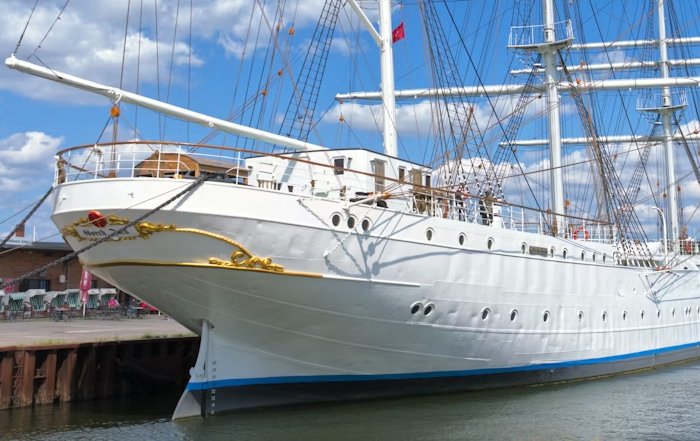
The Timeless Appeal of Spirit of Tradition Yachts
Reframing Classic Beauty for a New Era
As the global yachting industry stands at the intersection of heritage and high technology, Spirit of Tradition yachts occupy a uniquely compelling position. These vessels, which blend the visual language of classic sailing craft with the engineering discipline and performance expectations of contemporary superyachts, are no longer a niche curiosity; they have become a recognised category that shapes design conversations from Newport to Portofino, from the Solent to Sydney Harbour. For the editorial team at yacht-review.com, which has chronicled the evolution of yacht aesthetics and innovation for an international readership, Spirit of Tradition craft represent a living dialogue between past and future, where nostalgia is carefully balanced against measurable performance, safety, and sustainability.
The term "Spirit of Tradition" does not describe a rigid rule set; rather, it refers to a design philosophy that respects historical proportions, sheerlines, and deck layouts while embracing modern materials, hydrodynamics, and onboard systems. Owners in the United States, the United Kingdom, Germany, Canada, Australia, and across Europe and Asia are discovering that these yachts deliver more than visual charm; they offer a distinctive ownership experience that feels emotionally resonant yet operationally aligned with the expectations of modern yachting. As the editorial coverage on design and reviews at yacht-review.com has shown repeatedly, this category is now central to how serious yachtsmen and women think about long-term value, brand heritage, and the meaning of luxury on the water.
Defining the Spirit of Tradition Concept
Spirit of Tradition yachts are best understood as contemporary vessels that visually reference a specific historical period or regional style while being built to current standards of structure, performance, and safety. A yacht in this category may echo the overhangs and tumblehome of a 1930s racing cutter, the flush decks of a Scandinavian workboat, or the elegant sheer of a classic Mediterranean cruiser, yet below the waterline and behind the joinery there is typically a rigorously modern approach. Naval architects use advanced hull-form optimisation, computational fluid dynamics, and structural analysis to ensure that what appears traditional at first glance is in fact a carefully engineered platform.
This philosophy is not confined to sail. While sailing yachts remain the most visible expression of the genre, a growing segment of power-driven Spirit of Tradition craft is emerging, particularly in markets such as the United States, Italy, the Netherlands, and Scandinavia, where owners value the romance of classic commuter yachts and gentleman's launches but demand the reliability and efficiency of contemporary propulsion systems. For professionals analysing the category from a business perspective on yachting industry pages, this hybrid identity makes Spirit of Tradition especially interesting, because it allows brands to leverage their heritage narratives while also justifying premium pricing through demonstrable technical competence.
Heritage as a Strategic Asset
The enduring appeal of Spirit of Tradition yachts rests heavily on their ability to activate heritage in a way that feels authentic rather than contrived. Owners are not merely purchasing a vessel; they are acquiring a story, a lineage, and a link to maritime cultures that span regions from the British Isles and New England to the Baltic, the Mediterranean, and the Asia-Pacific cruising grounds. Shipyards such as Spirit Yachts, Hoek Design, and a number of boutique builders in the United States, Italy, and the Netherlands have built their reputations on an ability to translate historical cues into modern craft that satisfy demanding owners and professional crews.
For discerning buyers in London, New York, Hamburg, Singapore, and Sydney, heritage is also a mechanism for risk mitigation. Brands with deep roots in traditional craftsmanship signal continuity, accumulated expertise, and a culture of meticulous quality control. In an environment where large yacht projects can span several years and involve complex contractual and regulatory frameworks, this perceived stability matters greatly. Industry observers following developments through outlets such as the Superyacht Builders Association and analysis from organisations like Icomia often note that the most successful Spirit of Tradition builders are those that have institutionalised their artisanal knowledge while adopting formal quality management processes and digital design workflows.
From a market positioning standpoint, Spirit of Tradition yachts also offer differentiation in crowded harbours and marinas. At regattas in the Caribbean, the Mediterranean, and the Baltic, a well-executed Spirit of Tradition yacht stands apart from both purely modern racing machines and faithfully restored classics. This visual distinction, combined with the prestige associated with custom or semi-custom construction, reinforces the perception of rarity and connoisseurship that many high-net-worth individuals seek. Readers of yacht-review.com who follow global yachting developments frequently highlight this blend of individuality and tradition as a key factor in their purchasing decisions.
Design Language: Where History Meets Hydrodynamics
The design process for a Spirit of Tradition yacht is a complex negotiation between aesthetics, hydrodynamic performance, and the practical requirements of modern cruising. Naval architects and stylists must interpret historical reference points-often drawn from archive photographs, museum vessels, and classic regatta fleets-without becoming prisoners of the past. The sheerline, bow profile, transom treatment, and deckhouse geometry must collectively evoke a particular era, yet the underwater body, appendages, and rig are typically informed by contemporary performance data and classification standards.
Long overhangs at bow and stern, for example, may be visually desirable, but they can be reconciled with modern performance expectations through careful volume distribution and structural engineering that allows for light yet strong overhanging sections. Traditional plank seams and brightwork can be recreated using engineered veneers and advanced coatings that reduce maintenance demands while preserving the visual warmth of timber. Rigs may appear classic, with wooden or wood-clad spars and gaff configurations, yet often conceal high-modulus carbon structures, low-stretch running rigging, and sophisticated sail-handling systems. Designers and owners who wish to understand these trade-offs in depth often turn to resources such as the Royal Institution of Naval Architects or technical commentary on yacht technology to explore how tradition can coexist with cutting-edge engineering.
Interior design presents a similar balancing act. Many Spirit of Tradition yachts favour raised and pilot saloon configurations that recall the cosy, paneled salons of early twentieth-century cruisers, yet the underlying layout must accommodate contemporary expectations for en-suite cabins, crew separation, and technical spaces for air conditioning, stabilisation, and digital infrastructure. For family-focused owners in markets such as the United States, Canada, the United Kingdom, and Scandinavia, the ability to combine classic ambiance with child-friendly layouts and modern safety systems is often a decisive factor, a trend that is reflected in the family-oriented coverage on lifestyle and family cruising at yacht-review.com.
Materials and Construction: Craftsmanship Reinvented
If Spirit of Tradition yachts are visually defined by their classical references, they are structurally characterised by a sophisticated interplay of materials. Traditional wooden construction, once seen as the only path to authenticity, has largely given way to hybrid solutions that pair timber with advanced composites, aluminium, or even steel, depending on size and mission profile. Cold-moulded wood-epoxy construction, for example, allows builders to create hulls that retain the tactile qualities and acoustic comfort of wood while benefiting from the stiffness, strength, and longevity of laminated structures. At the larger end of the spectrum, aluminium hulls with wooden or teak-clad superstructures can deliver a compelling balance of weight, durability, and aesthetic warmth.
Modern adhesives, vacuum infusion processes, and finite element analysis have transformed what is possible for builders committed to traditional forms. The use of carbon fibre reinforcement in spars, chainplates, and structural members allows designers to reduce weight aloft and improve stability without compromising the visual integrity of classic rigs. Owners and project managers who follow developments through institutions such as DNV and Lloyd's Register understand that compliance with contemporary classification and safety requirements is non-negotiable, and Spirit of Tradition builders have responded by embedding these standards into their design and production processes.
From an operational standpoint, the result is a fleet of yachts that feel reassuringly solid, quiet, and refined underway, yet remain competitive in terms of speed, fuel efficiency, and maintenance intervals. For readers of yacht-review.com who consult the site's boats and model overviews before commissioning a custom build or purchasing on the brokerage market, the knowledge that a Spirit of Tradition yacht can offer both emotional and technical value is central to the decision-making process.
Cruising Experience: Romance with Real-World Capability
The experiential dimension of Spirit of Tradition yachts is perhaps their most powerful selling point. Owners often describe a sense of theatre when approaching their vessel at anchor or in a marina, with long overhangs, varnished details, and elegant deck furniture creating an atmosphere that feels closer to a classic film set than to a purely functional modern yacht. Yet this romance is underpinned by very real capability. Modern navigation suites, communication systems, and safety equipment are seamlessly integrated into the design, often concealed behind traditional joinery or disguised in deck hardware that respects the visual language of the chosen era.
For those planning extended cruising in the Mediterranean, Caribbean, Baltic, or Asia-Pacific regions, the ability to move effortlessly between the aesthetic worlds of Saint-Tropez, Palma, the Greek islands, or Phuket while remaining connected to global weather services, digital charts, and shore-based teams is essential. Resources such as the National Oceanic and Atmospheric Administration and the UK Hydrographic Office provide the hydrographic and meteorological data that underpin safe passages, and Spirit of Tradition yachts are typically equipped to take full advantage of these services. Onboard comfort, including stabilisation at anchor, advanced climate control, and noise reduction strategies, ensures that the classical ambiance does not come at the cost of rest or wellbeing during long passages.
The editorial team at yacht-review.com, through its cruising features and travel coverage, has documented how owners in markets as diverse as the United States, Italy, Norway, South Africa, and New Zealand use Spirit of Tradition yachts as platforms for multi-generational travel. Grandparents, parents, and children can share the romance of traditional sailing or classic motor cruising, yet enjoy the security of modern safety systems and the flexibility of contemporary layout solutions. This combination of emotional resonance and practical capability is a defining attribute of the category.
Racing, Regattas, and the Social Dimension
Spirit of Tradition yachts also occupy a distinctive space in the world of competitive and semi-competitive sailing. Many owners commission these yachts specifically to participate in regattas that blend classic and modern fleets, from the Mediterranean and Caribbean classics circuits to events in the United Kingdom, the United States, and across Europe. While rating rules vary, the key appeal lies less in outright victory and more in the social and aesthetic theatre of sailing in company with other beautifully maintained yachts that share a respect for tradition.
Events such as classic yacht regattas and Spirit of Tradition classes, often covered by organisations like the International Maxi Association and reported widely by specialist yachting media, create a social ecosystem in which owners, designers, and builders can showcase their work and exchange ideas. The presence of high-profile individuals from business, technology, and the arts reinforces the perception that Spirit of Tradition ownership is as much about cultural affiliation as it is about maritime competence. For readers of yacht-review.com who follow industry events and regattas, the growing prominence of Spirit of Tradition fleets is a clear indicator of the category's maturation.
This social dimension extends beyond racing. Many Spirit of Tradition yachts serve as focal points for waterfront events, brand collaborations, and philanthropic initiatives, particularly in markets such as Monaco, Cannes, Newport, and Palma. Their visual appeal makes them natural ambassadors for brands seeking to associate themselves with craftsmanship, heritage, and understated luxury, and their owners often leverage this appeal to support cultural or environmental causes, further strengthening the reputational capital associated with the category.
Sustainability: Tradition as a Catalyst for Responsible Innovation
In 2026, no serious discussion of yacht design can ignore sustainability, and Spirit of Tradition yachts occupy an intriguing position in this debate. On one hand, their reliance on sail power, their use of timber and other natural materials, and their relatively modest scale compared to the largest motor superyachts can reduce environmental impact. On the other hand, they are still luxury assets that must answer to increasingly stringent expectations from regulators, coastal communities, and environmentally aware owners.
Forward-looking builders and designers are exploring ways to align the Spirit of Tradition aesthetic with advanced sustainability strategies. Hybrid propulsion systems, alternative fuels, and energy-efficient hotel loads are being integrated into new builds without compromising the visual integrity of classic forms. Owners and project teams who wish to explore these options in depth often consult resources such as the International Maritime Organization and the World Wildlife Fund to learn more about sustainable business practices that can inform responsible yacht ownership and operation.
The editorial perspective at yacht-review.com, particularly in its dedicated sustainability section, has consistently emphasised that true environmental responsibility requires more than cosmetic gestures. For Spirit of Tradition yachts, this means considering the full lifecycle of materials, the energy profile of onboard systems, and the operational patterns of cruising and racing. The use of sustainably sourced timber, low-VOC finishes, efficient hull forms, and shore-power connectivity in marinas across North America, Europe, and Asia are all part of a holistic approach that allows owners to enjoy the romance of tradition while acknowledging their responsibilities to the oceans that make that romance possible.
Global Markets and Cultural Adaptation
Spirit of Tradition yachts have historically been associated with Anglo-American and European maritime cultures, but in recent years their appeal has broadened to include owners in Asia, the Middle East, and South America. In markets such as China, Singapore, Japan, South Korea, and Thailand, where yachting is still a relatively young lifestyle segment compared to Europe and North America, these yachts can serve as aspirational symbols that connect new owners to a sense of global maritime heritage. At the same time, designers and builders must adapt the Spirit of Tradition concept to local cruising conditions, climate, and cultural preferences.
In warmer climates, for example, the traditional enclosed deckhouses of Northern European and North American classics may give way to open or semi-open configurations that maintain historical proportions while prioritising ventilation and shade. In emerging markets where marina infrastructure is still developing, draft limitations, service availability, and crewing models can influence design choices in ways that subtly reshape the Spirit of Tradition template. Coverage on global yachting dynamics at yacht-review.com has documented how builders collaborate with regional partners in Australia, New Zealand, South Africa, Brazil, and Southeast Asia to ensure that Spirit of Tradition projects are culturally and operationally attuned to their intended cruising grounds.
This globalisation of the category has important implications for the broader yachting industry. It encourages cross-pollination of ideas between traditional yachting centres and newer markets, fosters investment in skilled craftsmanship and training, and supports a more diverse community of owners and crews. In this sense, Spirit of Tradition yachts are not only aesthetic objects but also agents of cultural exchange and industry development.
The Business Case: Value, Liquidity, and Brand Equity
From a purely financial perspective, Spirit of Tradition yachts occupy a nuanced position in the market. They are rarely mass-produced, and their value is strongly influenced by the reputation of the designer and builder, the quality of craftsmanship, and the strength of the narrative that surrounds each project. For investors and owners who follow the market through business-focused coverage and news updates at yacht-review.com, the key question is how these yachts perform in terms of long-term value retention and liquidity.
Evidence from brokerage markets in the United States, the United Kingdom, France, Italy, Spain, the Netherlands, and Switzerland suggests that well-maintained Spirit of Tradition yachts from recognised yards can command strong resale values, particularly when they have active racing or cruising histories and are supported by comprehensive documentation. The scarcity of high-quality examples, combined with the growing visibility of the category in regattas and media, reinforces this value proposition. However, the market is discerning; projects that deviate too far from accepted aesthetic norms or that compromise on technical quality can struggle to find buyers, underscoring the importance of working with established professionals.
For shipyards and designers, Spirit of Tradition projects can strengthen brand equity by demonstrating mastery of both heritage and innovation. Successful launches generate editorial coverage, awards, and peer recognition that extend beyond the immediate circle of classic yacht enthusiasts. This reputational capital can translate into broader demand for the yard's other products, from purely modern performance cruisers to motor yachts and tenders. In this way, Spirit of Tradition is not only a design language but also a strategic tool for differentiation in an increasingly competitive global marketplace.
Lifestyle, Community, and our Role
Ultimately, the timeless appeal of Spirit of Tradition yachts is inseparable from the lifestyle and community that surround them. Ownership typically involves participation in a network of regattas, rendezvous, and informal gatherings where shared values of craftsmanship, seamanship, and aesthetic appreciation are celebrated. For many owners in North America, Europe, Asia, Africa, and South America, the yacht becomes a focal point for family rituals, business hospitality, and personal reflection, a place where the pace of digital life is moderated by the rhythms of wind, sea, and traditional seamanship.
The editorial mission here is to document and interpret this world for a global audience that spans seasoned owners, aspiring buyers, industry professionals, and enthusiasts. Through in-depth reviews, design analysis, historical context, lifestyle features, and coverage of community initiatives, the platform provides a curated lens through which readers can understand why Spirit of Tradition yachts matter-not only as objects of beauty, but as embodiments of Experience, Expertise, Authoritativeness, and Trustworthiness in the broader maritime culture.
In an era defined by rapid technological change and shifting notions of luxury, Spirit of Tradition yachts offer a reassuringly human scale, a connection to craft, and a sense of continuity that transcends fashion cycles. They remind the industry that progress need not erase the past, and that the most compelling innovations often emerge when designers, builders, and owners choose to converse with history rather than ignore it. For the global readership, from the harbours of the United States and the United Kingdom to the coasts of Germany, Canada, Australia, France, Italy, Spain, the Netherlands, Switzerland, China, Sweden, Norway, Singapore, Denmark, South Korea, Japan, Thailand, Finland, South Africa, Brazil, Malaysia, and New Zealand, the Spirit of Tradition remains not just an aesthetic preference, but a statement of values and a vision for how yachting can honour its past while navigating confidently into the future.