

South Korea's Coastal Yachting Renaissance in 2026
A Mature New Player in Global Premium Yachting
By 2026, South Korea has moved decisively from emerging curiosity to established contender on the global yachting map, and for the international readership of Yacht-Review.com, the country now represents far more than an exotic detour in Northeast Asia; it has become a structured, strategically relevant destination where design-conscious owners, experienced captains, and sophisticated charter clients can expect a level of infrastructure, safety, and service that increasingly aligns with standards in the United States, United Kingdom, Italy, and the wider Mediterranean. What began a decade ago as a series of experimental marina projects and coastal tourism initiatives has matured into a coherent, government-supported and privately executed marine leisure ecosystem, with Busan, Jeju, Tongyeong, Yeosu, and Incheon forming the backbone of a new cruising circuit that is now firmly on the radar of owners from Germany, France, Canada, Australia, Singapore, and beyond.
For Yacht-Review.com, which has chronicled this evolution through its coverage of reviews, design, cruising, and global trends, South Korea has become a case study in how a highly industrialized, technology-led nation with relatively modest recreational boating traditions can, in less than two decades, cultivate a premium-positioned yachting environment that competes credibly with established Asian destinations such as Thailand, Singapore, Japan, and, increasingly, the island chains of Malaysia and Indonesia.
Coastal Geography and Cruising Potential in a Changing Climate
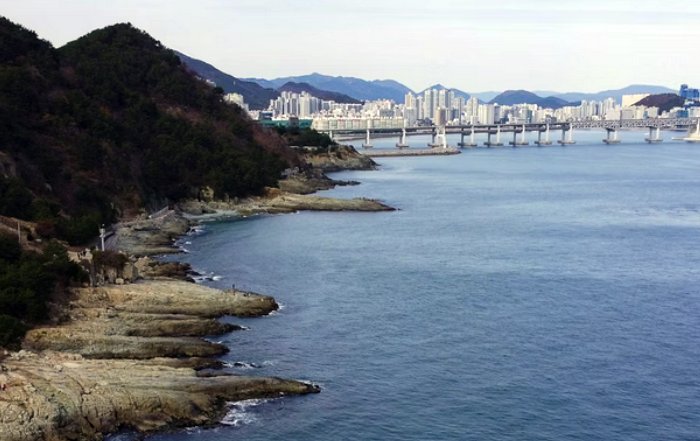
South Korea's coastline, officially exceeding 2,400 kilometers but effectively many times longer when its dense lattice of islands and inlets is considered, offers a variety of cruising environments that few first-time visitors anticipate. The southern and southeastern coasts, from Yeosu through Tongyeong to Busan, remain the country's primary yachting corridor, yet by 2026 the western approaches towards Incheon and the northern stretches of the East Sea have also seen incremental development, giving captains greater flexibility in itinerary planning and seasonal deployment. The South Sea, often likened to a compact Mediterranean for its sheltered passages and intricate archipelagos, continues to attract yachts in the 40-120-foot range, while an increasing number of superyachts now include South Korea as a segment in broader Asia-Pacific itineraries linking Japan, Taiwan, Northern China, and the tropical waters of Southeast Asia.
For a global yachting community that must now factor climate volatility into every decision, the Korean Peninsula's seasonal patterns and storm exposure require careful planning but remain manageable for well-briefed captains. Spring and autumn offer the most stable cruising windows, while summer brings both peak tourism demand and heightened typhoon risk, demanding robust contingency planning and close monitoring of meteorological updates. Climate and ocean data from organizations such as NOAA's ocean information and World Meteorological Organization climate data are now routinely integrated into passage planning for yachts operating in Korean waters, and Yacht-Review.com has observed that professional captains consider the region's navigational complexity to be an asset rather than a liability, offering engaging pilotage without the crowding found in many European hotspots.
Busan: A Fully Formed Gateway and Investment Magnet
Busan has completed its transition from a predominantly commercial harbor into a diversified maritime city where logistics, culture, and leisure coexist in a carefully planned urban waterfront. The continued redevelopment of North Port and the expansion of Suyeong Bay Yacht Marina, together with newer facilities along the eastern shoreline, have created a cluster of marinas and service providers that can now accommodate a wider spectrum of vessels, including larger superyachts that would have struggled to find suitable berths a decade ago.
For owners and charterers arriving from North America, Europe, or Australia, Busan functions as a natural entry point, combining an international airport, high-speed rail links to Seoul, and a marina infrastructure that sits within easy reach of luxury hotels, fine dining, and cultural venues. The city's evolution mirrors global best practice in waterfront redevelopment, echoing the transformation of Barcelona, Hamburg, and Sydney, and institutions such as the World Bank's urban development division and UNESCO's culture initiatives frequently cite Busan's integrated approach as an example of how ports can reposition themselves as lifestyle destinations without compromising commercial throughput.
For investors and marine businesses following Yacht-Review.com's business coverage, Busan also illustrates the strength of South Korea's public-private collaboration model. Strategic incentives for marina development, alignment with tourism policy, and the leveraging of local shipbuilding and technology expertise have created a favorable environment for yacht dealerships, charter brokerages, refit yards, and hospitality operators targeting high-net-worth visitors from China, Japan, Singapore, and the wider Asia-Pacific region.
Jeju Island: From Domestic Retreat to International Superyacht Stop
Jeju Island has, by 2026, moved decisively beyond its historical role as a domestic honeymoon and family destination to become a recognized waypoint for international yachts seeking a distinctive combination of volcanic landscapes, marine national parks, and sophisticated resort infrastructure. The island's dramatic coastline, UNESCO-listed sites, and network of golf and wellness resorts now dovetail effectively with a growing, though still limited, marina offering, enabling captains to plan multi-day stays that blend coastal cruising with onshore experiences tailored to demanding guests from Europe, North America, and Asia.
Local authorities have continued to push forward with long-term marine leisure plans, including expanded berthing, improved fuel and provisioning services, and enhanced refit capabilities that draw on the island's broader tourism expertise. While Jeju's marina capacity remains tight during peak seasons, early booking and close cooperation with local agents have made it increasingly feasible for larger yachts to integrate the island into regional itineraries. Owners and managers monitoring regulatory and infrastructure developments often consult the Jeju Special Self-Governing Province portal alongside international tourism analysis from bodies such as OECD Tourism, aligning their deployment strategies with broader visitor trends and environmental policies that shape access to sensitive coastal zones.
For Yacht-Review.com, Jeju has become a focal point for examining how island destinations can balance premium marine tourism with environmental stewardship, and its evolution is regularly referenced in our travel and sustainability reporting.
Southern Archipelagos: Authentic Cruising and Cultural Depth
While Busan and Jeju attract the headlines, the true character of Korean yachting often reveals itself in the quieter southern archipelagos around Yeosu, Tongyeong, and Hallyeohaesang National Marine Park. Here, hundreds of islands and channels provide an intricate cruising ground that appeals strongly to experienced owners and captains looking for authenticity, cultural immersion, and a sense of discovery that is increasingly rare in heavily trafficked regions of Europe and North America.
Tongyeong, frequently described as the "Naples of Korea," offers sheltered anchorages framed by hills and traditional villages, while Yeosu provides access to coastlines that were first brought to global attention during Expo 2012 Yeosu Korea, which emphasized ocean health and sustainable development. These waters are particularly well suited to family-oriented itineraries, with short hops between islands, calm passages, and numerous opportunities for coastal hiking, kayaking, and interaction with local fishing communities. For readers of Yacht-Review.com's cruising features, the region is now profiled as an ideal environment for owners who wish to introduce younger family members to extended cruising without the pressure and congestion found in the most popular Mediterranean anchorages.
Those seeking a deeper understanding of the historical and cultural backdrop to these coastal communities can draw on our history coverage, which situates South Korea's modern yachting story within a broader narrative of maritime trade, naval strategy, and coastal livelihoods across Asia.
Marinas, Infrastructure, and the Service Ecosystem in 2026
By 2026, one of the most significant transformations in South Korea's marine leisure sector has been the maturation of its marina and service ecosystem. While the country still does not match the berth density of the French Riviera, Balearic Islands, or the U.S. East Coast, the network of facilities along the southern and eastern coasts has become sufficiently robust to support both domestic fleets and a growing number of foreign-flagged yachts. New marinas have opened in secondary cities and resort areas, and existing facilities have expanded to accommodate larger vessels and more sophisticated onboard systems.
Critically, the service ecosystem underpinning these marinas has benefited from South Korea's longstanding dominance in commercial shipbuilding and advanced manufacturing. The presence of industrial heavyweights such as Hyundai Heavy Industries, Samsung Heavy Industries, and Hanwha Ocean (successor to Daewoo Shipbuilding & Marine Engineering) has fostered a culture of precision engineering, materials science, and systems integration that is now filtering into the leisure segment through specialized yards, engine and electronics specialists, and interior refit providers. Industry observers frequently consult analysis from the International Maritime Organization and the Korea Maritime Institute when assessing regulatory and economic trends shaping this transition, and Yacht-Review.com's boats and technology sections increasingly profile Korean yards and service companies that are ready to support international-standard projects.
For owners accustomed to the dense service ecosystems of Italy, Spain, or Florida, South Korea now offers a credible alternative in Northeast Asia, provided that maintenance and refit schedules are planned with realistic lead times and coordinated with local partners familiar with regulatory requirements and port procedures.
Design, Technology, and the Emergence of a Korean Yachting Aesthetic
South Korea's influence on yachting design and onboard technology has become more visible by 2026, reflecting the country's global leadership in consumer electronics, telecommunications, and digital services. While the market for fully Korean-built superyachts remains nascent, several domestic builders and design studios have begun to carve out a niche in semi-custom and production yachts that blend international performance standards with Korean aesthetic sensibilities, characterized by clean lines, restrained palettes, and interior layouts that echo the spatial harmony of traditional hanok architecture.
For the design-focused readership of Yacht-Review.com, this emerging Korean aesthetic is particularly interesting because it demonstrates how regional cultural identity can be expressed within the constraints of global classification, safety, and performance requirements. Our design coverage increasingly features collaborations between European naval architects and Korean interior designers, as well as concept projects that integrate Korean art, textiles, and lighting into otherwise minimalist environments.
On the technology front, partnerships between yacht builders and Korean electronics and telecom companies are beginning to shape the next generation of onboard systems, from high-bandwidth connectivity and integrated entertainment platforms to predictive maintenance solutions and user-friendly vessel management interfaces. South Korea's expertise in battery technology and power electronics also positions it as a key player in the transition toward hybrid and fully electric propulsion, a trend that is monitored closely by global institutions such as the International Energy Agency and the World Economic Forum's mobility initiatives. For owners evaluating future-proof investments, the Korean market has become an important source of both hardware and software innovation that can be deployed across fleets operating in Europe, Asia, North America, and Oceania.
Business Environment, Regulation, and Market Dynamics
The business foundations of South Korea's yachting sector have strengthened considerably in the past few years, creating a more predictable and attractive environment for international stakeholders. Regulatory reforms have simplified yacht registration and import procedures, clarified rules for charter operations, and encouraged marina development as part of broader coastal tourism and "blue economy" strategies. These changes have been particularly important for brokers and management companies based in London, Monaco, New York, Hong Kong, and Singapore, who now see South Korea as a viable extension of their Asia-Pacific offerings rather than an outlier.
Domestic demand has been driven by a growing population of high-net-worth individuals, many of them founders and executives in technology, manufacturing, finance, and entertainment, who are already familiar with yachting through experiences in France, Italy, Spain, the Caribbean, and Australia. International brands from Germany, the Netherlands, United Kingdom, and United States have deepened their presence in the Korean market, often through joint ventures or exclusive dealership agreements with local partners who understand the expectations and cultural nuances of Korean clients. For readers following macroeconomic indicators and luxury consumption patterns, OECD economic outlooks and Yacht-Review.com's business analysis provide useful context on currency movements, taxation, and policy developments that influence yacht acquisition and charter pricing in the region.
From a risk-management perspective, the regulatory environment is now seen as stable and transparent, with strong enforcement of safety and environmental standards, which enhances the country's reputation for reliability and long-term asset protection-a key consideration for institutional investors and family offices exploring marina, shipyard, or hospitality-related projects along the Korean coast.
Sustainability and Coastal Stewardship as Core Principles
In 2026, sustainability is no longer a peripheral concern but a structural pillar of South Korea's coastal development strategy, and this is particularly evident in the way marine leisure projects are conceived, approved, and operated. National marine parks, protected wetlands, and fisheries intersect with key cruising routes, imposing real constraints on anchoring, waste management, and speed, yet these constraints are increasingly recognized by owners and captains as markers of a mature, forward-looking destination rather than obstacles to enjoyment.
South Korea's technological capabilities have allowed it to adopt advanced environmental measures relatively quickly, including shore-power infrastructure in major marinas, incentives for hybrid and electric propulsion, and the deployment of digital monitoring tools that track water quality and vessel movements in sensitive areas. For owners and operators seeking to align their practices with international frameworks, guidance from the International Union for Conservation of Nature and the UN Environment Programme is complemented by local regulations that often exceed minimum global standards.
Yacht-Review.com has made South Korea a recurring reference point in its sustainability reporting, particularly when examining how new yachting destinations can embed responsible practices from the outset, rather than retrofitting solutions after environmental damage has occurred. For a global audience spanning Europe, Asia, Africa, South America, and North America, the Korean example illustrates how environmental stewardship can coexist with premium experiences and robust commercial returns.
Lifestyle, Culture, and Onshore Experiences for Global Guests
The appeal of exploring South Korea by yacht lies not only in its physical coastline but also in the richness of onshore experiences that can be woven into itineraries. From Busan's contemporary art museums, fashion districts, and seafood markets to Jeju's volcanic hiking trails, tea plantations, and wellness retreats, the country offers a spectrum of activities that resonate with couples, families, corporate groups, and multigenerational parties.
Korean cuisine, now firmly established in major cities across the United States, United Kingdom, Germany, France, Australia, and Canada, gains an additional layer of meaning when experienced in situ, where regional variations in seafood, fermentation, and preparation reflect the intimate connection between coastal communities and the sea. For families, coastal festivals, marine sports centers, and cultural sites such as temples and historic fortresses provide engaging diversions that can be integrated into both short and extended cruises.
Within Yacht-Review.com's lifestyle and travel sections, South Korea is increasingly presented as a destination where high technology and deep tradition coexist, offering guests from Sweden, Norway, Denmark, Finland, Japan, South Africa, Brazil, Malaysia, and New Zealand a nuanced and layered experience that goes beyond conventional sun-and-sand narratives. International planning is often informed by resources from the World Tourism Organization, which tracks visitor flows, infrastructure quality, and safety metrics across global destinations.
Community, Events, and the Consolidation of Yachting Culture
By 2026, South Korea's yachting community has grown in both size and sophistication, anchored by yacht clubs, sailing schools, university programs, and marine sports associations that collectively nurture a new generation of sailors, technicians, and enthusiasts. Regattas and boat shows in Busan, Jeju, and selected southern ports now attract participants and visitors from Japan, China, Singapore, Thailand, and other parts of Asia, while also beginning to draw interest from European and North American teams looking to expand their racing and promotional calendars.
These events have become important platforms for showcasing new models, technologies, and services, and they play a central role in normalizing yachting as an aspirational yet attainable lifestyle within the Korean public consciousness. Yacht-Review.com tracks these developments through its news, events, and community coverage, emphasizing that the long-term strength of any yachting destination depends not only on hardware-marinas, shipyards, and yachts-but also on the depth, competence, and cohesion of its human networks.
Global organizations such as World Sailing and regional boating federations have increasingly integrated South Korea into their competitive and training circuits, reinforcing the country's status as a serious player in Asia-Pacific yachting rather than a peripheral outpost.
South Korea's Position in the Global Yachting Landscape in 2026
As of 2026, South Korea occupies a distinctive, strategically valuable position in the global yachting hierarchy: it is no longer an experimental frontier but not yet saturated, offering a blend of modern infrastructure, cultural depth, and relative exclusivity that appeals strongly to experienced owners and charter clients seeking fresh experiences beyond the familiar marinas of Europe and North America. For the global audience of Yacht-Review.com, which spans worldwide markets including Switzerland, Netherlands, China, Italy, Spain, Singapore, and New Zealand, South Korea now features regularly in discussions about fleet deployment, charter routing, and long-term investment in the Asia-Pacific region.
Its continued success will depend on the country's ability to expand marina capacity in a sustainable manner, deepen its service ecosystem to handle a growing number of complex vessels, and maintain high environmental standards while encouraging broader domestic participation in boating. For international stakeholders, opportunities exist in yacht sales, charter, marina and resort development, technology partnerships, and event sponsorship, but these must be pursued with a nuanced understanding of local culture, regulation, and long-term policy goals.
Readers seeking to align their strategies with these developments can draw on Yacht-Review.com's boats overview, global insights, and cruising analysis, while also referencing broader blue-economy discussions hosted by organizations such as the OECD and the World Bank, which increasingly recognize marine leisure as an integral component of sustainable coastal development.
A Strategic Destination for the Decade Ahead
Looking toward the late 2020s and early 2030s, Yacht-Review.com expects South Korea to consolidate its role as a strategic hub in Northeast Asia's yachting network, particularly for owners and charterers based in Germany, Switzerland, Netherlands, Canada, Australia, New Zealand, and other mature boating markets who are seeking to diversify their cruising portfolios. As new marinas come online, as refit and service capabilities deepen, and as the country continues to invest in coastal tourism, environmental protection, and digital infrastructure, the appeal of itineraries linking Incheon, Busan, Jeju, and the southern islands will only intensify.
In combination with neighboring cruising grounds such as Japan's Seto Inland Sea, the islands of Okinawa, and the tropical archipelagos of Thailand and Malaysia, South Korea offers a compelling building block for extended Asia-Pacific voyages that can rival traditional circuits in the Mediterranean and Caribbean. For families, corporate travelers, and lifestyle-focused guests, the country's unique synthesis of cutting-edge technology, deep cultural heritage, and carefully managed coastal development provides a differentiated experience that is increasingly difficult to replicate elsewhere.
For the readership of Yacht-Review.com, engaging with South Korea's coastal charms from the water in 2026 is not simply a matter of discovering a new destination; it is an opportunity to observe, and participate in, the way one of the world's most advanced economies is redefining its relationship with the sea. Those who invest the time to understand these waters-geographically, commercially, and culturally-are likely to gain not only memorable cruising experiences but also strategic insights and partnerships that will influence their yachting decisions well into the next decade.