

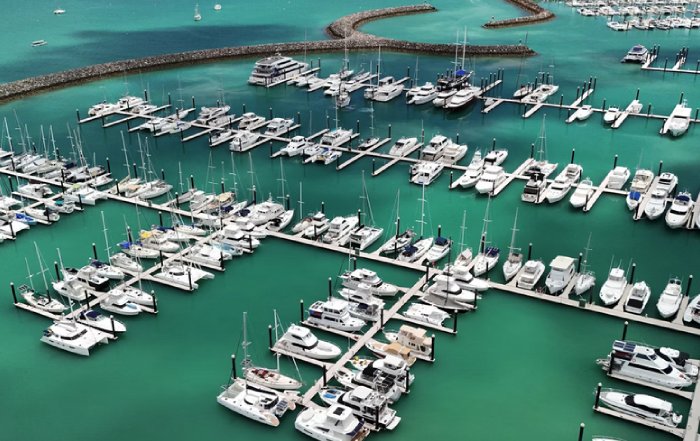
Guide to the Best Marina Facilities Worldwide
The Strategic Role of Marinas in Global Yachting Today
Marinas have consolidated their position as strategic infrastructure within the global yachting ecosystem, functioning far beyond their original role as safe harbours and basic service points. They now operate as integrated lifestyle, business, and technology hubs that shape how yacht owners, charter guests, captains, and family offices experience and value yachting as a long-term pursuit. For the international audience of Yacht-Review.com, which follows developments in reviews, design, cruising, and lifestyle, marina quality has become a decisive factor in route planning, yacht selection, and investment strategy.
The most influential marinas in North America, Europe, Asia, the Middle East, and emerging yachting regions are now expected to orchestrate an end-to-end experience that begins well before a yacht approaches the breakwater and continues long after it departs. This experience is defined by secure and well-engineered berths for an increasingly large and technologically complex fleet, concierge-grade hospitality, advanced technical and refit support, and seamless connections to aviation, hotels, and regional culture. In parallel, digitalisation and sustainability have moved to the centre of expectations, with owners and charter clients demanding high-bandwidth connectivity, transparent environmental practices, and evidence that marinas are aligned with global standards and regulations shaping the maritime sector, as documented by bodies such as the International Maritime Organization. For Yacht-Review.com, which tracks these macro trends through its global coverage, marinas are no longer peripheral infrastructure; they are core determinants of how the modern yachting lifestyle is defined and delivered.
What Defines a World-Class Marina in 2026
In 2026, excellence in marina facilities is measured through an integrated lens that combines physical infrastructure, service culture, technology, sustainability, and regional positioning. On the infrastructural front, deep-water access capable of accommodating yachts well above 60 metres, robust breakwaters that provide protection in increasingly volatile weather conditions, high-capacity shore power systems ready for hybrid and fully electric propulsion, and efficient fuel, waste, and black- and grey-water handling systems are considered baseline requirements rather than differentiators. Berthing layouts must cater not only to superyachts but also to support vessels, chase boats, and toys, while ensuring safe manoeuvrability and privacy.
The service component has evolved to mirror the standards of top-tier luxury hospitality brands, with marinas frequently partnering with or located adjacent to properties operated by Four Seasons, Aman, Ritz-Carlton, and other global operators. Owners and captains expect multilingual staff, 24/7 operations, on-site or on-call technical teams, customs and immigration facilitation in key hubs, and curated itineraries that connect guests to local gastronomy, culture, and wellness experiences. Increasingly, marinas are acting as gateway curators, designing shore-based programmes that reflect regional character rather than generic luxury. For readers who follow the interplay between yacht capabilities and destination infrastructure, Yacht-Review.com regularly links its boats and cruising content to marina performance, illustrating how berthing choices can enhance or constrain the value of a particular yacht or itinerary.
North America: Mature Hubs Reinventing the User Experience
North America, with the United States and Canada at the forefront, continues to refine its marina offering, moving from a focus on capacity and technical competence toward a more holistic model that combines operational excellence, sustainability, and experiential depth. Florida remains one of the most strategically important yachting hubs worldwide, with marinas in Fort Lauderdale, Miami, and Palm Beach serving as benchmarks for service density, refit capability, and integration with a vast industrial network of shipyards, brokers, and suppliers. The presence of leading refit and construction players, combined with regulatory and infrastructure initiatives overseen by entities such as the U.S. Maritime Administration, ensures that the region remains central to both seasonal cruising and long-term basing decisions for American, European, and increasingly Latin American owners.
Further north, New England and the Canadian Atlantic provinces have expanded and upgraded marina infrastructure to attract yachts seeking cooler summer climates and culturally rich itineraries that combine coastal towns, heritage sites, and culinary experiences. Enhanced shore power capacity, improved storm resilience, and closer collaboration with local tourism bodies have made these marinas more attractive to transatlantic visitors who may enter via Canada or the northeastern United States before repositioning to the Caribbean or Mediterranean. On the Pacific side, marinas in Seattle, Vancouver, and Victoria are recognised for their strong environmental credentials, advanced waste-management systems, and proximity to cruising grounds in British Columbia and Alaska, where owners and charter clients can experience wilderness-oriented itineraries. These developments align with the growing emphasis on responsible cruising and are frequently highlighted in the travel and sustainability sections of Yacht-Review.com, which treat North American marinas as case studies in balancing heavy usage with ecosystem protection.
Mediterranean Europe: Integrated Luxury, Culture, and Heritage
The Mediterranean continues to serve as the reference region for integrated yachting destinations, where marinas are deeply embedded in historical urban fabrics and surrounded by world-class gastronomy, fashion, and cultural institutions. France, Italy, Spain, Monaco, and Greece maintain dense networks of marinas that cater to every segment of the market, from family-oriented facilities in traditional harbours to ultra-exclusive superyacht hubs that host the largest vessels afloat. Along the Côte d'Azur, marinas in and around Monaco, Nice, Antibes, and Saint-Tropez have invested heavily in upgraded shore power systems, enhanced security, and bespoke services, reflecting the region's continued appeal to high-net-worth individuals and celebrities. Data and analysis from organisations such as the World Tourism Organization help contextualise how tourism growth, seasonality, and regulatory changes influence marina investment and pricing across these coastal zones.
Italy's Ligurian and Tyrrhenian coasts, together with Sardinia and Sicily, combine architectural refinement, culinary excellence, and proximity to heritage sites, making Italian marinas particularly attractive to owners who view yachting as a means of accessing culture as much as leisure. Spain's Balearic Islands and Costa del Sol have continued to professionalise and expand their marina offerings, with Palma de Mallorca, Ibiza, and Marbella functioning as sophisticated hubs that offer advanced technical support, robust charter ecosystems, and vibrant nightlife. Greece and Croatia have also strengthened their positions by upgrading marinas and investing in new developments that provide access to extensive archipelagos while maintaining a more relaxed and authentic atmosphere. These Mediterranean facilities frequently host major regattas, industry events, and yacht shows, many of which are covered in the events and news sections of Yacht-Review.com, where marina capacity, location, and service quality are key determinants of an event's success.
Northern Europe: Engineering Precision and Sustainable Innovation
Northern Europe has built a reputation for marinas that combine engineering precision, operational efficiency, and ambitious sustainability agendas, reflecting broader societal and regulatory priorities in countries such as the United Kingdom, Germany, the Netherlands, Norway, Sweden, Denmark, and Finland. The Netherlands and Germany, home to leading superyacht builders and engineering firms, maintain marinas that are closely interconnected with shipyards and technical clusters, enabling owners to combine cruising with refit, warranty work, and customisation. Regulatory and safety developments monitored by the European Maritime Safety Agency influence how these marinas address topics such as fire safety for alternative fuels, waste treatment, and digital reporting.
In the United Kingdom, marinas along the south coast, in London, and in Scotland have focused on resilience to challenging weather conditions, efficient berth allocation, and integration with rail and air links, making them attractive not only to domestic owners but also to international visitors repositioning between the Mediterranean, the Baltic, and the North Atlantic. Scandinavian marinas in Norway, Sweden, Denmark, and Finland increasingly cater to an audience seeking adventure-driven itineraries that combine fjords, archipelagos, and nature-oriented experiences. These facilities are often early adopters of renewable energy integration, advanced ice-management strategies for winter operations, and digital tools for berth management and energy monitoring. Yacht-Review.com frequently references these Northern European marinas in its history and technology coverage, illustrating how long maritime traditions and cutting-edge innovation can coexist within the same waterfront environments.
Asia-Pacific: Expansion, Diversification, and New Cruising Corridors
The Asia-Pacific region has matured into one of the most dynamic arenas for marina development, with countries such as China, Singapore, South Korea, Thailand, Australia, and New Zealand investing heavily in both flagship facilities and secondary hubs. Singapore and Hong Kong remain pivotal nodes, offering high-security marinas with integrated customs and immigration services, close proximity to financial districts, and strong air connectivity, which appeals to owners who combine business travel with yachting. Macro-economic data from institutions such as the World Bank underline how rising wealth and changing consumption patterns in Asia continue to support growth in yacht ownership and charter demand, thereby justifying further marina investment.
In Southeast Asia, marinas in Thailand, Malaysia, Indonesia, and the Philippines have been upgrading capacity and service standards to capture a larger share of the global charter and expedition market. Access to relatively uncrowded cruising grounds, rich cultural experiences, and competitive operating costs make these marinas attractive to owners from Europe, North America, and the Middle East seeking alternative itineraries. Australia and New Zealand, with their strong maritime heritages, have refined marinas that serve as staging points for Pacific crossings, superyacht charter seasons, and extended refit periods. These facilities often combine advanced technical support with easy access to national parks, wine regions, and urban cultural centres, creating a compelling blend of adventure and comfort. For readers following global cruising patterns on Yacht-Review.com, Asia-Pacific marinas now form essential links in multi-year itineraries that connect the Mediterranean, Indian Ocean, and Pacific in a continuous loop.
Middle East and New Luxury Frontiers
The Middle East has become a showcase for large-scale, architecturally ambitious marina developments that are tightly integrated into mixed-use waterfront projects, luxury hospitality, and entertainment districts. In the United Arab Emirates, marinas associated with Dubai Harbour, Yas Marina, and other flagship developments in Abu Dhabi and Dubai exemplify a model where berthing for superyachts is combined with direct access to international airports, high-end retail, and major events such as Formula 1 races, art fairs, and international conferences. These projects are embedded within broader national strategies to attract high-net-worth tourism and foreign investment, which can be better understood through policy analyses from organisations such as the OECD.
Saudi Arabia has accelerated its emergence as a luxury yachting destination through Red Sea developments linked to NEOM and Red Sea Global, which aim to combine ultra-luxury experiences with ambitious environmental and conservation objectives. Marinas in these projects are designed with an emphasis on low-impact construction, marine habitat protection, and integration with protected areas, positioning them as testbeds for the next generation of sustainable waterfront development. For the audience of Yacht-Review.com, which increasingly values authenticity alongside exclusivity, these Middle Eastern marinas represent a new frontier where design, technology, and environmental stewardship are central to the narrative, and where the quality of marina infrastructure directly shapes global perceptions of these emerging destinations.
Family, Community, and Lifestyle in the Modern Marina
World-class marinas in 2026 are no longer perceived solely as technical facilities; they are also social and cultural anchors that support family experiences, community engagement, and broader lifestyle aspirations. Many leading marinas now incorporate family-oriented amenities such as pools, children's clubs, wellness centres, and safe waterfront promenades that encourage multi-generational use. Yacht ownership and charter are increasingly framed as ways to create shared experiences, and marinas respond by providing programming that ranges from sailing lessons and junior regattas to culinary events and wellness retreats. For Yacht-Review.com, these developments are central themes in the family and community sections, where marinas are portrayed as the connective tissue between the technical world of boats and the human dimension of travel and leisure.
Marinas also serve as focal points for local communities, hosting festivals, cultural performances, markets, and educational initiatives that promote maritime skills and environmental awareness. Partnerships between marina operators, yacht clubs, schools, and municipal authorities are leading to training programmes, sailing academies, and conservation projects that build local support for marina expansion while nurturing the next generation of sailors and marine professionals. The role of waterfronts and public spaces in sustainable urban development is examined by organisations such as UN-Habitat, and many of the most admired marinas worldwide are those that successfully combine private luxury with inclusive public access, thereby enhancing their long-term social licence to operate.
Technology and Digital Transformation in Marina Management
Digital transformation has become a defining feature of leading marinas, influencing everything from berth allocation and customer communication to energy management and predictive maintenance. Advanced marina management platforms enable real-time berth visibility, online reservations, dynamic pricing, and integrated billing, reducing friction for captains and crew while improving asset utilisation for operators. Smart access systems, high-definition surveillance, and integrated communication tools enhance security and convenience, allowing marinas to maintain a discreet yet robust security posture suitable for high-profile guests. For readers seeking deeper insight into these trends, Yacht-Review.com provides dedicated technology coverage that links marina innovation to broader advances in yacht systems, navigation, and connectivity.
High-speed, resilient internet connectivity is now considered critical infrastructure, particularly as more owners and charter guests blend leisure with remote work and digital entrepreneurship. At the same time, digital tools enable more efficient and sustainable operations, with sensors and analytics used to monitor water quality, energy consumption, and equipment performance. International regulatory frameworks and guidelines from bodies such as the International Maritime Organization indirectly shape how marinas adopt these technologies, particularly in relation to safety, emissions reporting, and port-state control. The most forward-looking facilities are those that treat digitalisation not as an add-on but as a core component of their value proposition, integrating it seamlessly into guest experience and operational strategy.
Sustainability and Environmental Stewardship as Core Strategy
Sustainability has transitioned from a marketing differentiator to a central pillar of marina design, operation, and financing. Leading marinas across Europe, North America, Asia, and the Middle East are implementing comprehensive environmental management systems that address energy efficiency, water quality, biodiversity, and waste reduction. Many pursue certifications such as Blue Flag and Clean Marina as visible indicators of their commitment, while also investing in shore power, solar generation, LED lighting, and water-recycling technologies. These initiatives align with broader business and policy trends explored by organisations like the World Economic Forum and by management resources that help leaders learn more about sustainable business practices.
For the readership of Yacht-Review.com, sustainability is increasingly intertwined with lifestyle choices, influencing where to base a yacht, which cruising routes to prioritise, and which marinas to support. The site's dedicated sustainability coverage highlights facilities that go beyond compliance, including those involved in seagrass restoration, artificial reef projects, plastic-free initiatives, and low-impact construction methods. Many marinas now collaborate with universities, NGOs, and local communities to monitor and improve coastal ecosystems, recognising that environmental quality is directly linked to guest satisfaction and long-term asset value. As climate change and regulatory pressures intensify, marinas that embed environmental stewardship into their core strategy will be better positioned to attract discerning owners and institutional investors alike.
Business, Investment, and the Evolving Marina Asset Class
From an investment perspective, marinas have matured into a recognised asset class that combines elements of real estate, infrastructure, and hospitality. Institutional investors, private equity firms, and family offices in North America, Europe, and Asia are increasingly active in acquiring and consolidating marina portfolios, seeking to apply professional management, brand building, and operational efficiencies across networks of facilities. The business section of Yacht-Review.com monitors these developments, providing context on mergers, acquisitions, and greenfield projects that are reshaping competitive dynamics and influencing service standards worldwide.
At the same time, marina development and expansion face complex regulatory, environmental, and community constraints, particularly in sensitive coastal areas where competing interests must be carefully balanced. Successful projects in 2026 typically feature rigorous environmental impact assessments, early and sustained stakeholder engagement, and flexible design concepts that can adapt to changing vessel profiles, including the rise of larger yachts and alternative propulsion technologies. Global policy frameworks such as the UN Sustainable Development Goals increasingly inform government and investor expectations, encouraging marinas to demonstrate not only financial viability but also social and environmental responsibility. Facilities that align with these principles are more likely to secure permits, financing, and long-term community support, reinforcing their status as resilient, future-proof assets.
How Yacht-Review.com Interprets and Communicates Marina Quality
For a global audience that spans experienced owners, aspiring buyers, captains, charter professionals, and industry stakeholders across North America, Europe, Asia, Africa, and South America, Yacht-Review.com approaches marina evaluation as a multidimensional exercise grounded in experience, expertise, authoritativeness, and trustworthiness. The editorial team and contributors draw on first-hand visits, structured interviews with owners, captains, and managers, and data-driven analysis to assess marinas across criteria such as infrastructure robustness, service culture, technology adoption, sustainability performance, family-friendliness, and integration with local culture and economy. These insights are woven throughout the platform's reviews, cruising guides, and broader lifestyle and global coverage, allowing readers to see how specific facilities perform within the wider context of regional and global yachting trends.
By situating marina analysis alongside content on yacht design, technology, history, travel, and community, Yacht-Review.com offers a holistic perspective that helps its audience make better-informed decisions, whether they are selecting a home port, planning a transoceanic itinerary, or evaluating an investment opportunity in marina assets. The publication's commitment to rigorous, independent assessment ensures that readers can rely on its guidance amid a crowded information landscape. As marinas continue to evolve into complex, multi-functional hubs at the heart of global yachting, Yacht-Review.com will remain focused on interpreting these changes through a lens that prioritises long-term value, responsible stewardship, and the real-world experiences of the international yachting community.