

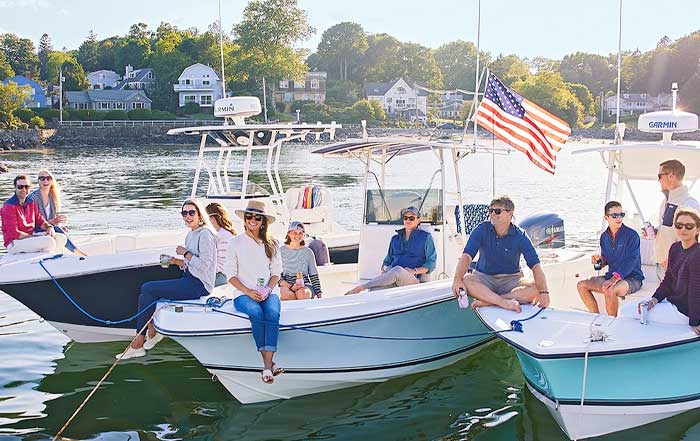
How Top Consumer Brands Are Redefining the Role of American Yacht Clubs
American yacht clubs have always been more than nautical venues; they are social institutions where heritage, discretion, and maritime excellence converge. In 2026, this traditional role has expanded into something far more complex and commercially influential. Yacht clubs in the United States now function as curated ecosystems where leading consumer brands in automotive, fashion, technology, finance, hospitality, and sustainability actively shape the experience of membership. For Yacht Review, which has spent years documenting the evolution of global yachting culture, this shift is not merely a marketing story but a fundamental redefinition of what luxury, community, and responsibility mean on the water.
From New York Yacht Club and San Diego Yacht Club to Palm Beach Yacht Club and Corinthian Yacht Club of Marblehead, many of the country's most prominent institutions have become strategic platforms for brands seeking to engage a discerning audience that values craftsmanship, innovation, and authenticity. These relationships now extend well beyond logo placement on sails or banners; they are long-term collaborations built on shared values such as precision engineering, design excellence, environmental stewardship, and experiential luxury. As the readership of Yacht Review has become increasingly global-spanning North America, Europe, and Asia-the dynamics of these partnerships offer a revealing lens on where maritime prestige and consumer identity intersect in 2026.
Automotive Icons and the New Language of Performance
The traditional affinity between high-performance automobiles and yachts has deepened considerably in recent years, as brands recognize that the same clientele often seeks seamless mobility across road, sea, and air. Bentley, Aston Martin, and Mercedes-Benz continue to cultivate a visible presence at major American yacht clubs and marina developments, but the narrative has evolved from mere status to integrated engineering stories.
The collaboration between Bentley Motors and select East Coast yacht clubs, particularly in Palm Beach and Newport, increasingly focuses on sustainable materials, bespoke commissioning services, and curated test-drive experiences tied to regatta weekends. The once-iconic Aston Martin AM37 project, created with Quintessence Yachts, has become a reference point for subsequent automotive-nautical design ventures, illustrating how automotive design language can be translated into hull geometry, interior ergonomics, and performance profiles. Readers following such crossovers often turn to the Design section of Yacht Review to track how car-inspired aesthetics continue to influence next-generation tenders and dayboats.
Lexus extended its "Crafted for Experience" philosophy with the LY 650 and subsequent design studies, positioning these vessels as floating expressions of Japanese omotenashi hospitality and meticulous engineering. Meanwhile, Mercedes-AMG's ongoing collaborations with Cigarette Racing have become emblematic of a performance-driven lifestyle, where carbon-fiber construction, advanced propulsion, and digital cockpit integration mirror the technology found in AMG GT and EQ models. This approach aligns with broader industry trends highlighted by organizations such as the National Marine Manufacturers Association, where data shows a growing appetite for high-performance, tech-forward boats that appeal to automotive enthusiasts seeking similar thrills at sea.
In this environment, American yacht clubs have become showrooms without walls, where members experience the convergence of mobility sectors in real time, from dockside supercar showcases to sea trials that demonstrate how automotive-derived engineering principles can redefine comfort, speed, and fuel efficiency on the water.
Timekeepers of Prestige: Watchmaking and Regatta Culture
The relationship between horology and yachting remains one of the most enduring and credible brand alignments in the luxury world. Precision timing is integral to competitive sailing, and in 2026, watchmakers continue to deepen their involvement with yacht clubs as they adapt to new materials, connected technologies, and evolving tastes.
Rolex retains a central place in American yachting culture through its partnerships with New York Yacht Club and numerous prestigious regattas, including the Rolex New York Yacht Club Invitational Cup. The Rolex Yacht-Master and Oyster Perpetual Sea-Dweller collections have become symbols of maritime commitment, worn as much for their technical capabilities as for what they communicate about the wearer's connection to the sea. Omega, official timekeeper for the America's Cup, extends its influence across U.S. yacht clubs through on-site timekeeping installations, regatta sponsorships, and limited editions that celebrate iconic coastal venues.
Panerai, with its roots in Italian naval instrumentation, maintains a strong presence in American classic yacht circles through events reminiscent of its Panerai Classic Yachts Challenge, where wooden hulls and meticulously restored rigs provide a natural stage for mechanical artistry. These collaborations are not simply about branding; they reinforce a narrative where precision, resilience, and heritage remain essential values in a digital age. Those interested in the historical and technical context behind these partnerships often gravitate to the History section of Yacht Review, where the evolution of marine chronometers and regatta timing is explored in depth.
As smartwatches and connected devices proliferate, traditional watchmakers have responded by emphasizing craftsmanship, mechanical innovation, and long-term value-positioning their timepieces as heirlooms that transcend the rapid product cycles of consumer electronics. This stance resonates strongly with yacht club members who view their vessels, and their watches, as multi-generational assets.
Fashion, Lifestyle, and the Aesthetics of the Waterfront
Fashion houses have long understood the aspirational imagery associated with yachts and coastal living, but in 2026 the integration is more curated and less superficial than in earlier decades. Ralph Lauren, Tommy Hilfiger, and European maisons such as Loro Piana, Brunello Cucinelli, and Louis Vuitton continue to draw from yachting's visual vocabulary-polished teak, navy-and-white palettes, and technical outerwear-yet they increasingly incorporate performance fabrics, recycled fibers, and UV-protective technologies that respond to the real needs of sailors and coastal residents.
Ralph Lauren's involvement with regattas and yacht club charity galas in the United States reinforces its identity as a custodian of American coastal style, while Tommy Hilfiger remains closely associated with New England sailing culture, often using yacht club backdrops for campaigns that blend heritage with youthful energy. Louis Vuitton, whose historic association with the America's Cup helped cement the link between high fashion and high-performance sailing, continues to use maritime events as platforms for storytelling around travel, craftsmanship, and adventurous elegance.
For the audience of Yacht Review's Lifestyle section, what matters is not only the logo on a polo shirt but the alignment between a brand's values and the lived reality of time spent on the water. Increasingly, yacht club wardrobes combine tailored resort wear with technical deck gear, reflecting a lifestyle where boardroom, marina, and international travel often blur into one continuous journey.
Gastronomy, Fine Spirits, and the Social Fabric of Clubs
Yacht clubs have always been social hubs, and in 2026 the food and beverage dimension of club life has become a strategic arena for brand partnerships. Champagne houses such as Moët & Chandon, Veuve Clicquot, and Perrier-Jouët, along with premium spirits brands like Johnnie Walker Blue Label, Mount Gay Rum, Grey Goose, and Belvedere, remain fixtures at regattas, prize-giving ceremonies, and seasonal opening balls. However, the narrative has expanded to include provenance, sustainability, and culinary innovation.
Mount Gay Rum, historically intertwined with sailing culture from the Caribbean to Newport, continues to sponsor major U.S. regattas, while also emphasizing its heritage and responsible production practices. Champagne gardens and branded lounges at Florida and California yacht clubs now frequently feature curated pairings with locally sourced seafood, often aligned with guidance from organizations such as the Monterey Bay Aquarium Seafood Watch, which promotes responsible sourcing from global fisheries.
In parallel, yacht clubs are increasingly partnering with Michelin-starred chefs, farm-to-table restaurateurs, and sustainable catering companies to elevate onboard and clubhouse dining. This shift reflects a broader change in luxury consumption: members now expect gastronomy to align with health, environmental awareness, and regional authenticity. For those exploring how cruising itineraries intersect with culinary discovery, the Cruising section of Yacht Review offers perspectives on coastal destinations where marinas and gastronomy have become mutually reinforcing draws.
Technology, Connectivity, and the Intelligent Marina
The technological landscape of yachting has transformed dramatically in the last five years, and American yacht clubs have become early adopters of innovations that reshape how owners operate and enjoy their vessels. Garmin, Apple, Samsung, and a host of marine electronics specialists now compete to deliver integrated navigation, safety, and entertainment systems that suit both ocean-crossing superyachts and family cruisers.
Garmin Marine continues to lead in chartplotters, radar, and integrated helm solutions, while the Apple Watch Ultra and its successors have brought advanced health tracking, GPS, and emergency features to sailors who value wearable redundancy alongside traditional instruments. Satellite connectivity has been revolutionized by Starlink Maritime, part of SpaceX, which allows yacht club fleets and private owners to enjoy high-speed internet in remote cruising grounds, enabling everything from remote work to real-time weather routing and telemedicine. The importance of such connectivity is increasingly recognized by regulatory and safety bodies like the U.S. Coast Guard, which encourages robust communication capabilities as part of responsible seamanship.
Yacht clubs themselves are experimenting with "smart marina" infrastructure, often in collaboration with cloud providers such as Amazon Web Services (AWS) and specialized marine tech firms. These systems use sensors and analytics to manage power consumption, berth allocation, security, and environmental monitoring. Readers interested in how these developments influence vessel design and ownership models can explore the Technology section of Yacht Review, where the convergence of IoT, AI, and maritime engineering is a recurring theme.
Sustainability and the Moral Imperative of Modern Luxury
By 2026, sustainability is no longer a peripheral talking point but a central pillar of strategy for both yacht clubs and the brands associated with them. Influenced by the broader ESG agenda and regulatory frameworks highlighted by organizations such as the International Maritime Organization, American yacht clubs are tightening environmental standards, investing in cleaner infrastructure, and aligning with brands that demonstrate credible commitments to ocean health.
The influence of Tesla on electrification continues to inspire marine innovation, even as other companies take the lead in practical implementation. Builders such as Sunreef Yachts, Silent Yachts, and Candela are collaborating with U.S. clubs and marinas to showcase electric and solar-assisted vessels, hydrofoiling technologies, and hybrid propulsion systems. These developments are increasingly visible at major boat shows and in waterfront developments where silent running, lower emissions, and reduced wake are seen as both environmental and experiential advantages.
Eco-conscious brands like Patagonia, North Sails, and Bulgari have found natural alignment with yacht club communities. North Sails has redefined its identity around low-impact materials and ocean advocacy, while Patagonia continues to support marine conservation initiatives and educational programs that resonate strongly with younger yacht owners and families. Bulgari, traditionally associated with jewelry and high-end accessories, now actively funds marine biodiversity research and coral reef restoration, reinforcing the idea that luxury brands can play a constructive role in safeguarding the ecosystems that underpin the yachting lifestyle. Readers seeking deeper analysis of these shifts regularly visit the Sustainability section of Yacht Review, where case studies of sustainable marinas, electric yacht adoption, and regulatory developments are examined in detail.
Hospitality, Travel, and Seamless Itineraries
The line between yachting and high-end travel has blurred significantly, as yacht clubs collaborate with global hospitality brands to deliver integrated, door-to-dock experiences. Four Seasons Hotels and Resorts and The Ritz-Carlton Yacht Collection exemplify this fusion, offering itineraries that connect private yacht charters, boutique cruise experiences, and stays at flagship coastal properties. These partnerships appeal to a clientele that expects consistency in service standards, wellness offerings, and culinary quality, whether they are at anchor off Sardinia or checking into a penthouse in Miami.
In the United States, yacht clubs in Miami, Fort Lauderdale, Newport, and San Diego increasingly host co-branded events with Marriott Bonvoy, American Express Platinum, and private aviation providers such as NetJets and VistaJet. These collaborations create an ecosystem where points, memberships, and concierge services interlock, allowing members to move fluidly between private jets, superyachts, and five-star resorts. For Yacht Review's global readership, many of whom design complex itineraries that combine charter, villa stays, and long-haul flights, the Travel section provides context on how these partnerships influence destination choice and onboard expectations.
Real Estate, Architecture, and Marina-Centric Communities
Across the U.S. coastline, from Florida to California, waterfront real estate has undergone a profound transformation. Developers and investors increasingly view marina-based communities as anchors of long-term value, integrating yacht clubs into mixed-use projects that combine residences, hospitality, retail, and cultural venues. The Related Group, Douglas Elliman, and Christie's International Real Estate are among the firms promoting developments where ownership of a waterfront residence is closely tied to access to a private marina, yacht club membership, and concierge boating services.
Architectural practices such as Foster + Partners, HOK, and DLR Group are incorporating sustainable materials, energy-efficient systems, and biophilic design into marina and clubhouse architecture, reflecting both regulatory pressures and changing consumer expectations. Solar canopies over docks, EV and e-boat charging stations, water treatment facilities, and shoreline restoration projects are now considered essential features rather than optional enhancements. These trends are echoed in the broader design discourse covered by Yacht Review's Boats section, where new yacht models and marina concepts are evaluated not only for aesthetics and performance but also for environmental footprint and liveability.
Finance, Insurance, and New Ownership Models
The financial dimension of yacht ownership has grown more sophisticated, and yacht clubs have become important venues for private banks, insurers, and fintech platforms to engage with high-net-worth clients. Goldman Sachs Private Wealth Management, JP Morgan Private Bank, and UBS Global Wealth Management frequently host seminars and private dinners at prominent yacht clubs to discuss asset structuring, cross-border tax considerations, and succession planning related to large vessels and waterfront properties.
Marine insurance providers such as AIG Private Client Group, Allianz Global Corporate & Specialty, and Chubb Insurance play a critical role in helping owners navigate the complexities of global cruising, regulatory compliance, and environmental liability. Educational initiatives supported by these firms often focus on risk management, cyber security for connected yachts, and best practices for crew management, reflecting a broader awareness of operational and reputational risks in an era of heightened scrutiny. Readers can find further analysis of these business and regulatory trends in the Business section of Yacht Review, where the economic underpinnings of the yachting ecosystem are regularly examined.
In parallel, new models such as fractional ownership, yacht funds, and charter-based return structures have grown in prominence. Platforms inspired by alternative asset marketplaces are enabling investors to participate in yacht ownership with lower capital outlay, reflecting a broader shift in luxury consumption from exclusive possession toward flexible access. This evolution is particularly relevant to younger entrepreneurs and technology professionals, who often prioritize liquidity and diversification while still seeking meaningful engagement with the yachting lifestyle.
Aviation, Mobility, and the Connected Lifestyle
Private aviation and yachting have always shared a clientele, but the integration of services has become far more intentional. Bombardier, Gulfstream, Dassault Aviation, Embraer Executive Jets, and fractional providers such as Flexjet now coordinate closely with yacht management companies and marina operators to offer synchronized itineraries. Members can land at a private terminal, clear customs, and board their yacht or club launch within minutes, supported by concierge teams that manage luggage, provisioning, and security.
For yacht club members who split their time between the United States, Europe, and Asia-Pacific, this level of coordination is no longer a luxury but an expectation. The global perspective on such integrated mobility-connecting marinas in Florida, the Mediterranean, and Southeast Asia-is a recurring theme in the Global section of Yacht Review, where readers track how infrastructure, regulation, and service standards vary across regions.
Wellness, Family, and the Human Dimension of Club Life
As definitions of luxury evolve, American yacht clubs have placed greater emphasis on wellness, family experiences, and intergenerational engagement. Partnerships with brands such as Equinox, Technogym, and Lululemon support state-of-the-art fitness facilities, onboard workout solutions, and wellness programming that extends from yoga on the foredeck to personalized training regimens. Technogym's compact equipment designed specifically for yacht environments reflects a growing recognition that owners expect their vessels to support the same health routines they maintain at home.
Clubs in California, Florida, and the Northeast increasingly collaborate with spa and wellness brands to offer holistic services-nutrition consultation, mindfulness programs, and longevity-focused workshops-creating an environment where time at the club supports long-term well-being rather than indulgence alone. For families, youth sailing academies, STEM-focused maritime education, and community outreach initiatives have become central to the mission of many institutions. The Family section of Yacht Review regularly highlights programs that introduce children and teenagers to sailing, navigation, and marine ecology, ensuring that the next generation approaches the sea with both enthusiasm and respect.
Community, Philanthropy, and Cultural Influence
In 2026, the most forward-thinking American yacht clubs position themselves not as isolated enclaves but as active contributors to local and global communities. Collaborations with organizations such as The Ocean Cleanup, Sailors for the Sea, and Oceana demonstrate a growing commitment to marine conservation, while partnerships with local schools, universities, and technology companies foster education and innovation.
Brands like Rolex, Patagonia, and Google have supported initiatives ranging from eco-certified regattas and plastic reduction campaigns to youth sailing scholarships and STEM programs built around marine robotics and data science. These activities reinforce the perception that yachting, when guided by responsible leadership, can be a force for positive change rather than a symbol of detachment. Coverage of such initiatives is a core focus of the Community section of Yacht Review, where philanthropy, inclusion, and environmental projects are treated as integral components of contemporary yachting culture.
A New Era of Brand-Yacht Club Synergy
The evolving relationship between top consumer brands and American yacht clubs in 2026 reveals a profound transformation in how luxury operates. What was once a relatively narrow world of exclusivity and display has become a multidimensional ecosystem grounded in experience, expertise, authoritativeness, and trust. Automotive manufacturers, watchmakers, fashion houses, technology giants, financial institutions, and sustainability pioneers now view yacht clubs as strategic partners in storytelling, innovation, and social impact.
For Yacht Review, this evolution underscores the importance of rigorous, independent coverage across Reviews, Boats, Business, Technology, Lifestyle, and Sustainability. As the publication continues to document developments from the United States to Europe, Asia, Africa, and South America, its role is to help readers distinguish between superficial branding exercises and genuine, value-driven collaborations that enhance the yachting experience and protect the oceans on which it depends.
Ultimately, the enduring allure of yachting lies in its unique combination of freedom, craftsmanship, and connection to the natural world. When brands engage with yacht clubs in ways that respect this heritage while advancing innovation and responsibility, they contribute to a legacy that extends far beyond marketing cycles. In that legacy-expressed in every thoughtfully designed marina, every responsible regatta, and every vessel that leaves a lighter wake-resides the future of luxury on the sea.