

Asia Pacific Anchorages in 2026: Strategic Horizons for the Global Yachting Elite
Asia Pacific in 2026: From Frontier to Core Cruising Theatre
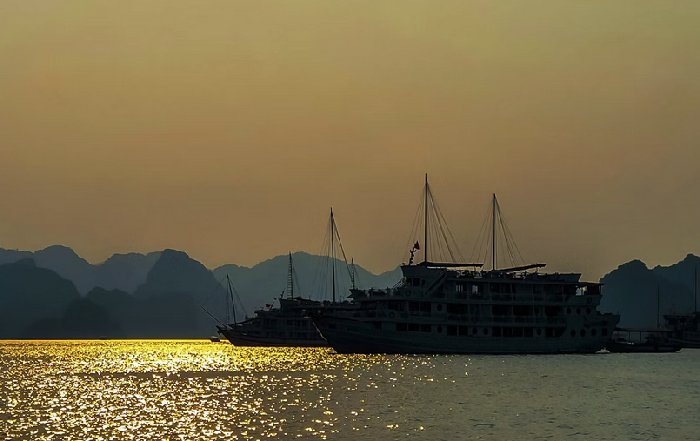
By 2026, the Asia Pacific region has completed its transition from an exotic outlier to a central pillar of the global yachting calendar, and for the readership of yacht-review.com, this shift is now reflected in concrete basing decisions, new-build specifications, and long-range cruising strategies rather than speculative forecasts. Owners and family offices from the United States, United Kingdom, Germany, Canada, Australia, France, Italy, Spain, the Netherlands, Switzerland, Singapore, and across Asia increasingly view the region not as an occasional detour from the Mediterranean or Caribbean, but as a primary theatre where lifestyle ambitions, business interests, and long-term asset strategies converge. From the volcanic silhouettes of Indonesia and the karst pinnacles of Thailand to the sophisticated marina ecosystems of Australia, New Zealand, Japan, and Singapore, Asia Pacific offers a rare combination of visual drama, regulatory maturity in key hubs, and steadily improving technical infrastructure.
This evolution has coincided with broader structural changes in global yachting. Climate variability, congestion in legacy cruising grounds, shifting tax and charter frameworks, and a rising demand for privacy and authenticity have collectively pushed owners to diversify their itineraries. For those who follow the analytical coverage of cruising trends, global developments, and travel-oriented features on yacht-review.com, Asia Pacific now appears less as a distant dream and more as a rational, strategically defensible choice. The region's anchorages are appraised through a matrix that includes geopolitical stability, port-state control regimes, access to quality yards and surveyors, and the resilience of local supply chains, all of which shape the risk profile and operating economics of a modern superyacht program.
Redefining "Best" Anchorages for a Data-Driven Yachting Era
In a world where yacht ownership is increasingly professionalised and often embedded within sophisticated corporate or family governance structures, the notion of a "best anchorage" has become far more nuanced than the purely aesthetic judgments that once dominated destination discussions. In 2026, discerning owners and charter managers evaluate anchorages in Asia Pacific through an integrated framework that spans safety, regulatory compliance, environmental risk, connectivity, and guest experience. It is no longer sufficient for an anchorage to offer shelter from prevailing winds; it must also sit comfortably within national frameworks influenced by bodies such as the International Maritime Organization, which continues to shape standards on pollution prevention, ballast water management, and safety at sea. The presence of marine protected areas, restrictions on anchoring over coral or seagrass, and mandatory use of mooring systems are now baseline considerations rather than exceptional constraints.
At the same time, charter guests and private families from North America, Europe, and Asia expect that even the most secluded bays can be integrated into itineraries that offer seamless transitions to high-end shoreside experiences, from Michelin-level dining to wellness retreats and cultural immersion. Destinations benchmarked by organizations like Forbes Travel Guide or highlighted in global hospitality indices increasingly influence perceptions of value. For the business-focused audience of yacht-review.com, whose interests often span lifestyle, business, and community engagement, "best" now implies anchorages that support multi-generational family use, facilitate corporate entertaining, provide access to reliable medical and aviation links, and sit within reachable distance of shipyards capable of handling complex refits and warranty work. In this context, the technical specifications of a yacht, from redundancy in power systems to onboard connectivity, are evaluated in tandem with the attributes of the anchorage itself.
Southeast Asia: The Operational Heart of Asia Pacific Cruising
Southeast Asia has emerged as the operational core of Asia Pacific yachting, offering a density of anchorages, marinas, and service nodes that enable both seasonal migration and year-round basing strategies. Thailand remains a cornerstone, with the waters around Phuket and the Andaman Sea continuing to attract yachts that reposition from the Mediterranean during the European winter. Phang Nga Bay, the Similan Islands, and the more remote southern regions offer a combination of calm waters, dramatic scenery, and increasingly predictable regulatory processes. Thai authorities have refined clearance procedures, expanded marina capacity, and introduced clearer guidelines on charter licensing, making the region more navigable from a compliance perspective for owners advised by international legal and tax professionals.
Indonesia, with more than 17,000 islands, has become the archetype of high-reward, high-complexity cruising. Raja Ampat, Komodo National Park, and the eastern archipelagos offer some of the most spectacular anchorages on the planet, yet require careful planning around fuel logistics, provisioning, and crew rotations. Conservation priorities, often supported by organizations such as Conservation International, are reshaping access regimes and anchoring practices, particularly in biodiversity hotspots. Owners who follow vessel and itinerary analysis on yacht-review.com/technology recognize that long-range autonomy, advanced waste management, and robust tenders are no longer optional in these waters but integral to safe and responsible operations. Singapore, meanwhile, functions as the strategic linchpin of the region: a financial, legal, and technical hub whose marinas, shipyards, and aviation links allow owners to structure ownership vehicles, complete complex refits, and move seamlessly between Europe, North America, and Asia.
Australia and New Zealand: Blue-Water Anchorages with Deep Technical Backbones
Australia and New Zealand have consolidated their roles as blue-water destinations that combine wild, low-density anchorages with sophisticated shoreside support. On Australia's east coast, the Whitsunday Islands and the Great Barrier Reef continue to attract yachts seeking a balance between protected cruising and world-class diving. Anchorages near the reef are governed by stringent environmental regulations under the oversight of the Great Barrier Reef Marine Park Authority, which provides detailed frameworks on responsible anchoring, mooring use, and reef protection. For owners and captains, these guidelines are not merely compliance checklists but operational parameters that influence itinerary design, tender operations, and guest briefing protocols.
The east coast corridor, stretching from Cairns through the Whitsundays to Brisbane and the Gold Coast, has seen continued investment in superyacht infrastructure, with facilities such as Rivergate Marina & Shipyard and other regional yards expanding their capabilities for complex refits, classification surveys, and warranty work for leading European and American builders. New Zealand, by contrast, offers a more compact but equally compelling cruising geography, from the sheltered bays of the Bay of Islands to the dramatic fjords of Fiordland and the island-rich Hauraki Gulf. The country's reputation for craftsmanship, supported by the New Zealand Marine Industry Association, has turned it into a preferred base for owners who value high-quality technical work coupled with world-class cruising. The interplay between these anchorages and the capabilities of local yards is a recurring theme in the boats and reviews coverage on yacht-review.com, where vessels are often evaluated through the lens of their suitability for extended operations in these demanding but rewarding waters.
Japan and South Korea: Discreet Sophistication and Emerging Networks
Japan and South Korea have taken meaningful steps towards integrating into global superyacht circuits, appealing particularly to experienced owners seeking cultural depth and relative anonymity compared to more saturated Mediterranean destinations. In Japan, the Seto Inland Sea, the Izu Islands, and the Ryukyu chain offer a tapestry of sheltered anchorages, traditional fishing villages, and modern cities, all within a regulatory environment that has gradually become more welcoming to foreign-flagged yachts. The Japan Tourism Agency has continued to refine information and support for nautical tourism, while local authorities work to expand marina berths capable of accommodating larger yachts, improve customs and immigration procedures, and develop concierge services that bridge language and cultural barriers.
South Korea, though still at an earlier stage of development, has begun to position its southern coast and islands near Busan and Yeosu as a complementary cruising area within Northeast Asia. For owners whose yachts are based in Singapore, Hong Kong, or major Chinese ports, these destinations provide additional seasonal routing options, especially when combined with Japan for spring and autumn itineraries. Industry observers tracking regulatory evolution through yacht-review.com/news note that charter frameworks, crew visa policies, and marina development strategies in both countries will significantly influence their ability to attract a larger share of the global fleet. For now, their appeal lies in understated sophistication, excellent cuisine, high safety standards, and the opportunity to access culturally rich anchorages that remain largely unknown to mainstream charter markets.
The South Pacific: Remote Anchorages for Expedition-Grade Programs
The South Pacific continues to represent the pinnacle of remote cruising for owners who commission or acquire expedition-grade yachts designed for autonomy, resilience, and off-grid comfort. French Polynesia remains at the centre of this universe, with the Society Islands, Tuamotus, and Marquesas offering a spectrum of anchorages from the iconic lagoons of Bora Bora and Moorea to the more challenging, pass-protected atolls of the Tuamotus. Many of these areas are recognized by UNESCO or national heritage bodies for their ecological and cultural significance, and as a result, yachting activity is increasingly managed within frameworks that limit environmental impact and encourage meaningful engagement with local communities.
Fiji and Vanuatu, with their combination of accessible hubs and remote outer islands, have become integral components of trans-Pacific and regional itineraries that may link Australia, New Zealand, French Polynesia, and, for the most ambitious programs, onward passages to Hawaii or the west coast of North America. The rise of expedition and explorer yachts, many of which are profiled in the design and reviews sections of yacht-review.com, has dramatically expanded the practical reach of owners who wish to operate in these remote anchorages without compromising comfort or safety. Range, ice or heavy-weather capability, tender garages configured for serious diving and shore exploration, and advanced communications systems are now common features in yachts conceived explicitly for Pacific operations, reflecting the growing strategic weight of these anchorages within long-term ownership plans.
Sustainability and the Ethics of Anchorage Selection
The maturation of Asia Pacific as a yachting region has coincided with the mainstreaming of environmental, social, and governance considerations in both private wealth management and corporate strategy. As a result, sustainability has become a central lens through which anchorages are evaluated, particularly in ecologically sensitive zones such as the Coral Triangle, the Great Barrier Reef, and the more fragile atolls of the South Pacific. Governments in Thailand, Indonesia, Australia, and Pacific Island nations have strengthened regulatory frameworks, introducing no-anchoring zones over coral, mandatory use of fixed moorings, strict discharge controls, and, in some cases, visitor caps. Organizations such as the World Wildlife Fund and regional conservation bodies have provided scientific backing and public visibility to these measures, making non-compliance increasingly untenable for reputation-conscious owners.
For the professional audience of yacht-review.com, sustainability is not only an ethical imperative but a strategic risk factor. Access to premium anchorages can be curtailed for operators who are perceived as environmentally careless, and insurers and lenders are beginning to scrutinize environmental performance as part of broader risk assessments. The platform's dedicated sustainability coverage reflects this reality, emphasizing that responsible anchoring extends beyond avoiding physical damage to reefs and seagrass to include respectful cultural engagement, fair compensation of local guides and suppliers, and alignment with emerging global frameworks on sustainable tourism. For owners who view their yachts as long-term intergenerational assets, the ability to demonstrate responsible behaviour in Asia Pacific's most prized anchorages is increasingly intertwined with the preservation of both cruising privileges and family reputation.
Infrastructure, Technology, and the Economics of Access
The quality and strategic value of an anchorage in 2026 are inseparable from the infrastructure and technology that support access, safety, and comfort. Across Australia, Singapore, Thailand, Indonesia, and selected hubs in Japan and China, governments and private investors have continued to develop deep-water marinas, haul-out facilities, and integrated service clusters that cater specifically to large yachts. These initiatives often align with broader development strategies examined by institutions such as the World Bank, which has highlighted the potential of maritime tourism to contribute to sustainable economic growth when managed responsibly. For owners and managers, these hubs form the logistical backbone that enables extended cruising in more remote anchorages, providing not only fuel and technical support but also crew training, medical facilities, and aviation links.
Technological progress has further reshaped what is considered a "reachable" or "safe" anchorage. High-resolution satellite imagery, updated electronic charting, and increasingly sophisticated weather-routing tools allow captains to plan approaches and departures with a level of precision that was unthinkable a decade ago. Dynamic positioning systems reduce the need to drop anchors in sensitive seabeds, while hybrid and alternative propulsion technologies help reduce noise and emissions in pristine environments. For those who follow innovation updates via yacht-review.com/technology, it is clear that the integration of these systems is no longer a matter of prestige but a fundamental component of risk management and environmental stewardship. The economics of access are also evolving, as some jurisdictions introduce differentiated fee structures that reward low-impact vessels and penalize higher-emission or non-compliant operations, further reinforcing the link between technological sophistication and strategic flexibility.
Cultural, Family, and Lifestyle Dimensions of Asia Pacific Anchorages
Beyond the technical and regulatory frameworks, Asia Pacific's anchorages are distinguished by the depth of cultural, family, and lifestyle experiences they can support. For multi-generational families and corporate groups who see yachting as a platform for education, connection, and wellbeing, anchorages near historic towns, sacred sites, and traditional communities in Japan, Indonesia, Thailand, and the Pacific Islands provide opportunities for curated experiences that extend far beyond conventional tourism. Visits to local markets, participation in cultural ceremonies, and collaborations with community-led conservation projects allow owners and guests to build narratives around their voyages that resonate with the values increasingly documented by organizations such as the Global Wellness Institute, which explores the intersection of travel, wellbeing, and purpose.
Onboard and water-based activities are similarly diverse. The coral-rich waters of the Coral Triangle, stretching across Indonesia, the Philippines, and Papua New Guinea, offer world-class diving and snorkeling, while regions of Australia, New Zealand, and the Pacific Islands provide exceptional surfing, kitesurfing, and sportfishing. Wellness-focused programs, from yoga and meditation on secluded beaches to onboard spa treatments and nutrition plans, are now standard features of many charters and private programs in the region. For readers who explore family, community, and lifestyle content on yacht-review.com, these anchorages are understood not simply as scenic backdrops but as carefully chosen settings for experiences that align with broader family narratives, philanthropic interests, and personal development goals.
Strategic Planning for Asia Pacific Cruising Beyond 2026
For owners, captains, and advisors planning for the remainder of the decade, Asia Pacific's best anchorages must be approached as interconnected components within a holistic strategy that integrates vessel capabilities, regulatory environments, seasonal patterns, and long-term ownership objectives. Successful programs typically weave together established hubs such as Singapore, Phuket, Sydney, Auckland, and selected Japanese ports with more remote anchorages in Indonesia, the South Pacific, and Northern Australia. This approach allows for a balance between technical support and wilderness, business obligations and family time, charter income and private use. Crew planning, maintenance windows, and survey schedules must be synchronized with weather systems, monsoon cycles, and regional event calendars, many of which are tracked in the news, business, and events sections of yacht-review.com.
Ultimately, Asia Pacific's anchorages in 2026 embody a new paradigm in global yachting, one in which experience-driven travel, technological sophistication, environmental responsibility, and cross-cultural engagement are inseparable. For the discerning global audience of yacht-review.com, the region is not only an extraordinary cruising playground but also a lens through which the future of the industry can be understood. Decisions about where to anchor now intersect with broader questions of investment strategy, vessel design, sustainability commitments, and family legacy. As the decade unfolds, Asia Pacific will continue to shape the strategic agenda of yacht owners and industry leaders worldwide, and yacht-review.com will remain committed to delivering the in-depth analysis, expert perspectives, and trusted guidance necessary to navigate this complex and increasingly central yachting frontier. Readers seeking to align their own plans with these evolving dynamics can continue to draw on the platform's integrated coverage of reviews, design, cruising, and global industry developments at yacht-review.com.