

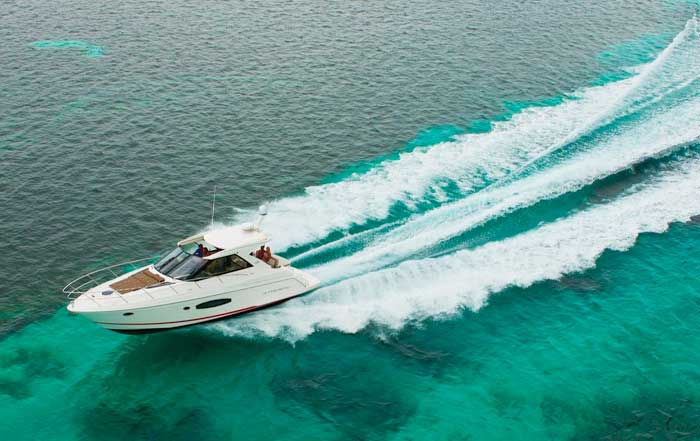
The Top Ten Motor Yachts for First-Time Owners
The profile of the first-time yacht owner has changed dramatically over the past decade, and by 2026 this transformation is clearly visible in marinas from Fort Lauderdale to Monaco, from Sydney to Singapore. Where yacht ownership was once perceived as the preserve of seasoned mariners or ultra-high-net-worth individuals with full-time crews, it has now become a considered lifestyle investment for entrepreneurs, senior executives, and globally mobile families seeking a private, flexible retreat from an always-connected world. For this new generation, a motor yacht is as much a tool for work-life balance as it is a symbol of affluence, offering the ability to combine business travel, family time, and discreet leisure in one highly personalized environment.
Within this context, the team at Yacht Review has observed a pronounced shift toward yachts that are easier to own, simpler to operate, and more sustainable, yet uncompromising in terms of comfort and design. Readers of yacht-review.com consistently emphasize the importance of intuitive technology, efficient propulsion, and layouts that can be managed without a large crew, particularly in size ranges between 40 and 55 feet. These preferences are echoed in leading industry analyses from organizations such as the Superyacht Builders Association (SYBAss) and global brokerage houses, which point to a robust pipeline of first-time buyers across North America, Europe, Asia, and the Middle East, many of whom are entering the market with clear expectations shaped by digital experience and sustainability awareness.
In response to this demand, major shipyards have reimagined the "entry-level" motor yacht, integrating advanced navigation suites, semi-autonomous docking systems, hybrid propulsion, and modular interior layouts that elevate smaller vessels to a level of sophistication previously associated only with larger superyachts. This article, prepared specifically for the business-focused audience of Yacht Review, examines ten standout motor yachts that exemplify this new paradigm in 2026, providing a detailed perspective on design, technology, and ownership experience for those considering their first step into yachting. Readers seeking further comparative insights can explore additional analyses in the reviews section, where performance, build quality, and long-term value are evaluated in depth.
The Rise of Smart, Sustainable and Manageable Yachts
By 2026, first-time owners are no longer satisfied with yachts that are only beautiful; they must also be intelligent, connected, and responsible. Advances in integrated bridge systems, real-time telemetry, and cloud-based maintenance support have turned modern motor yachts into sophisticated yet approachable platforms, enabling owner-operators to manage voyages, safety, and onboard comfort with a level of control that would have been unthinkable a decade ago. Builders such as Azimut Yachts, Princess Yachts, Sunseeker International, Beneteau, and Riviera Yachts now routinely collaborate with technology partners like Volvo Penta, Garmin, and Raymarine to deliver helm stations that resemble high-end aviation cockpits, with clear, consolidated interfaces and automated safeguards.
At the same time, hybrid and low-emission propulsion have moved from niche to mainstream, driven in part by evolving regulatory frameworks in Europe and North America and by heightened owner awareness of environmental impact. The work of innovators such as Volvo Penta, MAN Engines, and Torqeedo has enabled yachts in the 40-50-foot segment to benefit from systems that reduce fuel burn, noise, and vibration while improving maneuverability. Prospective buyers can follow broader decarbonization trends in maritime through resources such as the International Maritime Organization and the International Council on Clean Transportation, which track regulatory developments and emerging propulsion solutions.
For first-time owners, these advances translate into a far more approachable experience. Joystick docking, dynamic positioning systems, and integrated autopilots significantly reduce the stress of close-quarters maneuvering, while remote monitoring platforms allow owners to oversee critical systems from their smartphones. As Yacht Review regularly notes in its technology coverage, the convergence of digitalization and naval architecture is lowering the operational threshold, enabling professionals in the United States, United Kingdom, Germany, Canada, Australia, and beyond to adopt yachting without dedicating years to seamanship training.
Azimut Atlantis 45: Italian Style with Accessible Performance
The Azimut Atlantis 45 continues to stand out as one of the most compelling gateways into luxury yachting for first-time buyers who value Italian design and athletic performance in equal measure. At around 45 feet, it occupies a sweet spot that is large enough to feel substantial and comfortable for extended weekends, yet compact enough to remain easily manageable in busy marinas from Florida to the French Riviera. The exterior lines, developed by Azimut Yachts' design office in collaboration with leading Italian stylists, convey a contemporary, sporty character that resonates with owners transitioning from high-end automotive or aviation experiences.
Beneath the surface, the Atlantis 45 benefits from Volvo IPS propulsion, combining efficient fuel consumption with responsive handling and low noise levels. The joystick control system greatly simplifies docking and low-speed maneuvers, which is particularly reassuring for those operating without a permanent captain. The interior, arranged around two generous cabins and a bright central saloon, reflects Azimut's expertise in maximizing space through careful ergonomics and refined material selection, creating an ambience that feels closer to a boutique apartment than a compact cruiser. Owners who have shared their experiences with Yacht Review consistently highlight the yacht's balance of speed, comfort, and user-friendly systems as key reasons for their confidence on the water, a theme explored in greater detail in the design section.
Princess F50: British Precision and Flybridge Versatility
For buyers intrigued by the advantages of a flybridge yet wary of excessive complexity, the Princess F50 represents a carefully judged proposition. Built by Princess Yachts in Plymouth, United Kingdom, the F50 demonstrates how British shipyards have refined the art of delivering compact flybridge yachts with the sophistication of larger vessels but without the corresponding operational burden. At just over 50 feet, it offers a commanding upper helm with excellent visibility, generous lounging areas, and a main deck that flows seamlessly between interior and exterior spaces, making it well suited to coastal cruising in regions such as New England, the Balearic Islands, or the Whitsundays.
The F50 is powered by twin Volvo Penta IPS 800 engines, providing strong performance and efficient cruising, while the integrated navigation suite-typically featuring Garmin multifunction displays and advanced autopilot-caters to owner-operators who may be new to passage planning. Sound insulation and vibration control are engineered to a high standard, resulting in a quiet, composed ride that enhances comfort for family and guests. Inside, the hallmark Princess craftsmanship is evident in the cabinetry, upholstery, and subtle lighting design, which together create a timeless, understated luxury that appeals to experienced business leaders accustomed to premium residential and hospitality environments. Those evaluating comparable models can find additional context in Yacht Review's boats coverage, where the F50 is frequently cited as a benchmark in its class.
Sunseeker Predator 55 EVO: Performance Heritage for Confident Newcomers
The Sunseeker Predator 55 EVO brings the performance heritage of Sunseeker International into a format that is surprisingly approachable for first-time owners who are drawn to speed and dynamism. With its aggressive profile, expansive glass surfaces, and large aft cockpit, the Predator 55 EVO is tailored to those who view their yacht as both a high-performance machine and a social platform for entertaining clients, friends, or family in destinations like Miami, Ibiza, or Phuket. The deep-V hull, the product of decades of Sunseeker's offshore experience, delivers a responsive, engaging ride even at higher speeds and in more demanding sea states.
Power is typically provided by twin Volvo D11 engines, complemented by joystick control and advanced bow and stern thrusters that make docking more predictable. Inside, the design ethos leans toward contemporary minimalism, with clean lines, ambient lighting, and an intelligent layout that ensures no space is wasted. Sunseeker's strong after-sales support network across Europe, North America, and Asia-Pacific is an important factor for first-time buyers, providing training, maintenance coordination, and technical support that contribute to long-term confidence. Readers interested in the evolving technology behind performance yachts can explore related features in the technology section of Yacht Review, where the integration of hull design, propulsion, and digital control is analyzed in depth.
Fairline Targa 45 OPEN: Relaxed Mediterranean Spirit
The Fairline Targa 45 OPEN illustrates how a well-executed open cockpit design can deliver a sense of freedom and connection to the sea that strongly appeals to new owners seeking informal, weekend-oriented use. Built by Fairline Yachts in the United Kingdom, the Targa 45 OPEN offers an expansive main deck with a large retractable sunroof, allowing the entire cockpit and helm area to transform from sheltered to open-air within seconds. This concept resonates with owners who frequent warmer climates such as the Côte d'Azur, Costa del Sol, or Gold Coast, where outdoor living is central to the yachting experience.
Twin Volvo Penta IPS 650 engines provide ample power with refined handling, while the digital helm integrates Raymarine navigation and engine data into a clear, intuitive interface. Below deck, the yacht accommodates two well-appointed cabins, each with en-suite facilities, providing privacy for owners and guests during overnight stays. Fairline's emphasis on handcrafted finishes and thoughtful storage solutions enhances everyday usability, making the Targa 45 OPEN a practical yet aspirational choice for those moving up from dayboats or smaller express cruisers. Comparative owner feedback and long-term impressions can be found in the reviews section of Yacht Review, where this model is often praised for its blend of style and simplicity.
Galeon 440 Fly: Innovative Space for Global Families
The Galeon 440 Fly, produced by Galeon Yachts in Poland, has earned a reputation as one of the most innovative flybridge yachts in its size range, particularly admired by family-oriented first-time owners in markets as diverse as Germany, Italy, Canada, and New Zealand. Its hallmark features-fold-down "beach mode" balconies and a modular cockpit-demonstrate how intelligent engineering can significantly expand usable space at anchor, transforming a 44-foot yacht into a remarkably versatile platform for socializing, dining, and water sports.
Powered by Volvo Penta D6 engines, the 440 Fly delivers efficient cruising with good range, while the elevated helm position and extensive glazing contribute to excellent visibility and situational awareness. Inside, Galeon combines warm wood finishes, large windows, and flexible layouts that can be configured to suit couples, young families, or multigenerational groups. This adaptability, combined with competitive pricing and a growing dealer network, makes the 440 Fly an attractive proposition for buyers who prioritize value without compromising on innovation. The broader evolution of space-optimizing yacht design is a recurring topic within Yacht Review's design coverage, where Galeon's approach is frequently highlighted.
Absolute 48 Coupé: Eco-Conscious Italian Luxury
The Absolute 48 Coupé, produced by Absolute Yachts in Italy, epitomizes the merging of sustainable innovation with high-end Italian craftsmanship. Central to its appeal is the brand's "Green Concept", which integrates solar panels, optimized energy management, and efficient climate control systems to reduce reliance on generators and lower overall emissions. For first-time owners in regions such as France, Spain, Switzerland, and Singapore, where environmental regulations and personal values increasingly favor low-impact solutions, this focus on sustainability is a decisive factor.
Twin Volvo Penta IPS 650 engines provide reliable performance and agile handling, while the yacht's hull design is optimized for efficiency across a wide range of speeds. The main deck features an open-plan layout with expansive glass surfaces and sliding doors that dissolve the boundary between interior and exterior, creating a loft-like atmosphere with uninterrupted views. The helm station, equipped with touch-screen controls and advanced autopilot, empowers owner-operators to manage voyages with confidence. The Absolute 48 Coupé aligns closely with the themes explored in Yacht Review's sustainability section, where eco-conscious materials, hybrid systems, and life-cycle thinking are examined as core pillars of next-generation yacht design.
Prestige 460: French Elegance and Practical Cruising
The Prestige 460, from Prestige Yachts in France, offers a refined yet understated entry point for buyers seeking a flybridge yacht that is as practical as it is stylish. Its exterior lines, characterized by large windows and a gently rising sheer, emphasize light and visibility, while the interior layout prioritizes social interaction with an aft galley that opens directly onto the cockpit. This configuration is particularly appreciated by owners who entertain frequently, whether along the U.S. East Coast, in the Mediterranean, or in Asia-Pacific cruising grounds.
The yacht is powered by Volvo Penta IPS 600 engines, delivering a balance of performance, fuel efficiency, and maneuverability that is well suited to owner-operators. The flybridge offers a secondary helm with panoramic views, enhancing safety and enjoyment during coastal passages. Inside, Prestige employs soft, neutral tones and natural materials to create a welcoming environment that feels familiar to owners accustomed to contemporary residential interiors. The brand's emphasis on ease of operation and low crew requirements aligns with the expectations of many first-time buyers, a topic that Yacht Review frequently explores in its cruising coverage, where vessel layout and liveability are assessed for real-world conditions.
Greenline 45 Hybrid: Pioneering Quiet, Low-Impact Cruising
The Greenline 45 Hybrid, built by Greenline Yachts in Slovenia, occupies a distinctive position in the market as one of the most advanced hybrid yachts accessible to first-time owners. Its H-Drive hybrid system allows seamless switching between electric propulsion-ideal for silent, emission-free operation in harbors and protected areas-and conventional diesel power for longer passages. Solar panels integrated into the superstructure provide a continuous trickle of renewable energy, significantly reducing generator run time and enhancing onboard comfort at anchor.
This approach aligns closely with global efforts to decarbonize recreational boating, as documented by organizations such as the Global Maritime Forum and environmental initiatives tracked by UN Environment Programme. For owners in regions such as Norway, Sweden, Finland, Japan, and New Zealand, where pristine natural environments are central to the cruising experience, the ability to move quietly and responsibly through fjords, archipelagos, and marine parks is a compelling advantage. The interior of the Greenline 45 Hybrid emphasizes natural light, energy-efficient systems, and responsibly sourced materials, reinforcing the brand's commitment to holistic sustainability. Readers wishing to understand how hybrid propulsion is reshaping expectations in this segment can refer to Yacht Review's in-depth articles in the technology section.
Beneteau Gran Turismo 45: Sporty French Sophistication
The Beneteau Gran Turismo 45, part of Beneteau's well-established Gran Turismo line, offers an appealing combination of sporty performance, French design flair, and everyday practicality that resonates strongly with first-time owners across North America, Europe, and Asia. Its distinctive Air Step® hull technology, developed by Beneteau's engineering team, channels air beneath the hull to improve lift, reduce drag, and enhance stability, resulting in quicker acceleration and smoother handling, particularly at higher speeds.
Twin Volvo Penta D6 engines provide robust performance, making the Gran Turismo 45 suitable for island-hopping in the Caribbean, exploring the Greek Islands, or fast weekend escapes in Southern California. The cockpit and saloon are configured to adapt quickly to changing weather, with a retractable hardtop and flexible seating that can be reoriented for dining, lounging, or sunbathing. The interior design is contemporary yet warm, with large hull windows that flood the cabins with natural light. Beneteau's extensive global dealer and service network offers an additional layer of reassurance for first-time buyers, providing training, maintenance support, and resale guidance. Further discussion of performance-oriented cruisers in this size bracket can be found in Yacht Review's boats coverage, where the Gran Turismo range is often referenced as a benchmark for value and versatility.
Riviera 4600 Sport Yacht Platinum Edition: Australian Seaworthiness and Customization
The Riviera 4600 Sport Yacht Platinum Edition, built by Riviera Yachts in Australia, exemplifies the brand's reputation for robust, seaworthy vessels tailored to diverse conditions, from the Coral Sea to the Pacific Northwest. For first-time owners who anticipate longer passages or more challenging sea states, the 4600 offers the reassurance of a hull and systems engineered for reliability, combined with a high level of interior refinement and customization. The exterior profile is defined by strong, purposeful lines, extensive glazing, and a large cockpit that supports both socializing and serious cruising.
Powered by Volvo Penta IPS 800 engines, the yacht delivers efficient, predictable performance, while the integrated C-Zone digital switching system simplifies the management of lighting, climate, and electrical loads through centralized touch-screen controls. Inside, Riviera pays particular attention to acoustic insulation and ventilation, ensuring a quiet, comfortable environment for extended stays onboard. The Platinum Edition concept allows owners to choose from a range of materials, finishes, and layout options, enabling them to align the yacht closely with their personal tastes and intended use. This focus on tailored luxury and long-term value is consistent with themes explored in Yacht Review's business section, where the economics and strategic considerations of yacht ownership are examined for a discerning audience.
Navigating the Full Ownership Journey
For first-time owners, acquiring a motor yacht is not merely a transaction; it is the beginning of a multi-year journey that encompasses training, maintenance, regulatory compliance, and evolving usage patterns as family circumstances and business commitments change. Leading shipyards and dealers increasingly recognize this and now offer comprehensive onboarding programs that include seamanship courses, safety drills, and in-depth briefings on digital systems. Many collaborate with maritime academies and professional captains to provide structured handover experiences, ensuring that new owners feel prepared to manage their vessels responsibly.
Digitalization has also transformed after-sales support. Remote diagnostics, predictive maintenance algorithms, and over-the-air software updates allow manufacturers and service centers to identify and address issues before they become disruptive, reducing downtime and enhancing safety. This aligns with broader trends in connected mobility documented by organizations such as DNV and Lloyd's Register, which track the impact of data and automation on maritime operations. For owners, the practical result is a more predictable cost structure and a higher level of confidence when planning cruises across regions as varied as the Mediterranean, Caribbean, Baltic Sea, or South Pacific.
The social dimension of ownership should not be underestimated. New owners often find themselves integrated into a global community through yacht clubs, regattas, and major events such as the Monaco Yacht Show, Cannes Yachting Festival, and Fort Lauderdale International Boat Show. These gatherings serve as hubs for networking, exploring new technologies, and understanding evolving market dynamics. Regular coverage of such events can be found in Yacht Review's events section, which provides context on how product launches, regulatory shifts, and consumer trends are reshaping the industry.
Sustainability and the Future of Entry-Level Luxury
As the global conversation around climate change, ocean health, and responsible consumption intensifies, the definition of luxury within yachting is undergoing a profound reorientation. Increasingly, first-time owners from Switzerland, Netherlands, China, South Korea, Brazil, South Africa, and beyond view sustainable design not as an optional add-on but as an integral component of a yacht's value proposition. Shipyards are responding by experimenting with bio-based composites, recycled materials, advanced antifouling coatings, and energy-optimized hull forms, while exploring partnerships for carbon offsetting and circular production models.
Yachts such as the Absolute 48 Coupé and Greenline 45 Hybrid illustrate how these concepts can be applied effectively in the 40-50-foot segment, delivering tangible reductions in fuel consumption and emissions without sacrificing comfort or performance. Regulatory developments in key markets-monitored by bodies such as the European Commission and national maritime authorities-are likely to accelerate this shift over the coming decade, encouraging further investment in hybridization, electrification, and alternative fuels. For a deeper exploration of these themes, readers can refer to Yacht Review's dedicated sustainability coverage, where the interplay between environmental responsibility, technological innovation, and owner expectations is analyzed in detail.
Choosing the Right First Yacht: Strategy and Self-Knowledge
Selecting the ideal first yacht is ultimately a strategic exercise that requires a clear understanding of intended use, preferred cruising grounds, family dynamics, and appetite for hands-on involvement. Prospective owners are advised to consider factors such as range, draft, cabin configuration, storage capacity for tenders and toys, and access to service infrastructure in their home region. Engaging early with experienced brokers, surveyors, and legal advisers can help align aspirations with practical realities, particularly in relation to flagging, taxation, and insurance.
Many brands featured in this article-Azimut, Princess, Sunseeker, Fairline, Galeon, Absolute, Prestige, Greenline, Beneteau, and Riviera-offer sophisticated digital tools for virtual walkthroughs, configuration, and performance simulation, enabling buyers to explore options remotely before committing to sea trials. The rise of fractional ownership, charter-to-own structures, and membership-based models also provides pathways for those who wish to build experience gradually before assuming full responsibility. These evolving business models and their implications for asset utilization and resale value are examined regularly in Yacht Review's business section, offering valuable guidance for financially sophisticated readers.
Living the Experience: A Personal Perspective for Readers
For the editorial team at Yacht Review, which has spent years tracking the evolution of yachting culture across Europe, Asia, North America, Africa, and South America, the most striking aspect of the current era is not only the pace of technological change but the way first-time owners are redefining what it means to enjoy the sea. Many readers describe using their yachts as mobile bases for remote work, family reunions, and extended sabbaticals, blending professional obligations with exploration of destinations from the Amalfi Coast to the San Juan Islands, from Phuket to Cape Town. In this sense, the yachts highlighted here are not merely products; they are enablers of a more flexible, globally connected lifestyle.
Models such as the Azimut Atlantis 45, Princess F50, Prestige 460, and Fairline Targa 45 OPEN demonstrate that it is now possible to enter yachting with a vessel that is both technically sophisticated and genuinely manageable, supported by robust dealer networks and training programs. For those who prioritize sustainability and innovation, the Absolute 48 Coupé and Greenline 45 Hybrid show how environmental responsibility can be woven into the fabric of luxury. Meanwhile, performance-oriented options like the Sunseeker Predator 55 EVO and Beneteau Gran Turismo 45 cater to owners who derive particular satisfaction from dynamic handling and speed, without sacrificing comfort or safety.
As Yacht Review continues to document this evolving landscape, it remains committed to providing independent, experience-based insights that help readers navigate the complex choices associated with yacht ownership. Those considering their first step into this world are encouraged to explore complementary resources across the site, including cruising inspiration, in-depth boats analyses, industry news, lifestyle perspectives in the lifestyle section, and a broader global view in the global section.
For first-time owners entering the market in 2026, the opportunity is clear: to embrace a form of luxury that is not only private and personal, but also intelligent, responsible, and deeply connected to the world's oceans and coastlines. The yachts profiled here provide compelling starting points for that journey, combining experience, expertise, authoritativeness, and trustworthiness in ways that align closely with the expectations of a discerning, international audience.