

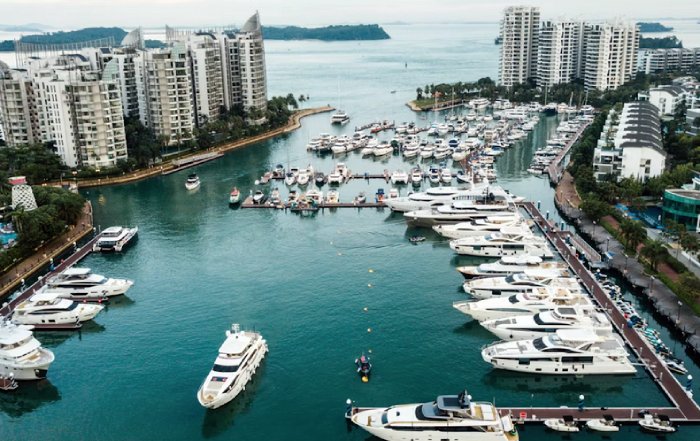
The Blue Economy and Yachting: Luxury, Innovation, and Responsibility Converge
The Blue Economy Comes of Age
The Blue Economy has evolved from a promising policy concept into a mature, measurable and strategically indispensable pillar of global growth, influencing how governments, investors and coastal communities plan their futures. The oceans are now widely understood not only as ecological treasures but as critical economic assets whose long-term viability depends on responsible stewardship. Within this wider transformation, the yachting sector has moved from the periphery of policy discussions into a central, if sometimes understated, role as a catalyst for sustainable coastal development, advanced marine technology and high-value tourism.
What was once viewed almost exclusively as a symbol of private luxury is now increasingly recognized as a complex industrial and service ecosystem. The construction, operation and maintenance of yachts underpin thousands of skilled jobs, from naval architecture and systems engineering to hospitality and destination management. In 2025, the global yachting market was valued at more than 13 billion dollars, and by early 2026 that figure has continued to climb, driven by new orders, refit activity and the rapid expansion of charter fleets. Analysts at organizations such as OECD and Statista have framed this growth as part of a broader "blue value chain," encompassing shipbuilding, marina infrastructure, logistics, digital platforms and specialist services that collectively reinforce coastal resilience and competitiveness. Readers seeking a broader context on these trends can explore the evolving market coverage in the Reviews and Boats sections of yacht-review.com, where individual vessels are assessed not only as products but as nodes in a much larger economic network.
From the Mediterranean and Caribbean to the Pacific coasts of Australia, New Zealand and North America, the presence of yachts has become a reliable indicator of how successfully a coastal region has integrated tourism, infrastructure, regulation and environmental policy. Every marina berth or anchorage used by a yacht represents a convergence point for global capital, local culture and technical expertise. The spending patterns associated with yacht ownership and charter - fuel, provisioning, crew, maintenance, dockage, insurance and shore-side leisure - generate multiplier effects that extend far beyond the port perimeter, sustaining small suppliers, artisanal trades, boutique hotels and specialized service providers. In this sense, yachting has become a practical expression of what the World Bank and United Nations describe as a sustainable Blue Economy, where economic development and ocean health are treated as mutually reinforcing objectives rather than competing priorities. Those interested in the policy dimension can examine how maritime strategies are evolving through resources such as the UN Sustainable Development Goals and related blue growth initiatives.
Coastal Cities, Identity and the Yachting Footprint
The relationship between yachting and coastal cities is no longer defined solely by aesthetics or prestige; it is now a matter of economic identity and strategic positioning. Over recent decades, destinations such as Antibes, Monaco, Cannes, Genoa, Palma de Mallorca, Fort Lauderdale and Auckland have reimagined their waterfronts around superyacht infrastructure, creating high-value clusters that combine shipyards, marinas, brokerage houses, design studios and luxury hospitality. This process has allowed former fishing or cargo ports to diversify into resilient, year-round service economies, reducing their vulnerability to seasonal tourism cycles and single-industry dependence.
In these cities, the presence of large yachts has drawn in parallel investment from real estate developers, fashion and watch brands, fine dining groups and cultural institutions that recognize the spending power and global reach of yacht owners and charter guests. At the same time, municipal authorities have been compelled to modernize utilities, transportation links and environmental protections to meet the expectations of an increasingly discerning international clientele. This has led to waterfront regeneration projects that improve quality of life for residents as much as for visiting yachts, including public promenades, upgraded sewage and waste systems, restored historical districts and enhanced coastal defenses. Readers can follow these developments in greater depth through the Global and Business coverage on yacht-review.com, where the interplay between urban planning, maritime policy and private investment is examined from a global perspective.
The emergence of new yachting hubs across Asia, Africa and South America has further diversified this landscape. In Thailand, marinas around Phuket have become gateways to the Andaman Sea, attracting yachts transiting between the Mediterranean and the Indian Ocean. Singapore has positioned itself as a regional headquarters for yacht management and finance, leveraging its legal and logistical strengths. In South Africa, Cape Town's shipyards and refit yards have become export-oriented centers of excellence, serving clients from Europe, North America and the Middle East. In Brazil, coastal cities such as Rio de Janeiro are integrating yacht tourism into broader strategies for sustainable regional development. These examples illustrate how yachting, when carefully planned and regulated, can support diversified growth in both mature and emerging economies, a theme that resonates strongly with the Blue Economy narratives promoted by institutions like UNCTAD, whose work on ocean-based economies has influenced policy makers worldwide.
The Economic Architecture of Yachting in 2026
Behind every new yacht launch or marina expansion lies a dense network of economic relationships that collectively define the architecture of the modern yachting industry. Shipyards in Italy, France, Germany, the Netherlands, United Kingdom, United States, Turkey and South Korea have refined their production models to accommodate a growing demand for larger, more technologically advanced and more sustainable vessels. Brands such as Benetti, Feadship, Sanlorenzo, Heesen, Sunseeker and Ocean Alexander operate at the intersection of craftsmanship, engineering and environmental innovation, employing highly specialized workforces whose skills are difficult to replicate in other sectors.
A single custom superyacht project can engage hundreds of professionals over several years, from naval architects and propulsion engineers to interior designers, joiners, electricians, IT specialists and commissioning crews. The complexity of integrated systems - from hybrid propulsion and dynamic positioning to advanced navigation and hotel automation - has turned leading shipyards into de facto research and development centers for the wider maritime industry. Many of the technologies tested first on yachts, including lightweight composite structures, battery management systems, waste heat recovery and advanced hull coatings, later find applications in commercial shipping, offshore energy and coastal infrastructure. Those interested in how design and technology intersect at the vessel level can explore the dedicated Design and Technology sections on yacht-review.com, where new launches and concept studies are reviewed with a focus on engineering, efficiency and user experience.
The economic reach of yachting extends well beyond the shipyard gates. Marina operators, crew management firms, charter brokers, legal and tax advisors, classification societies, insurers, financiers and digital service providers all contribute to a sophisticated ecosystem that ensures yachts can operate safely, legally and profitably around the world. International regulations administered by bodies such as the International Maritime Organization and the International Labour Organization shape standards for safety, emissions and crew welfare, while regional frameworks in Europe, North America and Asia-Pacific influence how yachts are flagged, taxed and insured. For a deeper understanding of these regulatory and financial structures, readers may wish to consult resources provided by organizations like the International Maritime Organization at imo.org and the World Bank's work on blue finance.
Digitalization has become a defining feature of the industry's economic architecture. Online platforms now streamline charter bookings, crew recruitment, maintenance scheduling and voyage planning, while data analytics and artificial intelligence are increasingly used to optimize fuel consumption, route selection and onboard energy use. Start-ups specializing in predictive maintenance, satellite connectivity and real-time weather routing are reshaping business models and cost structures, enabling owners and operators to manage fleets more efficiently and sustainably. Coverage in the News section of yacht-review.com regularly tracks these technological shifts and their impact on market dynamics, from the United States and Canada to Germany, United Kingdom, Italy, Spain, Australia and beyond.
Innovation: From Compliance to Core Strategy
Perhaps the most significant evolution in yachting's contribution to the Blue Economy since the early 2020s has been the repositioning of sustainability from a peripheral concern to a core strategic driver. As scientific consensus on climate change and biodiversity loss has deepened, and as regulatory frameworks have tightened, yacht builders, owners and charterers have increasingly accepted that long-term access to pristine cruising grounds depends on demonstrable environmental responsibility. The United Nations' Sustainable Development Goal 14 (Life Below Water) has provided a widely recognized reference point, aligning private sector initiatives with public policy and civil society expectations.
Major shipyards and design studios have responded with a wave of innovation. Hybrid diesel-electric propulsion, battery systems, shore-power connectivity, hydrogen and methanol feasibility studies, advanced hull optimization, solar integration and intelligent energy management are now common themes in new builds and major refits. Companies such as Benetti, Feadship, Sanlorenzo and Sunseeker have invested heavily in research and partnerships to reduce lifecycle emissions and improve resource efficiency, while also exploring circular design principles that consider end-of-life recycling and modular upgrades. Readers can follow these developments in the Sustainability and Technology sections of yacht-review.com, where technical advances are analyzed in the context of regulatory trends and owner expectations.
The design philosophy of yachts has evolved in parallel with these technological shifts. Leading naval architects and interior designers are increasingly asked to create vessels that minimize environmental impact without compromising comfort or aesthetics. This has led to greater use of responsibly sourced timber, recycled metals, low-VOC finishes, natural fibers and high-performance insulation, alongside layouts that maximize natural light and ventilation to reduce reliance on energy-intensive systems. Studios such as Winch Design, Zuccon International Project and Nuvolari Lenard have helped redefine luxury as a combination of elegance, efficiency and ecological sensitivity. Those interested in how these trends intersect with broader design culture can explore additional perspectives through platforms such as Dezeen and Designboom, which increasingly feature sustainable yacht concepts alongside architecture and product design.
Beyond the vessel itself, the wider yachting ecosystem has begun to embrace structured environmental governance. Many marinas now pursue certifications such as Blue Flag or adopt best practices promoted by organizations like the Global Sustainable Tourism Council, integrating waste-water treatment, coastal habitat protection, renewable energy installations and community engagement into their operational models. Charter companies promote low-impact itineraries, encourage slower cruising speeds to reduce fuel consumption, and offer transparent carbon reporting or offset programs. Industry associations and NGOs collaborate on guidelines for plastics reduction, wildlife interaction and anchoring practices in sensitive areas, recognizing that reputational risk and regulatory pressure are rising in parallel. For those seeking to situate these initiatives within the broader sustainability discourse, resources such as the World Resources Institute's work on oceans and coasts provide valuable context.
The early 2020s pandemic played a subtle but important role in accelerating these changes. As international travel restrictions drove affluent travelers toward yachts as self-contained environments, a growing number of owners and guests experienced extended cruising seasons and remote itineraries, which in turn heightened awareness of the fragility of marine ecosystems. By 2026, this has evolved into a more informed and demanding client base, particularly in markets such as the United States, United Kingdom, Germany, France, Italy, Spain, Netherlands, Switzerland, Australia, Canada, China, Japan, Singapore and Nordic countries, where environmental consciousness is strongly embedded in consumer behavior. Surveys by global consultancies such as Deloitte and financial information providers like Bloomberg have highlighted that a majority of high-net-worth individuals now factor environmental and social governance into their purchasing and investment decisions, and yachting is no exception.
Culture, Community and Geopolitics: Yachting as Connector
While the economic and technological dimensions of yachting's role in the Blue Economy are substantial, its cultural and geopolitical impact is equally significant. Yachts, by their very nature, move between jurisdictions, cultures and ecosystems, acting as informal ambassadors of the regions and industries that build, own and operate them. Major events such as the Monaco Yacht Show, Cannes Yachting Festival, Fort Lauderdale International Boat Show, Dubai International Boat Show and Singapore Yacht Show have become important venues not only for commercial transactions but also for dialogue on innovation, regulation and sustainability. Government delegations, NGOs, financiers and technology providers increasingly use these platforms to explore partnerships, announce initiatives and align standards. Coverage of these gatherings in the Events and Community sections of yacht-review.com reflects how the conversation has broadened from pure product showcases to include panels on decarbonization, ocean science and inclusive growth.
Yachting also plays a role in preserving and reinterpreting maritime heritage. Traditional boatbuilding communities in regions such as Bodrum, Venice, Brittany, Cornwall, Scandinavia and Japan have found new relevance by contributing craftsmanship, design language and cultural narratives to contemporary yacht projects. Classic yacht regattas and restoration programs demonstrate that technological progress need not come at the expense of historical continuity. The History and Lifestyle sections of yacht-review.com frequently highlight how owners and shipyards collaborate to maintain this balance, commissioning refits that upgrade safety and efficiency while preserving original lines, materials and character.
Geopolitically, the integration of yachting into national Blue Economy strategies has encouraged regional cooperation. The European Union's Blue Growth agenda, the ASEAN maritime frameworks and national ocean plans in countries such as Norway, Sweden, Denmark, Finland, Singapore, Japan, South Korea, South Africa, Brazil, Malaysia and Thailand increasingly recognize recreational boating and yacht tourism as tools for sustainable development, skill formation and environmental advocacy. In small island developing states, from the Caribbean to the Indian Ocean and the Pacific, yacht visitors provide a relatively low-impact, high-value tourism stream that can support conservation finance, education and community infrastructure when managed responsibly. The UN World Tourism Organization has highlighted yacht and cruise tourism in discussions on sustainable coastal destinations, underlining the need for careful planning, capacity management and environmental safeguards.
At the community level, yachting intersects with education, family life and social inclusion. Maritime academies, vocational colleges and apprenticeship schemes provide pathways into well-paid technical and service careers for young people in coastal regions, from the United States and United Kingdom to Italy, Spain, Greece, Turkey, South Africa and Brazil. Family-oriented charter experiences increasingly emphasize learning about marine biology, local culture and navigation, reflecting a growing demand for travel that is both enriching and responsible. The Family and Travel content on yacht-review.com captures this shift, profiling itineraries and operators that place education, cultural engagement and environmental awareness at the core of the onboard experience.
Yacht-Review.com's Perspective in 2026
From its vantage point as a dedicated digital platform for yacht owners, charterers, industry professionals and enthusiasts, yacht-review.com has witnessed the evolution of the Blue Economy narrative from aspirational rhetoric to operational reality. The site's editorial approach has increasingly emphasized Experience, Expertise, Authoritativeness and Trustworthiness, recognizing that readers - whether in North America, Europe, Asia, Africa or South America - require not only inspiration but also reliable insight as they navigate complex decisions about ownership, chartering, refits, technology adoption and destination selection.
In practice, this means that vessel reviews are framed within broader discussions of efficiency, regulatory compliance and lifecycle impact; design features are assessed in terms of ergonomics, safety and sustainability as much as aesthetics; and cruising guides highlight local communities, conservation areas and cultural heritage alongside anchorages and marinas. The Cruising and Travel sections, for example, increasingly focus on routes that distribute economic benefits across multiple ports, minimize environmental footprint and respect local customs and regulations. The Business and Global pages analyze market data, regulatory trends and investment flows with an eye toward helping industry stakeholders make informed, responsible decisions.
Trustworthiness also depends on acknowledging challenges. Overcrowding in popular cruising regions, pressures on fragile ecosystems, waste management, emissions, crew welfare and geopolitical tensions all pose risks to the long-term viability of yachting as a positive force within the Blue Economy. Yacht-review.com has made it a priority to address these topics openly, drawing on expert commentary and best-practice examples rather than ignoring or minimizing them. By highlighting initiatives such as hydrogen-powered prototypes, digitalized port management systems, marine protected area partnerships and science-supporting expeditions, the platform seeks to demonstrate that workable solutions exist and are already being implemented.
Looking Ahead: Luxury as Legacy
As 2026 unfolds, the relationship between yachting and the Blue Economy continues to deepen and diversify. The sector's capacity to generate high-value employment, drive technological innovation, support coastal regeneration and promote ocean literacy is now widely recognized across governments and industry bodies. At the same time, the expectations placed upon yacht owners, builders, operators and guests are rising, particularly in regions such as United States, United Kingdom, Germany, France, Italy, Spain, Netherlands, Switzerland, Canada, Australia, China, Japan, Singapore, Nordic Europe, Middle East and emerging hubs in Africa and South America, where environmental and social accountability are increasingly embedded in business and personal decision-making.
In this context, the meaning of luxury itself is being redefined. For a growing number of stakeholders, the true value of a yacht lies not only in its design, performance or comfort, but in the legacy it leaves - for the marine environments it visits, the communities it touches and the people whose skills and passion make yachting possible. When viewed through the lens of the Blue Economy, yachts become more than private assets; they become platforms for innovation, cultural exchange, education and stewardship.
From its position at the intersection of design, technology, cruising and business, yacht-review.com remains committed to documenting and shaping this transition. By offering in-depth analysis, grounded expertise and a global perspective, the platform aims to support a future in which yachting's contribution to the Blue Economy is measured not only in economic terms but also in knowledge, resilience and respect for the sea.