Australia to Asia: The Rise of Pan-Pacific Expedition Cruises

Last updated by Editorial team at yacht-review.com on Thursday 22 January 2026
Australia to Asia The Rise of Pan-Pacific Expedition Cruises

Pan-Pacific Expedition Cruising: How Australia-Asia Routes Are Redefining Ocean Luxury

A New Era for Ocean Exploration

The distinction between leisurely coastal cruising and deep expeditionary voyaging has largely dissolved, particularly across the Asia-Pacific region, where a new generation of Pan-Pacific expedition cruises is reshaping how discerning travelers experience the sea. From the sculpted cliffs of the Kimberley in Western Australia to the coral mosaics of Indonesia, and northward through the volcanic arcs of Japan and the Philippines, these journeys have become a proving ground for a new definition of luxury that blends adventure, scientific curiosity, cultural immersion, and environmental responsibility. For the editorial team at Yacht-Review.com, which has followed this evolution closely in its cruising coverage, the Australia-Asia corridor now stands as one of the most dynamic laboratories for what the future of high-end ocean travel can be.

Where once the region's cruise market was dominated by large liners shuttling between Sydney, Singapore, and Hong Kong, the narrative is now driven by smaller, highly specialized vessels that prioritize experience over capacity. Boutique expedition operators, owner-operated yachts, and hybrid cruise-research ships are serving a clientele that values authenticity, scientific engagement, and sustainability more than spectacle. This shift is not merely a matter of hardware and itineraries; it reflects a deeper psychological change in post-pandemic luxury travel, in which remoteness, meaning, and personal transformation have eclipsed conspicuous consumption. In this environment, the Asia-Pacific has become a crucible for new standards in design, technology, and stewardship, themes that increasingly shape the editorial agenda across Yacht-Review.com's reviews, design features, and business analysis.

Australia's Northern Frontier as Expedition Gateway

Australia's maritime identity, historically anchored in trade, migration, and coastal cruising, has been rewired around an expedition ethos that radiates from the nation's northern ports. Darwin, Broome, and Cairns have emerged as strategic gateways to some of the planet's most remote marine environments, and they now function as staging points for itineraries that blend wilderness immersion with scientific and cultural depth. The Kimberley Region, with its towering sandstone escarpments, tidal waterfalls, and galleries of ancient Aboriginal rock art, has become a flagship destination in the global eco-expedition market and a recurring reference point in Yacht-Review.com's regional travel coverage.

Luxury expedition operators such as Scenic Luxury Cruises & Tours and Coral Expeditions have pioneered routes that link Australia's northern coastline with Timor-Leste and Indonesia's Raja Ampat, curating experiences where guests might spend a morning navigating crocodile-rich estuaries with naturalists and an evening in conversation with indigenous custodians about traditional ecological knowledge. These programs are increasingly designed in consultation with local communities and scientific partners, reflecting a new expectation among high-end travelers for verifiable impact and credible expertise. Industry bodies such as Cruise Lines International Association (CLIA) have identified expedition cruising as the fastest-growing segment of the global market, with the Asia-Pacific leading in small-ship deployments and year-round itineraries, a trend that aligns with broader patterns tracked by organizations like the UN World Tourism Organization and informs strategic decisions across the sector.

Northward into the Coral Triangle and Beyond

From northern Australia, the logical expansion of expedition itineraries is into the biodiverse heart of the Coral Triangle, spanning Indonesia, the Philippines, and parts of Malaysia and Papua New Guinea. Often compared to the Amazon rainforest for its ecological significance, this region hosts the highest concentration of coral and reef fish species on Earth and has become a touchstone for travelers seeking a more purposeful relationship with the ocean. Operators such as True North Adventure Cruises and Aqua Expeditions have crafted voyages that situate guests within living laboratories, where each dive or snorkel session doubles as an opportunity to contribute to ongoing marine research.

Raja Ampat, now widely regarded as one of the world's premier marine conservation success stories and a candidate for expanded UNESCO protection, exemplifies this approach. Expedition vessels equipped with hybrid propulsion and advanced waste-management systems limit their environmental footprint while offering guests the chance to participate in coral restoration programs, reef health monitoring, and citizen-science initiatives. These activities dovetail with global efforts led by organizations such as the Coral Triangle Initiative and underscore how expedition cruising can evolve into an instrument of conservation rather than a threat to fragile ecosystems. The editorial team at Yacht-Review.com has increasingly highlighted these initiatives in its sustainability reporting, recognizing that serious owners, charterers, and investors now consider ecological integrity a core dimension of yacht value.

Farther north, itineraries extend into the Philippines, Vietnam, and the contested yet increasingly managed spaces of the South China Sea, where limestone karsts, submerged caves, and traditional fishing communities provide rich material for cultural and environmental storytelling. Here, cooperation between regional tourism boards, port authorities, and private yacht operators is slowly building a Pan-Pacific tourism framework that aims to support local economies without repeating the mistakes of mass tourism. Institutions such as the World Bank and regional development agencies have taken note, integrating sustainable maritime tourism into broader blue economy strategies that affect infrastructure investment and regulatory reform.

Redefining Expedition Luxury for a Post-Excess Era

The vessels that now traverse these routes embody a new synthesis of rugged capability and refined comfort. Ships such as Ponant Le Soléal and Seabourn Pursuit represent a hybrid typology: ice-capable hulls and Zodiac garages married to Michelin-level gastronomy, wellness suites, and onboard research facilities. Yet the essence of their appeal lies less in material opulence than in the narrative richness of the journey. Guests might wake to kayak alongside whale sharks in Cenderawasih Bay, spend the afternoon attending a lecture on reef resilience delivered by a visiting scientist, and close the day with a tasting menu built around locally sourced ingredients.

This experiential focus reflects what analysts now describe as a "post-luxury" mindset, where value is measured in access, insight, and transformation rather than in excess. National Geographic Expeditions, in partnership with Lindblad Expeditions, has been instrumental in defining this model, blending photography workshops, scientific fieldwork, and community engagement across routes that include Papua New Guinea, Sulawesi, and Palau. For the readership of Yacht-Review.com, many of whom are experienced yacht owners or frequent charter clients, these developments raise important questions about how design, layout, and onboard programming must evolve to meet expectations that are simultaneously more demanding and more principled, a topic explored regularly in the site's design features.

Technology, Decarbonization, and the New Expedition Platform

Underpinning this transformation is a rapid acceleration in maritime technology, much of it driven by the imperative to decarbonize and the heightened scrutiny of affluent travelers who expect credible sustainability credentials. Companies such as ABB Marine & Ports and Rolls-Royce Power Systems are deploying battery-electric hybrid solutions that allow vessels to operate in silent, zero-emission mode when entering sensitive marine reserves or anchoring near coastal communities. At the same time, the Ulstein Group's X-BOW® hull form has become a reference design for expedition ships seeking improved fuel efficiency, reduced slamming in heavy seas, and lower overall emissions.

In Australia, the Port of Darwin and specialist yards in Western Australia and Queensland are positioning themselves as regional hubs for green retrofits and next-generation expedition builds, while Keppel Offshore & Marine in Singapore continues to transition from traditional offshore energy work toward clean maritime solutions. These developments are occurring within a regulatory framework shaped by the International Maritime Organization (IMO) and its decarbonization targets, and they are closely watched by technical stakeholders and investors who follow marine innovation through sources such as the International Chamber of Shipping and are increasingly turning to dedicated platforms like Yacht-Review.com's Technology section for sector-specific analysis.

Onboard, AI-driven energy management systems, advanced water treatment, and closed-loop waste management are rapidly becoming standard expectations for serious expedition platforms. These technologies not only reduce environmental impact but also enhance operational resilience and long-term asset value, a point that resonates strongly with the business-focused audience that follows Yacht-Review.com's industry and finance coverage.

Cultural Immersion as Strategic Differentiator

As environmental performance becomes a baseline expectation rather than a differentiator, cultural immersion and ethical engagement with host communities have emerged as key markers of quality. In northern Australia, partnerships with indigenous organizations such as the Wunambal Gaambera Aboriginal Corporation enable expedition guests to access rock art sites, learn about seasonal resource management, and understand the cosmologies that have shaped these landscapes for tens of thousands of years. These collaborations are predicated on consent, co-design of visitor protocols, and revenue-sharing arrangements that help fund heritage protection.

Across Indonesia, operators including Aqua Expeditions and Silversea work with local cooperatives to source fresh produce, seafood, and artisanal goods, ensuring that the economic benefits of high-end tourism flow beyond the ship's hull. Training programs in maritime hospitality and technical skills provide career pathways for young residents of remote islands, reinforcing the social license on which long-term expedition operations depend. In the Philippines, the Department of Tourism has intensified its engagement with select expedition lines to promote heritage villages, marine sanctuaries, and craft traditions, aligning tourism development with national cultural policy and marine protection strategies that echo frameworks promoted by bodies such as UNESCO.

For Yacht-Review.com, which has increasingly foregrounded maritime heritage and local perspectives in its history features, these community partnerships are not peripheral stories but central components of an emerging best-practice model for responsible yachting and small-ship cruising.

Economic Multipliers and the Blue Economy

The rise of Pan-Pacific expedition cruising has also altered the economic geography of the region, particularly for smaller ports and coastal communities that previously sat at the margins of mainstream tourism. Unlike large cruise ships that often rely on offshore provisioning and self-contained shore excursions, expedition vessels depend on local logistics, small-scale suppliers, and tailor-made experiences. This creates a more distributed economic footprint, with higher value per visitor and greater potential for local entrepreneurship.

In Australia, data from Tourism Research Australia highlight the substantial contribution of expedition cruises to regional economies, while in Indonesia, the Philippines, and Pacific Island states, similar patterns are emerging as boutique accommodations, dive operations, and cultural tourism enterprises grow around anchor ports. Institutions such as the Asian Development Bank (ADB) and national entities like Australia's Northern Australia Infrastructure Facility (NAIF) have begun to incorporate small-ship and yacht-based tourism into infrastructure planning, financing low-impact piers, tender docks, and reception facilities designed specifically for expedition-class vessels. These investments are increasingly tied to environmental and social performance indicators, reflecting global shifts in ESG-focused capital allocation documented by organizations such as the OECD.

From a business perspective, which remains a core interest of the Yacht-Review.com community, the Pan-Pacific expedition sector demonstrates how carefully curated, low-volume tourism can deliver robust returns while mitigating the reputational and regulatory risks associated with mass-market cruising. The site's global analysis has repeatedly underscored that this model could provide a template for other regions, from the Arctic to the South Atlantic.

Private Expedition Yachts and Bespoke Exploration

Parallel to the growth of commercial expedition lines, a distinct but interconnected movement has taken shape among private yacht owners who are commissioning vessels designed explicitly for long-range, research-capable exploration. In Western Australia, builders such as SilverYachts and Echo Yachts have emerged as leaders in this space, delivering yachts that combine commercial-grade engineering with bespoke interiors and extended autonomy. These platforms often include helidecks, submersibles, dive centers, and laboratory spaces, enabling owners and charter guests to undertake scientific collaborations, film projects, or philanthropic missions alongside leisure cruising.

For the audience of Yacht-Review.com, which includes both prospective owners and experienced charterers, this trend raises sophisticated questions about hull form selection, ice or tropical rating, crew composition, and onboard data systems. It has also blurred the boundary between private yachting and professional expedition cruising, as many of these vessels enter the charter market for part of the year, offering itineraries through Indonesia's Spice Islands, Papua New Guinea, and the broader Western Pacific that rival or exceed the scope of commercial offerings. Reviews and case studies in the site's boats and reviews sections increasingly focus on these hybrid platforms, emphasizing not only aesthetics and comfort but also operational philosophy and scientific or community partnerships.

Family, Education, and Multigenerational Travel

One of the most significant demographic shifts visible by 2026 is the rise of multigenerational expedition travel. Families from North America, Europe, and Asia are choosing Pan-Pacific routes as immersive classrooms where children and grandparents share experiences that blend adventure, education, and reflection. Operators such as Lindblad Expeditions and Scenic Eclipse have responded with programming that includes youth-oriented science workshops, intergenerational cultural encounters, and guided activities tailored to varying levels of mobility and comfort.

This trend aligns with broader research on experiential and educational travel published by institutions like the World Travel & Tourism Council, and it has particular resonance for Yacht-Review.com readers who view yachting as a means of transmitting values and knowledge across generations. The site's family-focused coverage increasingly highlights how expedition cruising can function as a long-term investment in global literacy, environmental awareness, and shared memory, rather than a one-off luxury purchase.

Data, AI, and the Intelligent Expedition Vessel

Behind the scenes, the safety, efficiency, and environmental performance of these voyages are increasingly governed by sophisticated digital systems. Navigation suites from providers such as Navtor, Furuno, and Raymarine integrate satellite imagery, real-time weather data, and bathymetric charts to optimize routes across complex archipelagos and shallow reef systems. AI-driven algorithms adjust speed, trim, and power usage to balance fuel efficiency with comfort and schedule reliability, while predictive maintenance platforms monitor engines, generators, and critical systems to minimize unplanned downtime.

These advances are not purely operational; they also enable a new level of transparency that travelers and regulators now expect. Some operators provide guests with access to live dashboards displaying fuel consumption, emissions, and energy recovery, reinforcing the sense that they are participating in a shared stewardship project. At the same time, onboard laboratories and sensor arrays contribute valuable data to global research networks coordinated by organizations such as the World Wildlife Fund (WWF) and Ocean Conservancy, helping to fill critical gaps in ocean monitoring. For the technology-focused readership of Yacht-Review.com, these developments underscore how expedition vessels are evolving into intelligent, networked platforms that sit at the intersection of maritime engineering, data science, and environmental governance, a theme explored in depth in the site's technology coverage.

Culinary and Lifestyle Dimensions of the Expedition Experience

While technology and sustainability may define the structural framework of Pan-Pacific expedition cruising, lifestyle and gastronomy remain central to its emotional appeal. Onboard culinary teams increasingly collaborate with local producers, fishers, and chefs to craft menus that reflect the geographic arc of each voyage, from Australian native ingredients and Japanese regional cuisines to Indonesian spices and Pacific Island traditions. Partnerships with certified sustainable fisheries, often aligned with standards set by bodies such as the Marine Stewardship Council (MSC), reassure guests that their culinary experiences are consistent with the environmental values that drew them to expedition travel in the first place.

Wine and beverage programs mirror this regional focus, showcasing Australian and New Zealand vintages, emerging Chinese and Japanese labels, and artisanal spirits from across Southeast Asia. For many travelers, these sensory narratives become as memorable as encounters with whale sharks or remote atolls, reinforcing the idea that luxury is as much about context and story as it is about ingredients. In its lifestyle coverage, Yacht-Review.com has noted how this integrated approach to food, design, and wellness is influencing both custom yacht interiors and the onboard concepts of new-build expedition ships.

Governance, Cooperation, and the 2030 Horizon

Looking toward 2030, the Pan-Pacific expedition network is poised to become an even more integrated corridor stretching from Western Australia and New Zealand through Southeast Asia to Japan and the Russian Far East. Realizing this vision will depend on continued cooperation among governments, industry bodies, and civil society organizations. Frameworks such as the Australia-ASEAN Maritime Dialogue, regional conservation corridors like the Coral Sea Heritage Corridor, and the work of entities such as the Pacific Tourism Organisation (SPTO) are gradually aligning environmental standards, port regulations, and community benefits across multiple jurisdictions.

At the same time, shipbuilders in Australia, South Korea, Japan, and Singapore are accelerating research into alternative fuels such as green methanol, hydrogen, and ammonia, supported by global decarbonization initiatives and research partnerships catalogued by platforms like the Global Maritime Forum. Digital transparency, including blockchain-verified sustainability reporting and real-time emissions tracking, is expected to become standard practice, giving travelers, regulators, and investors unprecedented visibility into the true impact of their journeys.

For Yacht-Review.com, which has grown into a trusted reference point for owners, operators, and professionals across North America, Europe, and Asia, the Pan-Pacific expedition story is more than a regional travel trend; it is a blueprint for how the global yachting and small-ship sectors can reconcile exploration with responsibility. Across its news, global, and community sections, the platform will continue to document how Australia and Asia, once connected primarily by trade winds and merchant routes, are now linked by a shared commitment to a more thoughtful, regenerative relationship with the sea.

In this emerging paradigm, the ocean is no longer a backdrop for leisure but a living, complex partner in a continuous exchange of knowledge, culture, and care. For business leaders, designers, technologists, and travelers who follow Yacht-Review.com, the rise of Pan-Pacific expedition cruising offers both inspiration and a challenge: to ensure that the next decade of maritime innovation deepens that partnership rather than diminishes it.

Scandinavian Influence: How Norway and Sweden Shape Modern Hotel Aesthetics

Last updated by Editorial team at yacht-review.com on Thursday 22 January 2026
Scandinavian Influence How Norway and Sweden Shape Modern Hotel Aesthetics

Nordic Elegance in Global Hospitality: How Scandinavian Aesthetics Are Redefining Luxury on Land and at Sea

Scandinavian aesthetics stand at the center of a profound shift in how luxury hospitality is conceived, delivered, and experienced worldwide. What began as a regional design language rooted in the landscapes and cultural values of Norway and Sweden has matured into a global benchmark for understated elegance, ethical responsibility, and human-centered comfort. For the international readership of Yacht-Review.com, this evolution is especially resonant, because the same Nordic principles guiding the reinvention of hotels and resorts are increasingly shaping yacht interiors, marina developments, and oceanfront hospitality from North America to Asia.

Scandinavian design, with its emphasis on clarity, proportion, and authenticity, first captured international attention in the mid-twentieth century through the work of pioneers such as Alvar Aalto, Arne Jacobsen, and Bruno Mathsson, whose "form follows function" philosophy redefined how beauty and usability could coexist. Their legacy is now visible not only in iconic furniture and architecture, but also in the way contemporary hoteliers, shipyards, and designers think about experience as a holistic journey. On Yacht-Review.com, this journey is reflected in the way yacht interiors and hospitality concepts are assessed in the design features and reviews, where Scandinavian influence has become impossible to ignore.

Today, as climate urgency, digital transformation, and shifting traveler expectations converge, Nordic aesthetics offer a coherent framework that aligns experience, expertise, authoritativeness, and trustworthiness. They provide a model of luxury that is emotionally intelligent, technologically advanced, and environmentally responsible-qualities that discerning owners, charter clients, and hotel guests across Europe, North America, Asia, and beyond now regard as non-negotiable.

Nature as First Principle: From Nordic Landscapes to Global Hospitality

At the heart of Norwegian and Swedish design lies an unambiguous reverence for nature, expressed not as a decorative theme but as a structural principle. The fjords of western Norway, the archipelagos of Sweden, and the forests stretching across Scandinavia have shaped a design culture in which materials, light, and space are orchestrated to echo the calm, clarity, and resilience of the natural world. Hotels such as The Thief in Oslo and Ett Hem in Stockholm use birch, oak, wool, stone, and linen in ways that feel both elemental and sophisticated, creating interiors that are visually quiet yet sensorially rich.

This nature-first mindset has become a key differentiator in global hospitality. Properties in the United States, Germany, Australia, Japan, and Singapore now emulate Nordic biophilic strategies, prioritizing daylight, views, and natural textures to reduce stress and enhance well-being. The design goal is not to imitate Scandinavian landscapes, but to translate their emotional qualities into context-sensitive environments, whether in a coastal resort in Thailand or an alpine lodge in Switzerland. Parallel developments are visible at sea, where yacht designers are opening interiors to the horizon through larger glazing, lighter palettes, and a more seamless relationship between decks and water, themes often highlighted in Yacht-Review.com's cruising coverage.

Crucially, the Nordic connection to nature is inseparable from a deep commitment to sustainability. Scandinavian hotels increasingly integrate lifecycle thinking into every phase of development, from sourcing FSC-certified timber to embedding low-carbon structural systems and smart energy management. Certifications such as BREEAM and LEED have become commonplace among leading Nordic properties, not as marketing badges but as operational baselines. Globally, this approach is influencing resort developments in Canada, New Zealand, and South Africa, where investors and regulators now expect measurable environmental performance. For readers who follow similar shifts in yacht building and marina infrastructure, the sustainability section of Yacht-Review.com chronicles how Nordic thinking is reshaping eco-conscious design at sea.

Human-Centered Comfort: Hygge, Lagom, and the Psychology of Space

Despite its reputation for minimalism, Scandinavian design has never been about austerity. It is, at its core, about people. Concepts like "hygge"-the Danish and Norwegian term associated with warmth, intimacy, and everyday comfort-and "lagom", the Swedish ideal of balance and moderation, have become shorthand for an emotional design philosophy that prioritizes how spaces make people feel. Hotels such as Juvet Landscape Hotel in Valldal and Treehotel in Harads demonstrate how a restrained palette and uncluttered layouts can create profound psychological ease, replacing visual noise with spatial clarity.

This human-centered ethos is increasingly supported by research in environmental psychology and wellness. Organizations such as the World Health Organization and design-focused think tanks like the World Green Building Council have highlighted how daylight, acoustics, air quality, and material tactility affect sleep, cognition, and emotional stability. Learn more about healthy indoor environments on World Green Building Council's website. Scandinavian hotels have been early adopters of these insights, integrating them into everything from room layout to bedding choices and lighting strategies.

For the yachting community, these principles are equally relevant. Onboard spaces that minimize visual clutter, optimize circulation, and prioritize tactile comfort are increasingly preferred by owners from Italy, Spain, the Netherlands, and the United Kingdom, who associate luxury with calm rather than ostentation. In Yacht-Review.com's lifestyle features, this shift is evident in the growing interest in wellness-focused yachts, spa decks, and contemplative lounges that mirror the serene atmospheres of the best Scandinavian hotels.

Light as Material: Seasonality and Emotional Atmosphere

No discussion of Nordic aesthetics is complete without addressing light. The extreme seasonal variations in Norway and Sweden-from the near darkness of winter to the endless days of summer-have trained generations of architects and designers to treat light as a precious and malleable material. Hotels throughout the region leverage expansive glazing, carefully modeled apertures, and layered artificial lighting to create interiors that respond to changing skies and circadian rhythms.

Designers such as Ilse Crawford and Claesson Koivisto Rune, and lighting manufacturers like Louis Poulsen, have helped codify an approach in which illumination is soft, indirect, and warm, avoiding glare and harsh contrasts. This approach has been widely adopted by international hospitality projects, from boutique hotels in London and Berlin to high-rise properties in Seoul and Shanghai, where lighting designers now work closely with neuroscientists and engineers to develop schemes that support rest and recovery. The International WELL Building Institute has been instrumental in defining standards for such human-centric lighting; readers can explore its guidelines on wellcertified.com.

In the maritime realm, advances in LED technology and control systems have enabled similar sophistication aboard yachts and expedition vessels. As documented in Yacht-Review.com's technology analyses, Scandinavian-inspired lighting strategies now play a central role in reducing energy consumption while enhancing onboard ambiance, especially on long-range cruisers operating in high-latitude waters where natural light is highly variable.

Heritage Reimagined: Adaptive Reuse and Architectural Integrity

One of the most persuasive expressions of Scandinavian design maturity is its capacity to reconcile heritage and innovation. Across Oslo, Stockholm, Copenhagen, and other Nordic cities, historic buildings are being transformed into contemporary hotels that honor their origins while meeting twenty-first-century expectations for comfort and efficiency. The Amerikalinjen Hotel in Oslo, once the headquarters of a transatlantic shipping line, and the Nobis Hotel Stockholm, housed in a former bank, are emblematic of this trend, preserving original structural and decorative elements while introducing calm, modern interiors.

This approach aligns with global movements in adaptive reuse and circular construction, which organizations such as the Ellen MacArthur Foundation and UN Environment Programme have identified as critical to reducing the carbon footprint of the built environment. Learn more about sustainable business practices on Ellen MacArthur Foundation's website. By extending the life of existing buildings, Scandinavian hoteliers demonstrate that environmental responsibility and cultural continuity can reinforce one another.

For the Yacht-Review.com audience, this philosophy finds a parallel in the refit and conversion sector, where classic vessels are being modernized rather than scrapped. The same respect for original lines, combined with updated systems and interiors, is evident in many of the projects covered in the site's business and innovation section, underscoring a broader industry move toward preservation over replacement.

Craftsmanship, Materiality, and the Pursuit of Authenticity

Scandinavian aesthetics are inseparable from the region's deep-rooted tradition of craftsmanship. Designers such as Hans Wegner, Carl Malmsten, and Greta Magnusson Grossman helped establish a culture in which every joint, seam, and surface is considered, and where the tactile qualities of wood, leather, and textile are as important as their visual appearance. In hotel interiors from Copenhagen to New York, their influence is evident in the continuing popularity of finely crafted chairs, tables, and lighting that feel timeless rather than fashionable.

In leading Norwegian and Swedish hotels, this devotion to material integrity manifests in custom joinery, handwoven rugs, and locally produced ceramics that ground each property in its region. Guests in France, Italy, Canada, and Brazil increasingly recognize and value this authenticity, associating it with durability, transparency, and ethical production. The same sensibility is reshaping expectations in the superyacht market, where owners now ask not only about the appearance of materials, but also about sourcing, traceability, and long-term performance. These questions are frequently addressed in Yacht-Review.com's boats coverage, which examines how Scandinavian-inspired craftsmanship is influencing fit-out standards from Germany to South Korea.

Discreet Technology: Smart Systems, Quiet Luxury

As hospitality and yachting enter an era defined by data, automation, and artificial intelligence, Scandinavian design offers a compelling model for integrating technology without sacrificing warmth or visual calm. Properties such as At Six Hotel in Stockholm and Clarion Hotel The Hub in Oslo use smart controls, occupancy sensors, and energy management platforms that are largely invisible to guests, embedded behind natural finishes and intuitive interfaces. Technology is present, but not performative; it supports rather than dominates.

This philosophy is increasingly mirrored aboard yachts, where complex navigation, stabilization, and hotel systems are concealed behind minimalist interiors. Owners from the United States, the United Kingdom, China, and Singapore are embracing this "quiet tech" approach, favoring seamless, app-based control over visible hardware. The result is a new expression of luxury in which convenience and personalization are expected, yet the overall aesthetic remains calm and human. Yacht-Review.com documents these developments extensively in its technology section, highlighting the convergence between Nordic hospitality and advanced marine engineering.

Sustainability as Identity, Not Strategy

By 2026, sustainability is no longer a differentiator in Scandinavian hospitality; it is a baseline expectation and a core component of brand identity. Projects such as Svart Hotel in Norway, designed by Snøhetta as an energy-positive destination, and Arctic Bath Hotel in Sweden, constructed from locally harvested timber and floating on the Lule River, embody an approach in which architecture, landscape, and ecology are conceived as a single system. These properties are designed to generate more energy than they consume, minimize material waste, and foster local economic resilience.

Internationally, this model is influencing resorts in Thailand, Malaysia, South Africa, and Chile, where developers are increasingly judged by their ability to deliver measurable environmental and social value. Institutions like the World Tourism Organization (UNWTO) have reinforced this trend by promoting regenerative tourism frameworks that go beyond "do no harm" to "leave a place better." Readers can explore these frameworks further on UNWTO's website.

For yachting, the implications are clear. Owners and charter guests from Switzerland, the Netherlands, Japan, and Australia are asking more detailed questions about fuel efficiency, alternative propulsion, and onboard waste management. The Nordic mindset-where environmental performance is integral to design, not an optional add-on-is increasingly reflected in the hybrid and electric yachts, shore-power-ready marinas, and low-impact cruising itineraries featured in Yacht-Review.com's sustainability coverage.

Urban Nordic: Community, Culture, and Lifestyle Hotels

While remote landscape hotels often capture the imagination, the most dynamic testing ground for Scandinavian aesthetics is arguably the urban environment. In Stockholm, Gothenburg, Oslo, and Copenhagen, hospitality concepts such as Hobo Hotel Stockholm and Comfort Hotel Grand Central Oslo have blurred the line between hotel, coworking space, cultural venue, and neighborhood hub. Their interiors are designed not only for overnight guests, but also for local residents, freelancers, and creatives who use lobbies and lounges as extensions of their living and working spaces.

This community-oriented approach is increasingly influential in cities like New York, London, Berlin, Barcelona, and Singapore, where "lifestyle hotels" emphasize social connection, cultural programming, and inclusivity. Scandinavian aesthetics support this model by offering flexible, modular spaces that can adapt to events, exhibitions, and informal gatherings while maintaining visual coherence. On Yacht-Review.com, similar themes surface in the global section, where the site examines how marinas, yacht clubs, and waterfront developments are evolving into mixed-use social ecosystems rather than exclusive enclaves.

Maritime DNA: Scandinavian Design at Sea

For a platform dedicated to the world of yachts and maritime lifestyle, the convergence between Scandinavian hospitality and nautical design is particularly significant. Both Norway and Sweden possess centuries-old seafaring traditions, and their contemporary design cultures often reference this heritage through a focus on navigation, horizon lines, and the sensory experience of water. The interiors of vessels influenced by Nordic aesthetics-whether custom superyachts or expedition cruise ships-tend to favor open sightlines, light woods, low-sheen finishes, and a close visual relationship with the sea.

Shipowners and builders across Europe, Asia, and North America have increasingly turned to Scandinavian studios such as Snøhetta, Wingårdhs, and Space Copenhagen to design or consult on maritime projects. The new generation of coastal cruise ships operating in Norway, including those of Havila Voyages, demonstrates how Nordic hospitality principles can be scaled up without losing intimacy: panoramic lounges, quiet cabins, and regionally sourced materials all contribute to a sense of place and purpose. Yacht-Review.com regularly highlights these crossovers in its cruising and reviews, underscoring how land-based design innovations migrate onto the water.

Emotional Minimalism and the Future of Luxury

Perhaps the most enduring contribution of Scandinavian aesthetics to global hospitality is the redefinition of luxury itself. In an era characterized by digital saturation, geopolitical uncertainty, and environmental anxiety, many travelers from the United States, United Kingdom, Germany, China, and the Middle East no longer equate luxury with excess. Instead, they seek experiences that offer psychological clarity, sensory balance, and ethical coherence. Nordic design answers this demand through what might be called emotional minimalism: a disciplined restraint that leaves room for reflection, connection, and meaning.

Hotels like Hotel Brosundet and Miss Clara Hotel in Stockholm exemplify this new paradigm. They avoid spectacle in favor of proportion, natural light, and carefully curated details; they favor narrative over novelty. The same is true of the most compelling yachts profiled on Yacht-Review.com, where owners are increasingly drawn to interiors that feel like calm, livable sanctuaries rather than floating showpieces. For readers interested in how these sensibilities have evolved over time, the site's history section traces the gradual shift from ornate, compartmentalized vessels to the open, light-filled layouts that dominate 2026.

A Global Language with Nordic Roots

By 2026, the Scandinavian aesthetic has become a shared design language that transcends borders while retaining its ethical and cultural core. From boutique hotels in California and Barcelona, to eco-resorts in Thailand and Costa Rica, to superyachts cruising the coasts of Italy, Greece, and Croatia, the influence of Norwegian and Swedish design is unmistakable. International brands such as IKEA, Muuto, and Hay have familiarized a global audience with Nordic forms and materials, making it easier for hoteliers and yacht designers to adopt and adapt these principles to local contexts.

What distinguishes genuine Scandinavian-inspired projects from superficial imitations, however, is the depth of commitment to the underlying values: respect for nature, investment in craftsmanship, human-centered comfort, and a long-term view of sustainability. These are precisely the values that Yacht-Review.com emphasizes across its news and analysis, where design is always considered in relation to operational reality, regulatory trends, and user experience.

As climate pressures intensify and expectations for responsible luxury continue to rise across Europe, Asia, Africa, South America, and North America, the Nordic model offers a roadmap that is both aspirational and practical. It shows that beauty, comfort, and innovation need not be at odds with environmental stewardship and social responsibility.

For the global community of yacht owners, charter guests, designers, and industry professionals who rely on Yacht-Review.com, the ongoing evolution of Scandinavian aesthetics is more than a design trend. It is a lens through which to evaluate future investments, partnerships, and experiences-on land, at sea, and in the liminal spaces where hospitality and maritime culture meet.

Worldwide Comparison of Luxury Yachts: From the Mediterranean to the South Pacific

Last updated by Editorial team at yacht-review.com on Thursday 22 January 2026
Worldwide Comparison of Luxury Yachts From the Mediterranean to the South Pacific

Global Luxury Yachting: How the World's Oceans Are Redefining Prestige, Technology, and Responsibility

Luxury yachting stands at a point where heritage, technology, and environmental responsibility converge, and nowhere is this more evident than in the way owners, charterers, and shipyards now approach the sea as both a sanctuary and a stage. For the editorial team at Yacht Review, which has followed this evolution across decades, the industry's transformation is no longer a distant forecast but a lived reality observed in marinas from Monaco to Miami, from Singapore to Sydney. What was once a largely Eurocentric world of seasonal cruising in the Mediterranean and Caribbean has expanded into a genuinely global ecosystem, in which design philosophies, technological breakthroughs, and cultural expectations circulate as freely as the currents that connect the world's oceans.

This global rebalancing is driven by a combination of shifting wealth, heightened environmental awareness, and rapid advances in digital and propulsion technologies. Traditional powerhouses in Germany, Italy, the Netherlands, and the United States now compete and collaborate with rapidly advancing shipyards in Turkey, China, South Korea, and Australia, while new cruising regions in the Indian Ocean, Southeast Asia, Latin America, and Africa draw discerning owners away from the familiar and into the extraordinary. Throughout this transition, Yacht Review has increasingly focused on the pillars of experience, expertise, authoritativeness, and trustworthiness, ensuring that its global readership can navigate not only oceans, but also the complex decisions that accompany ownership, chartering, and investment.

Those decisions are no longer framed solely around length overall or interior opulence. In 2026, hybrid propulsion, hydrogen-readiness, AI-assisted navigation, and verifiable sustainability credentials are central to the conversation. Readers who follow developments via Yacht Review Technology are acutely aware that the modern superyacht is as much a floating innovation laboratory as it is a private retreat. At the same time, the emotional core of yachting-freedom, privacy, and connection with nature-remains unchanged, and it is this duality that defines the market's most compelling narratives today.

The Mediterranean: Heritage, Innovation, and the Benchmark of Prestige

The Mediterranean Sea continues to provide the visual and cultural shorthand for luxury yachting, and in 2026 it remains the industry's reference point for both design and lifestyle. Iconic ports such as Monaco, Saint-Tropez, Cannes, Capri, and Ibiza retain their magnetism for owners from the United States, United Kingdom, Germany, France, Italy, and beyond, yet the experience has evolved from mere display of wealth into a more nuanced expression of taste, technology, and environmental awareness.

European builders including Feadship, Benetti, Heesen, Sanlorenzo, and the wider Azimut-Benetti Group dominate the visible fleet, but the nature of their offerings has changed significantly over the past five years. Hybrid diesel-electric propulsion, energy-recovery systems, solar-assist panels integrated into superstructures, and advanced hull forms designed through computational fluid dynamics are now standard among new launches. Projects such as Feadship's Project 821, exploring large-scale hydrogen integration, signal a future in which zero-emission cruising in the Mediterranean is not a marketing aspiration but a technical reality under active development. Readers who dive into Yacht Review Design will recognize the extent to which these builders are rethinking everything from hull geometry to interior ventilation to reduce consumption without compromising comfort.

The social architecture of Mediterranean yachting is evolving as well. The Monaco Yacht Show, organized by Informa Markets, remains the calendar's pinnacle event, yet owners are increasingly looking east and south within the region. The Dalmatian Coast of Croatia, the fortified harbors of Malta, and the sleek new marinas of Montenegro attract those who seek quieter anchorages, authentic coastal culture, and less congested waters, all while retaining access to high-end services. The Mediterranean has also become a proving ground for eco-marinas, where shore-power, advanced waste treatment, and real-time emissions monitoring are rapidly becoming prerequisites for attracting top-tier yachts. As Yacht Review Cruising regularly highlights at Yacht Review Cruising, itineraries now blend Michelin-starred dining with marine protected areas, reflecting a more balanced definition of luxury.

The Caribbean: Reinventing a Classic for a Sustainable Era

The Caribbean has long been the winter playground for North American and European owners, but in 2026 the region's identity is increasingly defined by its response to climate vulnerability and its embrace of sustainable tourism. Destinations such as Antigua, The Bahamas, and Turks and Caicos still offer turquoise lagoons and palm-fringed anchorages, yet the emphasis among leading charter houses-including Camper & Nicholsons and Fraser Yachts-has shifted toward low-impact experiences, community engagement, and conservation partnerships.

Eco-marinas like Port Louis Marina in Grenada and Yacht Haven Grande in St. Thomas have invested in shore-power, storm-resilient infrastructure, and programs to support coral regeneration, aligning with broader frameworks promoted by organizations such as the UN Environment Programme. Owners increasingly inquire about fuel-efficient routing, support for solar-electric tenders, and the ability to offset or directly mitigate the environmental impact of their voyages. Solar-electric specialists such as Silent-Yachts have leveraged this shift, with their catamarans now a common sight in Caribbean anchorages, cruising silently and emissions-free for extended periods. Those following Yacht Review Sustainability will recognize the Caribbean as one of the most dynamic laboratories for reconciling high-end tourism with fragile marine ecosystems.

The region's transformation is also regulatory and infrastructural. Caribbean governments, often in consultation with bodies like the Caribbean Tourism Organization, are refining charter regulations, environmental levies, and marine park protection zones to balance economic growth with ecological resilience. For the Yacht Review audience in North America, Europe, and Latin America, this makes the Caribbean not only a familiar retreat but also a case study in how traditional yachting hubs can adapt to a climate-conscious age-an evolution regularly tracked at Yacht Review News.

Northern Europe: Precision Engineering and Quiet Luxury

While the Mediterranean and Caribbean dominate the imagery of sun-drenched decks and champagne receptions, Northern Europe remains the crucible of technical excellence. Shipyards in Germany, the Netherlands, and Norway continue to set the global standard for complex, custom-built superyachts whose understated exteriors conceal some of the most advanced engineering ever installed on private vessels.

German builder Lürssen and Dutch stalwarts Feadship, Heesen, and Oceanco have refined their mastery of hybrid propulsion, noise and vibration mitigation, and integrated automation. Many of their latest deliveries incorporate AI-based vessel management platforms capable of optimizing energy use, route planning, and hotel load in real time, significantly reducing fuel burn while enhancing comfort. Northern European yards are also at the forefront of using digital twins throughout the life cycle of a yacht, from design and construction to predictive maintenance, a practice aligned with broader trends in advanced manufacturing described by organizations such as Fraunhofer Institute and DNV.

Scandinavian builders from Sweden and Norway, including Nimbus and Windy Boats, have carved out a distinct niche with performance-oriented, weather-resilient yachts that embody Nordic minimalism and sustainability. Interiors favor natural materials, light-filled spaces, and ergonomic layouts designed for long-term use in challenging conditions. These vessels resonate with owners from Germany, Switzerland, Netherlands, and United Kingdom who value discretion over ostentation. The business dynamics behind these developments-consolidation among suppliers, cross-border collaborations, and investments in green shipyard infrastructure-are analyzed in depth at Yacht Review Business, where readers can contextualize individual yachts within a broader industrial strategy.

The Middle East: Visionary Waterfronts and Future-Focused Marinas

The Middle East has, within a decade, evolved from an emerging market to a central pillar of the global yachting landscape. In 2026, the United Arab Emirates, Qatar, and Saudi Arabia are no longer simply destinations for visiting fleets; they are shaping the future of marina design, waterfront urbanism, and integrated tourism.

In Dubai, developments such as Dubai Harbour and Port Rashid Marina have been conceived as multi-layered lifestyle districts where superyacht berths sit alongside branded residences, luxury hotels, and cultural attractions. The Dubai International Boat Show, organized by Dubai World Trade Centre, has matured into a platform where European, American, and Asian shipyards unveil regional premieres and showcase green technologies tailored to hot-climate operations. Readers tracking global event trends via Yacht Review Events will recognize Dubai as a bellwether for how marinas can function as both logistical hubs and experiential destinations.

Saudi Arabia's NEOM and its Sindalah Island development on the Red Sea underscore the region's ambition to pair superyachting with regenerative tourism. Design briefs for marinas and coastal resorts now routinely include requirements for renewable energy integration, digitalized berthing, and zero-discharge policies, aligning with principles promoted by organizations such as the World Travel & Tourism Council. In Qatar, the Doha Marina District and Lusail City reinforce the Gulf's reputation for fusing high design with data-driven port management, incorporating AI-based traffic control, smart water use, and solar-assisted infrastructure.

For Yacht Review, which maintains an increasingly global readership in Europe, Asia, and North America, the Middle East illustrates how state-backed investment and long-term planning can rapidly reposition a region on the luxury maritime map. The technology and systems first deployed in Gulf marinas are now influencing waterfront developments from Singapore to Barcelona, a trend regularly examined at Yacht Review Technology.

The Indian Ocean and Southeast Asia: From Hidden Paradises to Strategic Hubs

The Indian Ocean and Southeast Asia have moved from being exotic outliers to central components of long-range cruising strategies, particularly for owners in Europe, Australia, Asia, and the Middle East who seek extended itineraries beyond traditional circuits. The Maldives and Seychelles now feature superyacht-ready marinas such as Marina CROSSROADS Maldives, which integrate sustainable tourism frameworks developed in collaboration with entities like UNDP and IUCN, focusing on coral restoration, controlled anchoring, and low-impact guest activities. For readers exploring remote itineraries through Yacht Review Travel, these archipelagos offer a model where high-end hospitality and marine conservation are structurally intertwined.

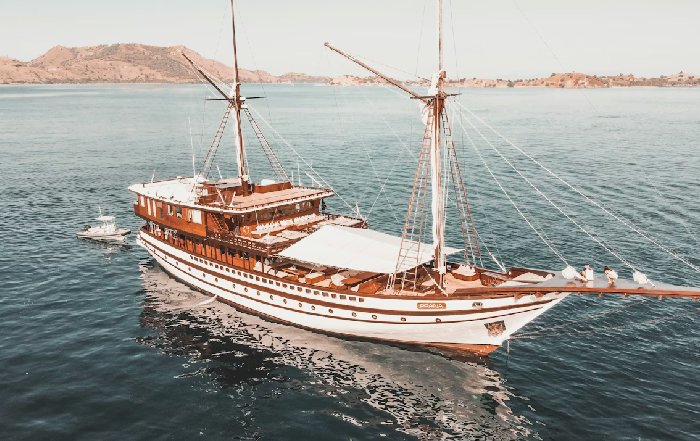
In Southeast Asia, Indonesia, Thailand, and the Philippines are progressively reshaping the regional map of luxury cruising. Indonesian destinations such as Raja Ampat, the Komodo Islands, and the Spice Islands have become synonymous with expedition-style luxury, often delivered aboard boutique vessels operated by companies like Aqua Expeditions and Silolona Sojourns, which combine local craftsmanship with international safety and comfort standards. Thailand's Phuket Boat Lagoon and Royal Phuket Marina, supported by the Tourism Authority of Thailand, serve as key staging points for yachts transiting between the Indian Ocean and the South China Sea, while regulatory reforms around charter licensing have made the region more accessible to foreign-flagged vessels.

Singapore anchors this broader ecosystem as a financial, logistical, and technological hub. Marinas such as ONE°15 Marina Sentosa Cove operate at a standard comparable to the best facilities in Monaco or Fort Lauderdale, while national initiatives under the Maritime and Port Authority of Singapore and its Green Shipping Programme promote low-carbon technologies and digitalization. For owners based in China, Japan, South Korea, and Australia, Southeast Asia offers a combination of cultural richness, scenic variety, and growing technical support that makes year-round cruising increasingly viable. The strategic implications of this shift for global fleet deployment and investment are explored in Yacht Review Global, where the region is treated not as a peripheral playground but as a rising center of gravity.

The South Pacific and Australasia: Expedition Luxury and Blue-Economy Leadership

The South Pacific-encompassing Fiji, Tahiti, French Polynesia, New Caledonia, and Vanuatu-continues to attract owners who prioritize remoteness, authenticity, and cultural immersion. For many Yacht Review readers in Australia, New Zealand, United States, and Europe, these islands represent the ultimate expression of freedom at sea, where the luxury lies not in spectacle but in solitude and connection with pristine nature.

Fiji has invested in marinas such as Port Denarau Marina and facilities in Savusavu, integrating renewable energy, advanced waste management, and local supply chains that benefit coastal communities. Partnerships between the Fijian Government and NGOs focus on reef-safe cruising guidelines and community-based tourism, aligning closely with the blue-economy principles promoted by bodies like the World Bank. In French Polynesia, operators such as Tahiti Private Expeditions and Paul Gauguin Cruises curate itineraries that blend Polynesian cultural heritage with refined onboard service, reinforcing the idea that luxury can also be an avenue for cultural exchange.

Australia and New Zealand underpin the region with world-class refit and new-build capabilities. Auckland, the "City of Sails," and Sydney Harbour serve as both cruising icons and technical centers, where yards specialize in composite construction, performance optimization, and environmental retrofitting. These hubs support not only local owners but also vessels arriving from North America, Europe, and Asia for major refits before continuing around Cape Horn, through the Panama Canal, or back into the Indian Ocean. For detailed assessments of yachts designed for long-range exploration in these waters, Yacht Review Reviews offers evaluations that balance comfort, capability, and environmental profile.

North America and Latin America: Lifestyle Integration and Emerging Coastal Economies

In North America, the United States and Canada maintain a dominant role in both consumption and innovation. The Fort Lauderdale International Boat Show (FLIBS) continues to anchor the calendar, with American builders such as Westport Yachts, Burger Boat Company, and Derecktor Shipyards presenting models that emphasize reliability, serviceability, and increasingly, hybrid and electric options. Companies like MarineMax and Brunswick Corporation are investing heavily in electric outboards, digital helm systems, and connected services, reflecting broader trends in recreational boating documented by organizations such as the National Marine Manufacturers Association. The Pacific Northwest, from Seattle to Vancouver, has emerged as a hub for expedition yachts and eco-conscious cruising, with routes through the Inside Passage appealing to owners from Canada, United States, Germany, and Switzerland who appreciate dramatic landscapes and cooler climates.

Across Latin America, the maturation of coastal infrastructure is reshaping itineraries and investment patterns. Brazil's Angra dos Reis, Ilhabela, and Florianópolis now host marinas and yards capable of servicing large yachts, with Ferretti Group Brazil and Inace Yachts helping to professionalize the sector. Mexico's Pacific coast, particularly Los Cabos, Puerto Vallarta, and La Paz, offers seamless integration with U.S. cruising patterns, while the Sea of Cortez gains recognition as a prime destination for expedition-style luxury. In the south, Chile and Argentina are attracting explorer yachts to the Patagonian fjords, where vessels designed for endurance and scientific collaboration reflect a growing appetite for adventure-based yachting.

For investors, brokers, and policy-makers following these developments, Yacht Review Business and Yacht Review Global provide context on how Latin America's coastal economies are integrating yachting into broader tourism and infrastructure strategies, often with guidance from global institutions like the Inter-American Development Bank.

Africa and the Polar Frontiers: New Horizons and Scientific Collaboration

The African coastline, stretching from the Mediterranean shores of Morocco to the temperate waters of South Africa and the tropical reefs of Kenya and Tanzania, is increasingly visible on global cruising maps. Cape Town has consolidated its position as a refit and semi-custom build hub, with Southern Wind Shipyard and Two Oceans Marine Manufacturing earning international recognition for performance sailing yachts and power catamarans tailored to bluewater conditions. East African destinations such as Zanzibar, Mombasa, and Dar es Salaam attract eco-oriented charters, supported by marine parks and conservation initiatives often coordinated with organizations such as WWF and UNESCO Marine World Heritage Centre.

At the same time, high-latitude cruising in the Arctic and Antarctic has transitioned from novelty to established niche, driven by advances in ice-class engineering and satellite navigation. Builders including Damen Yachting and specialist firms often referred to collectively as Arctic research yacht designers are delivering expedition vessels equipped with laboratories, submersibles, and sophisticated sensor suites. These yachts frequently collaborate with universities and research institutions, collecting climate and biodiversity data that feed into global scientific efforts. For Yacht Review, which has tracked this trend closely, such projects exemplify a new paradigm in which private luxury and public-interest science converge.

Readers seeking to understand how these new frontiers intersect with sustainability frameworks can explore Yacht Review Sustainability, where coverage extends from coral nurseries in the Indian Ocean to ice monitoring in the Southern Ocean.

Technology, Ownership Models, and the Human Dimension

Technological change remains the most visible driver of transformation. Hybrid propulsion is now common across leading builders, while hydrogen-ready systems and full-electric configurations are advancing rapidly, supported by research from companies such as Rolls-Royce Power Systems and maritime divisions of major energy firms. Onboard, AI-driven platforms integrate navigation, hotel load, safety, and maintenance into unified interfaces, drawing on advances similar to those discussed by Lloyd's Register and other classification societies. Materials science is equally dynamic: bio-based composites, alternative decking materials, and textiles derived from reclaimed ocean plastics are moving from experimental concepts to mainstream options.

Parallel to these technical shifts, ownership and usage models are diversifying. Fractional ownership schemes and yacht-sharing platforms, including operations akin to YachtLife and Simpson Marine's FlexShare, have broadened access for younger entrepreneurs and professionals, particularly in North America, Europe, and Asia. Digital charter platforms such as Fraser, Y.CO, and Northrop & Johnson employ data analytics to optimize itineraries, pricing, and onboard experiences, while increasingly providing transparency on carbon footprints and offset mechanisms. For in-depth analysis of these business and financial trends, Yacht Review Business remains a trusted resource for decision-makers.

Yet amid all this innovation, the human dimension of yachting-family time, wellness, and community-has taken on renewed importance. Owners are commissioning layouts that support multigenerational living, with dedicated learning spaces for children, wellness suites for adults, and flexible decks that can serve as outdoor cinemas, yoga platforms, or open-air dining rooms. Charter itineraries often incorporate philanthropic elements, from beach clean-ups to coral planting, allowing families to connect their leisure with purpose. At Yacht Review Family and Yacht Review Lifestyle, these softer yet profound aspects of yachting are explored through narratives that resonate with readers from United States to Singapore, from United Kingdom to South Africa.

Toward Purposeful Luxury: The Role of Yacht Review in a Changing Seascape

By 2026, it is evident that the global luxury yacht market has moved beyond a narrow focus on size and spectacle. The new measure of prestige lies in how intelligently a yacht is conceived, how responsibly it operates, and how meaningfully it connects owners and guests with the oceans they traverse. Across regions-from the historic marinas of Italy and France to the visionary waterfronts of the Middle East, from the coral atolls of the Maldives to the fjords of Norway and Patagonia-the same questions arise: how can innovation serve both comfort and conservation, and how can luxury coexist with stewardship?

For Yacht Review, whose editorial mission is rooted in experience, expertise, authoritativeness, and trustworthiness, this period represents both a challenge and an opportunity. The challenge lies in cutting through marketing noise to provide clear, technically grounded insights on propulsion systems, regulatory changes, and design philosophies. The opportunity lies in guiding a global community of owners, charterers, designers, and policymakers toward choices that enhance not only personal enjoyment, but also the long-term health of the seas.

Whether readers come to Yacht Review Reviews for detailed vessel assessments, to Yacht Review Design for architectural analysis, to Yacht Review Sustainability for environmental intelligence, or to Yacht Review Community for stories of collaboration and impact, they encounter a consistent editorial philosophy: luxury yachting is at its best when it combines technical excellence, cultural sensitivity, and a deep respect for the oceans that make it possible.

As the industry continues its voyage into an era defined by integration, innovation, and responsibility, Yacht Review remains committed to charting that course with clarity and rigor, ensuring that readers across Europe, North America, Asia, Africa, and South America can navigate the future of luxury at sea with confidence. For ongoing coverage, analysis, and inspiration, the evolving story of global yachting lives at Yacht Review, where heritage and horizon meet on every page.

Global Storytelling: Inspiring Voices from Travelers Across Continents

Last updated by Editorial team at yacht-review.com on Thursday 22 January 2026
Global Storytelling Inspiring Voices from Travelers Across Continents

Global Storytelling at Sea: How Travel Narratives Shape Yachting

Storytelling, Travel, and the Modern Yachting Mindset

As global mobility, environmental urgency, and digital communication converge, storytelling has become one of the most powerful forces shaping how people travel, invest, and connect across borders. Within the world of yachts and blue-water cruising, narrative is no longer a decorative afterthought; it is now central to how owners, charter guests, designers, and industry leaders understand their decisions and define their identities. Every passage across the Mediterranean, every transatlantic crossing from Europe to the Caribbean, and every coastal voyage along the shores of North America, Asia, or Africa carries a story that extends far beyond the itinerary. For the audience of Yacht Review, these stories are not simply entertainment; they are sources of expertise, benchmarks of best practice, and frameworks for thinking about risk, reward, and responsibility on the water.

As more travelers from the United States, United Kingdom, Germany, Canada, Australia, France, Italy, Spain, the Netherlands, Switzerland, China, and beyond choose yachts as platforms for exploration, the narratives they create form a collective archive of experience. These accounts describe not only the glamour of elite marinas in Monaco or Miami, but also the challenges of navigating remote fjords in Norway, the cultural richness of small harbors in Greece, and the emotional impact of witnessing coral bleaching in the South Pacific. The most compelling of these stories are grounded in real expertise-hard-earned seamanship, thoughtful design decisions, and a nuanced understanding of global cruising grounds. For a business audience, they also reveal how perception and trust are built around brands, destinations, and technologies. Within this context, Yacht Review has positioned itself as a curator of serious, experience-driven narratives that help readers evaluate vessels, routes, and lifestyle choices with both imagination and rigor, as reflected throughout its dedicated sections on reviews, design, cruising, and business.

Voices from the Sea and the Power of Maritime Narratives

The resurgence of maritime storytelling over the past decade has been driven by a new generation of sailors, families, and professional crews who treat the sea not merely as a route but as a medium of meaning. Their stories, shared through podcasts, long-form essays, and high-quality video logs, have transformed what used to be a niche subculture into a visible, aspirational, and increasingly inclusive global community. A solo sailor departing from the south coast of England to cross the Atlantic, a German family circumnavigating with school-age children, or a Singapore-based entrepreneur exploring the Indonesian archipelago on a sustainably refitted yacht all contribute to a mosaic of perspectives that transcends national borders.

Major media organizations such as National Geographic and BBC Travel have long understood the strategic value of maritime storytelling in building global empathy and environmental awareness. Their features highlight the human dimension of sailing-moments of vulnerability in storms, resilience in repairs far from shore, and the quiet satisfaction of landfall after weeks at sea. For the yachting sector, these narratives carry strong reputational implications: they influence how non-sailors perceive yacht ownership, how regulators think about maritime activity, and how younger generations imagine a life that balances freedom with responsibility. Readers who follow this space through Yacht Review are increasingly attuned to the authenticity of such accounts, seeking narratives that are grounded in real seamanship, sound safety practices, and a respect for local cultures rather than purely aesthetic spectacle.

Digital Horizons: Technology and the Transformation of Travel Storytelling

By 2026, digital platforms have reshaped the mechanics of storytelling so profoundly that the boundary between professional media and personal documentation has blurred. Video platforms, social networks, and subscription-based newsletters now host a vast ecosystem of creators whose work ranges from meticulously produced sailing documentaries to raw, unfiltered accounts of life at sea. For the yachting community, this transformation has had a dual impact: it has opened unprecedented opportunities for education and inspiration, while also raising questions about accuracy, risk portrayal, and the line between adventure and irresponsibility.

Artificial intelligence, extended reality, and advanced imaging have pushed maritime storytelling into new territory. Virtual reality experiences now allow prospective owners or charter clients to step virtually aboard a 60-metre superyacht in the Mediterranean or a compact expedition yacht in the fjords of Norway before committing time and capital. Augmented reality overlays can illustrate hull design, energy systems, and routing strategies in real time, turning complex technical concepts into accessible narratives. Initiatives supported by organizations such as The Ocean Race and SailGP leverage these technologies not only to dramatize competition, but also to highlight ocean health, renewable energy, and the science of performance sailing. For the informed audience of Yacht Review, these developments are more than spectacle; they represent a shift in how knowledge is transmitted within the industry, and how trust is built around new technologies, as covered in depth in the technology section.

Personal Journeys and the Reframing of Purpose at Sea

In an era defined by volatility-from geopolitical tensions to climate-related disruptions-many travelers and yacht owners are using extended voyages as a means to reassess priorities and redefine success. The stories emerging from long-term cruising families, retired executives-turned-liveaboard sailors, and younger digital nomads at sea share a common thread: a deliberate move away from purely material markers of achievement toward a life measured in experiences, relationships, and contribution.

Families from North America, Europe, and Australasia who choose to educate their children aboard yachts often describe the world as their classroom, where history is learned by visiting ancient ports in Italy or Greece, geography is understood through real navigation between the Canary Islands and the Caribbean, and environmental science becomes tangible through encounters with marine wildlife and fragile ecosystems. These stories carry significant weight for other decision-makers who may be considering similar transitions, as they address not only the romance of the lifestyle but also the logistical, financial, and emotional realities. Solo sailors, including high-profile figures like Liz Clark, have further demonstrated how small yachts can become laboratories for personal transformation, environmental advocacy, and minimalist living. By engaging with these narratives through platforms such as Yacht Review's family and lifestyle sections, readers gain a nuanced understanding of what a purpose-driven life at sea actually entails, beyond curated social media images.

Cultural Exchange and the Ethics of Representation

At the core of credible global storytelling lies cultural exchange conducted with respect, curiosity, and humility. Yacht-based travel, by its nature, brings visitors into intimate contact with coastal and island communities in Europe, Asia, Africa, and the Americas that often sit beyond the reach of mass tourism. The stories that emerge from these encounters can either reinforce mutual understanding or perpetuate stereotypes, depending on the storyteller's approach.

In regions such as the Mediterranean, the Adriatic, Southeast Asia, and the South Pacific, travelers increasingly document traditional boatbuilding, artisanal fishing techniques, and local maritime rituals that have survived centuries of change. When responsibly framed, these narratives can support cultural preservation and sustainable tourism. Organizations such as UNESCO and the World Tourism Organization (UNWTO) have emphasized that storytelling should recognize local agency, ensure informed consent, and avoid reducing communities to backdrops for foreign adventure. For business leaders and yacht owners, this has practical implications: crew training, itinerary planning, and charter marketing all need to reflect an ethical stance on representation. Yacht Review, particularly through its travel and global coverage, has consistently highlighted examples of best practice, showcasing how thoughtful narratives can enhance both guest experience and local benefit.

Storytelling as a Catalyst for Environmental Stewardship

The intersection between travel storytelling and environmental advocacy has become one of the defining features of the 2020s. As climate data from organizations such as the Intergovernmental Panel on Climate Change (IPCC) and research institutions including NOAA and NASA becomes more visible to the public, storytellers at sea find themselves on the front line of communicating these realities in human terms. Yachts-whether private, charter, or research-focused-are uniquely positioned to document coral bleaching events, shifting migration patterns, plastic pollution, and extreme weather from a vantage point that is both intimate and globally relevant.

Campaigns led by Oceana, WWF, The Ocean Cleanup, and Ocean Conservancy have demonstrated that emotionally resonant stories, supported by robust data, can influence policy discussions and consumer behavior. Within the yachting sector, this has translated into growing demand for hybrid propulsion, alternative fuels, efficient hull forms, and onboard waste management systems. Owners and shipyards that articulate their environmental commitments through transparent, evidence-based storytelling are finding that they not only enhance their brand equity, but also attract charter guests and partners who prioritize responsible travel. Readers who follow environmental developments via Yacht Review's sustainability and news pages gain access to curated narratives that connect innovation, regulation, and on-the-water experience, while external resources such as Ocean Conservancy provide deeper technical insight into the issues at stake.

The Enduring Role of Written Travel Literature

Despite the dominance of video and social media, long-form written travel literature has retained and even strengthened its position as a vehicle for depth, nuance, and authority. Business decision-makers, experienced sailors, and serious enthusiasts often turn to essays, books, and in-depth digital features when they seek more than surface impressions. The written word allows for reflection on design philosophy, historical context, and the psychological dimensions of long voyages in a way that quick visual formats rarely achieve.

Established publications such as Lonely Planet, and AFAR continue to commission writers who combine firsthand experience with analytical insight, producing work that addresses identity, belonging, and the evolving relationship between humans and the sea. For maritime professionals, classic accounts by figures like Sir Robin Knox-Johnston and contemporary circumnavigators remain essential reading, not only for their adventure value but also for their lessons in risk management, leadership, and endurance. Within Yacht Review, long-form features and historical retrospectives in the history section serve a similar function, preserving the legacy of seafaring cultures while connecting it to present-day design, technology, and cruising practices. This blend of past and present strengthens the platform's authority and provides readers with a richer context for their own decisions on and off the water.

Community, Events, and the Social Fabric of Yachting Narratives

One of the most significant developments in global storytelling over the last decade is the rise of community-driven narratives. Rather than simply consuming stories, yacht owners, crew, and enthusiasts now actively co-create them through forums, podcasts, and collaborative media projects. This shift has turned the global yachting scene into a dynamic ecosystem of shared learning, where best practices and cautionary tales circulate rapidly and informally.

Major events such as The Annapolis Boat Show in the United States, and leading shows in Cannes, Monaco, Singapore, and Sydney function as physical nodes in this network. They are not only commercial platforms for boat sales and equipment, but also live storytelling arenas where designers present their visions, captains and expedition leaders share case studies, and sustainability experts translate policy shifts into operational realities. In parallel, online communities like Women Who Sail and specialized podcasts have broadened participation, giving voice to groups historically underrepresented in maritime narratives. Yacht Review plays a key role in amplifying these conversations through its events and community coverage, ensuring that readers can track how ideas, attitudes, and opportunities evolve across regions and market segments.

Regional Storytelling: Distinctive Perspectives Across Continents

Although the ocean connects continents, the stories told from different regions retain distinctive flavors shaped by history, culture, and economic context. In Europe, where maritime heritage runs deep from the United Kingdom and France to Italy, Spain, the Netherlands, and the Nordic countries, narratives often emphasize continuity-restored classic yachts in the Baltic, traditional regattas in the Mediterranean, and centuries-old harbor towns adapting to modern superyacht traffic. In North America, particularly the United States and Canada, stories frequently highlight innovation and frontier spirit, from expedition cruising in Alaska and the Northwest Passage to technology-forward new builds emerging from leading yards.

In Asia, including China, Japan, South Korea, Thailand, Singapore, and Malaysia, yachting narratives often revolve around rapid growth, shifting regulations, and the blending of luxury hospitality with emerging environmental initiatives. Africa and South America, from South Africa's rugged coasts to Brazil's island-studded shores, increasingly feature in global storytelling as destinations where ecotourism, community-based tourism, and high-end cruising intersect. For a global readership, these region-specific stories offer both inspiration and strategic insight: they reveal where infrastructure is developing, which markets are maturing, and where new opportunities for investment, charter, and exploration are likely to emerge. Yacht Review's global and cruising sections provide a structured lens on these dynamics, helping readers compare regions and plan with a long-term perspective.

Economic and Brand Implications of Narrative in Yachting

From a business standpoint, global storytelling has become a decisive factor in how shipyards, brokerage houses, charter companies, and destinations position themselves. Carefully crafted narratives about craftsmanship, innovation, and sustainability directly influence brand equity and market share. Leading builders such as Feadship, Sunseeker, and Azimut-Benetti have increasingly embraced narrative-driven communication that goes beyond technical specifications, instead framing each yacht as the product of a design philosophy, an engineering culture, and a vision of how clients wish to live and travel.

Tourism boards and economic development agencies-from Tourism Australia and Visit Norway to Destination Canada-have adopted similar approaches, commissioning content that highlights lesser-known cruising grounds and shoulder-season experiences in order to distribute visitor flows and protect sensitive environments. For investors and corporate decision-makers, these narratives function as strategic intelligence, revealing which regions are cultivating high-value, sustainable marine tourism and which brands are aligning themselves with long-term trends rather than short-term fashion. Within Yacht Review, the business section explores these intersections of storytelling, market behavior, and regulation, enabling readers to evaluate not just vessels, but the broader ecosystems in which they operate.

Research, Education, and the Narrative of Discovery

Modern exploration is increasingly collaborative, bringing together sailors, scientists, educators, and technologists to pursue both discovery and communication. Research institutions such as The Schmidt Ocean Institute, the National Geographic Society, and leading universities have partnered with private yachts and expedition vessels to collect data on marine biodiversity, climate impacts, and ocean chemistry. These projects rely heavily on storytelling to translate complex findings into accessible narratives that can engage policymakers, students, and the general public.

For yacht owners and charterers involved in such initiatives, participation offers more than prestige; it provides a framework for meaningful engagement with global challenges. Documenting a research voyage through carefully produced film, photography, and written reports can elevate a private journey into a contribution to collective knowledge. This convergence of science and storytelling aligns closely with the interests of Yacht Review's readership, which increasingly seeks ways to combine leisure, legacy, and impact. The platform's technology and sustainability coverage frequently highlights these collaborative models, illustrating how narrative can support both rigorous research and compelling public engagement.

Visual Storytelling and the Language of the Sea

Photography and film have become the dominant languages of maritime storytelling, capable of conveying the scale, beauty, and vulnerability of the ocean in ways that transcend spoken language. Images of a yacht silhouetted against the Arctic ice, drone footage of a regatta off the coast of Spain, or a close-up of a child's first encounter with a wild dolphin communicate emotional truths that resonate with audiences in Europe, Asia, Africa, and the Americas alike. Influential visual storytellers such as Jimmy Chin, Ben Thouard, and Marta Syrko have demonstrated how meticulous craft, ethical engagement, and narrative coherence can transform imagery into enduring cultural reference points.

For the yachting industry, this visual language carries strategic implications. It shapes aspirational benchmarks for design, influences how destinations are perceived, and can either normalize or challenge unsustainable behavior. Film festivals, exhibitions, and industry events-such as the Ocean Film Festival and key gatherings organized by the Adventure Travel Trade Association-increasingly feature maritime content that blends aesthetics with advocacy. Yacht Review, through its editorial standards and visual curation, aligns itself with this more thoughtful approach to imagery, recognizing that every published photograph or video fragment contributes to a broader narrative about what yachting is and what it can become.

The Ocean as a Shared Narrative in an Interconnected World

In an interconnected world where stories travel faster than ships, the ultimate value of global storytelling lies in its capacity to humanize complexity. The ocean, which once separated continents, now serves as a unifying theme in narratives that cross cultures, industries, and generations. Each yacht, from a compact family cruiser in the Baltic to a cutting-edge explorer vessel in Antarctica, functions as both a physical platform and a narrative node in a much larger network of experiences and ideas.

For Yacht Review, the responsibility and opportunity are clear: to curate, analyze, and elevate the stories that demonstrate genuine experience, technical competence, and ethical awareness. By doing so across its core verticals-boats, reviews, news, global, and more-the platform not only informs purchasing and cruising decisions, but also contributes to a shared understanding of what it means to travel well in 2026.

As narratives continue to evolve-shaped by new technologies, shifting climate realities, and changing social expectations-the most enduring stories will be those that balance ambition with humility, luxury with responsibility, and individuality with solidarity. In this sense, every reader, owner, captain, and crew member who engages with Yacht Review becomes part of a broader, ongoing chronicle: a global story in which the sea is both stage and teacher, and in which the true measure of success is not how far one sails, but how deeply one understands and cares for the world encountered along the way. Those who wish to follow and contribute to this unfolding narrative will find a dedicated home at Yacht Review, where experience, expertise, authoritativeness, and trustworthiness guide every story told.

A Family Journey Around the Globe: Tips for Kid-Friendly Adventures

Last updated by Editorial team at yacht-review.com on Thursday 22 January 2026
A Family Journey Around the Globe Tips for Kid-Friendly Adventures

Global Family Voyaging in 2026: How Yachting Is Redefining Travel, Education, and Lifestyle

Family travel in 2026 has matured into something far more substantial than an annual vacation; it has become a deliberate lifestyle choice that blends education, cultural immersion, wellness, and sustainability. For the global audience of Yacht Review, this shift is especially visible at sea, where yachts are no longer viewed purely as symbols of luxury, but as versatile platforms for learning, connection, and responsible exploration across continents. As families from the United States, Europe, Asia, and beyond embrace extended journeys together, yachting now sits at the crossroads of experience, expertise, authoritativeness, and trustworthiness, offering a structured yet inspiring way to see the world while nurturing the next generation of global citizens.

In this evolving landscape, a family crossing the Atlantic, cruising the Mediterranean, or exploring the Pacific is not simply chasing scenery. They are crafting a shared narrative that weaves together intergenerational bonding, cultural understanding, and environmental awareness. For Yacht Review, which has chronicled these developments for a worldwide readership, the family voyage is increasingly the lens through which design, technology, business, and lifestyle trends in the yachting sector can be understood and evaluated. The result is a new paradigm in which the family yacht is both a sanctuary and a classroom, a mobile home and a hub for sophisticated, values-driven travel.

The Modern Family Explorer in 2026

The profile of the modern family traveler has changed dramatically since the early 2020s. Parents from the United States, United Kingdom, Germany, Canada, Australia, and across Asia and the Middle East now see travel as a core component of their children's development rather than a discretionary luxury. Many are entrepreneurs, executives, or remote professionals who leverage digital infrastructure to work from anywhere, combining flexible careers with a commitment to raising globally aware, resilient children. This shift has given rise to "world-schooling" and "boat-schooling" communities, in which young people learn mathematics, languages, and science alongside navigation, seamanship, and cross-cultural communication.

The widespread adoption of high-bandwidth satellite connectivity, cloud-based collaboration tools, and digital learning platforms has made it possible to maintain academic rigour and professional performance while underway. Families rely on platforms highlighted by organizations such as UNESCO and OECD to understand global education trends and to benchmark learning outcomes against formal curricula. At the same time, they increasingly turn to curated editorial resources like Yacht Review's Technology section to evaluate which onboard systems, connectivity solutions, and safety technologies best support a long-term, mobile lifestyle.

Post-pandemic travel behaviour has also settled into a more considered rhythm. Instead of rapid-fire itineraries, families gravitate toward slow, meaningful travel that emphasizes authenticity, environmental responsibility, and local engagement. Private yacht charters, family-owned expedition vessels, and semi-custom builds have become preferred platforms for this approach, particularly for readers who follow Yacht Review's Reviews and Boats coverage, where vessel performance, safety, and liveability are examined through the lens of real-world family use.

Planning and Risk Management: The Foundation of Trust

Behind every successful global voyage lies disciplined planning and a robust risk-management framework. Families who cross borders and oceans together must address documentation, health, education, and contingency planning at a level that rivals corporate project management. In 2026, parents routinely consult resources from UNICEF and government portals such as Travel.State.Gov to understand entry requirements, vaccination recommendations, and security advisories for regions ranging from the Caribbean to Southeast Asia and the Indian Ocean.

The most experienced family voyagers approach planning as a continuous, iterative process. Pre-departure, they establish medical protocols, verify global health insurance coverage, and often arrange telemedicine memberships with providers recognized by organizations like the World Health Organization (WHO). Onboard, they integrate AI-driven weather routing, satellite communications, and digital logbooks, drawing on innovations regularly explored in Yacht Review's Technology coverage. This blend of human prudence and technological sophistication underpins the sense of trust that allows parents, grandparents, and children to feel secure even when far from shore.

Flexibility, however, is the unspoken counterpart to planning. Experienced captains, whether professional or owner-operators, understand that mechanical issues, weather shifts, or geopolitical events may require rerouting at short notice. Families who adopt a mindset of adaptability transform these disruptions into learning opportunities, modelling resilience and problem-solving for younger generations. In this way, risk management becomes not only a technical discipline but also an educational and emotional practice that strengthens family cohesion.

Choosing Routes: Comfort, Culture, and Climate

Route selection remains one of the most consequential decisions for family voyages, and it is here that the global readership of Yacht Review displays the greatest diversity of preference. In Europe, the Mediterranean continues to dominate family itineraries, with the Greek Isles, Croatian coast, Amalfi Coast, and Balearic Islands offering sheltered waters, reliable infrastructure, and dense clusters of historical and cultural sites. Families can move in a relaxed rhythm from fortified medieval towns to contemporary marinas, allowing children to connect the ancient and modern worlds in a tangible way. Readers exploring such options frequently reference Yacht Review's Cruising section, which evaluates seasonal conditions, marina services, and shore-excursion potential from a family perspective.

In North America, the Florida Keys, New England coast, Pacific Northwest, and Bahamas remain mainstays, combining relatively short passages with diverse ecosystems and strong safety records. The Caribbean-from Turks and Caicos to the Grenadines-continues to attract families seeking warm waters, English-speaking communities, and a well-developed charter infrastructure. Meanwhile, Asia's emergence as a premier yachting region has opened new horizons: Thailand's Phang Nga Bay, Indonesia's Raja Ampat and Komodo, and the coasts of Vietnam and Malaysia offer rich biodiversity and cultural immersion, albeit with more complex logistics and a greater need for local expertise.

Oceania and the South Pacific, including Australia's Great Barrier Reef, Whitsundays, French Polynesia, and New Zealand's Bay of Islands, appeal strongly to families prioritizing nature, conservation, and adventure sports. In Africa and the Indian Ocean, the Seychelles, Mauritius, and parts of South Africa are gradually building reputations as safe, family-friendly destinations with growing marina infrastructure. For South America, Brazil's Costa Verde, Chile's fjords, and Patagonian waters are drawing more intrepid families, especially those who value off-the-beaten-path exploration. Yacht Review's Travel coverage increasingly reflects this global diversification, providing context and guidance for readers considering both classic and emerging cruising grounds.

Slow Travel as Living Curriculum

At the heart of modern family voyaging lies the concept of slow travel, understood not simply as spending more time in one place, but as engaging deeply with local environments and communities. Families who stay several weeks or months in a region-be it the Cyclades, Brittany, Vancouver Island, or Phuket-create space for children to absorb languages, customs, and histories in a way that short visits cannot match. This approach aligns closely with frameworks promoted by the United Nations World Tourism Organization (UNWTO), which advocates for tourism that fosters cultural exchange and community benefit rather than superficial consumption.

Onboard, parents weave experiential learning into daily routines. Navigation becomes an applied mathematics lesson; provisioning at local markets becomes a study in economics and agriculture; visits to museums, UNESCO World Heritage Sites, and conservation projects transform history and science into lived experience. World-schooling families often integrate online resources from organizations such as Khan Academy and National Geographic to deepen understanding, but the core of the curriculum is the lived reality outside the portholes. Readers exploring such lifestyle integration frequently gravitate to Yacht Review's Lifestyle section, where the intersection of education, design, and daily life aboard is examined in detail.

Designing Yachts for Real Family Life

Yacht design in 2026 reflects a clear recognition that many owners and charterers now travel with children, extended family, and sometimes tutors or nannies. Leading builders such as Benetti, Feadship, Sunreef Yachts, Azimut, Princess Yachts, and Sanlorenzo have invested heavily in family-oriented layouts, safety features, and hybrid propulsion technologies. Naval architects and interior designers increasingly treat the vessel as a multi-functional residence: a space that must support learning, play, work, privacy, and socialization simultaneously.

This evolution is evident in the growing prevalence of convertible spaces-salons that transform into classrooms or cinemas, sky lounges that double as yoga studios, and cabins that can be reconfigured as playrooms or study areas. Child-safety considerations now extend beyond simple rail heights to include soft corners, secure storage for hazardous equipment, smart sensors on doors and hatches, and thoughtful zoning between quiet and active areas. For readers evaluating such innovations, Yacht Review's Design coverage provides a trusted reference point, highlighting not only aesthetics but also ergonomics, safety, and long-term liveability.

Sustainability has become an equally important design pillar. Hybrid propulsion, solar arrays, energy-recovery systems, and advanced waste-treatment solutions are increasingly common in new builds and refits. Brands such as Silent Yachts and other electric- and solar-focused manufacturers, often profiled by institutions like the Global Maritime Forum, demonstrate that efficiency and environmental responsibility can coexist with comfort and performance. Families who choose these technologies send a powerful signal to children about aligning lifestyle choices with environmental values, a theme that resonates strongly with Yacht Review's Sustainability readership.

Health, Nutrition, and Wellness at Sea

Long-term family voyaging places a premium on health management, nutrition, and emotional well-being. Parents must navigate not only routine considerations such as vaccinations and sun protection, but also questions of sleep hygiene, digital balance, and mental health in confined yet mobile environments. In response, many yachts now integrate wellness into their fundamental design: dedicated exercise areas, spa-style bathrooms, shaded outdoor lounges, and spaces suited for meditation or quiet reading.

Nutrition is another area where expertise has advanced significantly. Professional yacht chefs increasingly receive training in child nutrition, dietary intolerances, and sustainable sourcing. Families provisioning for bluewater passages rely on careful menu planning, long-life staples, and creative use of local produce. Some vessels incorporate compact hydroponic gardens or vertical planters to grow herbs and leafy greens, reinforcing lessons in sustainability and self-sufficiency. Organizations such as the World Health Organization and FAO provide guidance on food safety and nutrition that many captains and chefs quietly integrate into their practices.

Telemedicine and remote monitoring technologies have dramatically improved peace of mind for families cruising in remote regions. Services endorsed by bodies like the International Maritime Health Association connect yachts to onshore doctors, while wearable devices track vital signs, sleep patterns, and activity levels. These tools, when used judiciously, support a proactive approach to health rather than a reactive one. For readers considering the human dimension of voyaging, Yacht Review's Family section explores how wellness, routine, and emotional balance can be maintained over months or years afloat.

Sustainability and Ethical Responsibility

In 2026, family travel cannot be considered truly aspirational unless it is also responsible. Climate change, biodiversity loss, and social inequality are no longer abstract concepts; they are realities that many families witness directly as they move between regions. This visibility has driven a strong alignment between family voyaging and the principles promoted by organizations such as the Global Sustainable Tourism Council (GSTC) and the World Travel & Tourism Council (WTTC), which advocate for tourism that minimizes environmental impact and maximizes local benefit.

Environmentally conscious families now interrogate their choices with increasing sophistication: they evaluate fuel consumption and emissions profiles of yachts; they prioritize marinas with robust waste-management systems; they support conservation projects and community-led tourism initiatives at their destinations. Many consult independent sustainability ratings or seek out properties certified by EarthCheck or Green Globe when they step ashore. These behaviours are not merely ethical gestures; they are educational tools that teach children to see themselves as stewards rather than consumers. Yacht Review's Sustainability coverage has become a key touchpoint for readers seeking to align their yachting lifestyle with broader environmental and social commitments.

Intergenerational Bonding and Emotional Legacy

Perhaps the most powerful aspect of extended family voyaging is its impact on relationships. When grandparents, parents, and children share a yacht for weeks or months at a time, they experience one another in contexts far removed from the routines of home. Tasks such as anchoring, cooking, navigation, and maintenance become shared responsibilities that require communication, patience, and trust. Over time, these shared efforts create a sense of collective achievement that deepens familial bonds.

The emotional value of such experiences is difficult to quantify but easy to observe. Many families report that children gain confidence and independence, while older relatives feel renewed purpose as mentors and storytellers. Simple rituals-sunset gatherings on deck, shared log entries, storytelling about the day's discoveries-become the threads from which family memory is woven. For Yacht Review, which has always emphasized the human stories behind the hardware, these narratives underscore why design, technology, and business trends matter: they are the infrastructure that supports moments of connection and growth.

Technology as Enabler, Not Master

Advanced technology underpins nearly every aspect of modern voyaging, from navigation and communication to entertainment and education. However, the most successful family voyages are those in which technology serves as an enabler rather than a distraction. AI-enhanced routing software, real-time weather platforms, and electronic charting systems elevate safety and efficiency, while language-translation apps and digital cultural guides help families engage respectfully with local communities. Organizations such as the International Maritime Organization (IMO) and European Maritime Safety Agency (EMSA) continue to refine standards that ensure these tools are integrated safely and responsibly into maritime operations.

For children and teenagers, tablets and laptops provide access to virtual museums, online courses, and collaborative projects with peers around the world, but many parents now institute structured "offline" periods to ensure that digital consumption does not overshadow direct experience. The most thoughtful families use technology to prepare for and deepen encounters-researching marine life before a dive, studying local history before a museum visit-then set devices aside during the actual moments of engagement. Readers interested in balancing innovation with presence consistently turn to Yacht Review's Technology section, where emerging tools are evaluated not only for capability but also for their impact on the onboard experience.

The Business of Family-Centric Yachting

The rise of family voyaging has reshaped the business landscape of yachting. Brokerage houses, charter firms, shipyards, and marinas have all adapted offerings to meet the needs of multigenerational clients who prioritize safety, education, and sustainability alongside luxury. Companies such as Fraser Yachts, Burgess, Northrop & Johnson, and newer boutique agencies have developed specialized family charter departments, offering itineraries that include curated cultural experiences, conservation projects, and bespoke educational programming. Hospitality brands like Four Seasons Yachts, Aman, and Six Senses have likewise refined their products to include children's academies, wellness programs, and sustainability workshops.

On the investment side, family offices and high-net-worth individuals increasingly view yachts not only as leisure assets but as platforms for long-term family development and legacy-building. This perspective influences decisions about size, range, propulsion, and onboard amenities. It also drives demand for expert advice, from naval architects and tax specialists to family-travel consultants and educational advisors. Yacht Review's Business section has become an essential resource for decision-makers navigating this complex intersection of lifestyle, capital allocation, and long-term planning.

Looking Ahead: The Next Chapter of Family Exploration

As 2026 unfolds, the trajectory of family travel by sea points toward deeper integration of sustainability, technology, and human connection. Artificial intelligence will further personalize itineraries, adjusting routes dynamically based on weather, cultural events, and family preferences. Virtual and augmented reality will enhance pre-trip planning and onboard education, allowing children to explore historical reconstructions or marine ecosystems before encountering them in person. Regulatory frameworks are likely to evolve in parallel, with maritime authorities and tourism bodies refining standards to support safe, equitable, and environmentally sound growth.

For Yacht Review and its global readership-from North America and Europe to Asia, Africa, and South America-the family voyage will remain a central narrative thread. It is here that design innovation proves its worth, that sustainability commitments are tested in practice, and that the intangible value of time together becomes most visible. As more families choose to invest in shared experiences rather than static possessions, yachts will increasingly be seen not only as instruments of leisure but as vessels of learning, empathy, and legacy.

In this sense, the future of global family voyaging is not defined solely by the destinations reached, but by the character and understanding cultivated along the way. For those who follow Yacht Review's reviews, cruising insights, and global coverage, the message is clear: when approached with preparation, respect, and curiosity, exploring the world together by sea remains one of the most powerful ways to shape both a family's story and its contribution to the wider world.

Tracing Ancient Trade Routes and Shipping: Historical Journeys Across Asia

Last updated by Editorial team at yacht-review.com on Thursday 22 January 2026
Tracing Ancient Trade Routes and Shipping Historical Journeys Across Asia

Asia's Ancient Trade Routes and the Modern Maritime World

Asia's historic trade routes form one of the most powerful narratives of connection in human history, uniting distant shores through courage, innovation, and an enduring relationship with the sea. Long before satellite navigation, automated ports, and real-time logistics, merchants and mariners crossed monsoon-swept oceans and navigated narrow straits, knitting together empires from China and India to the Middle East, Africa, and Europe. For the audience of Yacht Review, these routes are far more than a romantic backdrop to contemporary cruising; they are the original blueprint for today's global shipping lanes, superyacht itineraries, and maritime economies that, in 2026, still depend on the same geographic chokepoints and seasonal rhythms that shaped antiquity.

Understanding this legacy is essential for any serious stakeholder in the modern yachting ecosystem, whether based in the United States, United Kingdom, Germany, Singapore, or Australia. The ports, straits, and island chains that once moved silk and spices now host marinas, refit yards, and yacht service hubs, while the same wind systems that guided Arab dhows and Chinese junks underpin modern routing strategies for cruising yachts and expedition vessels. At Yacht Review, where design, technology, lifestyle, and business intersect, this deep historical context strengthens not only appreciation of the sea, but also strategic insight into where the industry is heading.

From Silk Roads to Sea Lanes: Asia's First Maritime Networks

The overland Silk Road is widely recognized as a symbol of early globalization, but its maritime counterpart was arguably more transformative. By the 2nd century BCE, merchants of the Han Dynasty recognized that ships could carry greater volumes of high-value cargo faster and more safely than caravans exposed to banditry and desert extremes. This realization gave rise to the so-called Maritime Silk Road, a loose but powerful network of sea routes linking Xi'an and Guangzhou with the South China Sea, the Bay of Bengal, the Arabian Sea, and ultimately the Mediterranean world.

Ports such as Guangzhou and Quanzhou evolved into cosmopolitan gateways where Indian, Sri Lankan, Persian, and Arabian traders converged, establishing early versions of the multicultural port communities that define modern hubs like Singapore and Hong Kong. Archaeological discoveries such as the Belitung shipwreck, a 9th-century vessel built in the Arabian dhow tradition but laden with Chinese ceramics and luxury goods, illustrate how, even in antiquity, shipbuilding styles and cargoes were already transregional hybrids. For readers of Yacht Review, the parallels with today's globally sourced yacht components and cross-border design collaborations are striking, and they underscore why our dedicated history features often return to these early precedents.

The Indian Ocean: Early Logistics on a Continental Scale

The Indian Ocean was the cradle of an intercontinental trading system that predated European oceanic expansion by many centuries. Its defining characteristic was the monsoon, the seasonal wind regime that allowed predictable, bidirectional voyages between East Africa, Arabia, India, and Southeast Asia. Mariners timed their departures with scientific precision, using empirical knowledge of wind shifts and currents in a manner that foreshadows modern data-driven route optimization used by commercial shipping and long-range cruising yachts.

By the 1st century CE, Roman merchants were already sailing from Egypt's Red Sea ports to the Malabar Coast of India, seeking pepper, pearls, and fine textiles. Texts such as the Periplus of the Erythraean Sea, now frequently referenced by maritime historians and institutions like the British Museum, provide detailed descriptions of ports, sailing directions, and trade practices that speak to a sophisticated logistics culture. Regional powers, including the Kingdom of Srivijaya and the Chola Dynasty, built their influence on control of key sea lanes and the ability to tax and protect merchant fleets, a model that modern maritime nations echo through port authorities, naval forces, and regulatory regimes.

For contemporary yacht owners exploring the same waters-from Sri Lanka to Thailand and the Maldives-the routes followed by luxury cruisers and charter fleets mirror these ancient tracks. Our coverage on cruising in the Indian Ocean and Southeast Asia often highlights how modern itineraries overlay historical corridors that once carried the wealth of three continents.

Southeast Asia: The Strategic Crossroads of Two Oceans

Southeast Asia has long been the fulcrum of Asia's maritime system, positioned between the Pacific and Indian Oceans and anchored by straits that remain among the most strategically important in the world. The Straits of Malacca, the Sunda Strait, and the South China Sea formed the arterial network through which silk, spices, ceramics, and metals flowed between China, India, the Middle East, and Europe. Geography conferred immense advantages on regional powers that controlled these chokepoints, and nowhere was this more evident than in the Srivijaya Empire, based in Sumatra, and later the Majapahit realm in Java.

Between the 7th and 13th centuries, Srivijaya leveraged its command of maritime passages to become both a commercial and cultural powerhouse. Its capital at Palembang hosted foreign embassies, monastic communities, and merchant guilds drawn from across China, India, and the Islamic world. Trade in nutmeg, cloves, sandalwood, and camphor made the region indispensable to global supply chains of the time, much as containerized flows through Singapore and Port Klang are today. Organizations such as the UNESCO Silk Roads Programme now examine these legacies as part of a broader understanding of early globalization and cultural diffusion.

For Yacht Review, whose global analysis tracks shifting cruising hotspots and maritime investment, Southeast Asia's enduring centrality is unmistakable. Modern superyachts transiting between the Mediterranean, Indian Ocean, and Western Pacific still funnel through the same narrow straits, underlining how ancient geography continues to shape contemporary maritime strategy.

Chinese Maritime Power and the Legacy of Zheng He

The early 15th century witnessed one of the most ambitious maritime projects in human history: the treasure voyages of Admiral Zheng He under Emperor Yongle of the Ming Dynasty. Commanding colossal fleets that some historians describe as the largest wooden armadas ever built, Zheng He sailed from Nanjing and Fuzhou across the South China Sea, the Indian Ocean, and onward to Arabia and the East African coast. These expeditions projected Chinese soft power through diplomacy, gift exchange, and carefully managed displays of naval strength rather than territorial conquest.

The technological sophistication of Ming shipyards-compartmentalized hulls, advanced rudder systems, and efficient sail plans-has long been a focus of maritime research by institutions such as China's National Maritime Museum and international naval architects. Many of the underlying principles, such as redundancy in hull structure and careful weight distribution, resonate with contemporary yacht engineering practices aimed at safety, range, and comfort. At Yacht Review, our design coverage frequently highlights how modern naval architecture in Europe, North America, and Asia continues to draw from centuries of accumulated hydrodynamic knowledge, much of it first proven in these early fleets.

Zheng He's voyages also offer an early example of state-backed maritime branding, akin to how nations today use flagship regattas, superyacht shows, and high-profile marina developments to project their maritime identity. Ports from Sri Lanka to Kenya still preserve oral histories of his visits, illustrating how a well-orchestrated maritime presence can leave a legacy measured not just in trade statistics, but in cultural memory.

Spices, Ships, and the Transformation of the Malay Archipelago

The lure of spices-particularly nutmeg, cloves, and mace native to the Maluku Islands-drove one of the most consequential chapters in maritime history. For centuries, Arab and Gujarati merchants dominated the seaborne spice trade, controlling information about the location of the so-called Spice Islands and maintaining lucrative margins in markets from Cairo to Venice. When Portuguese navigators, followed by Dutch and British competitors, penetrated these networks in the late 15th and early 16th centuries, they set off a wave of technological, financial, and political innovation that reshaped global trade.

The emergence of the Portuguese carrack, the heavily armed galleons of the Spanish Empire, and the purpose-built merchantmen of the Dutch East India Company (VOC) and British East India Company marked a step change in long-range oceanic capability. These vessels combined larger cargo capacity with improved seaworthiness and artillery, enabling European powers to impose monopolies on Asian trade routes and to seize control of key ports. Maritime historians, including those at the National Maritime Museum in Greenwich, have documented how these ships pioneered new standards in hull form, rigging, and navigation that still inform naval design today.

For modern yacht owners planning itineraries through Indonesia, Malaysia, and the Philippines, the anchorages and passages they enjoy are layered over this complex history of competition and exchange. Our travel coverage often emphasizes how high-end cruising in the Raja Ampat region, the Andaman Sea, or the Gulf of Thailand gains depth when understood against the backdrop of centuries of spice-driven exploration and conflict.

Trade, Belief, and Culture: The Sea as a Conduit of Ideas

Maritime trade across Asia was always as much about ideas as it was about goods. The same vessels that carried silk, ceramics, and spices also transported religious texts, scholars, and artisans who reshaped the cultural and spiritual landscapes of entire regions. Buddhism, for example, spread from India to China, Korea, and Japan not only along overland routes but also via maritime corridors, with monks and pilgrims embarking on merchant vessels to reach distant monastic centers. The International Dunhuang Project and related initiatives have traced how scriptures, iconography, and ritual practices moved along these circuits, transforming local art and architecture.

Similarly, Islam entered Indonesia, Malaysia, and coastal China primarily through peaceful trade relationships. Arab and Persian merchants settled in ports such as Malacca, Aceh, and Guangzhou, intermarrying with local elites and establishing mosques that became focal points of new urban identities. The resulting port cities were remarkably cosmopolitan, where Hindu temples, Buddhist monasteries, and Islamic schools coexisted in close proximity, reflecting a maritime culture that prized negotiation, partnership, and shared commercial interest over sectarian division.

This tradition of cosmopolitan port life remains visible today in cities from Singapore to Dubai, and it deeply influences the social fabric of modern marinas and yacht clubs. At Yacht Review, our community coverage often underscores how today's global yachting culture-uniting owners, crew, designers, and service providers from Europe, Asia, North America, Africa, and South America-is a direct descendant of these early multiethnic maritime societies.

Innovation in Ancient Shipbuilding and Its Modern Echoes

The technical evolution of Asian shipbuilding reflects a sophisticated understanding of materials, hydrodynamics, and operational requirements that continues to resonate in the 2026 yacht market. The Chinese junk, with its fully battened sails, watertight bulkheads, and relatively flat bottom, offered a combination of robustness, cargo efficiency, and ease of handling that impressed later European observers and influenced naval design far beyond East Asia. In India, the use of high-quality teak and advanced joinery techniques produced hulls renowned for their longevity, many of which were later incorporated into European fleets.

In Southeast Asia, depictions of the Borobudur ships on 8th-century reliefs in Java reveal double-outrigger designs optimized for stability and long-range voyaging, concepts that echo in today's multihull yachts and performance cruising catamarans. The Arabian dhow, with its elegant lateen rig, represented a highly efficient solution for tacking into monsoon winds, and its hull lines continue to inspire both traditional builders around the Persian Gulf and contemporary designers seeking distinctive profiles for custom projects.

Yacht designers and naval architects featured in Yacht Review routinely acknowledge the importance of historical precedents in their work, whether drawing on traditional Japanese woodworking, Scandinavian clinker construction, or Southeast Asian outriggers. Our design section frequently explores how leading shipyards in Italy, the Netherlands, Germany, and South Korea integrate time-tested structural principles with advanced composites, hybrid propulsion, and digital modeling to achieve performance, safety, and aesthetics aligned with the expectations of today's owners.

Ports as Economic Engines: From Srivijaya to Singapore

Throughout Asian history, control of ports has equated to economic leverage and political influence. Coastal states that mastered harbor management, customs regimes, and maritime security often punched far above their territorial weight. The Srivijaya and Majapahit empires, the Chola thalassocracy, and later sultanates such as Malacca all derived their power from the ability to host, tax, and protect foreign shipping. Their rulers understood that a well-run port was more than a marketplace; it was a platform for diplomacy, intelligence gathering, and cultural exchange.

In the 19th and 20th centuries, the rise of steam power, the opening of the Suez Canal, and the expansion of European colonial empires shifted the maritime balance yet again, but the fundamental logic of port-centric power remained intact. Cities such as Singapore, Hong Kong, Shanghai, and Busan became industrial-scale successors, integrating deep-water berths, repair yards, and warehousing with financial services, insurance, and global communications. Organizations like the World Bank and International Transport Forum have documented how these ports catalyzed national development and regional integration across Asia, Europe, and North America.

For the yachting industry, this port legacy manifests in the rise of high-end marinas, refit facilities, and service ecosystems clustered around the same strategic locations. Our business coverage at Yacht Review tracks how investments in marina infrastructure in China, Thailand, Vietnam, and the Middle East are repositioning Asia not just as a manufacturing base for yachts, but as a primary cruising theatre for owners from Europe, North America, and beyond.

Navigation, Knowledge, and Seamanship: From Stars to Satellites

One of the most remarkable aspects of Asia's maritime story is the depth of navigational knowledge developed long before the advent of modern instruments. Arabian, Indian, Malay, and Polynesian seafarers learned to read the stars, wave patterns, cloud formations, and even bird migrations to guide their voyages, building an empirical science of seamanship that institutions such as the Smithsonian and National Geographic Society continue to study and celebrate. Chinese innovation in the magnetic compass during the Song period revolutionized navigation, enabling more accurate open-ocean routing and contributing to the ambitious projects of the Ming era.

In the 21st century, GPS, inertial navigation, and sophisticated routing software have transformed how commercial ships and yachts move across the globe. Yet, at its core, effective seamanship still relies on the same principles of situational awareness, respect for natural forces, and risk management that ancient captains applied when entering monsoon zones or crossing poorly charted reefs. Our history features frequently highlight how traditional navigation techniques are being revived in training programs and expedition-style cruising, offering modern sailors a deeper, more resilient skill set.

For a global yachting audience spanning North America, Europe, Asia, and Oceania, this continuity of seamanship offers both practical lessons and a profound sense of connection to those who sailed the same waters centuries ago with far fewer tools, but equal determination.

Sustainability, Heritage, and the Future of Maritime Asia

As of 2026, the same seas that once carried silk and spices now bear the weight of containerized global trade, offshore energy infrastructure, and a rapidly expanding fleet of recreational craft. This intensification has brought unprecedented prosperity to many coastal regions, but it has also magnified environmental pressures. Regulatory bodies such as the International Maritime Organization (IMO) and industry leaders including Maersk and MSC Group are investing heavily in decarbonization strategies, alternative fuels, and cleaner port operations, recognizing that long-term commercial viability depends on environmental stewardship. Learn more about sustainable business practices and policy frameworks through organizations like the IMO and the World Resources Institute.

Ancient mariners, while lacking today's scientific vocabulary, intuitively understood that their survival depended on working with, rather than against, the ocean's limits. Seasonal closures, respect for breeding grounds, and cultural taboos around overfishing formed an informal sustainability regime that modern policy makers increasingly seek to formalize. At Yacht Review, our sustainability coverage connects this historical perspective with practical guidance for yacht owners, captains, and shipyards-from low-emission propulsion and eco-marina standards to responsible cruising practices in sensitive regions such as the Coral Triangle, the Red Sea, and the Arctic.

Parallel to environmental efforts, a revival of heritage voyaging and maritime museums across China, Japan, Singapore, India, and Indonesia is ensuring that Asia's seafaring story remains visible to new generations. Institutions such as the Maritime Experiential Museum in Singapore and the Quanzhou Maritime Museum in China curate shipwrecks, navigation instruments, and trade artifacts that resonate strongly with yacht owners and designers seeking inspiration. These initiatives align closely with the ethos of Yacht Review, which views modern yacht culture as part of a continuum of craftsmanship, exploration, and cross-cultural dialogue.

Asia's Maritime Legacy and the Yachting World in 2026

In 2026, Asia stands at the forefront of maritime innovation and luxury yachting growth. South Korea, China, and Japan dominate global commercial shipbuilding, while regional yacht builders in Taiwan, Hong Kong, Thailand, and Australia expand their international footprint. At the same time, European superyacht brands such as Feadship, Benetti, and Sunseeker are deepening their engagement with clients in China, Singapore, the United Arab Emirates, and India, recognizing that the next wave of high-net-worth yacht owners is increasingly Asia-based.

Technologies being developed in Asian research centers-from autonomous navigation systems and AI-driven port management to hydrogen and ammonia propulsion-are poised to redefine how both commercial vessels and private yachts are designed, built, and operated. Organizations like the International Chamber of Shipping and leading classification societies highlight Asia's central role in setting new technical and regulatory standards. Yacht Review closely follows these developments in its technology coverage, offering insights tailored to owners, family offices, designers, and shipyards making long-term investment decisions.

At a human level, seafaring traditions remain deeply embedded in families and communities from Kerala and Goa to Hokkaido, Jeju, and the islands of the Philippines and New Zealand. Knowledge passed down through generations-boatbuilding techniques, weather lore, and a cultural respect for the ocean-continues to inform both artisanal fishing fleets and high-end yacht craftsmanship. Our family-focused features often explore how this intergenerational continuity shapes the values and expectations of today's yacht owners, many of whom view their vessels as multigenerational assets and symbols of legacy.

A Continuing Voyage: Connecting Past, Present, and Future

The story of Asia's trade routes is ultimately a story of continuity. The same straits, islands, and coastal cities that once hosted caravans of junks, dhows, and European East Indiamen now receive container ships, research vessels, and superyachts. The motivations that drove early merchants-access to new markets, desire for innovation, curiosity about distant cultures-remain central to the global maritime economy, even as the tools and technologies have changed beyond recognition.

For Yacht Review, this continuity is more than historical interest; it is a guiding framework. Our editorial focus on reviews, design, cruising, business, technology, and lifestyle is rooted in the conviction that modern yachting is part of a much longer human engagement with the sea. Whether a reader is considering a new-build project in Italy, planning a family cruise through Indonesia, or evaluating marina investments in Spain or Canada, understanding Asia's maritime heritage provides a richer, more strategic lens.

As the industry navigates toward a future defined by sustainability, digitalization, and expanding global participation, the lessons of Asia's ancient trade routes remain profoundly relevant. They remind decision-makers across Europe, North America, Africa, South America, and Asia that the sea rewards those who combine technical excellence with respect for nature, commercial acumen with cultural sensitivity, and ambition with a willingness to collaborate across borders.

For those who wish to explore these themes further-from in-depth yacht reviews to global cruising intelligence-Yacht Review continues to chart the intersection of heritage and innovation at yacht-review.com, where the enduring spirit of Asia's maritime past informs the opportunities of the present and the possibilities of the voyages yet to come.

Smart Travel Apps: Revolutionizing the Global Tourist Experience

Last updated by Editorial team at yacht-review.com on Thursday 22 January 2026
Smart Travel Apps Revolutionizing the Global Tourist Experience

Smart Travel Apps at Sea: How 2026 Technology Is Rewriting the Yacht Journey

The travel landscape in 2026 has moved irreversibly beyond printed charts, static brochures, and traditional concierge desks, and nowhere is this transformation more visible than in the world of luxury yachting. What began as a collection of basic navigation and booking tools has matured into an intelligent, always-connected ecosystem that quietly orchestrates every stage of a journey. For the global audience that turns to Yacht-Review.com for informed perspectives on the business, technology, lifestyle, and sustainability dimensions of boating, this shift is not an abstract technology story; it is a daily reality that shapes how owners, charter guests, captains, and shipyards plan, operate, and experience life on the water from the United States and Europe to Asia-Pacific and beyond.

Smart travel apps in 2026 are no longer passive utilities. They are active, AI-driven companions that anticipate needs, align complex logistics, and personalize experiences across borders and oceans. For yacht enthusiasts cruising the Mediterranean, exploring Scandinavian fjords, or crossing between the Caribbean and South America, these platforms have become the invisible infrastructure that underpins safety, comfort, and efficiency. They connect satellite networks with marina management systems, payment rails with sustainability metrics, and real-time analytics with deeply personal preferences. Within this context, Yacht-Review.com has increasingly focused on how this convergence of experience, expertise, authoritativeness, and trustworthiness is redefining maritime travel for a discerning, global clientele.

Intelligent Planning: From Static Itineraries to Living Voyages

By 2026, AI-enhanced trip planning has matured from novelty to necessity. Platforms originally designed for mainstream travel, such as Google Travel and Skyscanner, now employ advanced machine-learning models that digest vast streams of historical pricing, demand patterns, and macroeconomic indicators to forecast aviation and hotel costs with striking accuracy months in advance. In parallel, conversational engines built on large language models-embedded in services inspired by ChatGPT-have turned itinerary design into a natural dialogue rather than a form-filling exercise, allowing travelers to describe aspirations instead of merely selecting options. Those seeking to align a transatlantic crossing with business obligations, family holidays, or major sporting events can now rely on systems that orchestrate flights, transfers, and yacht embarkation with a degree of foresight that would have required a dedicated human travel team only a few years ago.

For yacht owners and charter clients, the true leap forward lies in the integration of these AI systems with maritime-specific platforms. Navigation and routing tools such as Navionics Boating and PredictWind now interface with global weather models, port databases, and vessel performance profiles to generate dynamic routes that optimize comfort, safety, and fuel efficiency simultaneously. When a low-pressure system forms unexpectedly in the North Atlantic or congestion builds at a popular Mediterranean marina, the itinerary can be recalculated in real time, with updated arrival times, provisioning schedules, and shore excursion options pushed directly to crew tablets and guest smartphones. This level of intelligence is increasingly central to the coverage in Yacht-Review's technology insights, where readers expect rigorous examination of how software, sensors, and satellite connectivity are reshaping seamanship.

The personalization layer has become equally sophisticated. Rather than offering generic lists of attractions, AI systems now infer nuanced preferences from behavior across devices and trips. A family that has previously favored art-focused city breaks in Italy and France might receive highly specific recommendations for coastal galleries in Liguria, child-friendly cultural festivals in Barcelona, or vineyard tours in the South of France that align precisely with their yacht's port calls and tide windows. Platforms pioneered by Airbnb, through its Experiences marketplace, and by other global travel brands now use interest graphs and clustering algorithms to match travelers with local hosts, artisans, and guides whose passions and stories resonate at a personal level. For Yacht-Review.com's audience, this means that a voyage is no longer a sequence of waypoints; it is a curated narrative that unfolds organically as the boat moves.

Immersive Pre-Travel: Virtual Exploration and Informed Decisions

The acceleration of digital adoption during the pandemic years laid the foundation for the immersive pre-travel era that defines 2026. Today, contactless check-in, biometric boarding, and mobile concierge services are routine at major airports and cruise terminals across North America, Europe, and Asia, but the more strategic shift lies in how travelers evaluate options before committing. Virtual and augmented reality platforms such as Google Earth VR, Matterport, and other immersive content tools allow prospective charterers to walk through yacht interiors, inspect deck layouts, and explore marinas and anchorages in hyper-realistic 3D environments. Leading brokerage houses and management companies, including Fraser Yachts and Burgess, have invested heavily in digital twins of their fleets, enabling clients in New York, London, Singapore, or Sydney to compare vessels as if they were physically on board.

This level of transparency has recalibrated expectations in the luxury segment. Clients now arrive at negotiations with a detailed understanding of cabin configurations, crew areas, tender garages, and wellness facilities, which in turn raises the bar for design innovation and execution. The design community's response-integrating VR and AR into the conceptual phase of yacht creation-has been a recurring theme in Yacht-Review's design coverage, where naval architects and interior designers from Europe and Asia share how immersive tools enable them to test circulation flows, sightlines, and material combinations with clients in real time. For owners, this means fewer surprises and more confidence that the finished vessel will match the lifestyle they envision.

Beyond the luxury segment, virtual exploration has broadened access to fragile or remote environments, aligning with the principles promoted by organizations such as the UN Environment Programme and the UNESCO World Heritage Centre. Digital replicas of coral reefs, polar landscapes, and historically significant coastal cities allow travelers, students, and planners to experience these places without contributing to overtourism or environmental stress. This dual role of immersive technology-as both commercial enabler and conservation tool-aligns closely with the editorial priorities in Yacht-Review's sustainability section, where the focus is on how responsible innovation can balance economic opportunity with ecological stewardship.

Super Apps, Integrated Ecosystems, and the Connected Guest

The consolidation of services into integrated "super apps" has become one of the defining structural shifts in global travel. Inspired by the success of WeChat in China and Grab in Southeast Asia, travel ecosystems built by groups such as Trip.com Group and Booking Holdings now offer a continuum of services that extends from trip inspiration and visa processing to insurance, in-destination mobility, and customer support. For yacht travelers, this means that a single interface can manage commercial flights, private aviation legs, helicopter transfers, marina reservations, restaurant bookings, and even local experiences-synchronized across multiple time zones and currencies.

This integration is further reinforced by the maturation of digital identity and secure transaction frameworks. Biometric passports, blockchain-backed credential wallets, and tokenized payment systems reduce friction at borders and in high-value transactions, while strengthening security. Travelers can move between Schengen ports, Caribbean islands, or Southeast Asian marinas with far fewer paper documents, relying instead on encrypted credentials and dynamic QR codes. The broader implications of these shifts, from regulatory compliance to customer experience, are increasingly central to Yacht-Review's business analysis, where stakeholders from shipyards to family offices seek clarity on how digital ecosystems will affect charter contracts, crew management, and ownership structures.

The Internet of Things extends these super apps into the physical environment. Wearables, connected luggage, and smart access systems feed real-time data into centralized platforms, enabling predictive logistics and responsive service. Onboard, crew members use connected tablets to monitor provisioning, maintenance tasks, and guest preferences, while integrated bridge systems share navigation data with shore-based operations centers. In marinas across Europe, North America, and the Middle East, smart berth management platforms allocate space dynamically and notify arriving yachts of their assigned slips, shore power specifications, and available ancillary services. This networked infrastructure underpins the "frictionless guest journey" that has become a benchmark for high-end hospitality in 2026.

Frictionless Payments and Financial Transparency at Sea

The digital payments revolution has quietly restructured the economics of travel. In 2026, platforms such as Apple Pay, Google Pay, Alipay, and multi-currency fintech services like Revolut and Wise enable travelers to move between the United States, Europe, Asia, and Africa with minimal concern for currency exchange logistics. For yacht owners and charter guests, whose itineraries often span several jurisdictions in a single season, this frictionless environment is more than a convenience; it is an operational enabler. Dockage fees in Italy, fuel purchases in Greece, provisioning in Croatia, and excursion payments in Montenegro can be consolidated into a single, transparent ledger, often reconciled in real time.

The luxury segment has also been at the forefront of experimenting with digital assets and blockchain-based settlement. While cryptocurrency remains a niche payment method, select hospitality groups such as Marriott International and travel platforms like Travala.com have demonstrated that tokenized payments can appeal to a subset of globally mobile, tech-forward clients. For yacht charters, where privacy and speed are paramount, blockchain-enabled escrow and smart contracts are beginning to streamline complex, cross-border transactions, reducing administrative overhead while enhancing auditability. Yacht-Review.com's business readers, particularly in Europe, the Middle East, and Asia, have shown sustained interest in how these tools intersect with regulatory regimes and traditional finance, a topic examined regularly in its business-focused features.

Open banking frameworks in the European Union, the United Kingdom, and parts of Asia now allow travelers to aggregate financial data from multiple institutions into a single dashboard, making it easier to track travel spending, allocate costs among family members or corporate entities, and monitor carbon-offset contributions. This level of transparency aligns with broader trends in responsible investing and ESG reporting, as outlined by organizations such as the OECD and the World Bank, where travel-related emissions and community impact are increasingly scrutinized. For yacht owners, whose vessels may be part of diversified portfolios, these tools support more informed decisions about operating models, charter strategies, and refit investments.

Sustainability, Accountability, and the Greener Wake

By 2026, sustainability has moved from the margins of travel discourse to its core. Smart travel apps now routinely surface carbon footprint data, eco-certifications, and community impact indicators alongside price and convenience metrics. Platforms such as Goodwings, Joro, and similar climate-focused services integrate emissions calculators that quantify the environmental cost of flights, accommodations, and even yacht passages, offering automated offset options and curated lists of lower-impact alternatives. This shift reflects a broader societal expectation-driven in part by the Intergovernmental Panel on Climate Change (IPCC) and global policy frameworks-that high-end travelers must play a visible role in decarbonization.

Within the marine sector, technological innovation has been central to this transition. Builders such as Sunreef Yachts and Silent Yachts have become emblematic of the eco-luxury movement, deploying solar-electric propulsion, energy-dense battery systems, and hydrodynamic hull forms that significantly reduce fuel consumption and emissions. Traditional shipyards in Italy, the Netherlands, and Germany are investing heavily in hybrid propulsion, shore-power compatibility, and sustainable materials, while digital monitoring systems track fuel use, generator loads, and waste streams in real time. These metrics feed into dashboards that owners, captains, and management companies can review from anywhere in the world, aligning operational decisions with environmental and regulatory targets.

On the software side, sustainability-focused apps connect travelers directly with local initiatives, from reef restoration programs in the Caribbean to cultural preservation projects in Southeast Asia. Platforms like Fairbnb.coop have demonstrated that transparent revenue sharing can channel a portion of each booking to verified community projects, a model that resonates with a new generation of yacht guests who wish to ensure their presence benefits local economies. Coverage in Yacht-Review's sustainability hub has highlighted how forward-thinking owners and captains are using these tools to design itineraries that balance luxury with stewardship, choosing marinas with strong environmental credentials and suppliers committed to responsible sourcing.

Language, Connectivity, and the Truly Global Guest

The erosion of language barriers has been one of the most empowering developments for international travelers. Services such as Google Translate, DeepL, and Microsoft Translator now deliver near-instant speech and text translation with contextual nuance that would have been unthinkable only a few years ago. For yachts that routinely move between multilingual environments-from the French and Italian Rivieras to Croatia, Greece, Turkey, and onward to the Middle East or Southeast Asia-these tools underpin smoother interactions with port authorities, local contractors, and communities. Crew can handle documentation, provisioning negotiations, and guest requests with greater confidence, while guests themselves can engage more meaningfully with local culture.

Parallel advances in connectivity have turned the notion of "offline cruising" into a choice rather than a constraint. Maritime-focused satellite services such as Starlink Maritime by SpaceX, alongside traditional providers, now deliver high-bandwidth, low-latency internet to vessels far from terrestrial networks, enabling video conferencing, cloud collaboration, and high-definition entertainment even mid-ocean. This capability has fueled the rise of hybrid "work-and-wander" lifestyles, in which entrepreneurs, executives, and creative professionals operate from yachts in the Caribbean, Mediterranean, or South Pacific without sacrificing professional responsiveness. The implications of this shift-for yacht design, onboard technology integration, and service expectations-are explored in depth in Yacht-Review's technology reporting, where connectivity is increasingly treated as a core utility rather than an amenity.

For families, real-time communication tools and collaborative platforms provide reassurance and continuity, allowing children to maintain schooling commitments through virtual classrooms and parents to coordinate with offices across time zones. The yacht, once a place of deliberate disconnection, has become, for many, a highly flexible node in a global networked life.

Security, Privacy, and Trust in a Data-Rich World

The same data flows that power personalization and predictive logistics also create new risk surfaces. The travel and hospitality industry, including the yachting sector, now manages vast repositories of sensitive information: biometric identifiers, location histories, financial credentials, and behavioral profiles. In response, major technology providers such as Amadeus IT Group and Sabre Corporation have re-architected their platforms around zero-trust principles, end-to-end encryption, and strict access controls, aligning with regulatory frameworks such as the EU's General Data Protection Regulation (GDPR) and emerging privacy laws in North America and Asia.

For yacht owners and charter clients-many of whom are high-profile individuals-the stakes are particularly high. Onboard networks, reservation systems, and payment gateways must be hardened against intrusion, while crew require training to recognize phishing attempts, social engineering, and other cyber threats. Increasingly, vessels are supported by shore-based security operations centers that monitor network traffic, apply patches, and respond to incidents in real time. In Yacht-Review.com's news coverage, cybersecurity has moved from a niche technical topic to a core component of operational risk management, with insurers, classification societies, and flag states all sharpening their expectations.

The broader challenge for the industry is to maintain the delicate balance between personalization and privacy. As AI systems grow more adept at inferring preferences and predicting behavior, travelers are becoming more conscious of how their data is collected, shared, and monetized. Companies that can demonstrate transparent data governance, limited retention, and clear value exchange are more likely to earn the long-term trust of sophisticated clients. In this respect, trust is not a marketing claim; it is a verifiable outcome of technical design and organizational culture.

Smart Destinations, Smart Marinas, and Managed Flows

The rise of smart cities has reshaped how destinations manage tourism flows and infrastructure. Urban centers such as Singapore, Dubai, Barcelona, and Copenhagen deploy dense networks of sensors, data platforms, and AI analytics to optimize mobility, energy use, and public services. For visitors, this often manifests as city apps that provide real-time transit updates, crowd-density indicators at major attractions, and personalized route suggestions that minimize waiting times and environmental impact. For residents, it helps mitigate the pressures of overtourism by distributing visitor traffic more evenly and informing policy decisions.

Coastal cities and maritime hubs have adopted similar approaches. Smart port initiatives in Europe, Asia, and North America use digital twins and IoT systems to manage vessel movements, berth allocation, and environmental monitoring. Smart marinas integrate shore-power usage data, waste management systems, and access control into centralized dashboards, enabling operators to improve efficiency while reducing their ecological footprint. These developments are of particular interest to Yacht-Review.com's travel-focused readers, who follow how connected infrastructure enhances or constrains their cruising choices, a theme regularly explored in its travel section.

As global tourism volumes recover and, in many regions, surpass pre-2020 levels-trends tracked closely by the World Travel & Tourism Council (WTTC) and the UN World Tourism Organization (UNWTO)-the ability of destinations to manage flows intelligently will become a critical determinant of long-term viability. Yachting, with its inherent flexibility and low reliance on fixed infrastructure, is well positioned to adapt, but it will increasingly be shaped by digital policies and data-driven management at the destination level.

Predictive Assistance, AI Companions, and Emotional Design

Predictive logistics, powered by real-time data and machine learning, has become the quiet engine of modern travel. Apps like TripIt Pro, Kayak, and Google Travel now scan flight databases, weather feeds, and air traffic control updates to forecast disruptions before they occur, offering automatic rebooking suggestions, alternative routes, and time-to-gate estimates. For yacht operations, similar predictive capabilities are being integrated into fleet management systems, which can forecast marina occupancy, fuel demand, and maintenance requirements weeks in advance, smoothing seasonal peaks and reducing downtime.

Layered on top of this predictive backbone are AI companions that interact with travelers in natural language. Voice assistants such as Google Assistant, Amazon Alexa, and Siri are now embedded not only in smartphones but also in hotel rooms, rental cars, and yacht cabins. In the maritime context, these assistants can adjust lighting, climate control, and entertainment systems, coordinate shore excursions, or provide context about nearby points of interest. More advanced concierge platforms, some built on IBM Watson technology or developed by hospitality leaders like Accor and Four Seasons Hotels, learn guest preferences over time, remembering favored cuisines, wellness routines, or even preferred mooring types.

Onboard yachts, this convergence of conversational AI and IoT creates an experience that feels both intuitive and deeply personal. Guests may request a quiet anchorage suitable for paddleboarding in the Balearics, a child-friendly museum in Vancouver, or a late-night restaurant in Singapore, and the system will coordinate with navigation data, local listings, and crew schedules to deliver a coherent plan. For Yacht-Review.com, whose readership expects analysis that goes beyond surface-level gadgetry, the key question is how these systems influence the emotional texture of a journey. In its lifestyle features, the publication has explored how well-designed digital experiences can enhance, rather than dilute, the sense of discovery and connection that defines memorable travel.

Yachting's Digital Horizon: Where Sea and Software Converge

By 2026, the yacht is no longer just a vessel; it is a node in a sophisticated digital ecosystem that spans continents and sectors. Integrated bridge systems from companies such as Raymarine, Garmin Marine, and Simrad feed real-time navigation, engine, and environmental data into cloud platforms that support predictive maintenance, route optimization, and regulatory compliance. Hybrid propulsion systems, hydrogen fuel cells, and advanced battery technologies-being developed and deployed by shipyards like Feadship and Benetti-are managed by software that continually balances performance, comfort, and sustainability.

Guest spaces, meanwhile, are designed as adaptive environments. Circadian lighting systems adjust color temperature and intensity to support healthy sleep cycles across time zones; air-quality sensors manage filtration and ventilation; and entertainment platforms offer seamless access to streaming services, gaming, and immersive content, even in remote waters. High-resolution telepresence and mixed-reality collaboration tools allow owners and guests to participate in board meetings, creative workshops, or family events without sacrificing their time at sea. These trends are tracked and analyzed in Yacht-Review's global coverage, which places developments in the context of regional regulations, market demand, and cultural preferences from North America and Europe to Asia-Pacific, the Middle East, and Africa.

For Yacht-Review.com's international community of readers-owners, charterers, designers, brokers, and technologists-the overarching narrative is clear. Smart travel apps and connected systems are not replacing the essence of yachting; they are reframing it. They make long-range cruising more efficient, sustainable, and secure; they open up new ways to engage with destinations and communities; and they enable a level of personalization that was once the preserve of only the most intensively managed private programs.

As global tourism continues to expand and diversify, the competitive edge will belong to those who can combine technical sophistication with human insight-who understand that data and algorithms are tools to serve, not overshadow, the emotional core of travel. In this environment, Yacht-Review.com remains committed to providing authoritative, experience-driven analysis across reviews, cruising, design, travel, and more, helping its readers navigate not only the world's oceans, but also the rapidly evolving digital currents that now shape every voyage.

Global Tourism Rebound: Positive Developments from Europe to South America to Asia

Last updated by Editorial team at yacht-review.com on Thursday 22 January 2026
Global Tourism Rebound Positive Developments from Europe to South America to Asia

Global Yachting and Tourism: A Mature Renaissance at Sea

The global tourism and yachting sectors stand not merely recovered from the disruptions of the early 2020s, but fundamentally reshaped by a decade-defining convergence of sustainability, technology, and experiential travel. What began as a fragile rebound in the mid-2020s has evolved into a mature renaissance in which coastal destinations, shipyards, charter companies, and policymakers operate with a sharper focus on resilience, environmental responsibility, and long-term value creation. From the marinas of the Mediterranean and the fjords of Scandinavia to the island chains of Southeast Asia and the new blue-economy hubs of South America and Africa, ocean-based travel has become a powerful lens through which to observe the transformation of global tourism. For the editorial team and readership of Yacht Review, this transformation is not theoretical; it is visible every day in the projects, vessels, and cruising patterns covered across the platform's global, business, and technology sections.

Europe's Deepening Maritime Leadership

Europe enters 2026 not only as the world's most visited region but also as a testing ground for how high-value tourism and environmental stewardship can coexist in some of the planet's most intensively used coastal zones. The World Tourism Organization (UNWTO) continues to report that Europe accounts for close to half of all international arrivals, and within that figure, the maritime sector-yachting, coastal cruising, and small-ship expeditions-plays an increasingly strategic role. Classic destinations such as the French Riviera, Italy's Amalfi Coast, and Greece's Cyclades remain aspirational icons, yet their operating logic has shifted toward controlled capacity, intelligent marina management, and decarbonization of port services. Readers following infrastructure developments through Yacht Review's Design coverage will recognize how new marinas are being planned with shore power, energy-positive buildings, and advanced waste-handling systems as standard rather than optional features.

In Italy, the balancing act between heritage preservation and visitor demand has intensified. Portofino, Amalfi, and Capri now operate under stricter anchoring rules and visitor caps, while the Italian National Tourism Agency (ENIT) continues to promote secondary coastal regions such as Apulia, Calabria, and the Aeolian and Egadi islands as refined alternatives to the traditional hotspots. This deliberate decentralization helps to spread yachting and cruise traffic more evenly, while also opening investment opportunities for smaller ports and local shipyards. Similar dynamics play out in France, where Monaco and the Côte d'Azur have become reference points for carbon-aware port operations, influenced heavily by the work of the Monaco Yacht Club and the Prince Albert II Foundation. Learn more about how Europe aligns maritime design with long-term sustainability by exploring Yacht Review's Sustainability section.

Northern Europe, historically more associated with commercial shipping and ferry operations, has solidified its position as a premium destination for expedition-style cruising and high-net-worth yachting. Norway's fjords, Scotland's rugged west coast, and the Baltic Sea are benefitting from the rapid deployment of hybrid propulsion and battery-supported coastal vessels, enabling near-silent navigation in fragile ecosystems. The Norwegian Coastal Administration and leading shipyards in Finland and Denmark are cooperating closely with classification societies to ensure that new builds meet or exceed the decarbonization trajectory endorsed by the International Maritime Organization (IMO), whose regulatory framework is detailed on its official site at imo.org. For European policymakers, yachting and small-ship cruising are no longer niche luxuries; they are instruments for regional development, innovation, and climate-conscious infrastructure investment.

Technology as the Architecture of Modern Travel

The post-2020 decade has confirmed that digital infrastructure is as critical to tourism as runways, ports, and hotels. By 2026, artificial intelligence, cloud computing, and data analytics have become the underlying architecture through which destinations, operators, and travelers interact. Global distribution systems and travel platforms such as Amadeus, Sabre, and Booking Holdings now use advanced predictive models to anticipate seasonal flows, price elasticity, and environmental constraints, allowing coastal regions to manage capacity in real time and avoid the overtourism traps of the pre-pandemic era. Business readers can explore how these tools are reshaping investment and yield strategies in the maritime sector through Yacht Review's Business analysis.

On the yachting side, leading builders-including Ferretti Group, Sunseeker International, Azimut|Benetti, Feadship-have turned AI into a core feature of vessel operations. Integrated bridge systems now optimize routing not only for weather and fuel but also for noise, emissions profiles, and port congestion. Real-time diagnostics supported by cloud platforms such as Microsoft Azure and Google Cloud enable predictive maintenance, reducing downtime and extending asset life cycles. The broader implications of this shift, from lifecycle cost modeling to residual value forecasting, are increasingly relevant to owners, charter managers, and financiers alike and are frequently discussed in Yacht Review's Technology section.

The digital nomadism wave, which began as a fringe lifestyle concept, has matured into a structural component of global tourism demand. Coastal cities and island nations now actively compete to attract long-stay visitors by investing in high-speed connectivity, co-working marinas, and visa frameworks tailored to mobile professionals. The World Economic Forum has highlighted these trends within its reports on the future of work and travel, accessible at weforum.org. For yacht and superyacht owners, this has created a new usage pattern where vessels double as mobile offices and wellness retreats, anchored for longer periods in regions that offer both lifestyle appeal and digital reliability.

South America's Expanding Blue-Economy Horizon

South America's coastal tourism story in 2026 is one of diversification and rising ambition. Brazil, Chile, Colombia, and their neighbors are no longer perceived solely as long-haul, exotic choices; they are increasingly integrated into global yachting itineraries, supported by targeted investment in ports, marinas, and marine conservation. The Brazilian Ministry of Tourism has deepened its commitment to nautical tourism as a strategic growth pillar, enhancing regulations for charter operations and incentivizing private marinas along the coasts of Rio de Janeiro, and the northeast. The resulting uplift is visible in the renewed presence of international charter fleets and the expansion of local yacht-building capabilities, a trend closely monitored in Yacht Review's Boats coverage.

Chile and Argentina have consolidated their role as gateways to high-latitude expedition cruising. The Port of Ushuaia and Chilean ports such as Punta Arenas now host a new generation of ice-class and hybrid-powered vessels designed for low-impact voyages to Antarctica and Patagonia. Operators in this segment are increasingly guided by scientific partnerships and environmental protocols developed in coordination with organizations such as the Scientific Committee on Antarctic Research (SCAR), whose work is profiled on scar.org. These collaborations ensure that the growth in polar tourism is matched by rigorous monitoring of ecosystem impact and climate data collection.

Elsewhere on the continent, Colombia and Ecuador are integrating marine ecotourism into national development strategies. The Galápagos Islands remain one of the most tightly regulated maritime tourism destinations on earth, with strict caps on vessel numbers and passenger volumes, enforced through digital permitting systems and satellite tracking. Peru's coastal regions, especially Paracas and northern beach areas, are increasingly visible in international charter itineraries, supported by boutique marinas and luxury hotels aligned with sustainability standards promoted by the Global Sustainable Tourism Council (GSTC), whose criteria are outlined at gstcouncil.org. For Yacht Review's global readership, South America now represents both an investment frontier and a laboratory for aligning blue-economy growth with environmental stewardship.

Asia-Pacific: From Reopening to Reinvention

The Asia-Pacific region has moved decisively beyond the reopening narratives of the early 2020s and into a phase of structural reinvention. By 2026, outbound and domestic travel from China, Japan, South Korea, and Southeast Asia once again drives global demand patterns, while regional governments and private stakeholders leverage this momentum to build more resilient and higher-value tourism ecosystems. The China Cruise and Yacht Industry Association (CCYIA) has continued to refine its frameworks for marina development, green port operations, and digital visitor management, supporting the rise of Sanya, Xiamen, and Hainan's free-trade zones as serious players in the luxury yachting sphere.

Japan's maritime tourism sector has capitalized on its reputation for safety, service, and cultural depth. The Japan National Tourism Organization (JNTO) highlights a steady increase in foreign yacht arrivals, facilitated by simplified clearance procedures and the promotion of island-hopping routes across the Seto Inland Sea, Okinawa, and Hokkaido. These itineraries are increasingly curated around gastronomy, craftsmanship, and wellness, aligning closely with the experiential preferences that Yacht Review documents in its Cruising section. Japan's shipyards and design studios are also contributing to a new aesthetic language in yacht interiors, blending minimalism, natural materials, and traditional artistry.

Southeast Asia, long recognized for its archipelagic beauty, is now more firmly anchored in the global charter calendar. Phuket, Langkawi, Bali, and the Raja Ampat region have all invested in upgraded marina infrastructure, customs simplification for foreign-flagged vessels, and marine protected areas that balance tourism with conservation. Regional cooperation mechanisms, including those coordinated through ASEAN, are increasingly focused on joint marketing, safety standards, and environmental monitoring, themes that align with the broader sustainable development goals outlined by the United Nations at un.org/sustainabledevelopment. Singapore remains the region's maritime innovation hub, hosting refit yards, brokerage houses, and technology incubators that support hybrid propulsion, alternative fuels, and advanced materials, many of which are profiled in Yacht Review's Technology coverage.

Emerging players such as Vietnam and Cambodia continue to climb the value chain, with Ha Long Bay, Da Nang, Phu Quoc, and the Cambodian coast attracting investment in marinas and integrated coastal resorts. Digital visitor-management systems and carrying-capacity models, informed by lessons from overtouristed destinations elsewhere, are now embedded early in the planning cycle, reflecting a more sophisticated understanding of long-term destination health.

Sustainability as Competitive Advantage

By 2026, sustainability is no longer a marketing add-on; it is a core determinant of competitiveness in the yachting and tourism industries. Regulatory pressure, investor expectations, and evolving consumer values have converged to make environmental performance a prerequisite for growth. The Global Sustainable Tourism Council (GSTC), Green Marine Europe, and other standard-setting bodies have continued to refine criteria for ports, marinas, hotels, and tour operators, while financial institutions increasingly integrate these benchmarks into lending and investment decisions. Business leaders exploring these shifts can deepen their understanding through analysis from organizations like the OECD, which publishes tourism and sustainability insights at oecd.org/tourism.

In the yacht-building world, hybrid-electric propulsion, battery banks, and shore-power readiness are now standard in the premium segment, and rapidly cascading into mid-size production boats. Major European shipyards such as Feadship, Heesen Yachts, and Oceanco are fielding projects that combine hydrogen fuel cells, solar integration, and advanced hydrodynamics to meet or exceed the emissions-reduction targets aligned with IMO 2050 and the European Green Deal. The engineering detail behind many of these innovations is regularly examined in Yacht Review's Design section, where naval architects and yard representatives share insight into how sustainability is shaping hull forms, layout decisions, and onboard energy ecosystems.

Coastal communities, from the Caribbean and Mediterranean to the Indian Ocean and Pacific, increasingly view yachting and small-ship cruising as partners in conservation rather than threats to it-provided that operators adhere to transparent environmental standards. Coral restoration, seagrass protection, and marine plastics mitigation projects are often co-funded by yacht owners, charter guests, NGOs, and local authorities. Platforms like the UN Environment Programme (UNEP), with resources available at unep.org, provide scientific frameworks and best practices that many of these initiatives draw upon. For Yacht Review, documenting these collaborations is essential to demonstrating that high-end maritime travel can actively contribute to ecosystem resilience when designed with intent.

Culture, Heritage, and the Narrative of Place

While technology and sustainability define the structural framework of modern tourism, the emotional driver for travelers in 2026 remains the search for meaning, connection, and narrative. Coastal destinations that succeed in this environment are those that articulate a clear sense of place rooted in culture and heritage. European ports from Marseille to Lisbon are curating maritime museums, art installations, and community-led festivals that celebrate their seafaring histories and contemporary innovation. Institutions such as the Marseille History Museum and Venice's cultural foundations link historic trade routes and shipbuilding traditions to modern yacht design, a connection that resonates strongly with Yacht Review readers exploring maritime heritage in the platform's History section.

In South America, indigenous and Afro-descendant communities are increasingly central to tourism narratives. Coastal regions of Brazil, Colombia, and Peru are integrating local music, cuisine, and craftsmanship into cruise and yacht itineraries, creating revenue streams that reward cultural preservation. Asia's coastal cultures-from Japan's fishing villages and Indonesia's phinisi shipbuilding communities to Thailand's floating markets-are also being reinterpreted through a lens of authenticity rather than spectacle. Digital storytelling, including high-quality documentary content and virtual experiences, allows prospective travelers to engage with these narratives before arrival, often influencing itinerary choices and length of stay.

Yachting and small-ship cruising have become powerful platforms for such storytelling. Charter companies and expedition operators now frequently collaborate with historians, anthropologists, and local guides to design itineraries that trace historical trade routes, migration paths, or exploration voyages. Whether following the maritime Silk Road, the Age of Discovery tracks, or the Viking routes across the North Atlantic, these journeys appeal to travelers who see the sea not just as scenery but as a living archive of human endeavor.

Economic Impact, Employment, and Investment Flows

Tourism's macroeconomic contribution remains immense. The World Travel & Tourism Council (WTTC) estimates that the sector's global GDP impact in the mid-2020s has surpassed pre-pandemic levels, with projections for further growth as emerging markets in Africa, Asia, and Latin America expand their tourism infrastructure. Detailed data and forecasts can be explored via wttc.org. Within that broader picture, the yachting and cruise segments play a disproportionately significant role in high-value job creation, technology transfer, and capital investment.

In Europe, Italy's yacht-building industry continues to post strong export performance, with Ferretti Group, Sanlorenzo, and Azimut|Benetti anchoring a network of suppliers, designers, and service providers. Spain's Balearic Islands, France's Mediterranean coast, and Greece's island regions are benefitting from year-round employment in marina operations, refit yards, and hospitality. For investors and industry professionals tracking these developments, Yacht Review's Business section offers ongoing analysis of shipyard order books, brokerage trends, and regional policy shifts.

In Asia-Pacific, Thailand, Indonesia, and the Philippines have seen substantial growth in employment across marina management, charter operations, and eco-tourism enterprises, while Singapore and Hong Kong remain key financial and managerial centers for maritime investment. South America's blue-economy initiatives, particularly in Brazil, Chile, and Colombia, blend tourism with offshore renewable energy, aquaculture, and marine research, diversifying income sources and building resilience against demand shocks. Training programs supported by UNESCO and national education ministries increasingly emphasize digital skills, language proficiency, and sustainability literacy, ensuring that the tourism workforce is prepared for an industry where technology and environmental accountability are non-negotiable.

The Changing Psychology of Travel and the Rise of Family-Centric Yachting

The psychological framework of travel in 2026 reflects a shift from volume and status to depth and wellbeing. After years of disruption and uncertainty, travelers are more deliberate in how they allocate time and resources, favoring experiences that contribute to personal growth, mental health, and family connection. Yachting and small-ship cruising are uniquely positioned to answer this demand, offering controlled environments, access to nature, and the flexibility to integrate education, wellness, and adventure into a single journey.

Family and multigenerational travel have become especially prominent. Charter itineraries now frequently include onboard marine biology workshops for children, cultural immersion activities in coastal communities, and wellness programs tailored to different age groups. Destinations such as the Norwegian fjords, the Great Barrier Reef, and the Galápagos Islands have expanded family-focused conservation and education offerings, often in partnership with scientific institutions and NGOs. National Geographic Expeditions and Lindblad Expeditions, for example, continue to pioneer participatory science programs that invite guests to assist with data collection, demonstrating how tourism can support research rather than merely observe it.

For Yacht Review, the evolution of family-oriented yachting is a recurring editorial theme, covered extensively in the dedicated Family section. The platform's analysts note that younger generations exposed to responsible maritime travel are more likely to become advocates for ocean protection, thereby extending the positive impact of today's tourism choices well into the future.

Events, Showcases, and the Role of Media

Global events remain critical nodes in the ecosystem of maritime tourism and innovation. The Monaco Yacht Show, Fort Lauderdale International Boat Show, Cannes Yachting Festival, and Dubai International Boat Show have fully re-established their roles as launchpads for new designs, propulsion technologies, and sustainability commitments. These gatherings also host high-level dialogues that bring together shipyard executives, policymakers, investors, and environmental experts, reinforcing the sector's alignment with broader sustainability agendas such as the European Green Deal and national decarbonization plans. Readers can follow coverage and analysis of these events through Yacht Review's Events page.

Beyond industry trade shows, global platforms such as ITB Berlin, World Expo Osaka 2025, and the UN climate conferences have highlighted tourism's central role in climate adaptation, coastal resilience, and inclusive growth. Media coverage, including specialized outlets like Yacht Review, plays a vital role in translating policy and technical developments into accessible narratives for owners, charter guests, and professionals. At the same time, digital channels-from YouTube documentaries and long-form podcasts to immersive virtual yacht tours-allow a broader audience to understand how design, technology, and sustainability intersect on the water.

Looking Toward 2030: Strategic Horizons for Yachting and Tourism

As the industry looks toward 2030, several strategic trajectories are becoming clear. Autonomous and semi-autonomous vessel technologies are moving from experimental to commercial reality, particularly in support vessels, logistics craft, and nearshore ferries. Hydrogen, methanol, and advanced biofuels are emerging as viable complements to battery-electric systems, with regulatory clarity and infrastructure investment accelerating adoption. Coastal cities and port authorities are increasingly integrated into smart-grid networks, using AI and real-time data to manage energy, traffic, and environmental quality.

At the same time, the competitive landscape for destinations is shifting from sheer visitor numbers to qualitative measures of resilience, authenticity, and environmental performance. Regions that manage to preserve cultural integrity, protect ecosystems, and deliver high service standards will continue to command premium demand. Those that fail to address overdevelopment, pollution, or social inequity risk losing relevance in a marketplace where travelers are better informed and more values-driven than ever, supported by independent information from sources such as the UNWTO, accessible at unwto.org.

For Yacht Review, this evolving environment underscores the importance of rigorous, experience-based journalism that combines on-the-water expertise with analysis of policy, technology, and design. Through its Reviews, Travel, and Global coverage, the platform remains committed to documenting how yachts, coastal destinations, and the people who shape them are redefining what it means to explore the world by sea.

Conclusion: A Mature, Responsible Golden Age at Sea

By 2026, it is evident that the global rebound of tourism has evolved into something more enduring than a simple return to pre-crisis patterns. The industry has entered a mature phase in which environmental accountability, digital sophistication, and cultural authenticity are not aspirational ideals but operational imperatives. Yachting and small-ship cruising stand at the center of this transformation, demonstrating that high-end travel can align with climate goals, community benefit, and meaningful human experience.

From a vantage point within the yachting community, Yacht Review observes a sector that has embraced innovation without abandoning its fundamental appeal: the freedom to move across borders, the intimacy of life at sea, and the privilege of engaging with some of the world's most extraordinary coastal landscapes. As new technologies, regulatory frameworks, and cultural expectations continue to shape the decade ahead, one constant remains: the ocean as a unifying medium of connection between people, places, and ideas.

For business leaders, owners, charter guests, and enthusiasts seeking to navigate this new era with clarity and confidence, Yacht Review will continue to provide informed perspectives across its News, Lifestyle, and Sustainability sections, ensuring that every decision-whether to commission a new build, select a cruising ground, or support a conservation initiative-is grounded in expertise, authoritativeness, and trust.

Electric Boats and Beyond: Global Innovations Steering Us Into a Green Future

Last updated by Editorial team at yacht-review.com on Thursday 22 January 2026
Electric Boats and Beyond Global Innovations Steering Us Into a Green Future

Electric Boats and Beyond: How Green Innovation Is Redefining Yachting

A New Era for Luxury on the Water

Now the global yachting and boating sector has moved decisively beyond experimentation and into large-scale transformation, with electric propulsion, hydrogen power, and sophisticated hybrid systems shifting from peripheral curiosities to core pillars of modern yacht design and ownership. What began as a niche segment of small tenders and concept vessels has evolved into a global movement that now shapes strategy in leading shipyards, technology companies, marinas, and investment firms across North America, Europe, Asia, and beyond. For the international audience of Yacht-Review.com, this is not simply a conversation about engines and batteries; it is a redefinition of what responsible luxury means on the water, and how experience, expertise, and long-term trust are built in an industry facing unprecedented environmental and regulatory scrutiny.

The fragility of oceans, coastal ecosystems, and inland waterways has become impossible to ignore, and owners from the United States, the United Kingdom, Germany, Canada, Australia, France, Italy, Spain, the Netherlands, Switzerland, China, and the wider global community are now placing sustainability alongside performance and comfort when making purchase and charter decisions. As a result, propulsion choices, onboard energy architecture, and material selection have become central to the way Yacht-Review.com evaluates new boats, reports on technology, and interprets market shifts for a business-minded readership.

Electrification Becomes a Core Standard

The electrification of the seas has reached a tipping point. Advances in battery efficiency, power management software, and hull optimization have enabled electric boats to deliver performance and range that were unthinkable just a decade ago. Pioneers such as X Shore, Candela, and Torqeedo have proven that high-speed, fully electric propulsion can coexist with refined Scandinavian and European design, ergonomic layouts, and practical usability for both coastal cruising and lake boating. The hydrofoiling technology perfected by Candela, which allows hulls to rise above the water's surface, dramatically reduces drag and extends range while offering an exceptionally smooth ride, and it has become a reference point for the entire sector.

In North America, electric dayboats and tenders are now a common sight in marinas from Florida to British Columbia, while in Europe, electrically powered craft are increasingly mandated in sensitive zones such as Norwegian fjords and Alpine lakes. The electric revolution is no longer limited to compact craft; large yachts in the 24-60 metre range are being launched with full-electric or diesel-electric architectures that enable extended periods of silent running. For readers tracking these technical developments and their implications for ownership and charter, the dedicated technology coverage on Yacht-Review.com examines propulsion architectures, onboard power management, and integration with hotel loads in depth, translating engineering complexity into practical intelligence for decision-makers.

Battery and Energy Storage: From Limitation to Competitive Edge

Historically, battery capacity, weight, and charging times were the primary constraints holding back marine electrification. Since 2023, however, the industry has benefited from rapid progress in solid-state battery chemistry, improved thermal management, and higher energy density cells developed for automotive and grid applications and then adapted for marine use. Major energy players such as CATL, Tesla Energy, and Northvolt have accelerated the availability of marine-grade systems that offer longer life cycles, safer operation, and the ability to accept faster charging without compromising durability.

These developments have allowed yacht builders to design integrated energy ecosystems in which batteries, inverters, DC grids, and renewable inputs such as solar and wind operate as a cohesive whole. Regenerative propulsion, where propellers act as generators under sail or during deceleration, further extends autonomy and reduces the need for shore power. The result is an electric yacht that is not simply emission-free at the point of use, but functionally self-sufficient during extended cruising, particularly in sun-rich regions such as the Mediterranean, the Caribbean, Southeast Asia, and Australia.

For owners, captains, and family offices comparing range profiles, lifecycle costs, and maintenance implications, Yacht-Review.com provides detailed assessments of new models and refit projects in its boat reviews, combining sea-trial impressions with rigorous analysis of energy storage architecture and real-world operating data.

Hydrogen Propulsion: Scaling to Superyachts and Global Range

While batteries dominate short- and medium-range electric boating, hydrogen fuel cell technology has emerged as the most credible pathway to zero-emission propulsion for large yachts and long-distance cruising. European shipyards such as Feadship, and Benetti are investing heavily in hydrogen-electric hybrid systems that can power superyachts across oceans with only water vapour as exhaust. Lürssen's Project Cosmos, unveiled in 2024, demonstrated that it is technically feasible to integrate cryogenic hydrogen storage, fuel cells, and advanced power management into a high-end superyacht without sacrificing comfort or range, establishing a benchmark for the sector.

Hydrogen's appeal lies in its energy density and scalability, particularly as global infrastructure slowly matures. Initiatives coordinated by bodies such as the Hydrogen Council and port-based pilots like H2Ports in Europe are laying the foundations for hydrogen bunkering networks that will eventually support both commercial shipping and private yachts. As policy frameworks and subsidies in regions such as the European Union, the United Kingdom, and parts of Asia continue to favour low-carbon fuels, hydrogen is becoming a central pillar of long-term planning for forward-looking owners and investors. Readers who wish to understand how hydrogen fits into the broader energy transition can explore analysis and scenarios from the International Energy Agency and industry coalitions such as Hydrogen Europe, which complement the project-focused insights presented on Yacht-Review.com.

Hybrid Yachts as the Transitional Workhorse

Despite the momentum behind fully electric and hydrogen solutions, hybrid propulsion remains the dominant choice for many owners in 2026, particularly in the 30-70 metre range where global cruising flexibility and redundancy are paramount. Hybrid yachts combine internal combustion engines or generators with electric drives and substantial battery banks, enabling quiet, emission-reduced operation in ports, marine reserves, and urban waterways while retaining conventional range and refuelling simplicity for transoceanic passages.

Models such as the Sunreef 80 Eco illustrate how solar-integrated hulls and superstructures can generate meaningful onboard power, while advanced energy management software orchestrates the interaction between diesel, battery, and renewable inputs. AI-assisted systems from ABB Marine & Ports and other technology leaders continuously analyse load profiles, weather forecasts, and route data to determine the most efficient propulsion mode at any given moment. For many owners in Europe, North America, and Asia-Pacific, this hybrid strategy represents a pragmatic balance between environmental responsibility, regulatory compliance, and operational flexibility. The evolving aesthetics, layouts, and technical solutions that underpin this new generation of hybrid yachts are examined in the design section of Yacht-Review.com, where form, function, and energy efficiency are considered together.

Regulation as Catalyst: Global Policy Pressures

International and regional regulations have become powerful accelerators of innovation. The International Maritime Organization (IMO) continues to tighten greenhouse gas reduction targets, and while its rules are primarily aimed at commercial shipping, their influence extends into the large-yacht segment as classification societies and flag states align with emerging standards. The European Union has introduced measures that link port access, environmental levies, and emissions reporting, creating tangible financial incentives for clean propulsion. Norway's requirement that all cruise and ferry traffic in its UNESCO-protected fjords be emission-free by 2026 has had a ripple effect across the industry, encouraging yacht owners who frequent Scandinavian waters to prioritise electric and hybrid systems.

Similar trends are visible in the United States, where coastal states such as California are tightening air quality and noise regulations, and in regions like Singapore and Japan, where maritime authorities are positioning their ports as hubs for green shipping and sustainable tourism. For shipyards and technology suppliers, compliance is no longer a box-ticking exercise but a core strategic differentiator, and for investors, regulatory foresight has become essential to protecting asset values. Yacht-Review.com monitors these developments closely in its business coverage, interpreting complex regulatory frameworks for owners, charter companies, financiers, and service providers.

Shipyards and Technology Leaders Driving the Shift

The transition to cleaner yachting is being led by a combination of established European builders, North American innovators, and agile Asian manufacturers. Italian yards such as Benetti and Sanlorenzo are integrating alternative fuels and fuel cells into flagship models, with Sanlorenzo's 50Steel showcasing methanol fuel-cell technology for hotel loads and auxiliary power. Dutch players like Feadship and Heesen are investing in hydrogen-electric concepts and recyclable materials under initiatives such as Heesen's BlueNautech, while Oceanco explores wind-assisted propulsion and low-impact hull forms.

In the United States, companies such as Arc Boats and Pure Watercraft are bringing high-performance electric propulsion to mainstream recreational boating, particularly in the wake and watersports segments, while in Asia, manufacturers in Japan, South Korea, China, and Singapore are experimenting with autonomous electric vessels tailored to dense urban waterways. For readers seeking an overview of the most significant launches, concepts, and collaborations, Yacht-Review.com offers continuously updated news and global market coverage, ensuring that developments from Europe, North America, Asia, Africa, and South America are placed in a coherent strategic context.

Materials, Construction, and the Life-Cycle Perspective

Sustainable propulsion is only one dimension of the industry's transformation. The construction of yachts-from hull laminates to interior finishes-is undergoing a parallel revolution as builders adopt life-cycle thinking. Traditional GRP remains widespread, but its recyclability challenges have prompted innovation in lightweight composites, bio-based resins, and recycled metals. Yards such as Baltic Yachts and Greenline Yachts have been early adopters of flax fibre composites and plant-based epoxy systems, which reduce embodied carbon while improving stiffness-to-weight ratios.

Interior design has evolved in step with these structural innovations. FSC-certified timbers, low-VOC finishes, vegan leathers, and textiles made from recycled ocean plastics are now widely specified in new builds and refits, appealing to owners in Europe, North America, and Asia who want their yachts to reflect broader lifestyle choices. Collaborations between design studios and technology firms-exemplified by partnerships like Zaha Hadid Architects with Rossinavi-show how aesthetics, engineering, and environmental science can be combined to produce vessels that are both visually striking and materially responsible. Readers interested in these design philosophies and their impact on onboard lifestyle can explore the design and lifestyle sections of Yacht-Review.com, where case studies and interviews bring the underlying expertise to life.

Smart Energy, AI, and the Rise of Autonomous Systems

As yachts become more complex energy ecosystems, artificial intelligence and advanced automation are playing an increasingly central role. AI-driven energy management platforms from companies such as ABB, Siemens Marine, and Volvo Penta continuously evaluate propulsion loads, hotel demand, weather patterns, and route options to optimise battery usage, generator operation, and renewable input. These systems reduce fuel consumption, extend range, and provide captains with decision support that goes far beyond traditional engine monitoring.

Autonomous and semi-autonomous navigation is also gaining traction, particularly in Scandinavia, the Netherlands, and parts of Asia. Solutions such as Sea Machines' AI-RCL and Rolls-Royce's SmartShip use sensor fusion, LIDAR, and machine learning to enable collision avoidance, automated docking, and optimised routing, which in turn lower energy consumption and improve safety. While fully autonomous superyachts remain a future prospect, many new builds now incorporate the hardware and software foundations that will allow increasing levels of autonomy to be activated through software upgrades. For those tracking these developments through the lens of cruising experience and safety, the cruising section of Yacht-Review.com explores how AI, connectivity, and helm design are reshaping life on board.

Solar, Wind, and the Vision of Emission-Free Voyaging

Electric propulsion is most powerful when paired with renewable generation. Builders such as Silent Yachts and Sunreef Yachts have proven that well-designed solar catamarans can cruise long distances using primarily solar energy, particularly in sun-rich regions like the Mediterranean, Caribbean, and South Pacific. Large, integrated solar arrays on models such as the Silent 80 and Sunreef 100 Eco power propulsion, hotel loads, and even energy-intensive amenities, reducing or eliminating the need for fossil fuels during normal operation.

At the same time, wind-assisted propulsion is making a comeback in a thoroughly modern form. Rigid sails, rotor sails, and automated kite systems developed by companies including Oceanco and Airseas are being evaluated for both commercial and private vessels, leveraging centuries-old sailing principles supported by modern control systems and materials. These solutions not only reduce energy consumption but also reintroduce a sense of connection to the elements that many owners in Europe, North America, and the Asia-Pacific region find compelling. For a broader perspective on wind-assist technologies and their potential to decarbonise global shipping, resources from the International Windship Association and classification societies such as DNV provide valuable technical and regulatory context that complements the project-focused coverage on Yacht-Review.com.

Infrastructure, Charging, and Global Cruising Patterns

The proliferation of electric and hybrid yachts has made charging and refuelling infrastructure a strategic issue for marinas and port authorities worldwide. In Europe, cities such as Amsterdam and Oslo, along with Mediterranean hubs, are investing in high-capacity shore power and dedicated fast-charging networks for leisure craft, often linked to broader urban decarbonisation strategies. North American ports from California to British Columbia, as well as key hubs on the U.S. East Coast, are following suit, while the Aqua SuperPower network continues to roll out fast chargers across popular yachting regions.

Asia and Oceania are rapidly catching up. Singapore's Marina at Keppel Bay and other leading facilities in the region are implementing ultra-fast marine charging ahead of anticipated growth in electric and hydrogen vessels, reinforcing Southeast Asia's role as a future centre for sustainable yachting. In Australia and New Zealand, eco-tourism operators and private marinas are integrating renewable energy generation with charging infrastructure, reflecting a regional emphasis on protecting sensitive marine environments. For owners and captains planning itineraries across Europe, North America, Asia, Africa, and South America, Yacht-Review.com offers practical insights into emerging infrastructure and destination readiness in its travel and global coverage, helping to align cruising plans with the realities of charging and bunkering availability.

Charter, Lifestyle, and Market Expectations

Sustainability has become a defining feature of the charter market. Leading brokerage houses such as Fraser Yachts, Burgess, and Northrop & Johnson now actively highlight hybrid and electric yachts within their fleets, responding to a new generation of charter clients from Europe, North America, and Asia who expect their leisure choices to reflect their environmental values. Silent cruising, reduced vibration, and cleaner air are no longer niche preferences but standard expectations at the top end of the market.

Charter guests increasingly seek itineraries that combine luxury with meaningful engagement in conservation, local culture, and low-impact experiences. This has driven operators to adopt best practices in waste management, provisioning, and route planning, and to work with local communities in destinations from the Mediterranean and Caribbean to Southeast Asia and the South Pacific. For investors and owners evaluating the commercial potential of greener yachts, Yacht-Review.com analyses these behavioural shifts and their revenue implications in its business and lifestyle sections, providing data-driven context to support long-term decisions.

Culture, Community, and the Responsibility of Ownership

The technological revolution underway in yachting is accompanied by a cultural shift in how owners, families, and crews perceive their role in the marine environment. Increasingly, luxury is defined not by excess but by discretion, authenticity, and a sense of responsibility toward the oceans. Younger owners from the United States, Europe, and Asia, many of whom have built their wealth in technology and finance, tend to view their yachts as platforms for innovation, family connection, and philanthropy, rather than purely as status symbols.

This change in mindset has encouraged new ownership models such as fractional ownership, shared fleets, and curated membership clubs, many of which prioritise electric and hybrid vessels to align with their members' values. These models can reduce under-utilisation, lower environmental impact per user, and democratise access to high-quality experiences at sea. At the same time, coastal communities-from the Mediterranean to the Caribbean, from Southeast Asia to South Africa-are engaging with the yachting sector in new ways, leveraging electric marinas, eco-tourism, and conservation partnerships to create local employment and educational opportunities. Yacht-Review.com explores these human dimensions in its family and community sections, highlighting how sustainable yachting can strengthen bonds between people, places, and the sea.

Ocean Stewardship and Collaborative Science

The luxury yacht sector has a unique capacity to support ocean science and conservation, given its access to remote regions, advanced onboard technology, and high-net-worth ownership base. In recent years, collaborations between yacht owners, shipyards, and organisations such as Blue Marine Foundation, Oceana, and Mission Blue have expanded, enabling privately owned vessels to host research teams, deploy sensors, and participate in data collection for climate and biodiversity studies. Explorer-style yachts from builders like Feadship and Benetti, often equipped with laboratories, ROVs, and sophisticated communication systems, are increasingly configured to support such missions without compromising guest comfort.

These partnerships exemplify how the industry's expertise in engineering, logistics, and hospitality can be leveraged to protect the very environments that make yachting so compelling. For owners and charterers who wish to align their activities with credible conservation initiatives, the sustainability section on Yacht-Review.com offers guidance on best practices, emerging standards, and examples of successful science-industry collaboration, reinforcing the site's role as a trusted intermediary between luxury and stewardship.

Looking Ahead: Integrated, Ethical, and Connected Mobility

The innovations shaping electric and hybrid yachts are part of a larger transformation in mobility. Electric vertical take-off and landing aircraft from companies such as Lilium, Archer Aviation, and Volocopter are being considered as low-emission tenders for future superyachts, allowing guests to travel between airports, cities, and anchorages with minimal environmental impact. At the same time, advances in electric submersibles and underwater drones from firms like U-Boat Worx are opening new frontiers in underwater exploration, enabling owners and guests to experience marine life with unprecedented intimacy and safety.

This convergence of air, surface, and subsea technologies is prompting designers and naval architects to think of yachts as integrated hubs within a broader sustainable travel ecosystem, rather than isolated assets. Ethical design principles-emphasising recyclability, modularity, and long-term adaptability-are now central to the work of leading studios such as Winch Design, and RWD, which increasingly view their role as balancing beauty, performance, and environmental responsibility. For readers interested in how past, present, and future design philosophies intersect, the history and design sections of Yacht-Review.com trace the evolution from traditional craftsmanship to today's data-driven, sustainability-focused naval architecture.

A Shared Course Toward the Green Blue Economy

As 2026 unfolds, it is clear that electric boats and green innovation are no longer optional add-ons to the yachting narrative; they are the central storyline. Governments, shipyards, technology companies, investors, and owners are converging around a vision of a Green Blue Economy, in which economic value and environmental integrity are pursued in tandem. For the global audience of Yacht-Review.com, this shift is felt in every aspect of the boating experience: from the silent acceleration of an electric tender in a Mediterranean harbour, to the data-rich bridge of a hydrogen-electric explorer in the North Atlantic, to the family memories created aboard a hybrid catamaran cruising quietly through Southeast Asian islands.

By documenting these changes with a focus on experience, expertise, authoritativeness, and trustworthiness, Yacht-Review.com aims to provide owners, captains, designers, and industry professionals with the insight they need to navigate a rapidly evolving landscape. The yachts of the coming decade will be quieter, cleaner, and more intelligent, but above all they will embody a new understanding of luxury: one that measures progress not only in knots or gross tonnage, but in the ability to enjoy the world's waters while safeguarding them for future generations. For readers seeking to follow this journey in all its technical, economic, and human dimensions, Yacht-Review.com remains a dedicated partner and guide, accessible at Yacht-Review.com.

Charting a Bright Future: Europe’s Most Sustainable Cruise Destinations

Last updated by Editorial team at yacht-review.com on Thursday 22 January 2026
Charting a Bright Future Europes Most Sustainable Cruise Destinations

Europe's Sustainable Cruise Destinations in 2026: How Luxury at Sea is Being Redefined

Europe in 2026 stands at the forefront of a profound transformation in maritime travel, where the expectations of affluent, globally mobile travelers intersect with the urgent realities of climate change and environmental protection. For yacht-review.com, which has followed this evolution port by port and vessel by vessel, the European cruise and yachting landscape has become a living laboratory that demonstrates how technological innovation, regulatory pressure, and shifting guest expectations can converge to create a new benchmark for sustainable luxury at sea. From the fjords of Norway to the islands of the Mediterranean and the historic harbors of Western Europe, the continent has moved beyond pilot projects and aspirational goals to operational reality, with ports, shipyards, and operators now embedding sustainability into the core of their business models and guest experiences.

Scandinavia and Northern Europe: From Ambition to Operational Reality

Scandinavia's maritime sector has long been associated with environmental leadership, but by 2026 its ports and operators have moved decisively from early adoption to scaled implementation. The zero-emission regulations in iconic Norwegian fjords, long discussed and progressively introduced, are now effectively reshaping fleet deployment. Ports such as Bergen and Geiranger have consolidated their roles as global reference points for emission-free operations in sensitive waters, with shore power networks, strict fuel rules, and capacity management all working together to protect fragile ecosystems while maintaining high-value tourism. Travelers arriving in these destinations increasingly do so on hybrid or fully battery-supported vessels, many of them built by European yards that have specialized in low-emission expedition and cruise ships.

In Sweden, Stockholm's Port of Frihamnen continues to refine its status as a fully electrified cruise harbor, and the city's broader push toward fossil fuel independence has become an influential case study for urban-port integration. The alignment of municipal climate goals with tourism development has meant that cruise and yacht infrastructure is now evaluated not only on operational efficiency but also on its contribution to long-term decarbonization strategies. Regional operators such as Hurtigruten and Havila Voyages have expanded their fleets of hybrid and battery-powered vessels, proving that expedition cruising in the Arctic and along the Norwegian coast can be both commercially viable and environmentally responsible.

Beyond the Scandinavian heartland, ports across the Baltic Sea have intensified their cooperation through frameworks connected to the Helsinki Commission (HELCOM) and the Baltic Sea Action Plan, which continues to guide efforts to reduce nutrient loads, pollution, and carbon emissions. Ports in Copenhagen, Helsinki, Tallinn, and Riga are increasingly synchronized in their environmental standards, creating a corridor of green infrastructure that supports both large cruise ships and smaller expedition yachts. The Port of Helsinki, in particular, has deepened its use of AI-based energy and traffic management, demonstrating how data-driven systems can cut idle times, optimize power use, and minimize local environmental impacts. Readers who follow the technical evolution of these ports and ships will find corresponding developments reflected in the coverage of Yacht Review Technology, where digitalization and clean propulsion are chronicled as integral components of maritime progress.

The Mediterranean: Reconciling Heritage, Volume, and Sustainability

The Mediterranean remains one of the world's most coveted cruising regions, but in 2026 it is also one of the most closely watched arenas for how high-volume tourism can be reconciled with cultural preservation and environmental resilience. Major ports such as Barcelona, Marseille, and Genoa have accelerated shore power deployment and tightened emissions rules at berth, responding not only to European Union regulations but also to the demands of local communities increasingly sensitive to air quality, congestion, and overtourism. The Port of Barcelona's phased electrification program, together with its integration into broader urban climate plans, has made it a reference point frequently cited by organizations such as the European Sea Ports Organisation, which provides detailed guidance on sustainable port strategies and the adoption of alternative fuels.

In Italy, the redirection of large cruise vessels away from the historic center of Venice-a policy that initially sparked intense debate-has now matured into a more stable model that favors smaller, more specialized ships and luxury yachts capable of operating with lighter environmental footprints. Operators such as Ponant, Scenic, and boutique yacht brands have capitalized on this shift, designing itineraries that use peripheral ports, emphasize longer stays, and promote curated, low-impact excursions. This change has had a ripple effect across the Adriatic and the northern Mediterranean, encouraging other heritage-rich cities to consider how capacity limits, vessel size restrictions, and differentiated port pricing can incentivize cleaner and more responsible operations.

Further east, the islands and coastal hubs of Greece continue to recalibrate their tourism strategies. Destinations such as Santorini and Mykonos, once emblematic of overcrowding, have embraced passenger caps, staggered arrivals, and investments in renewable energy and water management systems. The GR-eco Islands initiative, supported by the Greek government and European partners, has expanded, bringing more islands into a framework that ties tourism development to decarbonization, waste reduction, and community-based planning. For the audience of yacht-review.com, which closely follows Mediterranean cruising trends through dedicated sections like Yacht Review Cruising and Yacht Review Travel, these shifts illustrate how luxury itineraries are increasingly judged not only by their comfort and exclusivity but also by their contribution to local resilience and cultural integrity.

Western Europe and the Atlantic Arc: Ports as Engines of Green Innovation

Along the Atlantic seaboard, from the United Kingdom and France down to Portugal and Spain, ports have become testing grounds for integrated green infrastructure that serves cargo, ferries, cruise ships, and yachts alike. The HAROPA alliance in France-uniting Le Havre, Rouen, and Paris-has continued to invest in electrification, rail connectivity, and river logistics designed to reduce truck movements and overall emissions along the Seine corridor. This multi-modal approach illustrates how cruise and yacht facilities can be embedded within broader supply-chain decarbonization efforts, rather than treated as isolated tourism nodes.

In the UK, terminals at Southampton, Portsmouth, and Liverpool have advanced their commitments to carbon neutrality, with expanded shore power, on-site renewable generation, and green building standards across passenger facilities. These initiatives sit within the framework of the UK Maritime 2050 strategy and align with ongoing work by the UK Chamber of Shipping and related bodies, which publish guidance on low- and zero-emission shipping pathways. For North American and Asia-Pacific travelers embarking in British ports for Northern European or transatlantic cruises, these developments are increasingly visible, from the presence of onshore solar arrays to the marketing materials that highlight reduced emissions and community benefits.

Farther south, Lisbon, Valencia, and Bilbao have embraced a similar trajectory, with the Port of Valencia in particular positioning itself as a pioneer in hydrogen infrastructure and circular-economy practices. The Valenciaport 2030 initiative, which targets complete carbon neutrality, has spurred investment not only in shore power and alternative fuels but also in energy-efficient terminal design and digital logistics platforms that reduce congestion and idle time. For the business-focused readership of Yacht Review Business, such ports demonstrate how sustainability, when executed strategically, can enhance competitiveness, attract premium cruise brands, and strengthen a city's global reputation as a forward-looking maritime hub.

Small-Ship, Expedition, and Yacht-Centric Cruising: The New Benchmark for Luxury

The migration toward small-ship and expedition-style cruising that began earlier in the decade has accelerated by 2026, particularly in Europe's more environmentally sensitive regions. Luxury travelers from the United States, Canada, Australia, Germany, and the United Kingdom increasingly favor itineraries on vessels that carry a few dozen to a few hundred guests, rather than several thousand. This trend benefits not only the environment but also destination communities, which can better absorb visitor flows and capture higher per-capita economic value.

Companies such as Ponant, Sea Cloud Cruises, Scenic, Emerald Cruises, and a growing number of yacht-collection brands have refined a model that combines low-impact operations with high-touch, educational experiences. Ships like Le Commandant Charcot, powered by LNG and advanced battery systems, exemplify how polar and remote-region cruising can be conducted with a fraction of the emissions and noise of previous generations. These vessels often serve as platforms for citizen science, partnering with research institutions and NGOs to collect data on sea ice, wildlife, and water quality, in line with broader scientific frameworks such as those coordinated by the European Environment Agency, which publishes extensive analyses on marine pressures and climate impacts.

For yacht-review.com, whose readers frequently compare expedition yachts, custom superyachts, and boutique cruise vessels in the Yacht Review Boats and Yacht Review Reviews sections, this shift underlines a deeper redefinition of luxury. Space, silence, and access to remote, well-protected environments-combined with credible sustainability credentials-are now as important as onboard spas or fine dining. Owners and charter guests alike increasingly demand verifiable evidence of a vessel's environmental performance, from fuel consumption and emissions to waste management and supply-chain transparency.

Technology, Regulation, and the European Green Deal: A Converging Framework

The technological and regulatory context in which Europe's sustainable cruise destinations operate has become more structured and demanding since 2025. The European Green Deal and its associated Fit for 55 package, together with the phased integration of maritime emissions into the EU Emissions Trading System, have created powerful financial incentives for operators to upgrade fleets and adopt cleaner fuels. The FuelEU Maritime Regulation now effectively requires a progressive reduction in the greenhouse gas intensity of energy used on board ships, pushing shipowners toward LNG, biofuels, methanol, advanced batteries, and, in pilot cases, hydrogen and ammonia.

Shipyards such as Meyer Werft, Meyer Turku, Fincantieri, Chantiers de l'Atlantique, and Damen have responded by embedding sustainability into hull design, onboard energy management, and lifecycle planning. Wind-assisted propulsion, once seen as a niche concept, is now a practical design feature, with wing sails and rotor sails appearing on both cargo and passenger ships. The Silenseas concept, developed by Chantiers de l'Atlantique, and other sail-assisted cruise prototypes illustrate how aerodynamic optimization and digital control systems can deliver substantial fuel savings, particularly in trade winds and open-ocean segments.

At the same time, advanced wastewater treatment, ballast water management, and waste-heat recovery systems have become standard on newbuilds targeting European routes, reflecting both regulatory requirements under the International Maritime Organization and heightened scrutiny from ports and coastal communities. Organizations such as the International Council on Clean Transportation provide independent assessments of ship emissions and fuel pathways, influencing investment decisions and public perception. For the technology-focused readership of yacht-review.com, who explore these developments in depth via Yacht Review Technology, the message is clear: environmental performance is no longer a marketing add-on but a core element of vessel specification and valuation.

Community Partnership, Cultural Integrity, and Destination Stewardship

One of the most significant changes observed across Europe's cruise destinations is the shift from a purely infrastructure-and-technology narrative to one that places equal emphasis on community partnership and cultural sustainability. Cities such as Dubrovnik, Kotor, Reykjavik, and Bergen have learned, sometimes through painful experience, that unmanaged visitor flows can erode local quality of life, degrade cultural sites, and undermine the very appeal that draws travelers. In response, they have adopted structured destination management plans that link cruise capacity, shore excursion design, and revenue-sharing mechanisms to long-term community objectives.

Initiatives like Respect the City in Dubrovnik, capacity limits in Kotor's bay, and community consultation processes in Iceland and Scotland have become case studies in how to re-balance tourism. Certification programs such as Blue Flag for marinas and beaches, and Green Key for hotels and attractions, provide recognizable signals to travelers seeking responsible choices, while also setting concrete performance benchmarks for local operators. For those who follow the human dimension of maritime tourism through Yacht Review Community and Yacht Review Lifestyle, these examples highlight how successful destinations now view cruise and yacht visitors not as an anonymous mass but as potential partners in cultural preservation and environmental stewardship.

In practice, this means more itineraries that feature extended stays, smaller groups, and curated experiences built around local food, crafts, and traditions. It also means that a portion of port fees and tourism taxes is increasingly earmarked for heritage restoration, coastal protection, and climate adaptation projects. The result is a more explicit social contract between the maritime industry and host communities, where economic benefits are tied to measurable contributions to local resilience and identity.

Climate Resilience, Science Partnerships, and the New Traveler Mindset

Climate change remains the backdrop against which all of these developments unfold. Rising sea levels, shifting weather patterns, and ecosystem stress are not abstract risks for European coastal regions; they are daily operational realities. In response, many cruise and yacht operators have deepened their collaboration with scientific institutions and NGOs, turning ships into platforms for data collection and environmental monitoring. Partnerships with organizations documented by bodies such as the European Commission's Directorate-General for Maritime Affairs and Fisheries, which tracks marine policy and research programs, illustrate how tourism vessels can contribute to broader knowledge about ocean health, fisheries, and climate impacts.

At the same time, traveler expectations have evolved markedly. Guests from North America, Europe, and Asia-Pacific increasingly arrive with a baseline understanding of climate issues and a desire to align their leisure choices with their values. Onboard enrichment programs now routinely feature marine biologists, climate scientists, and historians, many of them affiliated with institutions such as the University of Southampton, the University of Plymouth, or leading European oceanographic centers. These experts present not only lectures but also practical frameworks for understanding the local impacts of global warming, biodiversity loss, and pollution.

For yacht-review.com, which documents these trends across Yacht Review Global and Yacht Review News, the emerging profile of the "conscious cruiser" or yacht guest is central to understanding future demand. This new traveler segment is prepared to pay a premium for transparent ESG reporting, low-impact itineraries, and opportunities to participate in conservation activities, whether through citizen science, beach clean-ups, or support for local sustainability projects. As a result, cruise lines and yacht operators are increasingly judged not only by their environmental technologies but also by their educational content, philanthropic partnerships, and the authenticity of their engagement with local stakeholders.

Europe as a Global Reference Point and the Strategic Lens of yacht-review.com

As 2026 progresses, Europe's sustainable cruise and yachting destinations are no longer seen merely as regional innovations; they function as templates for emerging markets in Asia, Africa, South America, and North America. Ports in Singapore, Japan, South Korea, Brazil, South Africa, and the United States increasingly study European regulatory frameworks, port technologies, and community engagement models as they develop their own green maritime strategies. Organizations such as the OECD and the World Bank regularly reference European case studies when advising governments and port authorities on sustainable cruise development, further cementing Europe's role as a global benchmark.

For yacht-review.com, this evolution underscores the importance of a holistic editorial lens that connects vessel design, port infrastructure, regulatory frameworks, and traveler behavior into a single, coherent narrative. Across its dedicated sections-ranging from Yacht Review Design and Yacht Review History to Yacht Review Sustainability, Yacht Review Business, and Yacht Review Events-the platform continues to document how sustainability has moved from a niche concern to a defining axis of competitiveness and desirability in the maritime leisure sector.

The European experience in 2026 demonstrates that sustainable cruising and yachting are not about sacrificing comfort or limiting exploration, but about raising standards across every dimension of the journey. Ports that invest in clean energy and smart logistics, shipyards that design for efficiency and circularity, operators that embrace transparency and community partnership, and travelers who demand integrity and depth in their experiences together form an ecosystem that is more resilient, more innovative, and ultimately more rewarding. In this sense, Europe's most sustainable cruise destinations do more than offer beautiful coastlines and refined hospitality; they provide a working blueprint for how the global industry can navigate a future where environmental responsibility and luxury are not opposing forces, but mutually reinforcing pillars of long-term success.