

Cruising the Coast of Brazil by Yacht: A Strategic Play for Global Owners and Charterers
Brazil's Coastline: From Emerging to Established
Brazil's Atlantic seaboard has evolved from a promising outlier into a structured, strategically relevant cruising theatre for discerning yacht owners, charter clients, and industry stakeholders seeking alternatives to increasingly congested Mediterranean and Caribbean circuits. Extending more than 7,400 kilometers from the equatorial north to the cooler southern latitudes, the Brazilian coast now supports a spectrum of yachting experiences, ranging from expedition-style itineraries in remote archipelagos to high-touch, resort-adjacent cruising near major cities. For Yacht-Review.com, which has spent the last decade tracking how destinations reshape yacht design, operations, and capital allocation, Brazil has become a compelling case study in how a once-underutilized coastline can mature into a globally competitive yachting region without sacrificing its sense of discovery.
Decision-makers in the United States, United Kingdom, Germany, Canada, Australia, France, Italy, Spain, the Netherlands, Switzerland, China, and across Asia-Pacific increasingly view Brazil not as a one-off adventure, but as a structural component of multi-year deployment plans and diversified charter portfolios. The combination of iconic urban centers such as Rio de Janeiro with remote marine reserves, heritage towns, and island-dense cruising grounds demands a level of strategic planning that goes far beyond conventional "sun and sand" positioning. Owners and captains are now compelled to factor in regulatory regimes, port and marina capacity, service ecosystems, and evolving environmental expectations when weighing Brazil against more established yachting hubs. Within this context, the operational insights and destination analyses that Yacht-Review.com offers through its dedicated cruising coverage have become an essential reference for those seeking to unlock Brazil's full potential.
Strategic Value for Owners, Charter Managers, and Investors
From a business standpoint, Brazil's coastline has matured into a diversification lever for owners, charter management firms, and brokers who must differentiate in a global market marked by seasonality constraints and rising client expectations. Peak congestion in the Mediterranean and growing climate volatility in the Caribbean have made it increasingly difficult to deliver reliable, high-quality charter experiences year-round. In response, sophisticated stakeholders are using Brazil as both a shoulder-season and high-season alternative, particularly for yachts based in North America or Western Europe that can integrate Brazilian itineraries into transatlantic repositioning schedules.
Global tourism and economic indicators published by organizations such as the World Travel & Tourism Council and the UNWTO underscore the medium-term strength of Brazil's inbound travel demand, particularly from Europe, North America, and Asia, as well as the rise of a domestic affluent segment with an appetite for premium leisure products. This dual demand profile supports a more resilient charter environment, where locally driven usage can complement international traffic, smoothing utilization over the year. For the professional readership of Yacht-Review.com, accustomed to evaluating destinations in terms of operating cost structures, regulatory predictability, and asset value preservation, Brazil now presents a nuanced proposition that blends frontier-style opportunity with gradually improving institutional frameworks. The country's expanding ecosystem of high-net-worth individuals, family offices, and private investment platforms is increasingly aware of yachting as both a lifestyle asset and a revenue-generating charter instrument, a theme frequently explored in Yacht-Review.com business analysis.
Core Cruising Regions: Differentiated Experiences along One Coast
In 2026, experienced captains and itinerary planners increasingly segment Brazil into distinct cruising regions, each with its own operational profile, guest appeal, and implications for yacht selection.
In the northeast, Fernando de Noronha, Recife, and Salvador da Bahia stand out as high-impact destinations for owners and charterers seeking authenticity, biodiversity, and cultural depth. Fernando de Noronha, with its stringent visitor controls and globally recognized marine conservation credentials, remains one of the most tightly regulated and pristine archipelagos in the South Atlantic. Its status as a UNESCO World Heritage Site and a benchmark for marine protection demands meticulous compliance with access rules, anchoring restrictions, and environmental protocols, but rewards this diligence with exceptional diving, wildlife encounters, and a powerful sustainability narrative that resonates with environmentally conscious clientele. Salvador and Recife, by contrast, offer dense layers of Afro-Brazilian culture, colonial architecture, music, and gastronomy, making them ideal hubs for itineraries that blend coastal cruising with curated shore-based experiences.
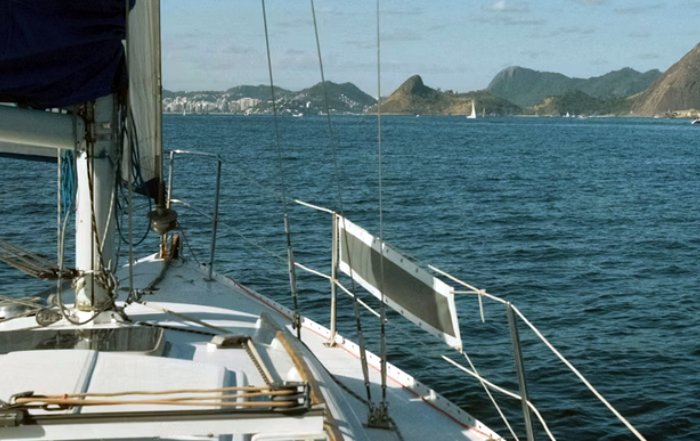
Further south, the states of Rio de Janeiro, and Santa Catarina form the backbone of Brazil's more mature yachting infrastructure. The Costa Verde, stretching from Angra dos Reis through Ilha Grande to Paraty, has consolidated its role as Brazil's primary superyacht playground, offering sheltered waters, hundreds of islands, and a growing network of marinas, shipyards, and service providers capable of supporting vessels from family cruisers to large displacement superyachts. Access to international airports in Rio is a critical factor for time-constrained owners and charter guests arriving from North America, Europe, and Asia, and the region's ability to combine secluded anchorages with sophisticated onshore hospitality has been central to its ascent. For decision-makers evaluating which hull forms, size ranges, and build philosophies best align with these waters, the comparative vessel assessments published in Yacht-Review.com boats section increasingly leverage Brazilian case studies to illustrate long-range and mixed-cruising performance.
In the far south, Florianópolis and the coast of Rio Grande do Sul appeal to a different profile of owner and guest, one drawn to temperate climates, surf culture, and a growing but still relatively under-the-radar nautical tourism scene. These regions are gaining prominence as components of extended South American itineraries that may connect Brazil with Uruguay, Argentina, Patagonia, and even Antarctic expeditions. While superyacht-specific infrastructure is still developing, the area's potential is now routinely highlighted in global yachting discussions and in historical and exploratory narratives, such as those documented in Yacht-Review.com history features, which trace how pioneering voyages have shaped modern route planning.
Design and Technology Requirements for Brazilian Waters
Operating effectively along Brazil's coast in 2026 requires yachts that have been conceived and engineered with regional realities in mind. The country's vast latitudinal range exposes vessels to diverse climatic conditions, from high heat and humidity in the north to more temperate, occasionally volatile weather systems in the south. Naval architects and designers interviewed by Yacht-Review.com consistently emphasize the importance of robust HVAC capacity, efficient insulation, and thoughtful shading strategies, not only for guest comfort but also for energy management and noise control during long anchorage periods in remote bays.
Hull efficiency and fuel capacity remain central concerns, given the significant distances between some key ports and the desire of many owners to undertake extended, semi-autonomous itineraries that include remote islands and less-developed coastal segments. Advances in hybrid propulsion and battery-supported hotel loads, supported by research and standards work from organizations such as DNV and other leading classification societies, are now filtering into a growing number of Brazilian-focused new builds and refits. These systems are valued not only for their environmental benefits, but also for their ability to reduce vibration and noise in sensitive anchorages, thereby enhancing guest experience while aligning with evolving regulatory expectations. Readers seeking deeper technical insight into these developments increasingly rely on Yacht-Review.com technology coverage, where South American deployments are frequently used to illustrate the real-world performance of next-generation systems.
Interior layouts and exterior guest spaces are also being subtly rethought for Brazilian cruising profiles. The strong emphasis on outdoor living, water sports, and culturally immersive shore excursions has encouraged designers to prioritize flexible beach clubs, easily deployable tenders and toys, and multi-purpose lounges that can shift from formal evening entertaining to open, naturally ventilated spaces for tropical nights at anchor. Many custom and semi-custom projects for Brazilian or Brazil-focused owners now incorporate regional materials, artworks, and design motifs, reflecting a desire to express local identity on board. These trends are increasingly documented in Yacht-Review.com design features, where leading studios and shipyards discuss how destination-specific usage patterns influence everything from material selection to storage volumes and crew circulation.
Operational Realities: Regulations, Infrastructure, and Crew
Despite the coastline's allure, successful deployment in Brazil requires rigorous operational planning and a realistic appreciation of regulatory and logistical complexity. Historically, Brazil's cabotage laws, import duties, and customs procedures have been perceived as challenging, particularly for foreign-flagged vessels unfamiliar with local practice. While incremental reforms and clarifications since the early 2020s have improved transparency and predictability, proactive engagement with experienced local agents and maritime legal specialists remains non-negotiable. Organizations such as the International Bar Association (IBA) and reputable maritime law firms now publish regular guidance on Brazilian yachting regulations, and captains planning extended stays increasingly rely on these resources, combined with peer insights exchanged through professional networks and industry media.
Marina and shipyard infrastructure has continued to improve in hubs such as Marina da Glória in Rio de Janeiro, Angra dos Reis, Ilhabela, and Florianópolis, with new developments and expansions designed to accommodate larger yachts and provide higher service standards. However, when benchmarked against long-established Mediterranean centers, berth availability, specialist refit capacity, and access to certain technical services can still be uneven, particularly for yachts over 60 meters or those with highly customized systems. Owners and captains mitigate these constraints through early berth reservations, robust redundancy in critical onboard systems, and carefully curated relationships with local and international contractors. The evolving quality of these services is increasingly reflected in Yacht-Review.com reviews, where first-hand operational feedback from Brazil-based itineraries helps inform future deployment decisions.
Crew management introduces its own set of considerations. Brazil's strong maritime tradition, rooted in commercial shipping, offshore energy, and naval operations, provides a substantial pool of technically capable professionals. However, language, visa policies, and varying exposure to luxury hospitality standards mean that most foreign-flagged superyachts still rely primarily on international crew, selectively integrating Brazilian officers, engineers, and deckhands with specialized local knowledge. For many programs, the optimal model combines an internationally experienced core team with targeted local hires and shore-based specialists, enabling yachts to maintain global service standards while benefiting from regional insight. For captains and managers seeking to structure such hybrid approaches, the operational case studies and interviews featured across Yacht-Review.com increasingly highlight Brazilian experiences as instructive examples.
Experience and Lifestyle: Curating High-Impact Itineraries
The experiential dimension of Brazilian cruising has become central to its appeal among sophisticated owners and charterers who increasingly prioritize narrative-rich, culturally grounded itineraries over purely scenic routes. Rio de Janeiro, for example, allows itineraries that seamlessly integrate private anchorages off lesser-known beaches with targeted access to world-class restaurants, contemporary art institutions, and iconic sites such as Cristo Redentor and Sugarloaf Mountain, many of which are documented by UNESCO and leading cultural organizations. The ability to move from a quiet breakfast at anchor to a curated afternoon in a gallery district and a private evening event ashore gives Brazil a level of experiential layering that many traditional resort destinations struggle to match.
For multi-generational family groups, Brazil's coast offers a rare combination of sheltered waters, wildlife interactions, and educational opportunities. Guided rainforest hikes, visits to marine research centers, and workshops with local artisans in towns such as Paraty and Salvador can be woven into itineraries that balance relaxation with structured learning, turning the yacht into a mobile classroom and shared family retreat. Content within Yacht-Review.com family features increasingly references Brazilian case studies to illustrate how owners can design voyages that deliver both emotional resonance and intergenerational engagement.
Lifestyle considerations further amplify Brazil's relevance within the global yachting ecosystem. The country's music, fashion, and culinary scenes have long held international influence, and in recent years, high-end hospitality brands have expanded their footprint in coastal regions, particularly in Rio, Bahia, and Santa Catarina. For owners and charter guests who seek integrated luxury experiences that extend beyond the vessel, Brazil's capacity to deliver private onshore events, wellness retreats, and bespoke cultural programs is a significant differentiator. This integration of onboard privacy with curated shore-based lifestyle experiences is a recurring theme in Yacht-Review.com lifestyle coverage, where Brazilian destinations are increasingly profiled as benchmarks for experience-driven yachting.
Sustainability and Environmental Stewardship in 2026
By 2026, sustainability has moved from a desirable attribute to a core operational and reputational requirement, particularly in ecologically sensitive regions such as Brazil's coral reefs, mangrove systems, and marine reserves. Environmental organizations including WWF and leading academic institutions continue to highlight the vulnerabilities of Brazil's coastal ecosystems, which face pressures from urbanization, industrial activity, and climate change. For yacht owners, captains, and charter operators, this reality translates into both a responsibility to mitigate impact and an opportunity to position their programs at the forefront of responsible, science-aligned marine tourism.
Technologically, many yachts now operating along the Brazilian coast are equipped with advanced wastewater treatment systems, low-friction and low-toxicity hull coatings, and energy management platforms that optimize generator usage and integrate renewable inputs where feasible. Operationally, best practice increasingly includes strict adherence to no-discharge zones, the use of mooring buoys rather than anchors in sensitive areas, and careful route planning to minimize disturbance to key habitats and species. Collaborative programs with local conservation organizations and research institutions are becoming more common, allowing guests to participate in citizen science initiatives or observe fieldwork, thereby adding intellectual and emotional depth to the cruising experience. For readers seeking to align their own operations with these emerging standards, Yacht-Review.com sustainability content regularly showcases Brazilian examples of how high-end yachting can contribute positively to marine stewardship.
Regulatory frameworks are also evolving. Influenced by international agreements and guidelines from bodies such as the International Maritime Organization, Brazil is gradually tightening environmental controls in protected areas, including stricter rules on anchoring, emissions, and waste disposal. Enforcement remains uneven across regions, but the trajectory is clear, and owners who choose to anticipate rather than merely comply with future regulations position themselves to secure continued access to premium cruising grounds while enhancing the credibility of their environmental narratives with guests and stakeholders. Those interested in broader perspectives on sustainable business practices and regulatory trends can deepen their understanding through platforms such as the OECD, which increasingly frame environmental performance as a core dimension of long-term competitiveness.
Community, Events, and the Rise of a Brazilian Yachting Culture
The growth of Brazil as a yachting destination is not solely a function of geography and infrastructure; it is also driven by the emergence of a more cohesive and internationally connected yachting community. Yacht clubs, regattas, and boating festivals in Rio de Janeiro, and other coastal cities are attracting a rising mix of domestic and foreign participants, and major European and North American builders, brokers, and service providers are investing more heavily in Brazilian market development. This convergence is gradually creating an ecosystem in which Brazilian clients gain improved access to global brands and expertise, while foreign owners benefit from stronger local support networks and more refined event calendars.
For Yacht-Review.com readers who evaluate destinations partly through the lens of community and networking potential, Brazil's maturing yachting culture represents a valuable layer of opportunity. Regional boat shows, owner forums, and investment-focused gatherings now feature more prominently in Yacht-Review.com events reporting, which tracks how Brazil is positioning itself within the global yachting calendar and where cross-border collaboration, charter expansion, and deal flow are likely to emerge.
Community engagement is also increasingly intertwined with social responsibility. Many owners and charter operators now incorporate community-focused activities into Brazilian itineraries, whether through support for coastal education initiatives, collaborations with local artisans and cultural institutions, or direct contributions to marine conservation and resilience projects. This alignment with impact-oriented travel and corporate social responsibility resonates strongly with younger generations of owners and charter clients in North America, Europe, Asia, and Africa, who often seek experiences that combine luxury with purpose. The evolution of community-centric yachting in Brazil is reflected in Yacht-Review.com community features, which highlight best practices and case studies from around the world, with Brazil increasingly cited as an instructive example.
Positioning Brazil within a Global Cruising and Deployment Strategy
For owners, charter firms, and family offices managing globally mobile fleets, Brazil should be viewed as a strategic node within a broader network of cruising regions rather than as a standalone destination. Its geographic position makes it a natural bridge between the Caribbean, North America, the South Atlantic, and, for suitably capable vessels, transoceanic routes to Africa and Europe. Well-conceived itineraries can link Miami and the Bahamas with northeastern Brazil, then track south along the Costa Verde and onward to Uruguay and Argentina, or pivot eastward across the Atlantic. Long-range yachts designed for autonomy, efficiency, and crew comfort, of the sort frequently profiled in Yacht-Review.com global cruising coverage, are particularly well suited to such integrated routing.
From a seasonal perspective, Brazil's climate profile allows owners to extend utilization beyond traditional peaks. Vessels that spend northern summers in the Mediterranean and winters in the Caribbean can use Brazil to capture shoulder-season demand or to offer repeat clients fresh experiences without sacrificing climate comfort or service levels. Implementing such a strategy requires careful synchronization of maintenance windows, crew rotations, and logistics, including provisioning and spare parts, but the potential payoff in terms of both revenue and guest satisfaction is significant. For many programs, Brazil has become the missing piece that transforms a two-region circuit into a genuinely global deployment model.
Ultimately, the decision to incorporate Brazil into a long-term cruising strategy depends on each owner's appetite for complexity, cultural engagement, and exploratory cruising. However, as the industry continues to shift toward experience-led, globally distributed usage patterns, Brazil's combination of natural beauty, cultural richness, and steadily improving infrastructure aligns closely with the expectations of Yacht-Review.com readers across North America, Europe, Asia, Africa, and South America.
Conclusion: Brazil as a Forward-Looking Yachting Frontier
By 2026, cruising the Brazilian coast by yacht has progressed from an adventurous outlier to a credible, strategically sound option for owners and charterers who seek to balance luxury, authenticity, and long-term value. The country's extensive and varied coastline, its evolving marina and service infrastructure, its complex but increasingly navigable regulatory environment, and its rich cultural and environmental assets collectively position Brazil as a destination of growing structural importance to the global yachting community.
For the international audience of Yacht-Review.com-seasoned owners, aspiring buyers, charter professionals, designers, technologists, and family offices spanning the United States, United Kingdom, Germany, Canada, Australia, Europe, Asia, Africa, and South America-Brazil offers more than a new backdrop; it offers a framework for rethinking how and where yachts are used, what kinds of experiences they enable, and how they interact with communities and ecosystems. As the sector continues to prioritize sustainability, technological innovation, and meaningful, narrative-rich travel, Brazil's coastal regions provide a real-world laboratory in which these priorities can be tested, refined, and scaled.
By leveraging the integrated insights available across Yacht-Review.com-from detailed reviews and design perspectives to in-depth cruising, business, and sustainability coverage-decision-makers can approach Brazilian cruising not as an experiment, but as a well-informed, strategically aligned component of a global yachting program. In this sense, Brazil's coast is not merely another line on the chart; it is a catalyst for a more connected, responsible, and forward-looking vision of yachting that will help define the industry's trajectory well beyond 2026.