

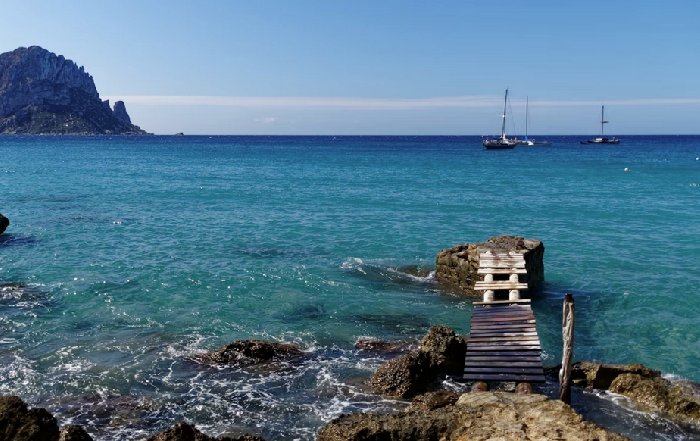
The Enduring Allure of Italy's Amalfi Coast by Sea
A Mature Icon of Mediterranean Luxury
Today the Italian Amalfi Coast has moved beyond its status as a rising star of Mediterranean yachting and firmly established itself as a mature, globally recognized hub where luxury lifestyle, investment strategy, maritime heritage, and advanced yacht technology converge in a highly sophisticated ecosystem. For the international audience that relies on yacht-review.com for authoritative insight, the region is no longer perceived merely as a picturesque backdrop for summer cruising; it has become a strategic focal point in the broader conversation about how high-end yachting is evolving in Europe and worldwide.
Stretching along approximately 50 kilometers of the southern Sorrentine Peninsula, the Amalfi Coast encompasses the celebrated towns of Positano, Amalfi, Ravello, and Praiano, together with a constellation of smaller villages and hidden coves that reveal a more intimate character when approached from the water rather than via the famously congested coastal road. This juxtaposition between high visibility and discreet seclusion has contributed significantly to the region's enduring appeal for discerning yacht owners, charter clients, and family groups from the United States, United Kingdom, Germany, Canada, Australia, France, Italy, Spain, the Netherlands, Switzerland, and an increasingly strong clientele from Asia and the Middle East.
For the editorial team and contributors at yacht-review.com, which has spent years documenting shifts in cruising patterns, lifestyle expectations, and global yachting dynamics, the Amalfi Coast serves as a revealing case study in how a historic maritime landscape can adapt to new market realities without losing its cultural identity. The region's evolution reflects a wider industry transition toward more experience-driven, environmentally conscious, and technologically enabled forms of luxury travel, a transition that readers increasingly expect to see analyzed with depth, data, and on-the-water experience.
Why the Coastline Is Best Understood from the Water
Experiencing the Amalfi Coast by land offers undeniable charm, yet the perspective from the sea remains fundamental to understanding why this area has captivated mariners for centuries. Approaching Positano at first light, with its pastel façades rising almost vertically from the shoreline, reveals an architectural drama that is largely lost in the narrow streets above. Similarly, gliding toward Amalfi itself, once a powerful maritime republic, allows today's yacht guests to grasp how the natural amphitheater of mountains, cathedral, and compact harbor once framed a thriving seafaring power that connected Italy with the wider Mediterranean world.
From a practical standpoint, arriving and moving along the coast by yacht provides a degree of control, privacy, and time efficiency that is increasingly prized by a global clientele whose schedules are constrained and whose expectations for seamless service are high. During peak summer months, the coastal road can become heavily congested, whereas a well-managed yacht itinerary allows guests to bypass traffic entirely, tendering ashore at carefully chosen times and locations. This flexibility is particularly valuable for multigenerational families and mixed-interest groups, a segment that yacht-review.com examines in its coverage of family-oriented experiences, because it enables each day to be tailored dynamically to different energy levels, from early-morning swims off the stern platform to late-night shore dinners in secluded restaurants.
The experiential advantage of the sea extends into gastronomy, which remains one of the Amalfi Coast's strongest calling cards. Yachts can coordinate directly with local producers for deliveries of just-caught seafood, Amalfi lemons, and regional wines, while tenders facilitate access to waterfront trattorias and Michelin-starred establishments that showcase a cuisine shaped by centuries of maritime trade and terraced agriculture. Those seeking a broader perspective on Mediterranean food, wine, and high-value travel can follow the work of the European Travel Commission, which tracks evolving patterns in premium tourism across Europe and provides useful context for understanding why destinations like the Amalfi Coast continue to outperform in terms of brand recognition and visitor spend.
Design, Aesthetics, and the Dialogue Between Yacht and Landscape
For readers of yacht-review.com who focus on design, naval architecture, and the aesthetics of contemporary yacht building, the Amalfi Coast functions as a living gallery in which vessels are constantly framed against one of the world's most distinctive coastal landscapes. The steeply terraced villages, stone watchtowers, and vertiginous lemon groves create a layered visual environment that interacts in subtle ways with the lines, materials, and proportions of yachts anchored just offshore.
Modern superyachts from European and international yards such as Benetti, Sanlorenzo, Azimut, Feadship, and Lürssen increasingly emphasize expansive glazing, open beach clubs, and versatile exterior decks designed to blur the boundaries between interior and exterior spaces. When these vessels lie at anchor off Positano, the Li Galli islands, or the bays near Praiano, the design intent becomes particularly clear: guests inhabit a series of floating terraces from which they can observe the changing light on the cliffs, the color shifts of the Tyrrhenian Sea, and the evening illumination of hillside villages. For designers, the Amalfi Coast underscores the importance of sightlines, shading devices, and the careful choreography of circulation between sun, shade, and water-level access.
The design conversation, however, is no longer limited to aesthetics. The region's steep underwater topography, limited marina capacity, and seasonal crowding demand yachts that are agile, quiet, and efficient. Hybrid propulsion systems, advanced stabilizers, and low-emission generators are becoming standard considerations for owners who intend to spend significant time in the Mediterranean's high-profile anchorages. Organizations such as the International Council of Marine Industry Associations (ICOMIA) provide technical guidance and market data that influence how shipyards and naval architects respond to these demands, and yacht-review.com regularly interprets such developments in its technology coverage, connecting regulatory trends and engineering innovation with real-world cruising scenarios along coasts like Amalfi.
Charter, Investment, and the Business Logic of a Premier Destination
The business dimension of the Amalfi Coast has become increasingly sophisticated by 2026, reflecting both the maturation of its charter market and the globalization of its clientele. The region now attracts a broad mix of vessels, from compact crewed motor yachts and sailing yachts favored by younger entrepreneurs to 60-meter-plus superyachts and support vessels catering to ultra-high-net-worth individuals from North America, Europe, Asia, and the Middle East. Proximity to major air gateways such as Naples, Rome, and Milan, together with strong connections from London, New York, Frankfurt, Toronto, Sydney, Paris, Singapore, and Hong Kong, ensures that even short-notice charters can be organized with relative ease.
For owners and operators, the Amalfi Coast represents both an opportunity and a logistical challenge. High-season berth availability in marinas such as Marina di Stabia, Marina Piccola in Sorrento, and facilities around Salerno remains constrained, driving some owners to base their yachts in alternative hubs such as Sardinia, the Côte d'Azur, or the Balearic Islands and incorporate Amalfi into broader Western Mediterranean itineraries. This approach can optimize both vessel utilization and guest experience, but it requires careful planning of repositioning voyages, crew rotations, and charter scheduling. Readers can find sector-specific interpretation of these dynamics in the business section of yacht-review.com, where macroeconomic indicators and regional tourism data are translated into practical guidance for industry stakeholders.
The seasonal profile of the region has also shifted. While July and August remain peak months, the shoulder seasons of May, June, September, and early October have become increasingly attractive to sophisticated travelers seeking milder temperatures, fewer crowds, and more favorable pricing. This extension of the active season has important implications for revenue management, maintenance windows, and crew welfare. Research from organizations such as the World Travel & Tourism Council indicates that spreading visitor flows more evenly across the year can help relieve pressure on local infrastructure while maintaining economic benefits, a balance that the Amalfi Coast must continue to refine as visitor numbers grow and local communities demand more sustainable tourism models.
For investors and family offices viewing yachts as part of a diversified portfolio, the Amalfi Coast serves as a tangible illustration of how destination desirability, regulatory stability, and brand prestige interact to influence charter yields and resale values. Broader economic context from bodies such as the Organisation for Economic Co-operation and Development (OECD) can be helpful in understanding how shifts in global wealth distribution, currency fluctuations, and consumer sentiment may affect demand for high-end cruising in regions like Campania over the medium term.
Technology, Seamanship, and Operational Excellence
Operating along the Amalfi Coast may appear straightforward to the casual observer, but the combination of steep seabed gradients, localized weather patterns, intense seasonal traffic, and limited anchoring options demands a high standard of seamanship supported by sophisticated technology. Captains must navigate not only the physical coastline but also ferry routes, excursion boats, and the increasing presence of day-charter craft, particularly during weekends and local holidays.
Advanced navigation systems with high-resolution electronic charts, integrated radar, and AIS are now standard on most yachts visiting the area, while dynamic positioning systems are increasingly used to maintain precise station in tight anchorages or near drop-off zones without excessive anchor deployment. High-quality weather routing, drawing on satellite data and localized forecasting, helps captains anticipate afternoon sea breezes, swell patterns, and sudden thunderstorms that can complicate tender operations and guest activities. The work of agencies such as the European Maritime Safety Agency informs many of the safety and environmental standards that apply in European waters, and these frameworks shape how yachts are equipped and operated in sensitive coastal zones like Amalfi.
Despite the ubiquity of technology, the human factor remains critical. Experienced captains maintain contingency plans for full marinas and crowded anchorages, cultivate strong relationships with local harbor masters and agents, and place particular emphasis on tender handling skills, line management, and guest safety during transfers to and from shore. For larger yachts hosting VIP guests, coordination between bridge, deck, and interior teams becomes especially important as daily plans shift in response to weather, traffic, or spontaneous guest preferences. In its boats and reviews and detailed review content, yacht-review.com consistently emphasizes that the most successful Amalfi itineraries are those where advanced systems and traditional seamanship are fully integrated rather than seen as substitutes for one another.
History, Culture, and the Intellectual Appeal of the Coast
Beyond its immediate visual impact, the Amalfi Coast offers a depth of historical and cultural resonance that appeals strongly to a well-informed, globally mobile yachting audience. The town of Amalfi, once a formidable maritime republic rivaling Venice, Genoa, and Pisa, still bears architectural and archival traces of its seafaring past, from its cathedral and cloisters to remnants of ancient shipyards and arsenals. For many visitors arriving by yacht, there is a powerful sense of continuity in approaching this harbor by sea, echoing centuries of merchants, sailors, and pilgrims who did the same.
The cultural landscape extends inland and upward. Ravello, perched high above the coastline, has long attracted composers, writers, and intellectuals, and its music festivals and artistic events continue to draw an international audience. Many yacht itineraries incorporate shore excursions to historic villas, churches, and gardens, creating a rhythm in which days alternate between water-based activities and cultural immersion. For those interested in the deeper historical narratives that underpin modern cruising destinations, yacht-review.com curates a dedicated history section, contextualizing regions like Amalfi within broader stories of navigation, shipbuilding, and maritime trade.
The designation of the Amalfi Coast as a UNESCO World Heritage Site highlights both its universal value and the responsibilities that come with increased exposure. Guidelines and case studies from UNESCO explore how destinations can balance visitor access with preservation of cultural landscapes, and these themes resonate strongly with yacht owners and charterers who wish to enjoy such locations without contributing to their degradation. The intellectual appeal of the Amalfi Coast, therefore, lies not only in its beauty but also in the way it invites reflection on the relationship between sea, commerce, culture, and conservation.
Sustainability, Regulation, and the Future of Cruising Amalfi
By 2026, sustainability has become a core pillar of decision-making in the yachting sector rather than a peripheral concern, and the Amalfi Coast stands at the forefront of this shift. The region's limited land area, fragile marine ecosystems, and intense seasonal visitation have prompted local authorities, marina operators, and yacht stakeholders to reassess how anchoring, waste management, and emissions are managed. Owners and charterers are increasingly aware that their choices have direct consequences for the clarity of the water, the health of marine life, and the daily lives of residents.
Technological responses include the adoption of hybrid propulsion systems, battery-assisted hotel loads, and fully electric tenders, which can significantly reduce noise and exhaust in crowded anchorages. Hull optimization, advanced antifouling coatings, and energy-efficient hotel systems are becoming standard discussion points in new-build and refit projects intended for Mediterranean cruising. Regulatory frameworks shaped by the International Maritime Organization continue to tighten emissions and waste discharge standards, particularly for larger vessels, and regional authorities are increasingly willing to enforce anchoring restrictions to protect seagrass meadows and sensitive seabeds.
For yacht-review.com, sustainability is treated as an operational and strategic reality rather than a marketing slogan. Its dedicated sustainability coverage focuses on technologies, practices, and case studies that can be implemented now, from choosing marinas with robust environmental certifications to working with local suppliers who prioritize responsible sourcing and reduced packaging. Readers interested in the broader intersection of environmental performance and business strategy can learn more about sustainable business practices through the United Nations Environment Programme, which analyzes how industries such as tourism and maritime transport are transitioning toward lower-impact models.
In the context of Amalfi, practical steps include favoring shoulder seasons to reduce peak pressure, coordinating itineraries that distribute visits across multiple towns, adopting best-practice anchoring techniques or using mooring buoys where available, and ensuring that crew are trained to handle waste, recycling, and greywater in compliance with both international and local regulations. The future of cruising this coastline will depend on the industry's ability to align guest expectations with responsible behavior, a theme that yacht-review.com will continue to examine closely.
Community, Events, and the Social Fabric of Yachting
The Amalfi Coast is not simply a scenic amphitheater for private enjoyment; it is a living community whose residents, businesses, and institutions interact daily with the yachting sector. Local captains, pilots, marina teams, restaurateurs, artisans, and service providers all play a part in shaping the guest experience, and their livelihoods are increasingly intertwined with the seasonal rhythms of yachting. Responsible engagement-paying fair rates, respecting local customs, supporting independent businesses-helps sustain this social fabric and reinforces the welcome extended to visiting yachts.
Events form a key point of connection between the local community and the international yachting world. Regattas, cultural festivals, and culinary gatherings attract yachts from across Europe, North America, and Asia, turning the coast into a stage for both leisure and business networking. Shipyards, brokerage houses, and luxury brands often use these occasions to host private viewings, client dinners, and informal meetings, recognizing that the setting itself enhances relationship-building. The events coverage on yacht-review.com tracks how such gatherings contribute to the industry's calendar and influence decisions on yacht positioning, charter availability, and corporate hospitality.
At a more intimate level, the Amalfi Coast has become a favored setting for family celebrations, from milestone birthdays and anniversaries to smaller, more private gatherings that blend Italian hospitality with the privacy afforded by a yacht. The emotional resonance of anchoring beneath Ravello's cliffs or dining on deck with Positano illuminated in the background contributes to a growing body of personal narratives that yacht-review.com explores in its community-focused reporting. These stories, while individual, collectively shape how the global yachting community perceives and values time spent at sea.
Integrating Amalfi into Broader Mediterranean and Global Itineraries
Although the Amalfi Coast can easily absorb a full week or more of dedicated cruising, it increasingly functions as a key module in broader itineraries that reflect the global mobility of today's owners and charter clients. A typical route might begin in Naples, include Capri, Amalfi, and Ravello, and then extend south toward the Cilento Coast and Sicily, or westward toward the Pontine Islands and onward to the French Riviera or Balearic Islands. For transatlantic clients from North America or long-haul travelers from Asia-Pacific hubs such as Singapore, Tokyo, or Sydney, Amalfi often forms one chapter in a multi-week journey that may also include Spain, France, and occasionally North African or Adriatic ports.
This modular approach to itinerary design aligns with the broader trends that yacht-review.com follows in its travel-focused content, where flexibility, authenticity, and a balance between iconic destinations and lesser-known anchorages are increasingly prioritized. It also underscores the importance of robust logistics, from provisioning and technical support to crew changes and regulatory compliance across multiple jurisdictions. Data and analysis from the World Tourism Organization highlight the continuing dominance of Europe-and particularly the Mediterranean basin-in global tourism flows, while also pointing to rising outbound demand from markets such as China, South Korea, and Brazil, whose travelers are beginning to appear more frequently in high-end charter bookings.
For yacht owners and managers, integrating Amalfi into a wider cruising program involves strategic decisions about where to base the vessel, how to sequence charter weeks and owner use, and how to coordinate with local agents across multiple countries. These decisions are increasingly influenced by sustainability considerations, port regulations, and changing client expectations, all of which yacht-review.com seeks to illuminate through its multi-disciplinary coverage that spans news, technology, business, and lifestyle.
Yacht-Review.com's Role in an Evolving Seascape
As the yachting industry becomes more complex-driven by rapid technological innovation, evolving regulatory frameworks, and shifting patterns of global wealth-trusted, experience-based information has become essential. yacht-review.com, with its integrated focus on reviews, boats, technology, business, and lifestyle, positions itself as a reference point for decision-makers who require not only descriptive content but also critical analysis anchored in real-world operations.
In relation to the Amalfi Coast, this means going beyond the familiar imagery of pastel villages and azure seas to address port infrastructure, seasonality, environmental stewardship, and community relations. It involves recognizing the diverse interests of readers from the United States, United Kingdom, Germany, Canada, Australia, France, Italy, Spain, the Netherlands, Switzerland, China, Sweden, Norway, Singapore, Denmark, South Korea, Japan, Thailand, Finland, South Africa, Brazil, Malaysia, New Zealand, and across Europe, Asia, Africa, South America, and North America, while remaining attentive to the specifically Italian character that makes this coast unique.
For those planning a charter, considering yacht ownership, evaluating refit options, or simply refining their understanding of one of the world's most emblematic cruising grounds, the Amalfi Coast by sea continues to offer an unparalleled combination of beauty, culture, and strategic opportunity. Through its ongoing coverage at yacht-review.com, the platform aims to ensure that this coastline is approached with informed appreciation, operational excellence, and a long-term mindset that respects both the sea and the communities that depend upon it.