

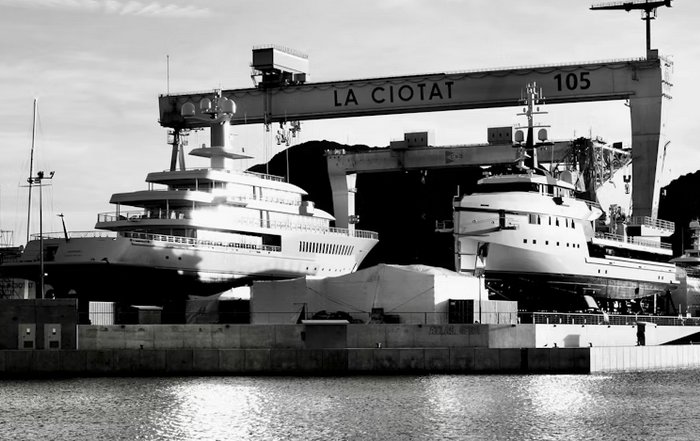
European Custom Yachts: A Strategic View
A New Phase for Europe's Custom Shipyards
The European custom yacht sector has entered a more mature and strategically complex phase than at any point in its modern history, and from the vantage point of yacht-review.com, which has been documenting this evolution for over two decades, the picture that emerges is one of continuity in craftsmanship combined with profound shifts in technology, regulation, and owner expectations across North America, Europe, Asia, Africa, and South America. The traditional strongholds of yacht building in Italy, the Netherlands, Germany, the United Kingdom, France, Spain, and the Nordic countries now operate within a global competitive arena in which clients from the United States, United Kingdom, Germany, Canada, Australia, France, Italy, Spain, the Netherlands, Switzerland, China, Sweden, Norway, Singapore, Denmark, South Korea, Japan, Thailand, Finland, South Africa, Brazil, Malaysia, and New Zealand expect not just impeccable build quality, but also demonstrable expertise, transparent processes, and verifiable environmental performance.
The defining feature of the custom segment remains its one-off nature: each yacht is conceived around a specific owner's operational profile, aesthetic preferences, and family or corporate requirements, making every project a long-term partnership between owner, yard, and design team. Such projects, particularly in the 60-120 metre range, require a level of experience and trustworthiness that only a select group of European shipyards can credibly offer. This elite group continues to set the benchmark internationally, supported by a dense ecosystem of naval architects, classification societies, maritime research institutes, and specialist subcontractors. Readers seeking a structured overview of the resulting fleet can explore the editorially curated portfolio on yacht-review.com/reviews.html, where individual projects are analysed not only as luxury assets but as complex, high-performance maritime platforms.
Heritage, Reputation, and Long-Term Relationships
The authority of Europe's leading custom yards is rooted in a combination of heritage and demonstrable performance over many decades. Companies such as Feadship, Benetti, Amels, Heesen Yachts, Oceanco, and CRN have evolved from regional builders into global reference points, yet they retain a strong sense of identity tied to specific shipbuilding regions in the Netherlands, Germany, Italy, and beyond. For the clients and family offices with whom yacht-review.com regularly speaks, this heritage is not a matter of nostalgia; it is a form of risk mitigation, since commissioning a nine-figure asset with a multi-year build schedule and a service life measured in decades demands absolute confidence in the yard's financial stability, technical competence, and after-sales support.
These reputations have been reinforced by sustained investment in research and development, often in collaboration with institutions such as MARIN in the Netherlands and global classification societies including DNV and Lloyd's Register, whose work on hydrodynamics, structural integrity, and safety systems underpins many of the design decisions now taken almost for granted by owners and captains. For readers interested in how this long arc of innovation intersects with traditional craftsmanship, the historical essays and archival material on yacht-review.com/history.html illustrate how European yards have repeatedly adapted to new materials, propulsion technologies, and regulatory regimes without losing the artisanal skills that still define the finishing of a truly bespoke yacht.
From a relationship perspective, European shipyards increasingly position themselves as long-term partners rather than one-time suppliers, offering integrated new-build, refit, and lifecycle support packages that can extend across multiple generations of ownership. This approach resonates strongly with clients in the United States, United Kingdom, Germany, Switzerland, and the Middle East, where yachts are often embedded in broader family governance and asset management structures, and where continuity of technical and operational knowledge is seen as a key contributor to both safety and asset value preservation.
Design as Strategic Asset Rather Than Surface Aesthetic
In 2026, design has solidified its role as a strategic asset that shapes not only the visual identity of a custom yacht but also its operational flexibility, regulatory compliance, and long-term resale potential. European shipyards work closely with renowned design studios such as Winch Design, RWD, Zuccon International Project, and Nuvolari Lenard, creating a collaborative environment in which exterior styling, interior layout, and technical architecture are developed in parallel rather than sequentially. The editorial team at yacht-review.com has observed that the most successful recent projects are those where this triad of aesthetics, engineering, and operations is addressed holistically from the earliest concept stages, a theme explored in depth in the design-focused analyses on yacht-review.com/design.html.
Current design language across European custom builds reflects a clear move towards openness and multifunctionality. Full-height glass, fold-out balconies, and expansive beach clubs blur the boundary between interior and exterior spaces, enabling owners and guests to experience the sea in a more immediate and informal way, whether cruising the Mediterranean, island-hopping in Greece, exploring the coastlines of Italy and Spain, or navigating the fjords of Norway. Layouts are increasingly configured for multi-generational use, with flexible guest suites, convertible salons, and distinct zones for family, business, and charter operations, a trend particularly evident among North American, European, and Asia-Pacific clients who expect their yachts to function as both private retreats and corporate hospitality platforms.
From a technical perspective, design decisions are now inseparable from performance and sustainability considerations. Advanced hull forms, hybrid propulsion architectures, and energy-efficient hotel systems are being integrated from the outset, supported by computational fluid dynamics, digital twin modelling, and extensive tank testing. Institutions such as the Royal Institution of Naval Architects provide valuable insight into the engineering principles behind these developments, while the technology features on yacht-review.com/technology.html examine how digital tools are shortening development cycles, improving accuracy, and enabling more informed trade-offs between speed, range, comfort, and environmental footprint.
Custom Yachts as Global Cruising and Exploration Platforms
One of the most significant shifts documented by yacht-review.com over the past decade has been the redefinition of the custom yacht from a primarily Mediterranean or Caribbean leisure platform into a genuinely global vessel, capable of operating safely and comfortably in a wide range of climatic and regulatory environments. Owners from the United States, Canada, Brazil, Australia, New Zealand, China, Singapore, and the Middle East are increasingly commissioning yachts with extended-range fuel capacity, enhanced autonomy, and robust redundancy in critical systems, enabling itineraries that encompass not only established cruising grounds but also high-latitude regions and remote archipelagos.
European shipyards have responded with a new generation of expedition-capable custom yachts, many of which incorporate ice-class hulls, reinforced bow structures, and specialised tenders and submersibles for destinations such as Greenland, Antarctica, and the Arctic, while others are optimised for shallow-draft operations in the Bahamas, Florida Keys, Southeast Asia, and the Pacific islands. These vessels often feature extensive storage for provisions, scientific equipment, and humanitarian or conservation supplies, reflecting a broader trend towards purposeful cruising in which owners engage with environmental, cultural, or philanthropic projects during their voyages. Coverage by publications like Boat International and Superyacht Times has highlighted the growing share of explorer-style yachts in the global order book, and yacht-review.com has mirrored this shift in its own editorial priorities, particularly within the cruising and travel sections.
For readers interested in how these capabilities translate into practical itineraries and onboard routines, the route-focused features on yacht-review.com/cruising.html and the destination insights on yacht-review.com/travel.html provide detailed narratives of voyages through Europe, the Americas, Asia, Africa, and the South Pacific. These accounts underscore a central theme: the most compelling custom yachts of 2026 are not designed as static symbols of wealth but as versatile, resilient platforms for global mobility and experience-driven ownership.
Market Dynamics, Ownership Models, and Business Strategy
Behind the visible fleet of European custom yachts lies a complex business landscape shaped by macroeconomic volatility, evolving regulatory frameworks, and changing attitudes towards asset ownership and transparency. Inflationary pressures, supply chain disruptions, and heightened scrutiny of cross-border financial flows have all influenced build costs, delivery schedules, and due diligence processes, particularly for large projects involving owners from multiple jurisdictions across Europe, North America, Asia, and the Middle East. Consulting firms such as McKinsey & Company and Deloitte have noted similar dynamics across the broader luxury sector, where clients demand both elevated experiences and robust compliance with emerging environmental, social, and governance expectations.
European shipyards have adapted by professionalising their project management and client-facing structures, integrating legal, tax, and regulatory expertise into the early stages of the build process, and offering more transparent reporting on cost, schedule, and risk. There has also been a marked expansion of lifecycle service offerings, including refit, technical management, crew training, and asset optimisation, allowing yards to maintain a closer relationship with their fleets and generate recurring revenue streams beyond new-build activity. The business-focused reporting on yacht-review.com/business.html examines how these strategies are reshaping the financial profile of leading yards and influencing owner decision-making around build locations, flag states, and operational bases.
Ownership models themselves are diversifying, with a growing proportion of large custom yachts held through family offices, private investment vehicles, or corporate structures that integrate charter operations, philanthropy, and brand-building. In markets such as the United States, United Kingdom, Germany, Switzerland, Singapore, and the United Arab Emirates, yachts are increasingly viewed as multi-dimensional assets that combine lifestyle value with reputational, networking, and even strategic business benefits. This shift is accompanied by greater professionalisation on the client side, with specialist advisors, legal counsel, and technical consultants playing a central role in yard selection, contract negotiation, and project oversight, a development that further raises the bar for transparency and performance on the part of European shipyards.
The Digitally Integrated Yacht and the Cybersecure Shipyard
Technology integration has moved from being a differentiating feature to a fundamental requirement in the custom yacht market, and by 2026, European yards are expected to deliver vessels that function as fully integrated digital environments, with seamless connectivity, intelligent automation, and robust cybersecurity as standard. Onboard systems now encompass advanced bridge and navigation suites, integrated monitoring and control platforms, predictive maintenance algorithms, and high-bandwidth connectivity solutions capable of supporting remote work, telemedicine, and immersive entertainment, even in remote regions.
These developments are framed by evolving regulatory and standards-based requirements, with organisations such as the International Maritime Organization and the International Electrotechnical Commission (IEC) providing guidance on areas including navigation safety, emissions control, and cyber risk management. For shipyards, the challenge lies in orchestrating multiple technology vendors and integrators into a coherent, secure, and user-friendly whole, while also ensuring that systems remain upgradable over the vessel's lifecycle as hardware and software evolve. The editorial coverage on yacht-review.com/technology.html explores how leading European builders are addressing this challenge through digital twin environments, remote diagnostics, and closer partnerships with suppliers of automation, connectivity, and security solutions.
From the perspective of yacht-review.com, the ability of a yard to deliver a reliable, intuitive, and cybersecure digital infrastructure is now a critical criterion in evaluating its expertise and trustworthiness, especially for owners who intend to use their yachts as extensions of their primary residences and workplaces. This is particularly relevant for clients in technology-intensive sectors in the United States, Canada, Germany, the United Kingdom, and Asia, who often bring their own expectations and risk frameworks from corporate IT environments to their private maritime assets.
Sustainability, Regulation, and the Social Licence to Operate
Sustainability has evolved from a marketing talking point into a central strategic axis for European custom yards, driven by regulatory requirements, owner values, and the broader societal debate about the environmental footprint of luxury consumption. Regulatory frameworks such as IMO Tier III emissions standards, the European Union's Fit for 55 package, and national-level measures in the United States, United Kingdom, and other jurisdictions are pushing the industry towards cleaner propulsion systems, alternative fuels, and more efficient onboard energy management, with significant implications for naval architecture, engine room design, and operational practices.
European shipyards have been proactive in this domain, investing in hybrid and diesel-electric propulsion, advanced battery systems, shore power connectivity, waste heat recovery, and low-impact materials, while also engaging in collaborative initiatives with organisations such as the Water Revolution Foundation and Blue Marine Foundation to develop tools for lifecycle assessment, eco-design, and conservation partnerships. Owners from Northern Europe, North America, Australia, and parts of Asia increasingly expect their yachts to reflect their personal and corporate commitments to environmental responsibility, whether through reduced emissions, support for marine research, or participation in conservation programmes. For those seeking a deeper understanding of these developments, the sustainability-focused features on yacht-review.com/sustainability.html examine both technological solutions and evolving cruising practices, including slower-speed passages, destination stewardship, and engagement with local communities.
In editorial terms, yacht-review.com now treats sustainability as a core dimension of shipyard evaluation, alongside build quality, design innovation, and after-sales service. Yards that demonstrate transparent reporting, clear research roadmaps, and genuine collaboration with scientific and environmental organisations are increasingly foregrounded in reviews and shipyard profiles, as their efforts contribute directly to the sector's social licence to operate in sensitive marine environments worldwide.
Lifestyle, Family Dynamics, and Cultural Nuance
Beyond technology and regulation, the enduring value of a custom yacht is measured by its capacity to support rich, multi-layered human experiences, and this is an area where European yards have refined their expertise substantially in recent years. Clients from the United States, Canada, the United Kingdom, Germany, France, Italy, Spain, the Netherlands, Scandinavia, China, Singapore, the Middle East, South Africa, and Brazil now approach yacht ownership with highly specific expectations around family life, wellness, privacy, security, and cultural expression, and custom projects are increasingly shaped by detailed lifestyle briefs that go far beyond traditional notions of luxury.
Interior layouts are being tailored to support multi-generational use, including children, teenagers, older family members, and staff, with attention to acoustic separation, circulation flows, and adaptable spaces that can transition between informal family gatherings, formal dining, corporate meetings, and philanthropic events. Dedicated wellness areas with gyms, spas, treatment rooms, and sometimes medical facilities have become standard on larger custom yachts, while some owners commission spaces for art collections, music studios, research laboratories, or educational programmes for children, reflecting a desire to integrate personal passions and family development into the onboard environment. The lifestyle-oriented reporting on yacht-review.com/lifestyle.html and the family-focused insights on yacht-review.com/family.html highlight how these evolving expectations are reshaping both design and onboard service models.
Cultural nuance has also become a critical aspect of successful custom projects. European shipyards are increasingly adept at understanding and accommodating diverse hospitality traditions, dietary practices, privacy expectations, and religious requirements for clients from Asia, the Middle East, and Latin America, often working closely with local advisors and family offices to ensure that the yacht's layout, crew composition, and service routines align with the owner's lifestyle. For yacht-review.com, capturing this human and cultural dimension is essential to any serious review, as it provides a more complete picture of how effectively a yard translates abstract design concepts into lived, day-to-day experience on board.
European Yachting Community
The European custom yacht sector is embedded within a dense network of events, trade fairs, and professional associations that shape its development and public profile. Flagship gatherings such as the Monaco Yacht Show, Cannes Yachting Festival, Genoa Boat Show, Barcelona's expanding superyacht events, London's marine showcases serve as key platforms for unveiling new projects, announcing strategic partnerships, and debating regulatory and technological trends. Parallel trade events like METS Trade in Amsterdam provide a more technical forum for equipment suppliers, naval architects, and shipyard engineers, while organisations such as IYBA and SYBAss contribute to standard-setting, advocacy, and professional development.
For the editorial team at yacht-review.com, regular attendance at these events across Europe is essential to maintaining an informed and independent perspective on the market. The news coverage on yacht-review.com/news.html and the event reports on yacht-review.com/events.html offer readers a curated view of major launches, regulatory announcements, and strategic shifts, while the community-focused features on yacht-review.com/community.html highlight philanthropic initiatives, environmental collaborations, and educational programmes that connect the yachting world with broader societal concerns.
This event-driven ecosystem reinforces the authoritativeness of leading European yards, as their visibility, thought leadership, and willingness to engage in open dialogue at international forums provide external validation of their expertise and commitments. It also gives owners and captains from around the world a structured opportunity to compare shipyards, technologies, and design approaches, further raising expectations for transparency and performance across the sector.
yacht-review.com as a Trusted Lens on a Globalised Sector
In an environment where the stakes are high, the technologies complex, and the narratives often shaped by commercial interests, the role of independent, experience-based editorial platforms has become increasingly important. yacht-review.com has positioned itself as a trusted reference point for owners, prospective buyers, captains, family offices, and industry professionals seeking objective analysis of custom yachts, shipyards, and market trends. Through detailed vessel reviews, design critiques, cruising reports, and business features, the publication aims to provide a holistic view of the sector that integrates technical depth with real-world operational insight.
The breadth of coverage available on yacht-review.com/boats.html, yacht-review.com/global.html, and the main portal at yacht-review.com reflects a commitment to serving a truly global readership, from North America and Europe to Asia, Africa, and South America. Over time, this has meant expanding beyond traditional review formats to include analysis of sustainability strategies, digital integration, family governance, and cross-border regulatory issues, recognising that modern yacht ownership is as much about informed decision-making and risk management as it is about lifestyle and aesthetics.
Looking across the European custom yacht landscape in 2026, yacht-review.com sees an industry that has successfully leveraged its heritage and craftsmanship to meet the demands of a more technologically advanced, environmentally conscious, and globally connected clientele, while also facing ongoing challenges around cost, regulation, and public perception. As shipyards continue to innovate in design, propulsion, digital integration, and service models, the publication remains committed to documenting these developments with the depth, independence, and international perspective that its readership expects, ensuring that owners and professionals alike can navigate this complex and fascinating sector with confidence and clarity.