

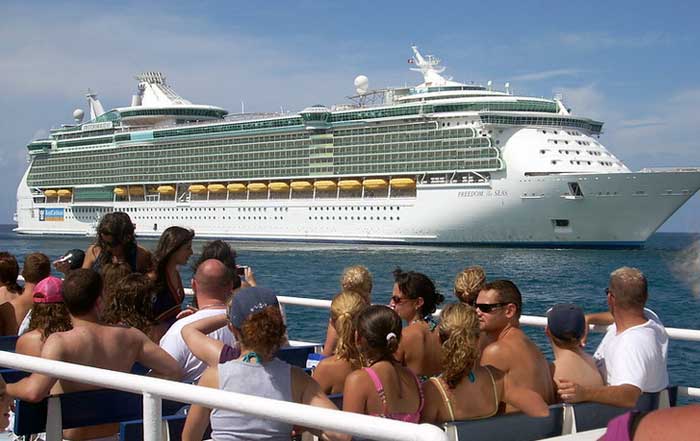
Global Yachting and Tourism: A Mature Renaissance at Sea
The global tourism and yachting sectors stand not merely recovered from the disruptions of the early 2020s, but fundamentally reshaped by a decade-defining convergence of sustainability, technology, and experiential travel. What began as a fragile rebound in the mid-2020s has evolved into a mature renaissance in which coastal destinations, shipyards, charter companies, and policymakers operate with a sharper focus on resilience, environmental responsibility, and long-term value creation. From the marinas of the Mediterranean and the fjords of Scandinavia to the island chains of Southeast Asia and the new blue-economy hubs of South America and Africa, ocean-based travel has become a powerful lens through which to observe the transformation of global tourism. For the editorial team and readership of Yacht Review, this transformation is not theoretical; it is visible every day in the projects, vessels, and cruising patterns covered across the platform's global, business, and technology sections.
Europe's Deepening Maritime Leadership
Europe enters 2026 not only as the world's most visited region but also as a testing ground for how high-value tourism and environmental stewardship can coexist in some of the planet's most intensively used coastal zones. The World Tourism Organization (UNWTO) continues to report that Europe accounts for close to half of all international arrivals, and within that figure, the maritime sector-yachting, coastal cruising, and small-ship expeditions-plays an increasingly strategic role. Classic destinations such as the French Riviera, Italy's Amalfi Coast, and Greece's Cyclades remain aspirational icons, yet their operating logic has shifted toward controlled capacity, intelligent marina management, and decarbonization of port services. Readers following infrastructure developments through Yacht Review's Design coverage will recognize how new marinas are being planned with shore power, energy-positive buildings, and advanced waste-handling systems as standard rather than optional features.
In Italy, the balancing act between heritage preservation and visitor demand has intensified. Portofino, Amalfi, and Capri now operate under stricter anchoring rules and visitor caps, while the Italian National Tourism Agency (ENIT) continues to promote secondary coastal regions such as Apulia, Calabria, and the Aeolian and Egadi islands as refined alternatives to the traditional hotspots. This deliberate decentralization helps to spread yachting and cruise traffic more evenly, while also opening investment opportunities for smaller ports and local shipyards. Similar dynamics play out in France, where Monaco and the Côte d'Azur have become reference points for carbon-aware port operations, influenced heavily by the work of the Monaco Yacht Club and the Prince Albert II Foundation. Learn more about how Europe aligns maritime design with long-term sustainability by exploring Yacht Review's Sustainability section.
Northern Europe, historically more associated with commercial shipping and ferry operations, has solidified its position as a premium destination for expedition-style cruising and high-net-worth yachting. Norway's fjords, Scotland's rugged west coast, and the Baltic Sea are benefitting from the rapid deployment of hybrid propulsion and battery-supported coastal vessels, enabling near-silent navigation in fragile ecosystems. The Norwegian Coastal Administration and leading shipyards in Finland and Denmark are cooperating closely with classification societies to ensure that new builds meet or exceed the decarbonization trajectory endorsed by the International Maritime Organization (IMO), whose regulatory framework is detailed on its official site at imo.org. For European policymakers, yachting and small-ship cruising are no longer niche luxuries; they are instruments for regional development, innovation, and climate-conscious infrastructure investment.
Technology as the Architecture of Modern Travel
The post-2020 decade has confirmed that digital infrastructure is as critical to tourism as runways, ports, and hotels. By 2026, artificial intelligence, cloud computing, and data analytics have become the underlying architecture through which destinations, operators, and travelers interact. Global distribution systems and travel platforms such as Amadeus, Sabre, and Booking Holdings now use advanced predictive models to anticipate seasonal flows, price elasticity, and environmental constraints, allowing coastal regions to manage capacity in real time and avoid the overtourism traps of the pre-pandemic era. Business readers can explore how these tools are reshaping investment and yield strategies in the maritime sector through Yacht Review's Business analysis.
On the yachting side, leading builders-including Ferretti Group, Sunseeker International, Azimut|Benetti, Feadship-have turned AI into a core feature of vessel operations. Integrated bridge systems now optimize routing not only for weather and fuel but also for noise, emissions profiles, and port congestion. Real-time diagnostics supported by cloud platforms such as Microsoft Azure and Google Cloud enable predictive maintenance, reducing downtime and extending asset life cycles. The broader implications of this shift, from lifecycle cost modeling to residual value forecasting, are increasingly relevant to owners, charter managers, and financiers alike and are frequently discussed in Yacht Review's Technology section.
The digital nomadism wave, which began as a fringe lifestyle concept, has matured into a structural component of global tourism demand. Coastal cities and island nations now actively compete to attract long-stay visitors by investing in high-speed connectivity, co-working marinas, and visa frameworks tailored to mobile professionals. The World Economic Forum has highlighted these trends within its reports on the future of work and travel, accessible at weforum.org. For yacht and superyacht owners, this has created a new usage pattern where vessels double as mobile offices and wellness retreats, anchored for longer periods in regions that offer both lifestyle appeal and digital reliability.
South America's Expanding Blue-Economy Horizon
South America's coastal tourism story in 2026 is one of diversification and rising ambition. Brazil, Chile, Colombia, and their neighbors are no longer perceived solely as long-haul, exotic choices; they are increasingly integrated into global yachting itineraries, supported by targeted investment in ports, marinas, and marine conservation. The Brazilian Ministry of Tourism has deepened its commitment to nautical tourism as a strategic growth pillar, enhancing regulations for charter operations and incentivizing private marinas along the coasts of Rio de Janeiro, and the northeast. The resulting uplift is visible in the renewed presence of international charter fleets and the expansion of local yacht-building capabilities, a trend closely monitored in Yacht Review's Boats coverage.
Chile and Argentina have consolidated their role as gateways to high-latitude expedition cruising. The Port of Ushuaia and Chilean ports such as Punta Arenas now host a new generation of ice-class and hybrid-powered vessels designed for low-impact voyages to Antarctica and Patagonia. Operators in this segment are increasingly guided by scientific partnerships and environmental protocols developed in coordination with organizations such as the Scientific Committee on Antarctic Research (SCAR), whose work is profiled on scar.org. These collaborations ensure that the growth in polar tourism is matched by rigorous monitoring of ecosystem impact and climate data collection.
Elsewhere on the continent, Colombia and Ecuador are integrating marine ecotourism into national development strategies. The Galápagos Islands remain one of the most tightly regulated maritime tourism destinations on earth, with strict caps on vessel numbers and passenger volumes, enforced through digital permitting systems and satellite tracking. Peru's coastal regions, especially Paracas and northern beach areas, are increasingly visible in international charter itineraries, supported by boutique marinas and luxury hotels aligned with sustainability standards promoted by the Global Sustainable Tourism Council (GSTC), whose criteria are outlined at gstcouncil.org. For Yacht Review's global readership, South America now represents both an investment frontier and a laboratory for aligning blue-economy growth with environmental stewardship.
Asia-Pacific: From Reopening to Reinvention
The Asia-Pacific region has moved decisively beyond the reopening narratives of the early 2020s and into a phase of structural reinvention. By 2026, outbound and domestic travel from China, Japan, South Korea, and Southeast Asia once again drives global demand patterns, while regional governments and private stakeholders leverage this momentum to build more resilient and higher-value tourism ecosystems. The China Cruise and Yacht Industry Association (CCYIA) has continued to refine its frameworks for marina development, green port operations, and digital visitor management, supporting the rise of Sanya, Xiamen, and Hainan's free-trade zones as serious players in the luxury yachting sphere.
Japan's maritime tourism sector has capitalized on its reputation for safety, service, and cultural depth. The Japan National Tourism Organization (JNTO) highlights a steady increase in foreign yacht arrivals, facilitated by simplified clearance procedures and the promotion of island-hopping routes across the Seto Inland Sea, Okinawa, and Hokkaido. These itineraries are increasingly curated around gastronomy, craftsmanship, and wellness, aligning closely with the experiential preferences that Yacht Review documents in its Cruising section. Japan's shipyards and design studios are also contributing to a new aesthetic language in yacht interiors, blending minimalism, natural materials, and traditional artistry.
Southeast Asia, long recognized for its archipelagic beauty, is now more firmly anchored in the global charter calendar. Phuket, Langkawi, Bali, and the Raja Ampat region have all invested in upgraded marina infrastructure, customs simplification for foreign-flagged vessels, and marine protected areas that balance tourism with conservation. Regional cooperation mechanisms, including those coordinated through ASEAN, are increasingly focused on joint marketing, safety standards, and environmental monitoring, themes that align with the broader sustainable development goals outlined by the United Nations at un.org/sustainabledevelopment. Singapore remains the region's maritime innovation hub, hosting refit yards, brokerage houses, and technology incubators that support hybrid propulsion, alternative fuels, and advanced materials, many of which are profiled in Yacht Review's Technology coverage.
Emerging players such as Vietnam and Cambodia continue to climb the value chain, with Ha Long Bay, Da Nang, Phu Quoc, and the Cambodian coast attracting investment in marinas and integrated coastal resorts. Digital visitor-management systems and carrying-capacity models, informed by lessons from overtouristed destinations elsewhere, are now embedded early in the planning cycle, reflecting a more sophisticated understanding of long-term destination health.
Sustainability as Competitive Advantage
By 2026, sustainability is no longer a marketing add-on; it is a core determinant of competitiveness in the yachting and tourism industries. Regulatory pressure, investor expectations, and evolving consumer values have converged to make environmental performance a prerequisite for growth. The Global Sustainable Tourism Council (GSTC), Green Marine Europe, and other standard-setting bodies have continued to refine criteria for ports, marinas, hotels, and tour operators, while financial institutions increasingly integrate these benchmarks into lending and investment decisions. Business leaders exploring these shifts can deepen their understanding through analysis from organizations like the OECD, which publishes tourism and sustainability insights at oecd.org/tourism.
In the yacht-building world, hybrid-electric propulsion, battery banks, and shore-power readiness are now standard in the premium segment, and rapidly cascading into mid-size production boats. Major European shipyards such as Feadship, Heesen Yachts, and Oceanco are fielding projects that combine hydrogen fuel cells, solar integration, and advanced hydrodynamics to meet or exceed the emissions-reduction targets aligned with IMO 2050 and the European Green Deal. The engineering detail behind many of these innovations is regularly examined in Yacht Review's Design section, where naval architects and yard representatives share insight into how sustainability is shaping hull forms, layout decisions, and onboard energy ecosystems.
Coastal communities, from the Caribbean and Mediterranean to the Indian Ocean and Pacific, increasingly view yachting and small-ship cruising as partners in conservation rather than threats to it-provided that operators adhere to transparent environmental standards. Coral restoration, seagrass protection, and marine plastics mitigation projects are often co-funded by yacht owners, charter guests, NGOs, and local authorities. Platforms like the UN Environment Programme (UNEP), with resources available at unep.org, provide scientific frameworks and best practices that many of these initiatives draw upon. For Yacht Review, documenting these collaborations is essential to demonstrating that high-end maritime travel can actively contribute to ecosystem resilience when designed with intent.
Culture, Heritage, and the Narrative of Place
While technology and sustainability define the structural framework of modern tourism, the emotional driver for travelers in 2026 remains the search for meaning, connection, and narrative. Coastal destinations that succeed in this environment are those that articulate a clear sense of place rooted in culture and heritage. European ports from Marseille to Lisbon are curating maritime museums, art installations, and community-led festivals that celebrate their seafaring histories and contemporary innovation. Institutions such as the Marseille History Museum and Venice's cultural foundations link historic trade routes and shipbuilding traditions to modern yacht design, a connection that resonates strongly with Yacht Review readers exploring maritime heritage in the platform's History section.
In South America, indigenous and Afro-descendant communities are increasingly central to tourism narratives. Coastal regions of Brazil, Colombia, and Peru are integrating local music, cuisine, and craftsmanship into cruise and yacht itineraries, creating revenue streams that reward cultural preservation. Asia's coastal cultures-from Japan's fishing villages and Indonesia's phinisi shipbuilding communities to Thailand's floating markets-are also being reinterpreted through a lens of authenticity rather than spectacle. Digital storytelling, including high-quality documentary content and virtual experiences, allows prospective travelers to engage with these narratives before arrival, often influencing itinerary choices and length of stay.
Yachting and small-ship cruising have become powerful platforms for such storytelling. Charter companies and expedition operators now frequently collaborate with historians, anthropologists, and local guides to design itineraries that trace historical trade routes, migration paths, or exploration voyages. Whether following the maritime Silk Road, the Age of Discovery tracks, or the Viking routes across the North Atlantic, these journeys appeal to travelers who see the sea not just as scenery but as a living archive of human endeavor.
Economic Impact, Employment, and Investment Flows
Tourism's macroeconomic contribution remains immense. The World Travel & Tourism Council (WTTC) estimates that the sector's global GDP impact in the mid-2020s has surpassed pre-pandemic levels, with projections for further growth as emerging markets in Africa, Asia, and Latin America expand their tourism infrastructure. Detailed data and forecasts can be explored via wttc.org. Within that broader picture, the yachting and cruise segments play a disproportionately significant role in high-value job creation, technology transfer, and capital investment.
In Europe, Italy's yacht-building industry continues to post strong export performance, with Ferretti Group, Sanlorenzo, and Azimut|Benetti anchoring a network of suppliers, designers, and service providers. Spain's Balearic Islands, France's Mediterranean coast, and Greece's island regions are benefitting from year-round employment in marina operations, refit yards, and hospitality. For investors and industry professionals tracking these developments, Yacht Review's Business section offers ongoing analysis of shipyard order books, brokerage trends, and regional policy shifts.
In Asia-Pacific, Thailand, Indonesia, and the Philippines have seen substantial growth in employment across marina management, charter operations, and eco-tourism enterprises, while Singapore and Hong Kong remain key financial and managerial centers for maritime investment. South America's blue-economy initiatives, particularly in Brazil, Chile, and Colombia, blend tourism with offshore renewable energy, aquaculture, and marine research, diversifying income sources and building resilience against demand shocks. Training programs supported by UNESCO and national education ministries increasingly emphasize digital skills, language proficiency, and sustainability literacy, ensuring that the tourism workforce is prepared for an industry where technology and environmental accountability are non-negotiable.
The Changing Psychology of Travel and the Rise of Family-Centric Yachting
The psychological framework of travel in 2026 reflects a shift from volume and status to depth and wellbeing. After years of disruption and uncertainty, travelers are more deliberate in how they allocate time and resources, favoring experiences that contribute to personal growth, mental health, and family connection. Yachting and small-ship cruising are uniquely positioned to answer this demand, offering controlled environments, access to nature, and the flexibility to integrate education, wellness, and adventure into a single journey.
Family and multigenerational travel have become especially prominent. Charter itineraries now frequently include onboard marine biology workshops for children, cultural immersion activities in coastal communities, and wellness programs tailored to different age groups. Destinations such as the Norwegian fjords, the Great Barrier Reef, and the Galápagos Islands have expanded family-focused conservation and education offerings, often in partnership with scientific institutions and NGOs. National Geographic Expeditions and Lindblad Expeditions, for example, continue to pioneer participatory science programs that invite guests to assist with data collection, demonstrating how tourism can support research rather than merely observe it.
For Yacht Review, the evolution of family-oriented yachting is a recurring editorial theme, covered extensively in the dedicated Family section. The platform's analysts note that younger generations exposed to responsible maritime travel are more likely to become advocates for ocean protection, thereby extending the positive impact of today's tourism choices well into the future.
Events, Showcases, and the Role of Media
Global events remain critical nodes in the ecosystem of maritime tourism and innovation. The Monaco Yacht Show, Fort Lauderdale International Boat Show, Cannes Yachting Festival, and Dubai International Boat Show have fully re-established their roles as launchpads for new designs, propulsion technologies, and sustainability commitments. These gatherings also host high-level dialogues that bring together shipyard executives, policymakers, investors, and environmental experts, reinforcing the sector's alignment with broader sustainability agendas such as the European Green Deal and national decarbonization plans. Readers can follow coverage and analysis of these events through Yacht Review's Events page.
Beyond industry trade shows, global platforms such as ITB Berlin, World Expo Osaka 2025, and the UN climate conferences have highlighted tourism's central role in climate adaptation, coastal resilience, and inclusive growth. Media coverage, including specialized outlets like Yacht Review, plays a vital role in translating policy and technical developments into accessible narratives for owners, charter guests, and professionals. At the same time, digital channels-from YouTube documentaries and long-form podcasts to immersive virtual yacht tours-allow a broader audience to understand how design, technology, and sustainability intersect on the water.
Looking Toward 2030: Strategic Horizons for Yachting and Tourism
As the industry looks toward 2030, several strategic trajectories are becoming clear. Autonomous and semi-autonomous vessel technologies are moving from experimental to commercial reality, particularly in support vessels, logistics craft, and nearshore ferries. Hydrogen, methanol, and advanced biofuels are emerging as viable complements to battery-electric systems, with regulatory clarity and infrastructure investment accelerating adoption. Coastal cities and port authorities are increasingly integrated into smart-grid networks, using AI and real-time data to manage energy, traffic, and environmental quality.
At the same time, the competitive landscape for destinations is shifting from sheer visitor numbers to qualitative measures of resilience, authenticity, and environmental performance. Regions that manage to preserve cultural integrity, protect ecosystems, and deliver high service standards will continue to command premium demand. Those that fail to address overdevelopment, pollution, or social inequity risk losing relevance in a marketplace where travelers are better informed and more values-driven than ever, supported by independent information from sources such as the UNWTO, accessible at unwto.org.
For Yacht Review, this evolving environment underscores the importance of rigorous, experience-based journalism that combines on-the-water expertise with analysis of policy, technology, and design. Through its Reviews, Travel, and Global coverage, the platform remains committed to documenting how yachts, coastal destinations, and the people who shape them are redefining what it means to explore the world by sea.
Conclusion: A Mature, Responsible Golden Age at Sea
By 2026, it is evident that the global rebound of tourism has evolved into something more enduring than a simple return to pre-crisis patterns. The industry has entered a mature phase in which environmental accountability, digital sophistication, and cultural authenticity are not aspirational ideals but operational imperatives. Yachting and small-ship cruising stand at the center of this transformation, demonstrating that high-end travel can align with climate goals, community benefit, and meaningful human experience.
From a vantage point within the yachting community, Yacht Review observes a sector that has embraced innovation without abandoning its fundamental appeal: the freedom to move across borders, the intimacy of life at sea, and the privilege of engaging with some of the world's most extraordinary coastal landscapes. As new technologies, regulatory frameworks, and cultural expectations continue to shape the decade ahead, one constant remains: the ocean as a unifying medium of connection between people, places, and ideas.
For business leaders, owners, charter guests, and enthusiasts seeking to navigate this new era with clarity and confidence, Yacht Review will continue to provide informed perspectives across its News, Lifestyle, and Sustainability sections, ensuring that every decision-whether to commission a new build, select a cruising ground, or support a conservation initiative-is grounded in expertise, authoritativeness, and trust.