Navigating Luxury and Innovation in the Yachting Industry Worldwide

Last updated by Editorial team at yacht-review.com on Friday 23 January 2026
Navigating Luxury and Innovation in the Yachting Industry Worldwide

Yachting: How Technology, Sustainability, and Lifestyle Are Redefining Life at Sea

A New Era for a Global Industry

Ok so the world of yachting has matured into a highly sophisticated global ecosystem that blends advanced technology, sustainable innovation, and deeply personal experiences in ways that would have been almost unimaginable a generation ago. What began as a pastime for aristocrats and pioneering seafarers has become a complex, data-driven and design-led industry that touches multiple sectors, from high technology and finance to hospitality, wellness, and marine science. For the editorial team at Yacht Review, which has chronicled this evolution across markets from the United States and United Kingdom to Germany, Australia, Singapore, and beyond, the transformation is not merely a matter of bigger vessels or higher speeds; it is a fundamental redefinition of what luxury, ownership, and responsibility mean on the water.

The global yacht market in 2026 is characterized by rising demand for custom and semi-custom builds, a robust refit sector, and a charter landscape that is more transparent, digital, and experience-led than ever. Data from leading industry analysts and platforms such as Boat International, SuperYacht Times, and Superyacht Intelligence consistently indicate that order books remain strong, with European builders in Italy, the Netherlands, Germany, and the United Kingdom still dominating the superyacht segment, while North American and Asian yards continue to expand their presence in both production and explorer categories. The resilience shown through recent global disruptions has reinforced yachting's status as a durable component of the luxury economy, underpinned by long-term capital, passion-driven ownership, and a growing emphasis on asset utility rather than pure display. Readers exploring detailed vessel appraisals and market insights can find extensive coverage in the dedicated Yacht Review Reviews section.

Craftsmanship and Technology: The Modern Shipyard

The defining characteristic of yacht construction in 2026 is the seamless integration of artisanal craftsmanship with advanced digital engineering. Legendary European shipyards such as Feadship, Benetti, Heesen Yachts, Sanlorenzo, and Sunseeker continue to set global benchmarks, yet the way they reach those standards has evolved radically. Traditional lofting and model-making have been augmented by high-fidelity 3D modeling, computational fluid dynamics (CFD), and digital twin environments that allow naval architects to simulate sea states, structural loads, and hydrodynamic behavior long before the keel is laid.

Augmented reality and immersive visualization tools enable owners and design teams to walk through virtual interiors, adjust layouts, and test lighting concepts in real time, significantly reducing rework and waste. This fusion of human artistry and algorithmic precision has shortened development cycles while elevating the level of customization that can be delivered within a given platform. Major classification societies and technical consultancies, documented extensively by organizations such as DNV and Lloyd's Register, now rely on these digital methodologies to enhance safety and performance compliance for increasingly complex vessels. Those interested in the technical underpinnings of these advances can explore further through Yacht Review Technology.

At the same time, the onboard environment has been transformed by the proliferation of Internet of Things (IoT) devices, integrated automation systems, and AI-assisted management platforms. Engines, stabilizers, HVAC systems, and hotel loads are monitored continuously, with predictive maintenance algorithms alerting captains and shore-based teams to potential issues before they impact operations. Connectivity improvements, driven by providers such as Starlink Maritime and OneWeb, have enabled real-time data exchange even in remote cruising grounds, making yachts in 2026 genuinely "always online" assets. For owners and charter guests, this translates into uninterrupted communication, enhanced safety, and the ability to work, trade, and manage businesses at sea with the same efficiency as on land.

Sustainability as Strategic Imperative

Sustainability has evolved from a marketing theme into a structural pillar of the yachting business. Regulatory pressure from bodies such as the International Maritime Organization (IMO), rising expectations from environmentally conscious owners, and the broader societal focus on climate and ocean health have converged to make decarbonization and resource efficiency non-negotiable priorities.

Hybrid propulsion systems, once considered niche, are now a standard option across many size categories, with leading engine manufacturers and integrators such as ABB Marine, Rolls-Royce (through MTU), and MAN Energy Solutions pursuing solutions that combine diesel-electric propulsion, battery storage, and shore-power interfaces. Parallel research into hydrogen fuel cells, methanol-ready engines, and sustainable biofuels is moving from prototype to early commercial deployment, supported by collaborative initiatives in Europe and Asia. Those seeking context on regulatory frameworks can review updates from the IMO's official portal at imo.org.

On the design side, organizations such as the Water Revolution Foundation have helped normalize life-cycle assessments and environmental indexing for yachts, encouraging builders to consider emissions, materials, and end-of-life strategies from the earliest design stages. Reclaimed woods, plant-based composites, recycled metals, and low-VOC finishes are now common in premium interiors, and designers are increasingly adopting circular-economy principles that facilitate easier refits and upgrades over a yacht's lifespan. At Yacht Review, coverage in the Yacht Review Sustainability section has tracked the rise of solar-assisted catamarans from builders like Silent Yachts and Arcadia Yachts, as well as the experimental green-methanol and hydrogen concepts emerging from Oceanco and Feadship.

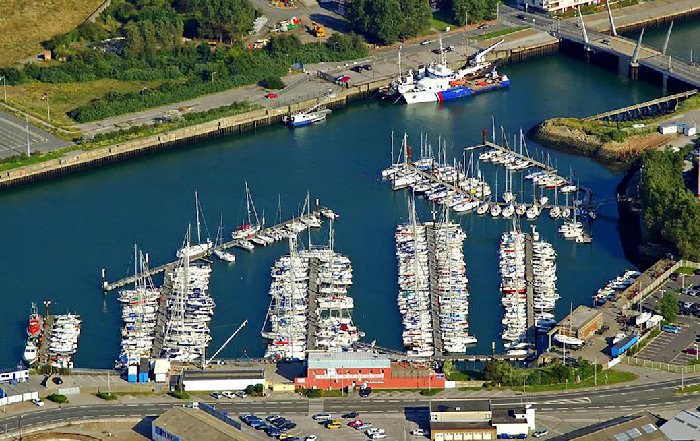
Beyond the vessels themselves, sustainability is reshaping marinas, destinations, and operating practices. Eco-certified marinas in regions such as Spain, France, Greece, Croatia, and the Caribbean have invested in shore power, advanced waste treatment, and habitat-sensitive development. Environmental NGOs and initiatives like Oceanic Global and the Seabin Project collaborate with yacht owners on citizen science, microplastic monitoring, and localized clean-up campaigns, demonstrating that high-end cruising can support, rather than undermine, marine ecosystems.

Global Cruising Patterns and Destination Dynamics

From the vantage point of 2026, the geography of yachting looks more diverse than ever. The classic circuits of the Mediterranean and Caribbean remain dominant, with long-standing hubs such as the French Riviera, Balearic Islands, Amalfi Coast, Greek Islands, and Bahamas continuing to draw superyacht fleets. However, the demand for authentic, less crowded, and more adventure-oriented itineraries has pushed exploration into new regions and revived interest in previously underutilized coastlines.

The Adriatic, led by Croatia and Montenegro, has solidified its status as a prime summer destination, supported by high-end infrastructure such as Porto Montenegro and increasingly sophisticated marinas along the Dalmatian coast. In the eastern Mediterranean, Turkey and the Aegean islands offer a blend of cultural heritage and sheltered cruising that appeals to both private owners and charter guests. Meanwhile, the growth of expedition and explorer yachts has opened more ambitious routes to Greenland, Svalbard, Antarctica, where strict environmental protocols govern access and operations.

Asia-Pacific has become a strategic growth region, with Indonesia, Thailand, and French Polynesia gaining prominence among experienced cruisers. Destinations such as Raja Ampat, Komodo National Park, and the remote atolls of the South Pacific attract those seeking biodiversity and cultural immersion, often aboard vessels specifically designed for long-range autonomy and low-impact operations. In the Middle East, projects like Saudi Arabia's Red Sea development and expanded facilities in Dubai and Abu Dhabi are positioning the region as a year-round yachting corridor between the Mediterranean and the Indian Ocean. For curated destination features and first-hand cruising narratives, readers turn regularly to Yacht Review Cruising and Yacht Review Travel.

Ownership, Charter, and the Evolving Client Profile

The demographic and psychographic profile of yacht owners in 2026 is more varied than at any point in the industry's history. While traditional family wealth from Europe and North America remains a backbone of the market, there has been a significant influx of entrepreneurs and investors from China, Singapore, South Korea, the Middle East, Brazil, and South Africa. Many of these individuals have built their fortunes in technology, finance, and digital platforms, and they bring with them an expectation of data-driven transparency, sustainability, and multi-functional asset use.

For this new generation, a yacht is rarely a static symbol of status; it is a mobile platform for business, family life, exploration, and, increasingly, philanthropy. Owners expect hybrid propulsion, intelligent energy management, and advanced connectivity as a baseline, while interior programs are tailored to include wellness spaces, flexible work areas, and multi-generational accommodation that can adapt over time. Models such as Benetti's B.Yond series, Azimut's Grande range, and Ferretti Group's Riva flagships illustrate how leading builders respond with configurations that combine long-range capability, efficient hull forms, and contemporary lifestyle features. Detailed assessments of these and other notable platforms appear regularly in Yacht Review Boats.

The charter market has likewise expanded and diversified. Global brokerage houses including Fraser Yachts, Burgess, Northrop & Johnson, Camper & Nicholsons, Y.CO, and Ocean Independence have invested heavily in digital tools that make the charter process more accessible and transparent for clients in the United States, Canada, the United Kingdom, Germany, Australia, and emerging markets across Asia and South America. Real-time availability, dynamic pricing, AI-curated itineraries, and immersive virtual tours have lowered the barriers to entry, enabling a broader audience to experience yachting without committing to full ownership.

Fractional ownership and club-based models have also matured, supported by specialized financial and legal frameworks that address usage rights, governance, and resale. These structures appeal particularly to younger high-net-worth individuals who prioritize flexibility, capital efficiency, and sustainability over sole possession. In parallel, institutional investors and luxury hospitality brands have begun to view yachts as extensions of branded experiences, integrating them into larger portfolios of villas, resorts, and private aviation. The business implications of these shifts are analyzed in depth within Yacht Review Business.

Design Language

Design remains one of the most visible and emotionally resonant aspects of yachting, and in 2026 it is characterized by a synthesis of global cultural influences and advanced engineering. Visionary figures such as Espen Øino, Winch Design, Zaha Hadid Architects, and a new generation of boutique studios in Italy, the Netherlands, Scandinavia, and Asia have pushed the envelope in exterior styling and interior concepts.

Panoramic glazing, open-plan beach clubs, and fold-down terraces have become hallmarks of contemporary yachts, erasing the boundaries between interior and exterior spaces and maximizing contact with the sea. Interior schemes increasingly favor natural tones, tactile materials, and biophilic elements that promote well-being, while lighting design uses adaptive LED systems and circadian programming to support comfort and health. Cultural references are more nuanced and international: Scandinavian minimalism, Japanese wabi-sabi, Italian couture-inspired detailing, and Mediterranean indoor-outdoor living are often combined within a single project to reflect the cosmopolitan identities of owners and guests.

The use of virtual reality (VR), parametric modeling, and generative design tools has allowed designers to explore forms and layouts that would have been prohibitively complex to develop manually. Structural and systems integration challenges are resolved collaboratively in digital environments, ensuring that creative ambition aligns with practicality, safety, and serviceability. The editorial team at Yacht Review frequently highlights these cross-disciplinary innovations in Yacht Review Design, demonstrating how aesthetics, ergonomics, and sustainability now operate as a unified design brief.

Digital Transformation and Intelligent Operations

Digital transformation in yachting has moved beyond connectivity and entertainment to encompass the entire operational lifecycle of a vessel. Integrated bridge systems, developed by companies such as Kongsberg Maritime, and Raymarine, now interface seamlessly with propulsion, navigation, hotel systems, and safety equipment, providing captains with unified dashboards and decision-support tools. AI-assisted route optimization, drawing on high-resolution meteorological and oceanographic data from sources such as NOAA and Copernicus Marine Service, helps reduce fuel consumption, improve comfort, and minimize environmental impact.

Onboard management platforms consolidate crew scheduling, inventory control, maintenance tracking, and compliance documentation into secure cloud-based environments. Yacht management firms leverage these systems to provide real-time oversight from shore, enhancing safety and operational efficiency for fleets that may be dispersed across Europe, Asia-Pacific, North America, Africa, and South America. Cybersecurity, once an afterthought, is now central to system design, with multi-layered encryption, network segmentation, and continuous monitoring implemented to protect sensitive personal and financial data.

For guests, digitalization manifests as frictionless personalization. Smart cabin systems recognize individual preferences for climate, lighting, and entertainment; voice control and mobile apps allow intuitive interaction with the yacht's environment; and high-bandwidth connectivity enables seamless streaming, conferencing, and remote collaboration. This convergence of hospitality and intelligent infrastructure is one of the themes most frequently explored in Yacht Review Technology, reflecting the reality that modern yachts function as floating smart homes and offices as much as pleasure craft.

Family, Lifestyle, and the Human Dimension

Amid the complexity of engineering and business, the human experience remains at the heart of yachting's appeal. In 2026, yachts are increasingly conceived as multi-generational sanctuaries where families can live, work, and learn together while traveling through some of the world's most compelling seascapes. Wellness has become a central design driver, with many new builds featuring dedicated spa decks, gyms fitted with equipment from providers such as Technogym, yoga and meditation spaces, and treatment rooms for visiting therapists or medical professionals.

The rise of remote work and digital education has made extended time aboard more feasible for families from the United States, Canada, Europe, Australia, and New Zealand. Classrooms equipped with high-speed internet, interactive whiteboards, and online curricula sit alongside laboratories and dive centers where children and adults can engage in hands-on marine biology, conservation projects, and cultural studies. Many owners now invite scientists, educators, or environmental organizations to join voyages, transforming leisure into a platform for learning and contribution.

Safety, accessibility, and inclusivity have also become more prominent considerations. Improved tender handling systems, child-friendly deck layouts, and features designed to accommodate guests with reduced mobility are increasingly requested in design briefs. This family-centric and lifestyle-oriented evolution is a recurring focus for Yacht Review, particularly within Yacht Review Family and Yacht Review Lifestyle, where the editorial approach emphasizes real-world experiences alongside technical detail.

Events, Community, and Cultural Influence

Yachting has always had a strong social dimension, and in 2026 the community is more international and interconnected than ever. Flagship events such as the Monaco Yacht Show, Cannes Yachting Festival, Fort Lauderdale International Boat Show, and Dubai International Boat Show continue to serve as focal points for launches, deal-making, and networking, but their agendas now extend well beyond product display. Sustainability panels, innovation forums, crew welfare initiatives, and diversity programs are integral components of these gatherings, reflecting broader shifts in the industry's values and priorities.

Historic regattas and racing events, including the America's Cup and prestigious classic yacht series, maintain a vital link to yachting's heritage, showcasing traditional craftsmanship and sailing prowess even as foiling technology and advanced composites push performance boundaries. Meanwhile, new community-focused events and owner gatherings in regions such as Scandinavia, the Baltic, Southeast Asia, and South Africa highlight the growing decentralization of the yachting map.

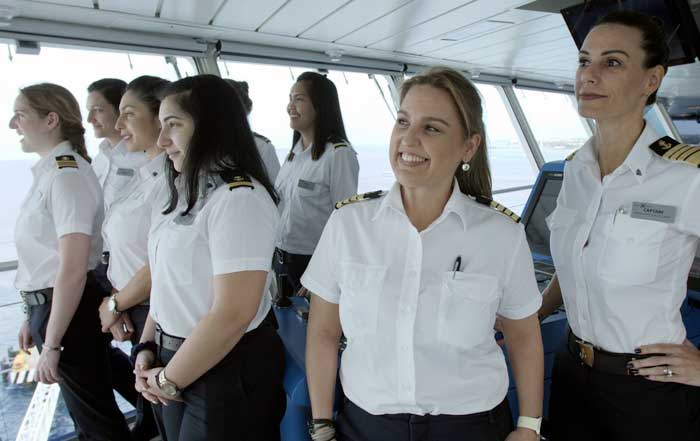
For the team at Yacht Review, documenting this cultural and community dimension is as important as covering hardware and technology. The Yacht Review Events and Yacht Review Community sections highlight how owners, crew, designers, and shipyards collaborate not only on vessels, but on shared initiatives related to education, environmental stewardship, and professional development. Organizations like She of the Sea and Women in Yachting International exemplify the industry's gradual but meaningful steps toward greater diversity and inclusion, encouraging new talent from Europe, Asia, Africa, and the Americas to pursue maritime careers.

Historical Perspective and Future Trajectory

Seen against the long arc of maritime history, the developments of the past two decades represent a remarkable acceleration. From the early steam yachts of the 19th century to the displacement and planing motor yachts of the late 20th, progress was steady but largely incremental. The 21st century, by contrast, has introduced a convergence of digital technology, environmental awareness, and global wealth creation that has compressed innovation cycles and expanded the industry's reach. Readers interested in this broader context can explore curated retrospectives in Yacht Review History, where the evolution of design, materials, and cultural attitudes is traced in detail.

Looking ahead from 2026, several trajectories appear particularly significant. Zero- or near-zero-emission propulsion will move steadily from pioneering projects into mainstream adoption, supported by advances in hydrogen infrastructure, battery technology, and alternative fuels. Autonomous and semi-autonomous systems will become more prevalent in navigation, docking, and safety management, while regulations and insurance frameworks adapt to new risk profiles. Integration between yachts and the wider blue economy will deepen, with more vessels contributing to marine research, data collection, and conservation efforts.

At the same time, the definition of luxury will continue to evolve. For many owners and charter guests, the value of a yacht lies less in its size or conspicuousness than in its capacity to deliver privacy, authenticity, and purpose. Experiences that combine family connection, cultural engagement, and environmental responsibility will increasingly shape demand. In this environment, trust, transparency, and expertise will be fundamental differentiators for builders, brokers, and service providers.

Cruise to a Conclusion: Experience, Expertise, and Trust at Sea

So yachting still floats at the intersection of innovation, responsibility, and aspiration. It is an industry that must balance complex engineering with human emotion, regulatory rigor with creative freedom, and global expansion with local sensitivity. For owners, charterers, and professionals across North America, Europe, Asia, Africa, and South America, the yacht has become more than a vessel; it is a platform for living, working, exploring, and contributing in ways that reflect the priorities of a new era.

Within this landscape, Yacht Review continues to position itself as a trusted guide, drawing on deep industry knowledge and a global editorial perspective to provide analysis, reviews, and narratives that emphasize experience, expertise, authoritativeness, and trustworthiness. Whether the focus is on the technical intricacies of a new propulsion system, the design language of a groundbreaking concept, the business implications of emerging ownership models, or the intimate realities of family life afloat, the objective remains consistent: to help readers navigate an increasingly complex and exciting world with clarity and confidence.

For ongoing coverage of reviews, design, cruising, technology, business, lifestyle, sustainability, and more, the full editorial portfolio is available at Yacht Review, where the evolving story of global yachting continues to unfold.

The History of Virgin Voyages and Awards

Last updated by Editorial team at yacht-review.com on Friday 23 January 2026
The History of Virgin Voyages and Awards

Virgin Voyages: How a Disruptor Redefined Luxury at Sea

When Virgin Voyages entered the global cruise market, it did so with the unmistakable confidence of the Virgin Group, the multinational empire built by Sir Richard Branson. What began as a daring experiment has matured into one of the most influential case studies in contemporary maritime hospitality, a brand whose impact is now felt across yacht design, cruise operations, sustainability strategy, and experiential travel worldwide. For the editorial team and readership of Yacht-Review.com, Virgin Voyages has become a touchstone for understanding how superyacht-inspired aesthetics, technology-led service models, and values-based leadership can converge into a cohesive, commercially successful proposition at sea.

Unlike legacy cruise operators that built their reputations on scale, tradition, and multigenerational family offerings, Virgin Voyages deliberately targeted a different audience: adults seeking curated, design-forward, and immersive voyages that feel closer to boutique hotels and private yachts than to conventional large-ship cruising. That decision, initially viewed as a bold risk, now appears prescient, as demand for tailored, experience-rich, adult-centric travel has surged across North America, Europe, and Asia. In 2026, the brand's trajectory provides a powerful lens through which to examine the evolving expectations of affluent travelers in the United States, United Kingdom, Germany, Canada, Australia, and beyond, and it resonates strongly with the core themes of Yacht-Review.com's reviews and analysis.

From Concept to Brand: A Vision Reframed

The origins of Virgin Voyages date back to 2014, when the Virgin Group, in partnership with Bain Capital, formally announced its intention to enter the cruise sector under the working name Virgin Cruises. At that time, the market was dominated by established giants such as Royal Caribbean Group, Carnival Corporation, and Norwegian Cruise Line Holdings, companies whose fleets and operational frameworks had been refined over decades. Rather than attempting to emulate these incumbents, Virgin set out to challenge the assumptions underpinning their business models.

The appointment of Tom McAlpin, formerly a senior executive at Disney Cruise Line, as founding CEO was a pivotal strategic decision. McAlpin brought deep operational knowledge and a reputation for guest-centric innovation, ensuring that the new company's ambitions would be grounded in practical expertise. Under his leadership, the team interrogated nearly every aspect of the traditional cruise experience: dining formats, entertainment, cabin design, pricing structures, and even the language used to describe guests and crew. The subsequent rebranding from "Virgin Cruises" to "Virgin Voyages" in 2016 signaled a fundamental shift in positioning. The word "voyages" was carefully chosen to evoke a sense of narrative and discovery rather than simple vacationing, aligning with the brand's early tagline of delivering "an epic sea change for all."

For those who follow the evolution of yacht and cruise design through the lens of Yacht-Review.com's design coverage, this period marked the emergence of a philosophy that would come to define Virgin Voyages: the conviction that every technical or commercial decision should ultimately enhance the emotional quality of the journey. The early conceptual work was less about ship count and tonnage, and more about creating a coherent lifestyle proposition that could stand alongside the most admired boutique hotels and private yacht experiences in Europe, North America, and Asia-Pacific.

Building the "Lady Ships": Design, Scale, and Identity

Central to that proposition was the partnership with Fincantieri, the Italian shipbuilding group renowned for its work on both cruise ships and naval vessels. The contracts signed in 2015 for a series of mid-sized ships-each around 110,000 gross tons and carrying roughly 2,700 guests with 1,150 crew-reflected a deliberate choice not to chase the ever-larger megaship trend. Instead, Virgin Voyages prioritized intimacy, maneuverability, and a scale that would allow for both social vibrancy and personal retreat, a balance that is often celebrated in Yacht-Review.com's boats section.

The brand's design collaborators read like a roll call of contemporary hospitality and interior design talent. Studios including Tom Dixon Design Research Studio, Roman and Williams, and Concrete Amsterdam were tasked with creating spaces that felt more akin to urban members' clubs or avant-garde hotels than to the theatrical, sometimes ornate interiors of traditional liners. Cabins were conceived with a strong nod to yacht ergonomics, using flexible furniture, smart storage, and clean lines to maximize perceived space. Public areas were layered with distinct atmospheres-from quiet, contemplative lounges to high-energy nightlife venues-connected by a visual language of bold color, curated art, and maritime-inspired forms.

The decision to christen the vessels as "Lady Ships," beginning with Scarlet Lady, drew on Virgin Atlantic's heritage and infused the fleet with a coherent identity. Scarlet Lady, Valiant Lady, Resilient Lady, and the forthcoming Brilliant Lady each carry their own aesthetic nuances and regional flavor, yet share a consistent design DNA rooted in confidence, empowerment, and contemporary luxury. By 2026, this family of ships has become a recognizable presence in ports from Miami to Barcelona, Piraeus, and Sydney, and their silhouettes and livery have become a frequent subject of analysis in design-focused media, including the visual and technical narratives explored on Yacht-Review.com's design pages.

Navigating Disruption: COVID-19, Recovery, and Realignment

The initial commercial rollout of Virgin Voyages coincided with one of the most turbulent periods in modern travel history. The global onset of the COVID-19 pandemic in 2020 forced the postponement of Scarlet Lady's inaugural season and effectively froze the wider cruise industry. While this disruption created significant financial and operational challenges, it also gave Virgin Voyages time to refine its product, strengthen its health and safety protocols, and sharpen its brand storytelling.

By the time Scarlet Lady welcomed her first paying guests in late 2021, sailing initially from Portsmouth in the United Kingdom before repositioning to Miami, consumer expectations had changed. Travelers in the United States, Europe, and Asia-Pacific were increasingly seeking smaller-scale, design-led, and wellness-oriented experiences rather than purely mass-market leisure products. Virgin Voyages' adult-only model, open-air social spaces, and emphasis on personal choice aligned closely with this emerging mindset, accelerating its acceptance among younger affluent travelers and seasoned cruisers alike.

From a business perspective, the company's resilience during this period offers valuable insight for industry observers who follow the commercial dynamics of maritime travel through resources such as Yacht-Review.com's business analysis. Virgin Voyages leveraged its relatively small fleet and agile corporate structure to pivot quickly, adjusting itineraries, revisiting pricing strategies, and investing in digital engagement. Its eventual rebound contributed to a broader narrative of recovery in cruise tourism, particularly in North America and Europe, where ports and suppliers relied heavily on the return of passenger volumes.

An Adult-Only Proposition: Culture, Curation, and Differentiation

One of Virgin Voyages' most distinctive strategic choices remains its adults-only policy. By restricting voyages to guests aged 18 and over, the company freed itself from the need to design around family programming, water parks, and children's clubs, and instead curated an onboard culture oriented entirely around adult socialization, relaxation, and self-expression. This decision positioned the brand in a unique space between traditional premium cruise lines and high-end resort concepts in destinations such as the Caribbean, Mediterranean, and Southeast Asia.

Dining is a central pillar of that experience. Virgin Voyages eliminated the conventional main dining room and buffet model, replacing it with more than twenty distinct venues, each with its own culinary identity and no additional cover charges. Collaborations with chefs such as Brad Farmerie, Sohui Kim, and Matt Lambert brought a cosmopolitan range of flavors, from elevated street food and plant-based menus to refined tasting experiences. This approach resonated strongly with travelers from food-focused markets such as Italy, France, Spain, and the United States, and mirrored broader trends in luxury hospitality documented by organizations like The World's 50 Best Restaurants.

Entertainment and nightlife were similarly reimagined. Instead of Broadway-style productions, Virgin Voyages commissioned immersive, sometimes experimental performances from creative collectives including The 7 Fingers and PigPen Theatre Co., staged in flexible spaces like The Red Room and The Manor. Drag shows, cabaret, and participatory experiences complemented DJ-led parties and live music, creating a social environment that felt closer to the nightlife scenes of London, Berlin, New York, and Barcelona than to conventional cruise theaters. The overall tone-playful, inclusive, and deliberately informal-aligns closely with the lifestyle narratives explored in Yacht-Review.com's lifestyle features, where luxury is increasingly defined by authenticity and personal choice rather than formality.

Sustainability as Strategy, Not Slogan

From its earliest planning stages, Virgin Voyages integrated sustainability into the core of its business model rather than treating it as an afterthought. Partnerships with technology providers such as Climeon and Scanship enabled the deployment of waste-heat recovery systems, advanced wastewater treatment, and energy-efficient solutions that reduce fuel consumption and emissions. The company's decision to eliminate single-use plastics on board, invest in optimized hull forms, and pursue responsible sourcing for food and materials reflects a holistic approach that aligns with evolving regulatory frameworks and consumer expectations.

In 2023 and 2024, Virgin Voyages deepened its alignment with broader decarbonization efforts by working alongside Carbon War Room and Rocky Mountain Institute, organizations that advocate for market-based solutions to climate challenges. These initiatives are consistent with the International Maritime Organization's strategy to reduce greenhouse gas emissions from shipping, a framework that continues to shape investment decisions across the global maritime industry. Readers who wish to understand the wider context of these efforts can explore resources from the International Maritime Organization and environmental bodies such as the UN Environment Programme, which outline the policy and scientific backdrop against which brands like Virgin Voyages must operate.

For our audience at Yacht-Review.com's sustainability hub, Virgin Voyages now serves as a benchmark for how a large-scale passenger operation can integrate clean technologies, circular design principles, and community-focused destination strategies without compromising commercial performance. Its private destination, The Beach Club at Bimini, designed with solar power, habitat-sensitive planning, and controlled visitor flows, illustrates how resort-style infrastructure can be aligned with local ecosystems and community interests, a topic of increasing importance in regions from the Caribbean to Southeast Asia and the South Pacific.

Technology, Data, and the Connected Voyage

The guest experience on Virgin Voyages is underpinned by a sophisticated digital ecosystem that reflects the broader technological shifts shaping both the cruise and superyacht sectors. Upon embarkation, passengers receive a wearable device known as The Band, which functions as a cabin key, onboard payment method, and identifier within the ship's digital network. Integrated with the Virgin Voyages app, this system enables contactless boarding, seamless reservations, tailored recommendations, and personalized notifications.

Behind the scenes, data analytics inform everything from energy management and inventory planning to entertainment scheduling and spa staffing. Smart cabin systems allow guests to adjust lighting, temperature, and blinds via tablet or voice interface, while the "Shake for Champagne" feature-activated by physically shaking a smartphone-has become emblematic of the brand's playful integration of technology and service. For readers interested in how such innovations compare with developments in the yacht sector, Yacht-Review.com's technology section provides further exploration of digital integration, automation, and AI-driven personalization in marine environments.

From an engineering standpoint, Virgin Voyages' vessels incorporate advanced stabilizer technology, hydrodynamic hull optimization, and vibration-reduction strategies developed in collaboration with Fincantieri and classification societies such as DNV. These investments not only reduce energy consumption but also enhance comfort and acoustic performance, narrowing the experiential gap between large cruise ships and high-end private yachts. In markets like Germany, the Netherlands, Norway, and Denmark, where engineering excellence is highly valued, this technical sophistication has contributed significantly to Virgin Voyages' credibility among both consumers and industry professionals.

Global Deployment and Market Penetration

By 2026, Virgin Voyages has established a genuinely global footprint, with itineraries designed to appeal to travelers across North America, Europe, Asia, and Australasia. Scarlet Lady continues to anchor operations in Miami, serving the Caribbean and the Bahamas, while Valiant Lady has consolidated its presence in the Western Mediterranean, connecting ports in Spain, France, and Italy. Resilient Lady has expanded the brand's reach into the Eastern Mediterranean and Adriatic, with itineraries touching Greece, Croatia, and Turkey, and seasonal deployments have begun to test markets in Australia and New Zealand.

The long-awaited Brilliant Lady, whose deployment was reshaped by post-pandemic shipyard and logistics constraints, is now central to Virgin Voyages' expansion into new regions, including potential routes in Northern Europe and Asia. These itineraries are designed to balance marquee ports-such as Barcelona, Civitavecchia (Rome), and Singapore-with emerging destinations that value sustainable, higher-yield tourism. This approach supports local economies while offering guests a richer cultural experience, echoing the travel philosophy that underpins Yacht-Review.com's travel features, where itineraries are evaluated not only for scenery but for depth of engagement and regional authenticity.

The brand's expansion has had measurable economic impact. In ports across the United States, United Kingdom, Italy, Greece, and Australia, Virgin Voyages has contributed to tourism recovery, local procurement, and job creation, especially in the wake of COVID-19 disruptions. Reports from organizations such as the World Travel & Tourism Council highlight the importance of high-value, experience-led tourism in rebuilding regional economies, and Virgin Voyages' model aligns closely with those recommendations. For readers keen to situate this within the broader global context, Yacht-Review.com's global section offers commentary on how cruise and yacht movements intersect with international economic and regulatory trends.

Recognition, Reputation, and the Power of Narrative

Awards and third-party recognition have played an important role in consolidating Virgin Voyages' reputation. Since 2021, the company has garnered accolades from Cruise Critic, Travel + Leisure, and the World Travel Awards and more, with particular praise directed at its design, culinary program, sustainability initiatives, and guest satisfaction levels. Such recognition has been amplified by coverage in influential outlets across the United States, United Kingdom, Germany, and Asia, reinforcing the perception of Virgin Voyages as a thought leader rather than a mere newcomer.

Equally significant is the brand's narrative control. Through strong visual identity, consistent messaging, and a clear articulation of values, Virgin Voyages has cultivated a community of repeat guests who see themselves not simply as customers, but as participants in a broader lifestyle movement. This sense of belonging, fostered both onboard and via digital channels, mirrors trends observed in premium automotive, fashion, and hospitality sectors, where brands such as Tesla, Soho House, and Aman have leveraged community-building to deepen loyalty. For those tracking such developments, Yacht-Review.com's news coverage frequently highlights how narrative and brand architecture influence purchasing decisions in the yachting and cruising markets.

Leadership, Culture, and the Human Dimension

The transition from founding CEO Tom McAlpin to current CEO Nirmal Saverimuttu has been managed with careful continuity. Saverimuttu, who was involved in the company's early commercial strategy, has maintained the core pillars of design, sustainability, and adult-only positioning while accelerating geographic expansion and deepening trade partnerships. Under his leadership, Virgin Voyages has emphasized diversity, inclusion, and employee empowerment as central to its culture, recognizing that the onboard atmosphere is ultimately shaped by crew engagement and satisfaction.

Training programs focus not only on technical proficiency and service standards, but also on environmental awareness, cultural sensitivity, and emotional intelligence. Crew are encouraged to express individuality within a clearly defined brand framework, contributing to an onboard environment that feels both professional and relaxed. This emphasis on human capital resonates strongly with the values highlighted in Yacht-Review.com's community stories, which frequently underscore the role of crews, designers, and shipyard teams in creating meaningful experiences at sea.

Lessons for the Wider Maritime and Yachting Sectors

For the readership of Yacht-Review.com, which spans yacht owners, designers, shipyards, charter professionals, and experienced cruisers across Europe, North America, Asia, and beyond, Virgin Voyages offers several instructive lessons. First, it demonstrates that design integrity and commercial scalability are not mutually exclusive; a carefully curated aesthetic can be maintained across multiple vessels if supported by strong governance and a clear brand vision. Second, it shows that sustainability, when embedded from the outset, can become a competitive advantage rather than a compliance burden, particularly as regulators and consumers in markets such as the European Union, United States, and Asia-Pacific intensify their focus on environmental impact.

Third, Virgin Voyages highlights the importance of rethinking guest segmentation. By unapologetically focusing on adults and leaning into contemporary culture-music, wellness, gastronomy, and inclusive social spaces-the brand has captured a demographic that might otherwise have dismissed cruising as outdated or misaligned with their values. This approach offers a useful reference point for yacht charter operators and boutique cruise lines seeking to differentiate themselves in increasingly crowded markets. Readers exploring how such strategies play out across different vessel sizes and ownership models can find relevant parallels in Yacht-Review.com's cruising analysis and broader reviews.

Finally, Virgin Voyages underscores the value of coherent storytelling across every touchpoint-from hull graphics and onboard signage to digital interfaces and shore-excursion design. In an era where travelers from Singapore to London to Los Angeles share their experiences instantly via social media, the ability to deliver a visually and emotionally consistent journey is a powerful differentiator.

Looking Beyond 2026: The Future Course of Virgin Voyages

Virgin Voyages sits at an inflection point. With a maturing fleet, growing brand recognition, and established presences in key markets across North America, Europe, and Australasia, the company is now exploring further expansion into Asia, the Middle East, and potentially Africa and South America. Future vessels are expected to incorporate even more advanced energy systems, digital personalization tools, and flexible spaces that can adapt to shifting guest expectations and regional preferences.

The broader industry context is equally dynamic. Regulatory pressure on emissions is intensifying, technological innovation is accelerating, and traveler expectations continue to evolve toward deeper cultural immersion, wellness integration, and transparent sustainability practices. In this environment, Virgin Voyages' early decisions-to prioritize design, sustainability, and adult-centric experiences-appear increasingly aligned with the direction of travel for the global luxury segment. As yacht builders, designers, and operators consider how to position themselves for the next decade, the Virgin Voyages story offers a compelling reference point, one that will continue to inform the editorial perspective of Yacht-Review.com's global coverage.

For our readership, the significance of Virgin Voyages extends beyond its individual ships. It represents a proof of concept that large-scale maritime hospitality can be simultaneously profitable, progressive, and deeply experiential. Whether one approaches the brand as a competitor, collaborator, or simply as an observer of innovation at sea, its impact on design language, sustainability standards, and guest expectations is now undeniable. As we continue to track developments across cruising, yachting, and marine technology, Virgin Voyages will remain a central reference in our ongoing analysis of how luxury at sea is being redefined for travelers from New York to Tokyo, Sydney to Barcelona, and beyond.

For continued insight into the evolving intersection of design, technology, business, and lifestyle on the water, readers are invited to explore the broader editorial landscape of Yacht-Review.com, where the story of Virgin Voyages sits alongside in-depth coverage of yachts, cruising concepts, and maritime innovations shaping the next era of global sea travel.

Navigating the Seas in Style: A Guide to Liveaboard Boats for Family Adventures

Last updated by Editorial team at yacht-review.com on Friday 23 January 2026
Navigating the Seas in Style A Guide to Liveaboard Boats for Family Adventures

The Modern Family Liveaboard Lifestyle: A Floating Future Redefined

Living aboard a yacht has evolved from a romantic notion into a structured, sophisticated way of life that increasing numbers of families around the world now embrace as a long-term reality. Flexible work arrangements, robust remote education systems, and heightened environmental awareness have converged to make the liveaboard lifestyle not merely a niche alternative but a credible, aspirational choice for families seeking freedom, resilience, and meaningful global experiences. For the editorial team at Yacht-Review.com, this shift is not an abstract trend; it is something observed closely through firsthand conversations with owners, designers, builders, and cruising families who have transformed their yachts into fully functioning homes, offices, and classrooms.

As a result, the family liveaboard movement has matured into a global ecosystem that reaches from the United States, United Kingdom, Germany, Canada, and Australia to emerging yachting hubs in Asia, Africa, and South America, reflecting a more interconnected and mobile generation. The yachts themselves have become expressions of this change: more efficient, more autonomous, and more carefully tailored to the needs of multi-generational living. For readers exploring whether this lifestyle could be their next chapter, the experience, expertise, and real-world stories curated by Yacht-Review.com in its reviews, design, and cruising coverage offer a grounded perspective on what it truly takes to make a floating home work.

From Niche to Mainstream: The Evolution of Family Liveaboard Life

The past decade has seen a decisive transition from liveaboard life being associated mainly with professional mariners, long-distance cruisers, or retirees to a far more diverse demographic that includes young professionals, entrepreneurs, and families with school-age children. In 2026, this evolution is reinforced by the normalization of remote work across sectors such as technology, finance, creative industries, and consulting, as well as by the global expansion of high-quality online education. As organizations like Microsoft, Google, and Salesforce continue to support hybrid and remote models, many professionals have realized that location independence can extend far beyond home offices on land.

At the same time, the cost and rigidity of traditional urban homeownership in major centers such as London, New York, Sydney, and Singapore have prompted some families to reconsider what they want from their investment and lifestyle. A well-chosen yacht can function as both an asset and a global mobility platform, enabling families to explore regions from the Mediterranean to the Caribbean without sacrificing comfort or connectivity. Readers interested in how this shift fits into broader economic and demographic patterns can explore additional context in the business section of Yacht-Review.com.

The evolution is also cultural. Families who choose to live aboard are often motivated by a desire to slow down, to prioritize shared experiences over possessions, and to expose their children to diverse cultures in Europe, Asia, Africa, and beyond. This mindset aligns with wider societal conversations about wellbeing, work-life balance, and purposeful living, which are increasingly reflected in research from organizations such as the World Economic Forum and OECD that examine the future of work, mobility, and sustainability.

Selecting the Right Yacht: Matching Design to Family Life

For families contemplating a transition to life afloat in 2026, the choice of vessel remains the most consequential decision. It is no longer enough for a yacht to be seaworthy and aesthetically pleasing; it must function as a safe, efficient, and emotionally comfortable home. The editorial team at Yacht-Review.com has seen this reflected in the growing sophistication of family-oriented layouts, which are analyzed in depth in the site's boats and design features.

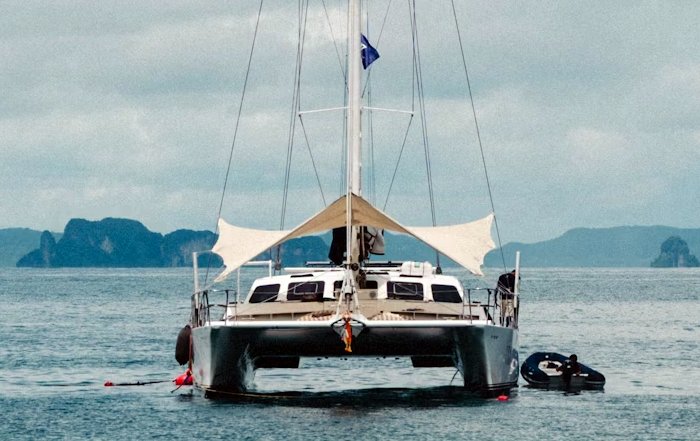
Catamarans continue to be the leading choice for many families due to their stability, expansive living areas, and shallow drafts that open up anchorages from the Bahamas to Thailand. Builders such as Lagoon, Leopard Catamarans, and Fountaine Pajot have responded with models that integrate generous owner's suites, separate children's cabins, and dedicated workspaces, as well as enhanced storage for sports equipment and school materials. Their designs increasingly incorporate solar arrays, lithium battery banks, and efficient hull forms that support long-term autonomy.

Monohulls, meanwhile, retain a strong following among families who value sailing performance, traditional aesthetics, and a deeper sensory connection to the sea. Brands like Beneteau, Jeanneau, Hallberg-Rassy, and Oyster Yachts have refined their interiors to maximize volume, natural light, and ergonomic circulation, making it easier for families to coexist comfortably in more compact spaces. For those considering higher displacement vessels, long-range trawlers and explorer yachts from Nordhavn, Selene, Outer Reef Yachts, and custom yards in Italy, Netherlands, and Turkey provide robust platforms for transoceanic cruising with the redundancy, tankage, and workshop space required for true self-sufficiency.

In parallel, high-end custom builders such as Sunreef Yachts, Silent Yachts, and Lürssen Yachts are redefining what a family yacht can be by integrating hybrid or fully electric propulsion, flexible family cabins, and wellness areas into vessels that are as much sustainable residences as they are luxury assets. For prospective owners, understanding the trade-offs among these categories-sailing versus motor, catamaran versus monohull, production versus custom-remains central, and Yacht-Review.com continues to leverage its review expertise to provide comparative analysis grounded in real-world usage.

Designing for Comfort, Autonomy, and Everyday Life

The modern family liveaboard yacht is a carefully calibrated ecosystem, where every square meter must serve multiple purposes without compromising comfort or safety. In 2026, advances in marine engineering and interior architecture have allowed builders to deliver layouts that rival compact apartments in Berlin, Toronto, or Tokyo, but with the added complexity of motion, weather, and energy constraints.

Key systems such as high-capacity watermakers, solar and wind generation, and efficient HVAC solutions have become standard on serious liveaboard platforms, allowing families to remain independent from marinas for extended periods. Manufacturers have refined desalination technology so that units are quieter, more energy-efficient, and easier to maintain, a critical improvement for those cruising remote archipelagos in French Polynesia or Indonesia. Readers wishing to understand these systems in more technical detail can explore the technology section of Yacht-Review.com, where equipment reviews and expert commentary translate engineering specifications into practical implications for onboard life.

Interior design now emphasizes natural light, ventilation, and sightlines that maintain a psychological sense of openness even in relatively compact hulls. Families increasingly request open-plan saloons that connect directly to aft cockpits and swim platforms, ensuring that children remain in view while adults work or prepare meals. Dedicated study nooks, sound-insulated cabins, and cleverly concealed storage enable a level of organization that is essential when the yacht must accommodate school, work, and leisure simultaneously.

Connectivity is another pillar of livability. The rise of Starlink Maritime, Inmarsat, and Iridium services has dramatically improved bandwidth and reliability, making it possible to run businesses, attend virtual meetings, or follow formal curricula from anchorages in Norway, New Zealand, or South Africa. This has turned yachts into viable mobile offices and classrooms, though responsible owners also invest in cybersecurity measures and redundancy, taking cues from best practices outlined by organizations like ENISA and NIST to protect their digital lives.

Cruising Patterns: Seasonal Routes and Global Horizons

The cruising routes favored by family liveaboards in 2026 reflect a blend of climate logic, infrastructure quality, and educational value. Many European and North American families adopt a seasonal migration pattern, spending summers in temperate waters and repositioning to warmer regions for winter, guided by established weather windows and ocean currents documented by sources such as NOAA and Met Office.

The Mediterranean remains a central hub, with families sailing between Spain, France, Italy, Croatia, Greece, and Turkey, often basing themselves for several months in marinas that offer international schools, healthcare facilities, and convenient air connections for work-related travel. The region's dense concentration of historical sites, museums, and cultural events turns almost every port call into an educational opportunity, a theme explored regularly in Yacht-Review.com's travel and history features.

Across the Atlantic, the Caribbean and Bahamas continue to attract families with their favorable trade winds, relatively short passages, and extensive cruising communities. From the British Virgin Islands to Grenada, marinas and anchorages have adapted to the needs of long-stay liveaboards, offering provisioning services, repair facilities, and social programs that help children form friendships despite their mobile lifestyles. Increasingly, families also explore the Pacific Northwest, Alaska's Inside Passage, and the coasts of Central America and South America, where the combination of wildlife, indigenous cultures, and dramatic landscapes adds depth to the cruising experience.

In the Asia-Pacific region, destinations such as Phuket, Langkawi, Bali, Raja Ampat, New Zealand, and the east coast of Australia have become prominent waypoints on global family routes. Improvements in marina infrastructure, customs procedures, and safety standards are making it easier for yachts to spend extended periods in these waters, while local communities benefit from a steady stream of visiting families who contribute to coastal economies. For a broader perspective on regional developments and regulatory changes, readers can follow ongoing coverage in the global and news sections of Yacht-Review.com.

Community, Culture, and Support Networks Afloat

A defining feature of the liveaboard movement in 2026 is the strength of its global community. Contrary to the stereotype of isolation, families living aboard often find themselves part of a tightly knit, supportive network that spans marinas, anchorages, and online platforms. Organizations such as Ocean Cruising Club, Cruisers Forum, and Women Who Sail have become important hubs for knowledge sharing, mentorship, and emotional support, particularly for newer families navigating their first long passages or ocean crossings.

In popular cruising grounds from the Mediterranean to the South Pacific, informal "kid boats" networks emerge as families coordinate routes and anchorages to ensure that children have peers to socialize with. Marina communities in places like Palma de Mallorca, La Rochelle, Fort Lauderdale, Vancouver Island, and Singapore often organize language exchanges, sports activities, and cultural outings, creating a rich social fabric that softens the transience of life on the move. Stories from these communities frequently appear in Yacht-Review.com's family and community coverage, highlighting the human dimension that underpins technical and financial decisions.

Social media has amplified these connections, allowing families to document their journeys, share practical advice, and normalize the liveaboard lifestyle for wider audiences in North America, Europe, Asia, and beyond. While this visibility helps others learn from real-world experience, it also reinforces the importance of privacy, security, and realistic expectations-topics that responsible platforms, including Yacht-Review.com, address with a focus on trustworthiness and practical guidance rather than aspirational imagery alone.

Education, Child Development, and the Ocean Classroom

Educational continuity is one of the most frequent concerns raised by families considering a liveaboard transition, yet by 2026 the tools and frameworks for high-quality remote learning are significantly more mature than they were even a few years ago. International curricula such as Cambridge International, IB-aligned programs, and national distance-learning platforms in countries like United States, United Kingdom, Australia, and France offer structured pathways that can be followed from almost anywhere with reliable connectivity.

Alongside these formal frameworks, digital resources such as Khan Academy, Outschool, and language-learning platforms complement parent-led instruction, while online tutoring services allow older children to prepare for exams or university entrance requirements. However, the most distinctive educational asset remains the environment itself. Children living aboard learn geography by plotting routes, meteorology by interpreting forecasts, and biology by snorkeling over coral reefs or observing whales in Norway, Iceland, or South Africa. This experiential learning fosters adaptability, problem-solving, and intercultural competence that are increasingly valued in a globalized economy, as highlighted in studies by organizations like UNESCO.

Families interviewed by Yacht-Review.com consistently describe how the rhythm of life at sea encourages independence, responsibility, and collaboration among children. Chores such as line handling, watch-keeping, and basic maintenance become part of daily education, reinforcing practical skills alongside academic progress. Articles in the site's lifestyle and family sections frequently explore how parents balance structure and freedom to ensure that the ocean classroom is not a compromise but an enhancement of conventional schooling.

Financial Planning, Maintenance, and Long-Term Viability

While the images of turquoise anchorages and sunset dinners are compelling, the liveaboard lifestyle is sustainable only when underpinned by realistic financial planning and disciplined maintenance. In 2026, rising interest rates, fluctuating fuel prices, and changing marina fee structures across Europe, North America, and Asia mean that families must approach ownership with the same rigor they would apply to a land-based property or business investment.

Acquisition costs vary widely depending on whether a family opts for a pre-owned production yacht, a new semi-custom build, or a fully bespoke project. Beyond the purchase price, ongoing expenses include insurance, registration, haul-outs, routine servicing, upgrades, and contingencies for unexpected repairs. Insurance providers such as Pantaenius, BoatUS, and regionally focused underwriters have expanded their offerings for liveaboard and bluewater cruising, but premiums and coverage terms are influenced by cruising areas, storm seasons, and vessel type.

Digital budgeting tools and specialized marine software help families track expenses and plan refits, while navigation platforms such as Navionics and routing tools like PredictWind assist in optimizing passages for fuel efficiency and safety. Many of the most experienced families treat their yachts as small businesses, maintaining detailed logs and adopting preventative maintenance practices to preserve value over time. The business section of Yacht-Review.com regularly examines ownership models, charter options, and resale considerations to support informed decision-making.

Sustainability and Environmental Responsibility

Environmental responsibility has moved from the margins to the center of yachting discourse, and liveaboard families are often at the forefront of adopting sustainable practices because they witness ocean health directly in their daily lives. By 2026, hybrid propulsion, solar-electric systems, and more efficient hull designs are no longer experimental; they are increasingly mainstream in new builds, particularly from innovators like Silent Yachts, Greenline Yachts, Spirit Yachts, and forward-thinking shipyards in Netherlands, Italy, and Scandinavia.

Families committed to minimizing their footprint integrate renewable energy generation, waste reduction strategies, and eco-friendly products into their onboard routines. Many participate in citizen science initiatives, beach cleanups, and conservation projects coordinated by organizations such as Sailors for the Sea, The Ocean Cleanup, and regional NGOs. For those seeking to deepen their understanding of marine conservation and sustainable cruising practices, the sustainability section of Yacht-Review.com offers analysis, case studies, and interviews with experts working at the intersection of yachting and environmental science.

These efforts are part of a broader shift in the industry, as classification societies, regulators, and international bodies such as the International Maritime Organization continue to refine standards for emissions, waste management, and protected areas. Families who choose to live at sea for the long term increasingly view themselves as stewards rather than merely users of marine environments, integrating environmental literacy into both their daily decisions and their children's education.

Health, Safety, and Wellbeing

For liveaboard families, safety and health are non-negotiable foundations. Advances in satellite communications, navigation technology, and emergency response coordination have significantly improved risk management in 2026, yet responsible seamanship and preparation remain essential. Training from organizations such as RYA, US Sailing, and national coast guards equips families with skills in first aid, firefighting, and heavy-weather sailing, while modern equipment-from AIS transponders and EPIRBs to satellite trackers-provides layers of redundancy.

Healthcare access is increasingly supported by telemedicine providers like MedAire and WorldClinic, which offer remote consultations, prescription guidance, and evacuation coordination. Comprehensive onboard medical kits, tailored to cruising regions and family needs, are now standard on serious liveaboard vessels. Wellness, however, goes beyond physical health. The psychological impact of close-quarters living, changing social circles, and extended time away from extended family requires attention and intentional strategies, from regular communication with relatives to planned time ashore in familiar locations.

The editorial perspective at Yacht-Review.com emphasizes that the most successful long-term liveaboard families are those who treat safety, health, and wellbeing as integrated systems rather than isolated checklists. Articles across the lifestyle and cruising sections highlight how routines, exercise, and mindful pacing of passages contribute to a sustainable, enjoyable life afloat.

Looking Ahead: Innovation, Culture, and the Future of Floating Families

As the year unfolds, the trajectory of the family liveaboard movement points toward greater integration of technology, sustainability, and personalized design. Artificial intelligence is beginning to inform routing decisions, energy management, and predictive maintenance, while augmented reality tools assist with navigation and system monitoring. Shipyards are experimenting with recyclable composites, hydrogen fuel cells, and modular interiors that can evolve with a family's changing needs, whether that involves converting a classroom into a teenage workspace or reconfiguring cabins for multi-generational living.

Culturally, the presence of liveaboard families in marinas from Netherlands to Japan, Brazil to Denmark, is reshaping how coastal communities perceive yachting. Rather than being associated solely with short-term tourism or ultra-high-net-worth owners, yachts are increasingly recognized as alternative homes and platforms for long-term, responsible travel. This shift is reflected in new marina developments that incorporate co-working spaces, children's facilities, and eco-certifications, as well as in policy discussions about visas, taxation, and environmental regulation.

For Yacht-Review.com, documenting this evolution is both an editorial responsibility and a privilege. Through its news, events, and community coverage, the publication continues to connect readers with the designers, shipyards, technologists, and families who are shaping the future of life at sea.

Ultimately, the modern family liveaboard lifestyle is about more than geography or hardware; it is about redefining what home, work, and education can look like when the horizon is not a boundary but an invitation. For those considering this path, the combination of expert insight, practical analysis, and real-world narratives available at Yacht-Review.com offers a trusted foundation on which to build a floating future that is both ambitious and deeply grounded in reality.

Charting Your Course: A Yacht Enthusiast's Guide to Boat Navigation

Last updated by Editorial team at yacht-review.com on Friday 23 January 2026
Charting Your Course A Yacht Enthusiasts Guide to Boat Navigation

Navigating Yachts: Where Seamanship, Data, and Design Converge

Yacht navigation glides at a rare intersection of tradition and transformation. The same oceans that once challenged Phoenician traders, Polynesian wayfinders, and early Atlantic explorers are now traversed by vessels equipped with satellite constellations, real-time ocean analytics, and increasingly autonomous systems. Yet, beneath the layers of software and silicon, the fundamentals remain unchanged: understanding one's position, predicting what lies ahead, and making sound decisions in an environment that will never be entirely predictable. For the editorial team and readership of Yacht-Review.com, navigation is not simply a technical necessity; it is the discipline that underpins every review, every design analysis, and every cruising story we publish, shaping how owners, captains, and families experience genuine freedom at sea.

Foundations That Still Matter: Core Seamanship in a Digital Era

Despite the ubiquity of digital cartography and satellite positioning, the foundations of marine navigation remain rooted in principles that have changed little in centuries. Determining position, plotting a safe route, and maintaining situational awareness are still the core responsibilities of anyone at the helm, whether guiding a 30-foot weekender in the Solent or a 90-meter superyacht off the coast of Western Australia. The language of latitude and longitude, the influence of currents and tides, and the nuances of variation and deviation continue to define how a yacht's actual track compares with the captain's intended course.

Leading training bodies such as the Royal Yachting Association (RYA) and the American Sailing Association (ASA) have responded to the digital revolution not by abandoning traditional skills, but by embedding them more deliberately within modern curricula. Students still learn dead reckoning, three-point fixes, and the interpretation of light characteristics, but now they do so alongside GNSS operation, AIS interpretation, and integrated bridge management. This dual competence is no nostalgic indulgence; it is a risk-management imperative in an era where GPS spoofing, software glitches, or power anomalies can compromise even the most advanced systems. Those who follow Yacht-Review.com's historical perspectives will recognize that every major leap in maritime technology has been accompanied by a renewed appreciation for seamanship as the ultimate layer of redundancy.

In practice, the captains most trusted by owners and charter guests in the United States, Europe, and Asia are those who combine textbook knowledge with a seasoned eye. They know how to cross-check electronic readings against visual cues, how to recognize when a charted depth seems inconsistent with the color of the water, and how to interpret subtle changes in swell direction or barometric pressure that may not yet appear on a forecast chart. Technology accelerates their decision-making, but it does not absolve them of judgment.

Satellite Constellations and Digital Charts: Precision as Standard

By 2026, Global Navigation Satellite Systems (GNSS) have become so deeply embedded in yachting that their presence is almost invisible, yet their impact is profound. GPS from the United States, Galileo from Europe, GLONASS from Russia, and BeiDou from China collectively provide multi-constellation coverage that has dramatically improved accuracy and redundancy for yachts operating from the Mediterranean to the South Pacific. When combined with augmentation services and, in some regions, Real-Time Kinematic (RTK) corrections, position accuracy can reach the decimeter scale, an advantage that is particularly evident when maneuvering in tight marinas in Italy or navigating reef-strewn passes in French Polynesia.

Electronic chart providers such as Navionics and C-MAP continue to refine their data sets, drawing on hydrographic offices, crowd-sourced soundings, and commercial survey campaigns. In North America, the National Oceanic and Atmospheric Administration now distributes updated Electronic Navigational Charts (ENCs) as the primary reference for many coastal areas, while the UK Hydrographic Office maintains its Admiralty digital portfolio as the benchmark for global commercial and large-yacht operations. For our readers following the evolution of helm layout and interface design, the growing sophistication of these charts is closely tied to developments we cover in Yacht-Review.com's design coverage, where the presentation of navigational data is as much a design challenge as a technical one.

The integration of satellite data with meteorological feeds has created a new standard for route planning. Services drawing on models from institutions such as the European Centre for Medium-Range Weather Forecasts and NOAA allow captains to overlay wind, wave, and current forecasts directly onto their voyage plans. This capability is particularly valuable for long-range cruisers crossing the Atlantic, transiting from the Caribbean to the Mediterranean, or running from Singapore to the Maldives, where small shifts in weather patterns can have substantial implications for comfort, safety, and fuel consumption. Readers exploring our cruising features will see how such tools have reshaped expectations for what constitutes a "well-planned passage" in 2026.

The Modern Helm: From Instrument Cluster to Intelligent Bridge

Step onto the bridge of a contemporary superyacht launched in Germany, the Netherlands, or Italy, and the transformation from the analog helms of just two decades ago is unmistakable. Glass-bridge installations from Garmin Marine, Raymarine, Furuno, and Navico Group consolidate radar, sonar, charting, engine data, and camera feeds into a small number of large, high-resolution displays. Touchscreen interaction, customizable layouts, and contextual menus allow watchkeepers to adapt the interface to the demands of harbor approaches, offshore passages, or high-latitude cruising.

The evolution is not only visual. Under the surface, integrated bridge systems coordinate autopilot behavior, thruster control, and dynamic positioning with an awareness of wind, current, and proximity to hazards. Autopilot algorithms now consider vessel motion, not just heading, smoothing course corrections to reduce roll and pitch, a feature that owners in markets such as the United States, Australia, and the Middle East increasingly expect as standard. For readers of Yacht-Review.com's review section, helm ergonomics and system integration have become central to how we evaluate new models, from compact explorer yachts to 100-meter flagships.

Design studios such as Espen Øino International, Winch Design, and other leading European firms treat the bridge not merely as a technical compartment, but as a critical element of the yacht's overall aesthetic and operational philosophy. Sightlines, seating positions, and the relationship between helm and exterior wing stations are carefully orchestrated to support safe navigation without compromising interior elegance. This holistic approach is increasingly important for owners who expect their yachts to operate safely in complex environments, from the congested waterways of Southeast Asia to the narrow fjords of Norway.

Artificial Intelligence and Predictive Navigation

Artificial intelligence has moved from experimental concept to everyday tool in yacht navigation. Drawing on machine-learning techniques widely documented by organizations such as MIT and leading maritime research institutes, modern systems can analyze historical voyage data, vessel performance curves, and high-resolution weather models to propose optimized routes that balance comfort, speed, and fuel economy.

AI-enhanced autopilots, influenced by pioneering projects such as the IBM Mayflower Autonomous Ship and the Yara Birkeland, now offer decision-support functions that exceed simple course-keeping. They can recommend speed adjustments before entering adverse current zones, suggest minor course deviations to avoid developing squall lines, and even propose alternative arrival windows to reduce time spent waiting for tidal gates in regions like the English Channel or the Straits of Malacca. Within the yachting sector, these capabilities are being adapted into bridge systems that retain the captain as ultimate decision-maker while providing a level of foresight that would have been impossible with manual methods alone.

Regulators, led by the International Maritime Organization (IMO), are working to ensure that this shift does not dilute accountability. Guidance emerging from IMO committees emphasizes that AI should augment, not replace, certified watchkeepers, and that clear audit trails must be maintained for key navigational decisions. On Yacht-Review.com's business pages, we have observed that insurers, classification societies, and flag states now scrutinize not only the hardware installed on board, but also the governance frameworks that dictate how automated recommendations are used.

At the same time, AI plays a growing role in sustainability. Voyage-optimization platforms from companies such as Wärtsilä and ABB Marine & Ports are being adapted to large private yachts, where they can deliver double-digit percentage reductions in fuel consumption on transoceanic passages. For owners conscious of both cost and carbon footprint, these tools offer a compelling intersection of performance and responsibility, a theme explored regularly in our sustainability coverage.

Weather, Ocean Dynamics, and Risk-Aware Route Planning

The ability to interpret weather has always distinguished prudent mariners from reckless ones. In 2026, the sheer volume of atmospheric and oceanographic data available to a yacht is unprecedented, but the challenge has shifted from access to interpretation. Routing services that synthesize models from GFS, ECMWF, and regional agencies deliver granular forecasts of wind, swell, and current for virtually every ocean basin, from the busy North Atlantic to the remote Southern Ocean.

Software packages such as TimeZero, Expedition, and other advanced routing tools used by offshore race teams and long-range cruisers convert this data into route suggestions that take into account a yacht's polar performance curves, stability characteristics, and fuel range. Yet, as recent seasons in the North Atlantic and Western Pacific have shown, localized phenomena and rapid intensification of storms can still outpace model updates, particularly in a climate regime undergoing measurable change, as documented by bodies like the Intergovernmental Panel on Climate Change.

Experienced captains increasingly adopt a layered approach: long-range routes are planned with sophisticated software, but onboard decision-making remains agile, with contingency plans, alternative ports of refuge, and fuel reserves built into the strategy. This philosophy is particularly evident in high-latitude expeditions to Greenland, Svalbard, or Antarctica, where ice conditions and katabatic winds demand a level of flexibility that no algorithm can fully anticipate. Our global navigation features regularly highlight case studies in which human judgment and digital forecasting combine to produce safe, efficient passages in some of the world's most challenging waters.

Safety, Regulation, and the Architecture of Trust

As navigation systems become more complex, the question of trust moves to the foreground. Owners and charter guests in North America, Europe, and Asia increasingly ask not only whether a yacht is well equipped, but whether its systems are resilient, secure, and compliant with evolving regulations. The COLREGs, the SOLAS framework, and standards from the International Hydrographic Organization (IHO) remain the legal backbone of safe navigation, but their practical implementation now takes digital form.

Electronic Chart Display and Information Systems (ECDIS), once the preserve of commercial shipping, have filtered into the upper tiers of the superyacht market, especially on vessels operating under commercial codes. Integrated with AIS, radar, and GNSS, they provide a constantly updated picture of traffic and hazards, while electronic logbooks record tracks, speed profiles, and key decisions for later review. Classification societies such as Lloyd's Register and Bureau Veritas have expanded their rule sets to address integrated bridge design, software maintenance, and cyber resilience, recognizing that a compromised navigation network can be as dangerous as a mechanical failure.

Cybersecurity has become a central pillar of navigational safety. Best-practice frameworks promoted by organizations such as the UK's National Cyber Security Centre and maritime-focused security firms now influence how yachts segregate guest networks from operational networks, manage software updates, and monitor for anomalies. For our readers following developments in onboard technology, Yacht-Review.com's technology section increasingly addresses these invisible aspects of safety, reflecting the reality that trust in navigation now depends as much on digital hygiene as on physical redundancy.

Training, Simulation, and the Making of the Modern Navigator

The skill set expected of a professional yacht navigator in 2026 is broader than at any previous point in maritime history. Beyond chart work and radar interpretation, officers must now understand integrated systems architecture, data reliability, and human-machine interface design. Institutions such as International Yacht Training (IYT), the RYA, and advanced academies in the United States, Europe, and Asia have responded by investing heavily in simulation technology.

Full-mission bridge simulators replicate port approaches in Rotterdam, Hong Kong, or Miami, complete with AIS targets, traffic separation schemes, and variable visibility. Trainees learn to manage alarm cascades, sensor discrepancies, and equipment failures in controlled environments before they ever face such challenges at sea. Augmented-reality solutions from companies like Wärtsilä and Furuno are now used both for training and onboard operations, overlaying headings, distances, and hazard markers directly onto the real-world view.

At the same time, online learning platforms extend access to high-quality navigation education for enthusiasts in regions from Brazil to South Africa and Southeast Asia. This democratization of knowledge means that many owner-operators of 40- to 70-foot yachts now hold certifications and practical experience that match or exceed what was once expected only of professional crew. The culture of continuous learning, reinforced by yacht clubs and offshore racing organizations, feeds directly into the community-driven ethos we highlight in our community coverage, where mentorship and shared experience remain central to the yachting lifestyle.

Maintenance, Reliability, and Lifecycle Management

The reliability of navigation systems is not determined solely at the shipyard; it is shaped by the maintenance culture on board. Integrated bridges from Garmin, Raymarine, Furuno, and Simrad rely on a network of sensors, processors, and power supplies that must be monitored, updated, and periodically recalibrated. Regular compass deviation checks, radar tuning, software patching, and AIS range verification are now embedded in the planned maintenance systems of professionally run yachts.

Power quality has emerged as a critical factor, especially on hybrid and fully electric yachts from innovators such as Sunreef Yachts Eco and Silent Yachts, where navigation systems share electrical infrastructure with propulsion and hotel loads. Dedicated uninterruptible power supplies and carefully engineered redundancy ensure that helm systems remain operational even during generator transitions or battery-management events.

Cyber-maintenance is equally important. Firewalls, access controls, and encrypted communications are now part of the standard specification for new-builds in Europe and North America. Flag states and classification societies encourage, and in some cases require, periodic cyber-risk assessments. At Yacht-Review.com's boats section, our assessments increasingly consider not only the quality of the hardware installed, but also the manufacturer's approach to long-term software support and security updates, recognizing that a navigation system is only as safe as its latest patch.

Navigation as a Driver of Sustainable Yachting

Sustainability has shifted from a niche concern to a central design and operational priority in the global yachting industry. Navigation plays a pivotal role in this transition. By planning routes that minimize fuel consumption, avoid sensitive marine habitats, and synchronize with favorable currents and winds, captains can materially reduce the environmental footprint of each voyage.

Voyage-optimization tools now routinely factor in emissions, not just time and distance. Software developed for commercial shipping has been adapted to large private yachts, enabling owners to visualize the carbon implications of different routing choices. This aligns with broader maritime objectives set by the IMO to reduce greenhouse-gas emissions from international shipping, as well as with private initiatives led by shipyards such as Feadship, Benetti, and Oceanco, which are investing in alternative fuels, hybrid propulsion, and energy-efficient hull forms.

Electronic charts increasingly highlight marine protected areas, no-anchoring zones, and recommended eco-routes, encouraging responsible behavior in regions such as the Great Barrier Reef, and the Mediterranean's growing network of MPAs. Dynamic positioning systems, once associated primarily with offshore industry, are now specified on superyachts to allow station-keeping without anchoring over fragile seabeds. Our ongoing analysis in the sustainability section reflects a clear trend: navigation has become a primary tool through which environmentally conscious owners express their values.

Cultural Heritage, Exploration, and the Human Dimension

Amid quantum sensors, AI algorithms, and satellite broadband, the cultural and emotional dimensions of navigation remain as relevant as ever. Museums such as the National Maritime Museum in Greenwich and the Musée National de la Marine in France preserve the instruments and stories of earlier eras, reminding today's yacht owners that the instinct to cross horizons is as old as civilization itself.

Many contemporary yacht designs pay quiet homage to this heritage. Classic-inspired explorers and sailing yachts blend state-of-the-art navigation suites with traditional wheelhouses, chart tables, and even sextant storage, not as affectations but as tangible links to a lineage of seamanship that spans continents and centuries. Expeditions undertaken by organizations such as the Tara Ocean Foundation and the Maiden Factor demonstrate how modern navigation supports voyages with scientific, educational, and social missions, resonating with a new generation of owners who see their yachts as platforms for purpose as well as pleasure.

For our editorial team at Yacht-Review.com's history pages, this convergence of heritage and innovation is more than a narrative device; it is the context within which we evaluate every new technology. A navigation system is not judged solely on its specifications, but on how it enhances the enduring human experience of being at sea: the quiet concentration of a night watch, the satisfaction of a well-executed landfall, the shared confidence of a crew that trusts both its instruments and its instincts.

A Connected, Intelligent, and Responsible Future

Looking ahead to the remainder of the decade, the trajectory of yacht navigation is clear. Connectivity will deepen, with satellite constellations such as Starlink and OneWeb making high-bandwidth communication routine even in polar and mid-ocean regions. Quantum-based inertial navigation, under development by agencies such as the European Space Agency (ESA) and leading universities, promises position accuracy independent of external signals, a potential game-changer for high-latitude and high-security operations. AI will become more pervasive, not only suggesting routes but dynamically adjusting them based on live oceanographic and traffic data.

Yet, the defining characteristic of successful navigation will remain what it has always been: the ability of humans to interpret, question, and ultimately own the decisions made at the helm. For owners and captains across North America, Europe, Asia, and beyond, the yachts that inspire the most confidence will be those that balance technological sophistication with clarity, redundancy, and intuitive control.

At Yacht-Review.com, navigation is the thread that connects our coverage of design, cruising, technology, business, and lifestyle. Whether assessing a new helm concept from a Northern European shipyard, analyzing the performance of an AI-driven routing suite on a Pacific crossing, or exploring how families experience extended cruising in regions from the Mediterranean to New Zealand, we view every story through the lens of how well a yacht enables its crew to navigate safely, efficiently, and meaningfully.

In 2026, to stand at the helm of a yacht is to engage in a dialogue between past and future: between the age-old art of reading sky and sea, and the cutting-edge science of sensors and algorithms. Those who master this dialogue - who embrace technology without surrendering judgment - will define the next chapter of yachting. For them, and for our global readership, navigation is more than a function; it is the living art that turns vessels into instruments of exploration, and voyages into experiences worthy of the world's boundless blue.

Sailing into Serenity: The Rise of Wellness Retreats on Luxury Yachts

Last updated by Editorial team at yacht-review.com on Friday 23 January 2026
sailing into serenity the rise of wellness retreats on luxury yachts

Wellness Retreats at Sea: How Luxury Yachting Became the Ultimate Sanctuary

A New Definition of Luxury for Yacht Review Readers

Today the global conversation around luxury has shifted decisively away from excess and spectacle toward meaning, wellbeing, and conscious living. Within this transition, wellness retreats on luxury yachts have moved from an emerging curiosity to a central pillar of the high-end travel landscape. For the international audience of Yacht-Review.com, spanning the United States, Europe, Asia-Pacific, and beyond, this evolution feels both natural and deeply personal: yachting has always symbolized freedom, privacy, and the ability to chart one's own course, and wellness-focused yachting simply extends that philosophy inward, transforming each voyage into a curated journey of physical, mental, and emotional renewal.

Where yachts were once primarily perceived as expressions of financial success or adventurous spirit, they are now increasingly designed and operated as floating wellness sanctuaries. The measure of a successful charter is less about how many ports are visited and more about how profoundly guests feel restored when they disembark. Dedicated wellness directors, onboard physicians and nutritionists, mindfulness coaches, and spa therapists have joined captains and chief engineers as integral members of the crew. For readers exploring the latest yacht concepts and refits on Yacht-Review.com/reviews.html, it is clear that the modern superyacht is no longer just a vessel of travel; it is a vessel of transformation.

This evolution aligns with the broader global wellness economy, which, according to the Global Wellness Institute, has continued its strong trajectory through the mid-2020s, with wellness tourism now firmly entrenched as one of its most dynamic segments. Elite travelers from the United States, United Kingdom, Germany, the Middle East, and Asia increasingly seek experiences that combine privacy, medical-grade expertise, and deep contact with nature. In this context, wellness yachting has become the apex of a new luxury hierarchy, offering the rare combination of seclusion, personalization, and mobility that land-based resorts struggle to match.

From Spa Amenity to Core Philosophy

The integration of wellness into yachting did not happen overnight. In the early 2010s, many superyachts added gyms, massage rooms, and small saunas as lifestyle amenities. By the early 2020s, however, leading owners, charter brokers, and shipyards recognized that wellness was no longer an optional add-on but a defining expectation of a new generation of ultra-high-net-worth clients. As mental health, bio-optimization, and longevity became central to personal and corporate life, yachts evolved into platforms where these aspirations could be pursued without compromise.

Industry leaders such as Burgess, Fraser Yachts, Northrop & Johnson, Y.CO, and Ahoy Club began to reposition their offerings, curating wellness-focused itineraries and investing in specialized crew training. Wellness charters now commonly begin with pre-embarkation consultations, where guests outline goals ranging from stress reduction and sleep improvement to metabolic health or digital detox. These objectives shape every aspect of the voyage: daily routines, menus, activity schedules, and even the choice of anchorages. Readers following strategic developments on Yacht-Review.com/business.html will recognize how profoundly this has altered charter marketing, pricing structures, and owner expectations.

Onboard programming has expanded far beyond classic spa treatments. Vessels now host breathwork intensives, sound-healing ceremonies, cold-water immersion protocols, functional fitness training, and cognitive-coaching sessions. Partnerships with leading wellness brands and clinics, including land-based pioneers like Six Senses, Aman, and SHA Wellness Clinic, have enabled a seamless continuum of care between shore and sea. Many guests who frequent flagship resorts in Europe, North America, and Asia now view a wellness yacht charter as the most exclusive extension of their established wellbeing regimen.

Design as Therapy: Architecture of Calm

For the designers and naval architects whose work is regularly showcased on Yacht-Review.com/design.html, wellness has become a central design brief rather than an afterthought. The modern wellness yacht is conceived from the keel up as a therapeutic environment. Biophilic design principles guide everything from spatial layout to materials selection, with the goal of creating interiors that mirror the calming qualities of the sea itself.

Light, in particular, has become a primary design tool. Floor-to-ceiling glazing, skylights over stairwells, and retractable terraces ensure that natural light and horizon views are constantly present, reducing the sense of enclosure and supporting circadian alignment. Advanced lighting systems use tunable LEDs to mimic the color temperature of sunrise and sunset, supporting sleep cycles during long passages or in high-latitude regions where daylight hours fluctuate dramatically.

Materials are chosen not only for aesthetics but also for their tactile and psychological impact. Natural woods, linen, stone, bamboo, and recycled or upcycled elements create a grounded, human-scale feeling, in contrast to the glossy opulence of earlier superyacht eras. Shipyards such as Feadship, Benetti, Sanlorenzo, Oceanco, Heesen Yachts, and Amels have launched or announced dedicated wellness-focused series, often working with renowned studios like Winch Design, RWD to integrate spa decks, contemplation rooms, and convertible yoga spaces into the core architecture.

Noise and vibration management have likewise become central to wellness design. Advances in hull engineering, isolation mounts, and silent or hybrid propulsion systems reduce acoustic fatigue, allowing guests to meditate, sleep, or simply read without the constant hum that once characterized life at sea. For an in-depth look at these innovations, readers can explore Yacht-Review.com/technology.html, where propulsion, stabilization, and smart-building systems are analyzed through the lens of both comfort and sustainability.

The Science of "Blue Mind" and Oceanic Wellbeing

The appeal of wellness yachting is not purely aesthetic or symbolic; it is increasingly supported by scientific research into the physiological and psychological benefits of proximity to water. The concept of the "blue mind," popularized by marine biologist Dr. Wallace J. Nichols, describes a mildly meditative state characterized by calm, clarity, and emotional openness that many people experience near oceans, lakes, and rivers. This effect is believed to arise from a combination of sensory factors: the rhythmic sound of waves, the visual simplicity of the horizon, and the negative ions present in sea air.

Modern wellness yachts amplify these natural benefits by creating conditions that support nervous-system regulation and recovery. Many vessels now integrate air-filtration and ionization systems, advanced water treatment, and carefully tuned acoustic insulation to reduce sensory overload. Guests are encouraged to adopt "digital sabbatical" practices, with structured times for device use and prolonged periods of disconnection. Such protocols mirror broader guidance from organizations like the World Health Organization and Mayo Clinic, which highlight the role of sleep, stress management, and time in nature in preventing chronic disease and burnout.

Hydrotherapy, once confined to onboard Jacuzzis, has evolved into a sophisticated modality that includes contrast bathing, saltwater immersion, and even floating meditation sessions in calm bays. For those interested in the clinical underpinnings of these practices, it is useful to explore resources that discuss the science of stress reduction and cardiovascular health, or to learn more about the benefits of time in nature through leading medical and environmental research portals. Yachting, viewed through this lens, becomes a mobile "blue zone," a place where lifestyle factors associated with longevity are concentrated and intentionally cultivated.

Destinations as Healing Landscapes

While the yacht itself serves as the primary sanctuary, the choice of cruising grounds profoundly shapes the wellness experience. The audience of Yacht-Review, with strong interest in the Mediterranean, Caribbean, Northern Europe, Asia-Pacific, and polar regions, has watched as certain destinations have become synonymous with specific forms of renewal.

The Mediterranean remains the most versatile wellness theater, combining cultural richness with diverse seascapes. Greece offers quiet anchorages among the Cyclades and Dodecanese, where sunrise yoga on deck is framed by ancient temples and whitewashed villages. Italy's Amalfi Coast and islands such as Capri, Ischia, and Sardinia blend thermal springs, Mediterranean diet traditions, and world-class spas with coastal cruising. France's Côte d'Azur, long associated with glamour, now hosts an increasing number of medical-wellness collaborations, where guests can integrate diagnostics or recovery programs into summer charters. Readers can find expert guidance on such itineraries in Yacht-Review.com/cruising.html, where routes are analyzed not only for scenery but also for restorative potential.

Beyond Europe, the Maldives, Seychelles, and Indonesia have emerged as archetypal wellness-yachting regions. Indonesia's Raja Ampat, Komodo National Park, and the waters around Bali offer a rare combination of biodiversity, spiritual heritage, and remoteness. Here, onboard programs often incorporate Balinese massage, boreh body rituals, sound healing, and guided breathwork, paired with mindful diving and snorkeling in some of the world's richest coral ecosystems. In Thailand, charters along the Andaman Sea blend Buddhist mindfulness traditions with advanced spa therapies, creating a uniquely Southeast Asian synthesis of body and spirit.

At higher latitudes, Norway's fjords, Iceland's coast, and the archipelagos of Finland and Sweden have popularized Nordic-style wellness voyages, where cold-water immersion, sauna rituals, and silent contemplation of dramatic landscapes form the core of the experience. This approach aligns with growing global interest in contrast therapy and resilience training, themes often discussed in leading health and performance publications and on platforms that explore the science of cold exposure and sauna use.

Conscious Luxury: Sustainability as a Wellness Imperative

For the discerning readers of Yacht-Review.com, especially those in Europe, North America, and Asia who follow environmental policy and ESG frameworks, the connection between wellness and sustainability is now self-evident. A voyage cannot genuinely promote wellbeing if it compromises the health of the ocean that makes it possible. As a result, the most forward-thinking owners, shipyards, and charter operators are aligning their wellness narratives with rigorous sustainability standards.

Hybrid and diesel-electric propulsion, battery banks, solar integration, and even early-stage hydrogen systems are becoming hallmarks of next-generation wellness yachts. Projects like Aqua by Sinot, Feadship's Pure, Oceanco's Kairos, and Benetti's B.Yond series exemplify this direction, combining reduced emissions and noise with layouts optimized for slow, contemplative cruising. Many of these vessels adopt advanced wastewater treatment, waste-heat recovery, and low-impact hull coatings to minimize ecological footprint.

Culinary programs aboard wellness yachts increasingly feature plant-forward menus, local sourcing, and regenerative agriculture principles. Chefs collaborate with nutritionists to create anti-inflammatory, low-sugar, and microbiome-supportive dishes, aligning with guidance from institutions such as the Harvard T.H. Chan School of Public Health, where one can explore evidence-based healthy eating frameworks. This approach not only supports guest health but also reduces the environmental load associated with imported luxury ingredients.

A growing number of charters incorporate hands-on conservation components: reef monitoring, beach cleanups, citizen-science projects, and visits to marine research centers. Partnerships with organizations like Oceanic Global and Blue Marine Foundation have become a mark of seriousness, signaling that the yacht is not merely a consumer of pristine environments but an active contributor to their protection. Readers can delve further into this alignment of ethics and elegance at Yacht-Review.com/sustainability.html, where sustainability is treated as both a design challenge and a philosophical commitment.

Smart Sanctuaries: Technology Serving Human Health

As of 2026, the most advanced wellness yachts resemble living organisms, constantly sensing and adapting to their guests' needs. Artificial intelligence and biometric monitoring, once the domain of elite sports and medical facilities, now quietly orchestrate comfort aboard high-end charters. Smart cabins adjust temperature, humidity, lighting, and even scent based on data from wearables that track sleep quality, heart-rate variability, and activity levels. Onboard physicians or wellness directors review these metrics to fine-tune daily programs, nutrition, and recovery.

Concepts showcased at events like the Monaco Yacht Show and covered in yachting and technology media highlight a future in which the yacht becomes an integrated health platform. VR and AR systems enable guided meditation experiences synchronized with the motion of the sea, while immersive sound systems reproduce natural frequencies proven to enhance relaxation and focus. Digital wellbeing is prioritized: instead of constant connectivity, guests are offered curated, intentional digital experiences, including AI-assisted journaling, coaching, and habit tracking.

Propulsion and hotel systems are managed to balance performance with serenity. Silent running modes, dynamic positioning, and advanced stabilization reduce motion and noise, making practices such as yoga, Pilates, and meditation feasible even underway. For readers interested in how these technologies intersect with broader trends in clean energy and smart infrastructure, resources that explore sustainable maritime innovation provide a useful parallel to the detailed coverage at Yacht-Review.com/technology.html.

Family and Multigenerational Wellness Voyages

An important development since 2023 has been the rise of family-centered wellness charters. Rather than viewing wellness as a solitary or couples-only pursuit, many owners and charterers from North America, Europe, the Middle East, and Asia now design itineraries that bring multiple generations together in a mindful, health-oriented environment. For the community that follows Yacht-Review.com/family.html, this shift reflects a broader desire to use yachting as a platform for education, legacy, and shared values.

On these voyages, mornings might begin with gentle stretching or yoga suitable for all ages, followed by marine biology excursions led by onboard or local experts. Children and teenagers learn about coral ecosystems, climate change, and navigation, while adults participate in workshops on stress management, sleep, or nutrition. Meals are crafted to be both appealing and healthful, introducing younger guests to global flavors and fresh, seasonal ingredients.

Evenings often feature device-free time: storytelling under the stars, family meditation, or simple observation of bioluminescent waters and night skies far from urban light pollution. These shared experiences foster emotional connection and resilience, countering the fragmentation and distraction that characterize many modern households. In this sense, wellness yachting supports not only individual health but also the wellbeing of family systems, reinforcing the idea that true luxury includes time, presence, and intergenerational understanding.

Exemplary Vessels Shaping the Era

Several notable yachts launched or refitted in the first half of the 2020s illustrate how comprehensively wellness has been woven into design and operation. Aqua by Sinot, with its hydrogen propulsion concept, panoramic wellness spaces, and meditation gardens, continues to influence how owners and designers think about sustainability and serenity as intertwined goals. Feadship's Viva, combining low-impact engineering with a full spa deck, oxygen-enriched fitness areas, and contemplative lounges, demonstrates how an owner's personal wellness philosophy can shape every design decision.

The Sanlorenzo SX112 Wellness Edition, with its open transom, modular wellness zones, and saltwater plunge pools, appeals particularly to owners in Europe and North America who prefer understated, contemporary aesthetics. The Benetti Oasis 40M, with its signature Oasis Deck and social-wellness concept, shows how spaces can be designed to encourage both introspection and conviviality, making it popular among younger owners and charterers who value community as much as privacy.

These vessels, and many others profiled on Yacht-Review.com/reviews.html, underscore a critical insight: the future of yachting is not defined by size alone but by depth of experience. The most admired yachts of this decade are those that create coherent narratives of wellbeing, sustainability, and aesthetic restraint, rather than merely accumulating amenities.

Global Market Outlook and Regional Dynamics

From a business perspective, wellness yachting has matured into a strategic growth driver for the global industry. Analysts tracking luxury trends through platforms such as McKinsey & Company and global tourism reports note that health and purpose-driven travel continue to outpace traditional leisure segments. Charter brokers report that wellness-focused itineraries command premium pricing and longer booking windows, with clients from the United States, United Kingdom, Germany, Switzerland, the Middle East, Singapore, and China particularly active in this space.

Europe remains the design and construction hub, with Italian, Dutch, and German yards leading innovation. North America is a key source of owners and charterers, while Asia and the Middle East are expanding rapidly as both markets and cruising regions. Singapore, Hong Kong, Dubai, and Doha have emerged as strategic gateways for wellness charters into the Indian Ocean and Southeast Asia. South Pacific destinations, including French Polynesia, Fiji, and New Zealand, are gaining prominence among those seeking ultra-remote, nature-immersive experiences.

This global expansion is accompanied by new business models: branded wellness fleets, fractional ownership of wellness-optimized yachts, and long-duration "wellness residencies" at sea. Hospitality groups are increasingly partnering with shipyards and management firms to bring their signature wellness philosophies aboard, creating a convergence between the worlds of superyachts and high-end health resorts. Readers can follow these developments in depth at Yacht-Review.com/news.html and Yacht-Review.com/global.html, where regional trends and cross-industry collaborations are examined through a strategic lens.

Cultural Resonance and our Role

Beyond market data and design innovation, the rise of wellness retreats on luxury yachts speaks to a deeper cultural longing. In an era marked by acceleration, digital saturation, geopolitical uncertainty, and environmental concern, the image of a vessel moving quietly across open water, dedicated to restoration and reflection, carries powerful symbolism. It suggests that progress need not mean constant noise, that success can be measured in clarity as well as capital, and that luxury can be aligned with responsibility rather than excess.

For Yacht-Review.com, covering this transformation is more than a matter of trend reporting. It is an opportunity to chronicle how an entire industry is redefining its purpose and values. This platform documents not only the technical and aesthetic evolution of yachts but also their growing role as instruments of personal and planetary wellbeing. Now wellness retreats at sea stand as one of the clearest expressions of where luxury is heading: toward experiences that honor the body, quiet the mind, and respect the oceans that make such journeys possible. Whether readers are owners, charter guests, designers, or simply enthusiasts, the message is consistent across the pages of Yacht-Review.com: the most compelling voyages of this decade are those that navigate not only the world's most beautiful waters, but also the inner landscapes of balance, gratitude, and renewal.

Yachting Escapes: Discovering the Hidden Gems of Remote Destinations in Indonesia

Last updated by Editorial team at yacht-review.com on Friday 23 January 2026
yachting escapes discovering the hidden gems of remote destinations in indonesia

Indonesia: The New Pinnacle of Experiential Yachting

Indonesia has moved decisively from being an exotic outlier on the global yachting map to a central stage for owners, charterers, designers, and investors who are redefining what maritime luxury means. As the world's largest archipelago, with more than 17,000 islands bridging the Indian and Pacific Oceans, the country offers an oceanic geography that is at once immense and deeply intimate, where each new anchorage can feel like a private discovery and every passage between islands becomes a narrative of contrast, culture, and raw natural beauty. For the international audience that follows Yacht Review, Indonesia now represents not just a destination, but a living laboratory for the future of high-end cruising, sustainable yacht design, and purpose-driven travel.

While the Mediterranean and Caribbean remain established hubs, the global luxury fleet has been steadily pivoting toward regions that combine remoteness with authenticity, biodiversity with cultural depth, and comfort with conscience. Indonesia, with its reef-fringed atolls, volcanic silhouettes, and centuries-old trading routes, has emerged as the most compelling expression of this shift. As documented across Yacht Review's travel features, this evolution is not a passing trend but a structural reorientation of where and how the world's most discerning yacht owners choose to spend their time, their resources, and increasingly, their influence.

A New Definition of Luxury at Sea

In Indonesia's far-flung archipelagos, luxury is no longer defined solely by the opulence of interiors, the pedigree of the shipyard, or the length of the LOA, but by the rarity, depth, and integrity of the experience itself. Yachts cruising these waters frequently find themselves anchored in bays where only a handful of vessels have ever dropped the hook, surrounded by landscapes that feel untouched by the accelerating pace of global tourism. Pink-sand beaches in Komodo National Park, emerald lagoons in Misool, and towering limestone formations in Wayag create a sense of exclusivity that no marina-based destination can replicate.

This experiential refinement is mirrored onboard. The vessels that appear in Yacht Review's design coverage increasingly embody a philosophy in which eco-conscious materials, hybrid propulsion, and intelligent spatial planning are not afterthoughts, but core elements of the yacht's identity. Guests wake to sunrise yoga on expansive foredecks, descend into crystalline water for encounters with manta rays and reef sharks, and end the day with tasting menus crafted from local ingredients, served under skies undimmed by city lights. The yacht becomes both a sanctuary and a platform for immersion, carefully calibrated to the rhythms of the sea and the cultural cadence of the islands.

Raja Ampat: Benchmark for Biodiversity and Bespoke Cruising

Now widely recognized by marine scientists as one of the world's epicenters of biodiversity, Raja Ampat has become the benchmark against which remote yachting destinations are measured. Over 1,500 islands and cays, ringed by reefs that host hundreds of coral species and thousands of fish species, make this region a natural showcase for the next generation of expedition yachts and dive-oriented charters. For the international yachting community, Raja Ampat is no longer a whispered secret; it is a proving ground for how high-end tourism and conservation can coexist.

Luxury charter operators and private owners have invested heavily in onboard dive infrastructure, submersible capabilities, and professional guiding teams to ensure that each descent into the water is both safe and transformative. Pioneering operators such as Aqua Expeditions and Dunia Baru have demonstrated that it is possible to deliver five-star comfort while adhering to strict environmental protocols, partnering with local communities and NGOs to support reef protection and marine park enforcement. Readers following global marine science initiatives can deepen their understanding of this region's significance through resources such as Conservation International and the World Wildlife Fund, both of which highlight Raja Ampat as a critical stronghold in the Coral Triangle.

For Yacht Review, Raja Ampat also illustrates how cruising patterns are changing. Extended itineraries of two to three weeks are increasingly common, as owners from the United States, Europe, and Asia choose to slow down and explore fewer locations in greater depth. Our editorial team has observed a marked increase in interest from German, British, and Australian clients seeking long-range vessels capable of transiting from the Mediterranean or Indian Ocean to Indonesia, then remaining in the region for multiple seasons. Insights into these evolving cruising strategies continue to be documented in Yacht Review's cruising analyses, where professional captains and expedition leaders share practical experience from the field.

Bali, Lombok, and the Eastern Gateway

Despite its global fame as a land-based destination, beautiful and tranquil Bali is undergoing a quieter transformation as a maritime gateway for Indonesia's eastern cruising grounds. From Benoa and Serangan, yachts can provision, refit, and embark on itineraries that reveal a side of Bali rarely seen by resort guests: sheltered anchorages off Nusa Penida, coral gardens off Amed, and the historically rich waters off Candidasa and Tulamben. Bali's infrastructure, including international air connectivity and high-end hospitality services, provides an efficient staging point for owners and charterers arriving from North America, Europe, and Asia-Pacific.

A short passage east leads to Lombok and the Gili Islands, where the mood shifts from Bali's cosmopolitan bustle to a more measured, island-time atmosphere. Gili Trawangan, Gili Meno, and Gili Air are well known, but it is the emerging "Secret Gilis" and the southern anchorages near Gili Gede that now attract those seeking privacy and low-density tourism. Boutique marinas and small-scale luxury resorts are appearing along the coasts of Lombok and nearby islands, supported by investment policies under Indonesia's "Wonderful Indonesia" tourism strategy, which aims to decentralize development away from Bali's saturated corridors. Readers interested in the policy backdrop can explore broader tourism and maritime initiatives via Indonesia's Ministry of Tourism and Creative Economy.

For Yacht Review's audience, this region represents a bridge between the familiar and the frontier. It offers the comfort of established services with easy access to more remote cruising grounds further east. Our news desk has been following the development of new marinas, refit facilities, and fuel infrastructure in Bali and Lombok, all of which are essential for accommodating larger superyachts and expedition vessels that now consider Indonesia a long-term base rather than a seasonal diversion.

Komodo and Flores: Immersive Adventure with a Conservation Imperative

The waters and islands of Komodo National Park and the wider Flores Sea form one of the most compelling narratives in modern yachting: a fusion of adventure, conservation, and cultural engagement. The park's famed Komodo dragons provide a powerful draw, yet for most yacht guests it is the interplay of terrestrial and marine experiences that leaves a lasting impression. Hiking the ridgelines of Padar Island at sunrise, drifting over manta cleaning stations, and stepping ashore on pink-sand beaches create a sequence of moments that feel cinematic yet deeply personal.

In the last five years, Komodo has also become a case study in managing visitor impact. Indonesia's authorities have introduced stricter regulations on park access, anchoring zones, and visitor numbers, aiming to protect both the dragons and the fragile marine ecosystems that sustain them. Owners and charterers operating here in 2026 are increasingly aware that their presence carries both privilege and responsibility. Many now work with local agents and conservation groups to ensure compliance with evolving rules and to contribute to local initiatives that support ranger patrols, reef monitoring, and community education. For those seeking a structured framework for responsible operations, Yacht Review's sustainability hub highlights best practices in low-impact anchoring, waste management, and community engagement.

Global organizations such as the International Union for Conservation of Nature and The Coral Triangle Initiative continue to emphasize the importance of the wider Flores and Banda Seas as critical corridors for migratory species and as climate refugia for coral reefs. The yachting sector's alignment with these science-based priorities is becoming a significant marker of professionalism and long-term viability in the region.

Banda Sea and the Forgotten Isles: The Last Quiet Frontier

For experienced owners and captains who have already explored the Mediterranean, Caribbean, and even polar regions, the Banda Sea and the Forgotten Isles offer a rare sense of discovery that is increasingly hard to find in a connected world. The historic Spice Islands of Banda, once the epicenter of global nutmeg and clove trade, now present a different kind of value: unhurried villages, preserved colonial architecture, and reefs that drop away into blue depths with visibility often exceeding 40 meters. Anchoring off Banda Neira, a yacht can sit within sight of Dutch-era forts while guests dive walls carpeted with soft corals and schooling pelagics.

Further east and south, islands such as Wetar, Romang, and Damar in the so-called Forgotten Isles remain largely off the radar of mainstream tourism. Access is limited, services are minimal, and charting can be incomplete, which means that only well-prepared vessels with experienced crews venture here. For those who do, the reward is profound: anchorages where the only sounds are surf and birdsong, volcanic coastlines untouched by development, and encounters with communities whose livelihoods are still intimately tied to the sea. For owners considering such expeditions, Yacht Review's boats section provides expert perspectives on vessel range, redundancy, and onboard systems required for multi-week autonomy in these remote waters, while our cruising reports delve into routing, seasonal weather windows, and logistical support.

In a global context where many iconic destinations are grappling with overtourism, the Banda Sea and Forgotten Isles stand as a reminder that true remoteness still exists, but it demands a higher standard of seamanship, cultural sensitivity, and environmental care.

Culture as a Core Component of the Voyage

One of Indonesia's most distinctive advantages as a yachting destination is the sheer diversity of cultures encountered across relatively short distances. Each island or archipelago brings a different language, belief system, and artistic tradition, turning a multi-stop itinerary into a layered cultural journey. In Flores, guests may be invited to witness the Caci whip dance of the Manggarai people; in Alor, they might meet communities renowned for intricate ikat weaving and for their role in local marine conservation; in Papua, they may encounter villages whose relationship with the ocean is expressed through ancestral rituals and oral histories.

For the team at Yacht Review, these encounters underscore a broader transformation in what high-net-worth travelers seek from their time at sea. Increasingly, they want to engage with local communities in ways that are respectful, mutually beneficial, and free from the superficiality that often characterizes mass tourism. Charter companies and private programs are therefore integrating philanthropic and educational elements into itineraries, from supporting coral nurseries to sponsoring scholarships and artisanal cooperatives. Our business coverage explores how such initiatives are being structured, governed, and measured, while Yacht Review's community reporting highlights case studies where yachting has contributed tangibly to local development.

Global best practices in community-based tourism and cultural preservation are being shaped by organizations like UNESCO and the Global Sustainable Tourism Council. Indonesian yachting stakeholders who align their operations with these frameworks not only enhance their reputations but also contribute to the long-term resilience of the destinations that make their voyages so compelling.

Eco-Conscious Design and Technology: From Concept to Standard

Sustainability is no longer a design trend; it is a baseline expectation among leading naval architects, shipyards, and owners. Indonesia, with its sensitive ecosystems and expanding yachting footprint, has become a touchstone for how advanced technologies and operational discipline can reduce environmental impact without compromising comfort or performance. Hybrid propulsion systems, battery banks enabling silent nights at anchor, solar arrays integrated into superstructures, and sophisticated wastewater treatment are now standard features on many of the vessels frequenting these waters.

Shipyards in Bali, Batam, and Surabaya are collaborating with international design studios such as Vripack and Bannenberg & Rowell Design to create expedition-capable yachts optimized for tropical climates, long-range autonomy, and low emissions. Global builders like Feadship, Benetti, and Oceanco are delivering platforms that leverage digital twins, AI-assisted routing, and real-time environmental monitoring to minimize fuel burn and avoid sensitive habitats. Readers interested in the technical dimension of this evolution can explore Yacht Review's technology insights, which examine innovations from hull optimization to onboard energy management.

These developments are reinforced by partnerships with scientific and conservation organizations. Collaborations with entities such as Reef Check Indonesia, Coral Triangle Center, and global initiatives like Mission Blue allow yachts to contribute data, funding, and visibility to marine research and protection efforts. In this context, the yacht becomes more than a private asset; it becomes a mobile platform for citizen science and ocean advocacy, an idea that resonates strongly with a new generation of owners from North America, Europe, and Asia who view environmental stewardship as integral to their legacy.

Culinary, Wellness, and the Multi-Sensory Dimension of Indonesian Cruising

The sensory richness of Indonesia extends far beyond its visual drama. For many guests, the culinary and wellness elements of a voyage are equally memorable. Onboard chefs draw from an extraordinary pantry: line-caught tuna from Maluku, spices from Banda, cacao and coffee from Sulawesi, organic vegetables and rice from Bali and Java. These ingredients form the basis of menus that blend Indonesian tradition with contemporary gastronomy, often shaped by chefs trained in Michelin-starred kitchens in France, Italy, or the United States.

Private beach dinners on uninhabited islands, tasting menus inspired by regional cuisines, and wine pairings curated to complement local flavors turn each meal into a narrative of place. At the same time, wellness programming has evolved beyond simple spa treatments. Yoga sessions on deck at sunrise, guided breathwork at anchor in secluded bays, and integrated fitness and nutrition plans are becoming standard on high-end charters. For readers interested in how these elements intersect with broader lifestyle trends in luxury yachting, Yacht Review's lifestyle coverage and global perspectives highlight how owners and operators are reimagining life onboard as a holistic, health-focused experience.

Seamanship, Regulation, and Risk Management in a Complex Archipelago

Operating safely and efficiently in Indonesia demands a level of seamanship that goes beyond what is required in more homogenously charted and serviced regions. Strong tidal currents, localized weather systems, volcanic activity, and patchy hydrographic data in some areas require captains to combine advanced technology with conservative judgment and local knowledge. High-resolution satellite imagery, AI-assisted passage planning, and dynamic positioning systems are increasingly integrated into bridge operations, but they are complemented by traditional skills such as visual navigation, depth sounder interpretation, and real-time communication with local fishermen and pilots.

Regulatory frameworks have also evolved. Indonesia has streamlined elements of its Cruising Permit (CAIT) system and port clearance procedures, yet operating legally and responsibly still requires coordination with local agents, harbor masters, and the Ministry of Tourism and Creative Economy. Environmental regulations related to marine protected areas, waste discharge, and anchoring zones are becoming stricter and more consistently enforced, particularly in high-value ecosystems such as Raja Ampat and Komodo. Owners and captains who treat regulatory compliance as a strategic advantage rather than a burden are better positioned to maintain long-term access and to build constructive relationships with authorities. For an overview of how technology is enhancing safety, compliance, and operational efficiency, readers can refer again to Yacht Review's technology section, where maritime professionals share real-world experiences from Indonesian waters.

Designing Itineraries for Depth, Not Distance

By 2026, one of the most notable shifts observed by Yacht Review editorial teams and industry partners is the move away from "checklist cruising" toward itineraries built around depth of engagement. Rather than racing from Bali to Raja Ampat in a single extended charter, many clients now prefer to focus on one or two regions per voyage, returning in subsequent seasons to explore new areas. This approach reflects a broader trend toward "slow yachting," where the value of the journey is measured in time spent, relationships formed, and understanding gained.

A ten- to twelve-day itinerary might focus on Bali, Lombok, and Komodo, combining cultural immersion, wildlife encounters, and world-class diving. A longer expedition of three weeks could concentrate on Raja Ampat and Triton Bay, integrating snorkeling with whale sharks, exploratory dives on rarely visited reefs, and visits to conservation projects. For those with the time and capability, a season-long deployment could see a yacht transition from the western approaches of Sumatra and Java to the far eastern reaches of Papua, tracing historic spice routes and modern conservation corridors. Curated route concepts and first-hand accounts from captains and expedition planners are regularly published in Yacht Review's travel section, providing a practical foundation for owners and charter brokers planning their next Indonesian season.

Sustainability, Community, and the Blue Economy Vision

Indonesia's emergence as a premier yachting destination coincides with its ambition to become a global leader in the "Blue Economy," a development model that integrates ocean-based industries with environmental protection and social equity. For the yachting sector, this alignment creates both opportunity and obligation. Sustainable provisioning that favors local producers, employment and training for coastal communities, and long-term partnerships with conservation organizations are increasingly seen as standard components of a credible operating model.

International initiatives led by entities such as the Blue Marine Foundation and the United Nations Environment Programme are shaping norms and expectations for marine tourism worldwide. In Indonesia, these frameworks are being localized through projects that link marine protected areas, village-level enterprises, and private sector investment. Yacht Review continues to document these developments in its sustainability and community reporting, highlighting examples where yacht owners and operators from Europe, North America, and Asia are playing constructive roles in coastal resilience, education, and habitat restoration.

For families and multigenerational groups, this adds a meaningful dimension to the voyage. Children and young adults, in particular, are exposed not only to pristine environments but also to stories of stewardship and collaboration that can shape their own attitudes toward the ocean. Our family-focused features frequently underscore how Indonesian itineraries can become formative experiences, blending adventure, learning, and shared responsibility.

Indonesia: A Hospitable and Emotional Center for Global Yachting

Indonesia stands at a unique intersection of geography, culture, and economic strategy. Its location at the heart of Southeast Asia, equidistant in many respects from major markets in Europe, the Middle East, North America, and the Asia-Pacific, makes it a logical hub for year-round cruising. Its climatic patterns allow for flexible seasonality, enabling owners to escape crowded summer circuits in traditional regions and to reposition their vessels along an expanding Southeast Asian corridor that includes Phuket, Langkawi, Singapore, and Bali.

Yet beyond these practical advantages, Indonesia occupies an increasingly important emotional space in the imagination of tourists and the global yachting community. For many owners, charter guests, captains, and designers who share their insights with Yacht Review, the country represents a rare convergence of adventure, serenity, and purpose. It is a place where families from Canada, Germany, the United Kingdom, or Singapore can gather on deck to watch dolphins ride the bow wave at dawn; where Italian or French chefs can reinterpret local ingredients in ways that surprise and delight; where Dutch or Scandinavian designers can see their sustainability concepts tested in the real world; and where South African, Brazilian, or Japanese owners can feel that their investment in a yacht is also an investment in the future of the oceans.

At yacht-review.com, Indonesia has become one of the clearest lenses through which we examine the evolving values of the yachting world: experience over exhibitionism, expertise over improvisation, authoritativeness rooted in real-world operations, and trustworthiness demonstrated through consistent, responsible practice. For readers across Europe, North America, Asia, Africa, and South America who are considering their next step-whether commissioning a new vessel, planning a charter, or entering the sector as investors-Indonesia offers not just an itinerary, but an orientation.

Those seeking ongoing analysis of market trends, design innovation, technological breakthroughs, and regional developments are invited to visit the Yacht Review homepage, where Indonesia's story is woven into a broader global narrative of how yachting is changing-and how, at its best, it can help protect the very seas that make it possible.

Ultimate Guide to Luxury Sailing

Last updated by Editorial team at yacht-review.com on Friday 23 January 2026
Ultimate Guide to Luxury Sailing

Luxury Sailing: How a Heritage Passion Became a Global, Sustainable Lifestyle

Luxury sailing is at a point where heritage, technology, and sustainability converge into a single, coherent narrative that is reshaping expectations of what it means to live well at sea. What was once the preserve of aristocrats, explorers, and a narrow circle of maritime connoisseurs has evolved into a sophisticated, globally connected lifestyle that blends high design, advanced engineering, and a deepening sense of environmental responsibility. From the vantage point of Yacht-Review.com, which has chronicled this transformation across markets in North America, Europe, Asia, and beyond, luxury sailing today is less about ostentation and more about mastery, meaning, and measured elegance.

Whether crossing the Atlantic on a performance-oriented superyacht, gliding silently along the fjords of Norway on a hybrid-assisted sloop, or exploring the islands of Thailand aboard a solar-powered catamaran, owners and charter guests are experiencing a level of comfort, autonomy, and personalization that would have been unthinkable a decade ago. The world's leading shipyards-among them Perini Navi, Royal Huisman, Oyster Yachts, Southern Wind Shipyard, and a new generation of boutique European and Asian builders-have redefined luxury at sea as a synthesis of engineering precision, artisanal craft, and responsible innovation. For the global audience that turns to Yacht-Review.com for guidance, the modern yacht is no longer a symbol of distance from the world; it is a platform for engaging with it more thoughtfully and more intensively.

Redefining the Luxury Sailing Experience

To understand luxury sailing in its current form is to recognize that it is not simply an exercise in excess or display; it is a carefully calibrated experience that balances indulgence with technical excellence and operational reliability. The most accomplished sailing yachts are not floating villas in the conventional sense but self-sufficient, highly engineered ecosystems designed to function seamlessly in some of the world's most demanding marine environments. Their luxury is expressed in layers: the quiet efficiency of a carbon fiber rig trimmed at the touch of a button; the exacting ergonomics of a helm station that allows a single experienced sailor to manage a vessel that once required a full racing crew; and the tactile quality of hand-finished joinery and bespoke furnishings that age gracefully with use.

This experience extends far beyond the physical boundaries of the yacht itself. It encompasses the choreography of a voyage: sunrise departures from secluded calas in the Balearics, late-season anchorages off the Amalfi Coast, winter crossings to the Caribbean, and exploratory cruises through the less-charted waters of Southeast Asia and the South Pacific. For many of the owners and charter clients who share their stories with Yacht-Review.com's cruising editors, the true luxury lies in the unbroken continuity between vessel, sea, and itinerary, where logistics, safety, and comfort are handled so expertly that attention is freed for contemplation, family, and discovery.

Design, Craftsmanship, and the Art of the Modern Yacht

Behind each noteworthy sailing yacht launched in the last few years lies a complex, collaborative design process that merges artistic intuition with computational rigor. Naval architects and designers such as German Frers, Luca Dini, and a cohort of younger talents across Europe, North America, and Asia are working with shipyards to create hulls and superstructures that reconcile performance with comfort, and aesthetic purity with regulatory and environmental constraints. Long, low sheer lines and flush decks remain the signature of many performance cruisers, while explorer-style sailing yachts increasingly incorporate higher freeboards, robust bow forms, and protected cockpits that suit high-latitude and transoceanic use.

The tools that underpin this design evolution have become more sophisticated and more integrated. High-fidelity computational fluid dynamics, AI-assisted hull optimization, and digital twin modeling are now standard in top-tier yards, allowing teams to simulate behavior in a range of sea states and wind conditions before a single mold is cut. Interior volumes are modeled in immersive environments, enabling owners to walk through virtual saloons, cabins, and crew quarters, adjusting layouts and materials long before construction. Readers interested in how these techniques influence final outcomes can explore broader perspectives on yacht design and innovation through resources such as Boat International and SuperYacht Times, while our own editors at Yacht-Review Design regularly dissect the most compelling new launches and refits.

Material choices have shifted as well. Lightweight composites and advanced laminates dominate high-performance rigs and hull structures, while sustainably sourced hardwoods, engineered veneers, natural fibers, and low-VOC finishes are increasingly specified for interiors. Panoramic glazing, retractable terraces, and flexible, convertible social spaces are now common even on yachts in the 70-90 foot range, reflecting the desire of owners from the United States, United Kingdom, Germany, and Asia-Pacific markets to maintain constant visual and physical proximity to the sea without compromising structural integrity or safety.

Technology at Sea: From Smart Systems to Seamless Experiences

The technological leap that has defined the last several years of yacht development is not limited to propulsion or navigation; it extends into every layer of the onboard experience. Integrated bridge systems from leaders such as B&G, Raymarine, and Garmin now fuse radar, AIS, sonar, weather routing, and performance analytics into unified, intuitive interfaces. Captains and owner-operators can monitor sail trim, engine loads, battery status, and environmental conditions at a glance, while AI-enhanced routing software evaluates complex variables such as ocean currents, wind patterns, and fuel or energy reserves to propose efficient, safe passages.

Automation has become more refined, not only in autopilot and sail-handling systems but also in hotel functions. Lighting, climate, shading, and entertainment systems are routinely integrated into secure, yacht-specific networks accessible from tablets and smartphones, allowing discreet personalization without introducing unnecessary complexity for crew. Digital twins and predictive maintenance analytics, once the preserve of commercial shipping, are being adopted by progressive management companies and shipyards to anticipate service needs, extend component life, and reduce downtime.

For readers tracking these developments, Yacht-Review Technology provides ongoing coverage, while broader maritime perspectives from organizations such as DNV Maritime offer context on how similar technologies are reshaping the wider shipping and offshore sectors. The result at the luxury end of the market is a yachting experience that feels increasingly effortless, where technological sophistication is present but largely invisible, supporting rather than overshadowing the human relationship with wind and water.

Sustainability and the New Definition of Luxury

By 2026, sustainability has moved from aspirational talking point to central design and operational criterion in the luxury sailing sector. Regulatory pressure from the International Maritime Organization and regional authorities in Europe, North America, and Asia has certainly accelerated this shift, but so too has a genuine change in owner expectations, particularly among younger clients in markets such as the United States, Germany, Scandinavia, and Singapore. For this demographic, environmental performance is not a concession; it is part of what makes a yacht genuinely luxurious and future-ready.

Hybrid-electric propulsion systems, solar-integrated superstructures, energy-regenerative sails, and high-capacity battery banks are now common in new builds above 60 feet, while retrofit programs bring older vessels closer to contemporary standards. Pioneering projects like the Silent 80 Tri-Deck from Silent Yachts and the Sunreef Eco Line have demonstrated that long-range cruising powered substantially or entirely by renewable sources is technically and commercially viable, even in the superyacht segment. Beyond propulsion, attention has turned to recyclable hull materials, non-toxic antifouling solutions, and closed-loop water and waste systems that reduce the ecological footprint of extended cruising.

The broader framework of the Blue Economy, promoted by organizations such as the World Bank and the OECD, has also influenced thinking within the yacht industry, encouraging integration of sustainable tourism, marine conservation, and responsible investment. Owners and charter guests increasingly support or engage directly with initiatives led by Oceana, The Ocean Cleanup, and other NGOs focused on ocean health. Readers who wish to deepen their understanding of sustainable business practices can explore insights from institutions such as Harvard Business School and connect them to the practical guidance shared in Yacht-Review Sustainability, where our editors analyze how these principles are applied in real-world projects and refits.

A Global Market: Regional Dynamics and Emerging Destinations

The luxury sailing market in 2026 is both more global and more segmented than ever before. Europe and North America remain core centers of ownership and construction, with Italy, the Netherlands, Germany, the United Kingdom, and France maintaining their historical dominance in custom and semi-custom builds. The United States continues to be one of the largest single markets for both ownership and charter, with strong demand not only in Florida and the West Coast but also in New England, the Great Lakes, and the Pacific Northwest, where sustainability-oriented and expedition-style projects are particularly prominent.

At the same time, Asia-Pacific has emerged as a critical growth region. Singapore, Hong Kong, South Korea, and Japan are seeing increased interest in both sailing and motor-driven superyachts, while Australia and New Zealand consolidate their reputations as centers of refit excellence and bluewater cruising culture. In Southeast Asia, destinations such as Thailand's Phang Nga Bay, Indonesia's Raja Ampat, and the Philippine archipelagos are attracting owners who want to pair high-comfort yachts with genuinely remote, biodiverse cruising grounds. In the Southern Hemisphere, South Africa and Brazil are building on long-established boatbuilding and racing traditions, creating new opportunities for regional yards and service providers.

For readers planning itineraries or market entries, Yacht-Review Global and Yacht-Review Travel highlight both classic destinations-such as the Mediterranean, Caribbean, and New England-and emerging routes that appeal to owners from Canada, Switzerland, the Netherlands, Scandinavia, and beyond. The global nature of luxury sailing today is not just about where yachts are built or flagged; it is about the way they move between continents, cultures, and climates, enabling owners to maintain a fluid, borderless lifestyle.

Chartering, Lifestyle, and the New Definition of Access

Chartering has become the primary gateway into luxury sailing for many high-net-worth individuals and families, particularly in markets like the United States, United Kingdom, Germany, and China, where interest in experiential travel is high but long-term ownership may not yet be a priority. Leading brokerage houses such as Fraser Yachts, Northrop & Johnson, and Burgess have evolved beyond simple vessel placement into full-service experience curators, assembling itineraries that combine wellness, gastronomy, sport, and culture in ways that rival or surpass the finest land-based resorts.

Onboard offerings now frequently include spa and wellness programs, tailored fitness regimes, and menus designed by chefs with Michelin or equivalent credentials, all executed with a level of discretion and personalization that traditional hospitality can rarely match. Adventure elements-from kite-surfing and foiling to guided diving in marine protected areas-are integrated with education on marine ecology and conservation, reflecting a broader cultural shift in which luxury is equated with authenticity, learning, and responsible engagement with local environments.

Our editors at Yacht-Review Cruising and Yacht-Review Lifestyle have observed that this evolution in charter expectations has influenced yacht design itself. Layouts now anticipate multi-generational groups, mixed-use spaces for work and leisure, and longer stays aboard, with improved noise insulation, connectivity, and storage. For many charter guests from Europe, North America, and Asia, a season of repeat charters has become the prelude to ownership, informed by direct experience across different yacht types, crews, and regions.

Families, Community, and the Human Dimension of Sailing

One of the most striking changes in the luxury sailing landscape, as reflected in the stories shared with Yacht-Review.com, is the degree to which families now place sailing at the center of their shared lives. Modern yachts are designed to be safe, accessible, and engaging for guests of all ages, with secure deck layouts, adaptable cabins, and entertainment and learning spaces that encourage participation rather than passive observation. For many families in the United States, Europe, Australia, and New Zealand, extended voyages have become a deliberate alternative to conventional schooling or vacation patterns, allowing children and teenagers to experience geography, history, and science directly.

Educational programs integrated into charters or ownership plans often include modules on navigation, meteorology, marine biology, and sustainability. Collaborations with research institutions and conservation organizations allow families to participate in citizen science projects, from water quality monitoring to coral restoration. The result is a form of travel that is not only luxurious but formative, building confidence, resilience, and environmental awareness. Readers interested in this dimension of yachting can explore curated perspectives in Yacht-Review Family, where case studies and interviews bring these multigenerational narratives to life.

Beyond individual families, luxury sailing has also fostered a sense of community that transcends geography. Owners, captains, crew, designers, and enthusiasts connect through regattas, boat shows, and digital platforms, sharing knowledge, celebrating craftsmanship, and collaborating on philanthropic initiatives. The social fabric of this community, as covered in Yacht-Review Community and Yacht-Review Events, is increasingly defined by shared values of seamanship, stewardship, and mutual support, rather than by traditional markers of status alone.

The Business and Economics of Luxury Sailing

Behind the scenes of the serene images that populate yachting magazines and social media feeds lies a complex, high-value industry that spans continents and disciplines. Superyacht construction, refit, and services collectively represent a multi-billion-dollar global market, with robust clusters in Italy, the Netherlands, Germany, the United Kingdom, the United States, and an expanding footprint in Asia. Data compiled by Boat International Market Intelligence and other specialist analysts indicate that demand for custom and semi-custom sailing yachts above 80 feet has remained resilient, supported by long-term order books at leading yards and a continued appetite among ultra-high-net-worth individuals for tangible, experiential assets.

The economic ecosystem of luxury sailing includes not only shipyards and designers but also sailmakers such as North Sails, rigging specialists, electronics providers, interior design studios like Winch Design, crew management agencies, legal and tax advisors, and marina and yard networks worldwide. This ecosystem is increasingly shaped by cross-border collaboration, with European design teams working with Asian or American owners, and vessels built in one continent managed and serviced in another. Regulatory compliance, from class rules to environmental standards, has become more demanding, placing a premium on expertise and transparent governance.

Ownership models are evolving as well. Fractional ownership, club structures, and corporate-use programs offer alternatives to traditional sole ownership, particularly attractive to entrepreneurs and executives in markets such as the United States, Canada, Switzerland, Singapore, and the Middle East who value flexibility and cost-sharing. Professional yacht management firms now provide end-to-end services that encompass technical management, charter marketing, compliance, and crew welfare, enabling owners to focus on enjoyment rather than administration. Readers seeking deeper insight into these dynamics can turn to Yacht-Review Business, where our analysis links macroeconomic trends with practical implications for buyers, sellers, and investors.

Events, Competition, and Cultural Influence

Iconic regattas and sailing events continue to shape both the technical and cultural dimensions of luxury sailing. The America's Cup remains the pinnacle of technological experimentation and national pride, with foiling monohulls and multihulls pushing the boundaries of speed, control, and materials science. Events such as the Rolex Sydney Hobart Yacht Race, Les Voiles de Saint-Tropez, and classic yacht gatherings in the United Kingdom, Italy, and the United States bring together fleets that span more than a century of design evolution, juxtaposing meticulously restored heritage vessels with the latest carbon-intensive racers.

These events, extensively covered by specialist platforms such as Sail World and complemented by our own reporting in Yacht-Review News and Yacht-Review History, serve as laboratories and showcases. Innovations tested on the racecourse often filter down into cruising yachts, while the visual and emotional impact of these gatherings reinforces sailing's role as a cultural touchstone. Collaborations between yacht brands and luxury houses such as Louis Vuitton, Rolex, and Brunello Cucinelli underscore the alignment between high-end sailing and broader notions of craftsmanship, style, and timelessness.

Future Horizons: Autonomy, Intelligence, and Responsibility

Looking ahead from 2026, the trajectory of luxury sailing points toward greater autonomy, deeper digital integration, and a more explicit alignment with environmental and social responsibility. AI-assisted navigation, automated docking, and advanced situational awareness systems are steadily reducing the cognitive load on captains and crews, making long-distance cruising more accessible to owners who may not come from traditional seafaring backgrounds. Research and classification bodies such as DNV and Lloyd's Register anticipate that hybrid-electric and, eventually, hydrogen-fueled yachts will account for a growing share of new orders, while autonomous capabilities will become increasingly standard in certain operational contexts.

At the same time, the ethical framework surrounding luxury sailing is being redefined. Expectations from regulators, coastal communities, and owners themselves are converging on a model in which yachts contribute positively to the marine environments they traverse, whether through direct support of conservation projects, adherence to strict emissions and waste standards, or participation in data collection and scientific research. For those who follow developments in sustainable policy and innovation, resources like the United Nations Environment Programme provide context, while Yacht-Review Sustainability translates these global agendas into concrete choices facing owners, designers, and captains.

Finish Line: A Mature, Meaningful Era of Luxury Sailing

Luxury sailing has matured into a domain where experience, expertise, authoritativeness, and trustworthiness are not optional qualities but essential foundations. For the community that turns to Yacht Review from first time charterers in North America to seasoned owners in Europe, Asia, Africa, and South America the yacht is no longer just a symbol of status; it is a carefully considered instrument for living, learning, and connecting.

The finest sailing yachts of this era embody a balance: between craftsmanship and computation, between private indulgence and public responsibility, between the timeless appeal of wind-driven travel and the demands of a rapidly changing world. As the industry continues to evolve, guided by technological innovation and a growing commitment to sustainability, the essence of luxury sailing remains rooted in something fundamentally human: the desire to move freely across the world's oceans, to share that experience with family and community, and to do so with a level of care and consciousness that honors the seas on which this lifestyle depends.

For those considering their next step-whether commissioning a custom build, exploring new charter regions, or simply deepening their understanding of this world-Yacht-Review.com will continue to provide the analysis, reviews, and on-the-water perspectives that help transform aspiration into informed, confident decisions.

From Sea to Shore: The Most Luxurious Ports for Yacht Enthusiasts in the Caribbean

Last updated by Editorial team at yacht-review.com on Friday 23 January 2026
from sea to shore the most luxurious ports for yacht enthusiasts in the caribbean

Caribbean Marinas: Where Luxury, Innovation, and Legacy Converge

The Caribbean stands more firmly than ever at the center of global yachting culture, not merely as a sun-drenched cruising ground but as an interconnected network of high-performance marinas, advanced technical hubs, and carefully curated lifestyle destinations. For the international readership of Yacht-Review.com, the region has evolved from a seasonal escape into a year-round strategic theatre where design innovation, sustainable operations, and sophisticated ownership models converge, reshaping expectations for what a world-class marina should be. The same turquoise anchorages that once drew explorers and traders now host a new generation of yacht owners, charter clients, and designers who view the Caribbean as both a playground and a proving ground for the future of maritime luxury.

This transformation is visible from the historic docks of Antigua and the polished quays of Saint-Barthélemy to the expansive infrastructure of the Bahamas, Puerto Rico, and the Dominican Republic, as well as the rising boutique destinations in St. Kitts & Nevis, Turks and Caicos, and Grenada. Each port has developed a distinctive identity, yet all are united by a shared emphasis on operational excellence, environmental responsibility, and elevated guest experience. For decision-makers, captains, and family offices who rely on Yacht-Review.com for informed perspectives, the Caribbean is not simply a map of beautiful harbors; it is a strategic matrix of investment opportunities, technical capabilities, and lifestyle choices that influence long-term fleet planning and yacht design. Readers seeking deeper background on vessel concepts and interiors can explore the dedicated Yacht Review design section, where these regional trends are reflected in evolving superyacht aesthetics and engineering.

Antigua: English Harbour as Living Heritage and Operational Nerve Center

English Harbour in Antigua and Barbuda remains one of the most evocative maritime settings in the world, and in 2026 it has matured into a rare combination of historic authenticity and highly capable superyacht infrastructure. Nelson's Dockyard, recognized as a UNESCO World Heritage Site, preserves the architectural and cultural memory of eighteenth-century British naval power, yet seamlessly interfaces with a modern ecosystem of service providers, technical specialists, and regatta organizations that support some of the most demanding yachts afloat. For owners, captains, and charter brokers, Antigua offers a reassuring sense of continuity: the same natural harbor that sheltered wooden warships now accommodates cutting-edge composite sailing yachts and 100-meter motor yachts, with berth management, customs processes, and logistics calibrated to contemporary expectations.

The neighboring Antigua Yacht Club Marina and Falmouth Harbour Marina have continued to refine their offerings, enhancing shore power capacity, digital berth management, and crew-focused amenities while preserving the relaxed waterfront atmosphere that has long made Falmouth a winter home for the global superyacht community. Flagship events such as the Antigua Charter Yacht Show, Antigua Sailing Week, and the Superyacht Challenge Antigua draw leading brokerage houses, naval architects, and builders to the island each year, turning the marinas into open-air showrooms where new builds, refits, and charter concepts are evaluated in real time. For readers of Yacht-Review.com, Antigua also serves as an ideal lens on the broader evolution of Caribbean yachting, blending heritage and innovation in ways explored further in our history coverage.

Saint-Barthélemy: Gustavia as the Benchmark for Boutique Ultra-Luxury

The port of Gustavia in Saint-Barthélemy continues to set the standard for intimate, high-touch marina experiences, particularly for owners and charterers whose priorities center on privacy, gastronomy, and fashion-driven social life. The harbor's compact configuration, framed by terracotta roofs and French-influenced architecture, belies a sophisticated operational backbone that manages a steady flow of superyachts up to approximately 60 meters, often on tight seasonal schedules. In 2026, berth allocation, tender access, and security protocols in Gustavia have become case studies in how to deliver a high-density luxury experience without sacrificing discretion or comfort.

The island's hospitality ecosystem, anchored by properties such as Cheval Blanc St-Barth Isle de France, Eden Rock St Barths, and the emblematic Le Select, reinforces Saint-Barthélemy's positioning as a lifestyle laboratory where luxury brands, yacht owners, and creative industries intersect. Annual events like Les Voiles de St. Barth Richard Mille bring together high-performance sailing teams, watchmakers, and premium sponsors, demonstrating how regattas can function as platforms for both competitive sport and brand storytelling. For those planning seasonal itineraries, Saint-Barthélemy often serves as a central node in a broader cruising circuit that includes Antigua, St. Maarten, and the Virgin Islands, a pattern explored in more depth on the Yacht Review cruising page.

The Bahamas: Strategic Gateway and Lifestyle Powerhouse

The Bahamas, stretching across more than 700 islands and cays, remain a primary gateway for North American yacht owners, particularly those based in the United States and Canada, who value short transit times from Florida and the Eastern Seaboard. In 2026, the country's marina landscape has further stratified into distinct tiers: large-scale hubs such as Nassau's Albany Marina and Atlantis Marina on Paradise Island; private island developments serving ultra-high-net-worth families; and a growing network of boutique marinas in the Exumas and Out Islands that cater to expedition-style cruising and eco-oriented charters.

Albany Marina, co-founded by Tiger Woods, Ernie Els, and Justin Timberlake, exemplifies the fusion of maritime infrastructure with integrated real estate and sports-driven lifestyle programming. Its berths, capable of hosting some of the world's most prominent superyachts, are embedded within a master-planned community featuring championship golf, high-end residences, and a curated portfolio of restaurants and cultural events. This model, which positions the marina as the heart of a broader mixed-use environment, has influenced developments elsewhere in the Caribbean and beyond, reinforcing the notion that marinas are no longer standalone facilities but critical anchors of destination strategy. Readers interested in the financial and development aspects of such projects can explore the Yacht Review business section for analysis of comparable ventures in Europe, Asia, and the Middle East.

Meanwhile, Atlantis Marina continues to function as a large-scale, family-oriented gateway, with deep-water access for yachts up to approximately 76 meters and immediate proximity to the extensive entertainment and hospitality infrastructure of the Atlantis resort. For multi-generational ownership structures and charter clients from the United States, Brazil, and Europe, this combination of serious marina capability and resort-style amenities remains a compelling proposition.

St. Lucia: Eco-Conscious Sanctuary with Technical Depth

St. Lucia has solidified its reputation as a sanctuary for owners and charterers who prioritize natural beauty, wellness, and sustainability alongside reliable technical support. Marigot Bay Marina retains its status as one of the Caribbean's most visually striking anchorages, framed by steep, forested hillsides and calm, sheltered waters, yet behind the scenery lies an increasingly sophisticated approach to environmental management and guest experience. Shore power optimization, water treatment, and careful mooring management are aligned with broader initiatives inspired by frameworks such as the UN Sustainable Development Goals, ensuring that growth in visitor numbers does not compromise the integrity of the bay.

To the north, Rodney Bay Marina, operated by IGY Marinas, has continued to upgrade its technical and digital infrastructure, including improved hurricane resilience, enhanced connectivity for remote-working owners and crews, and expanded refit capabilities for yachts transiting between the United Kingdom, Germany, France, and the southern Caribbean. The marina's role as a finishing point for transatlantic rallies underscores its importance as both a logistical hub and a point of emotional arrival for long-distance sailors. For Yacht-Review.com readers tracking the intersection of onboard systems and green technologies, St. Lucia offers a compelling case study, further explored in our technology and sustainability coverage.

The Virgin Islands: Freedom, Connectivity, and High-End Infrastructure

The British Virgin Islands (BVI) and U.S. Virgin Islands (USVI) remain among the most recognizable names in global cruising, and in 2026 their marinas have refined a delicate balance between open-water freedom and high-end infrastructure. In the BVI, Nanny Cay Marina near Tortola and the Scrub Island Resort, Spa & Marina continue to attract both bareboat charter fleets and private superyachts, with expanded service yards, improved environmental controls, and enhanced storm-season protocols that reflect lessons learned from past hurricane seasons. Water quality management, mangrove restoration, and shoreline resilience projects, often undertaken in collaboration with organizations such as The Nature Conservancy, have reinforced the BVI's reputation as a responsible cruising ground.

Across the channel, Yacht Haven Grande in St. Thomas, also operated by IGY Marinas, remains one of the Western Hemisphere's flagship superyacht marinas, capable of accommodating some of the largest vessels in operation. Its position within Charlotte Amalie provides immediate access to international air connections to North America, Europe, and South America, making it a natural embarkation and disembarkation point for charter guests and family members. For the readership of Yacht-Review.com, the Virgin Islands illustrate how marina clusters can support diverse market segments-from owner-operated sailing yachts to 100-meter charter vessels-without diluting service standards or environmental commitments, themes we regularly explore in our lifestyle section.

Puerto Rico: Integrated Logistics and Cultural Depth

In 2026, Puerto Rico has fully emerged as a central logistics and cultural hub for Caribbean yachting, particularly for vessels repositioning between the Bahamas, the Virgin Islands, and the southern arc of the Lesser Antilles. Puerto del Rey Marina in Fajardo, the largest marina in the Caribbean, has continued to invest in hurricane-resistant infrastructure, haul-out capacity, and on-site technical services, transforming from a regional base into a genuine one-stop solution for large fleets. Its scale and organizational depth make it attractive not only for private owners but also for management companies and charter operators seeking reliable year-round berthing and maintenance.

The renaissance of San Juan as a cosmopolitan waterfront capital, with revitalized historic districts and modern marina facilities, has added a cultural dimension that appeals to owners from Spain, Italy, and France who appreciate European heritage fused with Caribbean vibrancy. High-end properties such as Condado Vanderbilt Hotel and Dorado Beach, a Ritz-Carlton Reserve, integrate seamlessly with yachting itineraries, offering curated experiences that extend from the dock to the boardroom and the golf course. Puerto Rico's evolving tax and regulatory framework, designed to attract both yacht ownership structures and associated service businesses, is closely followed in our Yacht Review business analysis, especially by readers in the United States, United Kingdom, and Switzerland evaluating long-term basing strategies.

St. Kitts & Nevis: Boutique Superyacht Destination with Strategic Vision

The twin-island federation of St. Kitts & Nevis has continued its steady ascent as a discreet yet highly curated superyacht destination. Christophe Harbour, on the southeastern peninsula of St. Kitts, exemplifies the new generation of marina developments that prioritize architectural integration, environmental sensitivity, and personalized service over sheer capacity. Designed for yachts up to approximately 90 meters, the marina offers deep-water access, a dedicated superyacht fueling berth, and a concierge model that coordinates everything from provisioning and on-island transport to private events and security planning.

Complemented by Park Hyatt St. Kitts and a growing portfolio of private residences, Christophe Harbour appeals to owners from Germany, Netherlands, Sweden, and Norway who seek quieter alternatives to more saturated ports while retaining access to high-quality infrastructure and air links. Nevis, with its low-rise charm and historical estates, adds an additional layer of authenticity, allowing itineraries that combine high-end marina living with low-impact anchorages. The federation's commitment to marine protected areas and low-density coastal development aligns closely with the values of environmentally conscious owners, a topic we examine frequently in the Yacht Review sustainability section.

Turks and Caicos: Precision, Privacy, and Minimalist Luxury

The Turks and Caicos Islands have positioned themselves as a haven for owners and charterers who equate luxury with space, privacy, and clarity rather than overt spectacle. Blue Haven Marina in Providenciales, integrated with the Blue Haven Resort, offers a carefully managed environment with deep-water access, robust storm-season protocols, and a deliberately limited number of berths to maintain an atmosphere of calm exclusivity. In 2026, enhancements in shore power, fuel quality monitoring, and digital guest services have further strengthened its appeal to technically demanding yachts.

The nearby Grace Bay Beach, often cited by resources such as National Geographic Travel among the world's finest shorelines, provides a natural backdrop that reinforces the islands' minimalist, nature-centric positioning. Collaborative conservation initiatives, including coral restoration and marine habitat protection, ensure that increased yacht traffic does not erode the very assets that make Turks and Caicos attractive. For our global audience, especially readers in Australia, New Zealand, Singapore, and Japan, Turks and Caicos exemplify how relatively small jurisdictions can compete at the top end of the marina market through careful brand definition and environmental stewardship, themes that intersect with our global and cruising coverage.

Grenada: Southern Safe Haven and Emerging Technical Hub

In the southern Caribbean, Grenada has consolidated its role as both a hurricane-season refuge and a growing technical hub for larger yachts. Port Louis Marina, managed by Camper & Nicholsons Marinas, continues to expand its reputation for service quality, safety, and cultural immersion. The marina's location just outside St. George's, with its amphitheater-like harbor and historic waterfront, gives owners and crews immediate access to local markets, dining, and provisioning while maintaining a secure, professionally managed environment.

Grenada's position south of the primary hurricane belt, combined with government support for marine services and vocational training, has encouraged investment in yards and support facilities that can handle complex refits and long-term lay-ups. For owners and managers from South Africa, Denmark, Finland, and South Korea, who often plan multiyear itineraries across the Atlantic, Grenada offers a reliable southern base with favorable climatic and regulatory conditions. The island's emphasis on renewable energy and waste-reduction programs within its marinas mirrors wider trends in the industry, which we analyze in detail in the Yacht Review technology and sustainability sections.

Dominican Republic: Scale, Accessibility, and Diversified Experiences

The Dominican Republic has, by 2026, fully established itself as a major maritime player, leveraging its geographic position between the Bahamas and Puerto Rico, extensive coastline, and robust tourism infrastructure. Casa de Campo Marina in La Romana remains the country's flagship facility, combining 370 slips with direct integration into the broader Casa de Campo Resort, which includes private aviation facilities, multiple golf courses, and a significant residential component. For owners from Spain, Italy, France, and Latin America, this integrated environment offers a compelling mix of security, convenience, and lifestyle depth, making Casa de Campo not only a port of call but a primary homeport.

On the north coast, Ocean World Marina in Puerto Plata caters to a more family-oriented market, anchored by Ocean World Adventure Park and a portfolio of activities that appeal to younger guests. This diversification of marina concepts within a single country allows the Dominican Republic to serve multiple segments of the market, from ultra-high-net-worth individuals to experiential charter clients. Public-private partnerships, improved customs and immigration processes, and targeted incentives for yacht-related businesses indicate a long-term strategic commitment to the sector, which we continue to monitor in the Yacht Review business section for investors and operators evaluating Caribbean exposure.

Barbados and Martinique: European Sophistication and Regulatory Leadership

Barbados and Martinique offer a distinctive blend of European cultural influences, robust legal frameworks, and refined marina environments that appeal strongly to owners and charterers from United Kingdom, Germany, Netherlands, Switzerland, and wider Europe. In Barbados, Port Ferdinand Marina has emerged as a benchmark for residential marina communities, combining 120 berths with high-end villas, wellness facilities, and curated dining. The island's broader maritime strategy, including enhancements at Bridgetown's Deep Water Harbour and a growing calendar of events such as Barbados Sailing Week, positions it as both a technical and social hub on the eastern edge of the Caribbean basin.

Martinique, as an overseas department of France and part of the European Union, brings a different kind of authority to the regional marina landscape. Le Marin Marina, with more than 800 berths, functions as a central hub for both local and transatlantic traffic, supported by chandleries, sailmakers, and specialized technicians that meet European standards. The island's adherence to EU environmental and safety regulations has made its marinas reference points for best practices in waste management, energy efficiency, and coastal protection. This regulatory rigor, combined with the cultural appeal of Fort-de-France and the island's gastronomic scene, makes Martinique particularly attractive to owners and charterers from France, Italy, and Spain who value a familiar legal and service environment abroad. For readers of Yacht-Review.com exploring destinations where sustainability frameworks are deeply embedded in marina operations, Martinique's approach is examined further in our sustainability coverage.

From Luxury to Legacy: How Caribbean Marinas Shape the Future of Yachting

By 2026, Caribbean marinas have moved beyond their traditional role as seasonal berthing facilities to become laboratories for technology adoption, sustainability, and new ownership models. Smart-grid shore power systems, predictive maintenance supported by onboard and shore-based analytics, and early-stage experiments with alternative fuels such as green hydrogen and advanced biofuels are increasingly visible across leading facilities in Antigua, St. Lucia, Puerto Rico, and the Virgin Islands. Organizations such as IGY Marinas, Camper & Nicholsons, and The Yacht Harbour Association (TYHA) contribute to a rising baseline of standards, ensuring that marinas in the region are aligned with best practices seen in the Mediterranean, Middle East, and Asia-Pacific.

At the same time, the profile of yacht ownership continues to evolve, with younger entrepreneurs from technology, finance, and creative industries in North America, Europe, and Asia seeking vessels that embody both performance and principles. Hybrid-electric propulsion, advanced hull forms, and integrated data platforms are now central to newbuild discussions, and the Caribbean's marinas, with their varied conditions and demanding clientele, provide an ideal proving ground. For an in-depth view of how these trends are reshaping naval architecture and onboard experience, readers can explore the Yacht Review design section and our comprehensive reviews archive, which analyze how specific yachts perform in Caribbean waters.

Cultural and Economic Anchors for Coastal Communities

Beyond their direct value to owners and charterers, Caribbean marinas in 2026 are increasingly recognized as catalysts for local economic development and cultural preservation. Skilled employment in engineering, hospitality, logistics, and environmental management radiates outward from these facilities, supporting coastal communities in Jamaica, Trinidad and Tobago, St. Vincent and the Grenadines, and beyond, even when those islands are not yet primary superyacht hubs. Many marinas now partner with local educational institutions and NGOs to provide training programs, apprenticeships, and marine conservation initiatives, ensuring that the benefits of yachting extend beyond the visitor economy.

Events such as the Caribbean Charter Yacht Show, Les Voiles de St. Barth, Antigua Sailing Week, and regional regattas in Barbados, Grenada, and the Virgin Islands function as cultural touchpoints where local music, cuisine, and craftsmanship meet global audiences. For the community of Yacht-Review.com, these gatherings are not only opportunities to evaluate new boats and technologies but also to understand how yachting can support cultural continuity and social resilience. Readers interested in these human dimensions of the industry will find extensive coverage in our travel and community sections, which document how ports from Australia to South Africa and Brazil are navigating similar dynamics.

Conclusion: The Caribbean as a Strategic Horizon for Modern Yachting

In the evolving geography of global yachting, the Caribbean occupies a uniquely strategic position, combining natural beauty, infrastructural maturity, and regulatory diversity in ways that few other regions can match. From the heritage-rich docks of English Harbour to the discreet quays of Christophe Harbour, the expansive facilities of Puerto del Rey and Casa de Campo, and the eco-conscious sanctuaries of St. Lucia and Turks and Caicos, the region offers an unparalleled range of options for owners, charterers, and industry professionals. For the audience of Yacht-Review.com, many of whom manage complex fleets, family interests, and cross-border operations, the Caribbean is no longer just a winter playground; it is a central pillar of long-term strategy, design thinking, and lifestyle planning.

As technologies advance, environmental expectations rise, and new generations of owners redefine what luxury means, the Caribbean's marinas will continue to serve as both stage and laboratory for the next chapter of yachting. They are places where business decisions are made, families gather, crews build careers, and local communities engage with a global industry. Above all, they are gateways to the enduring experience of being at sea in one of the world's most storied regions. Readers seeking to align their own yachting plans with these developments can explore the full spectrum of insights on Yacht Review, from boats and reviews to news and events and the broader lifestyle that makes the Caribbean such a compelling horizon for the years ahead.

Exploring the Craftsmanship of Super Yachts

Last updated by Editorial team at yacht-review.com on Friday 23 January 2026
behind the scenes exploring the craftsmanship of super yachts

Super Yacht Craftsmanship: Where Human Mastery Meets the Modern Sea

Super yachting continues to represent one of the most concentrated expressions of human artistry, technical mastery, and strategic innovation anywhere in the world. For the global audience of Yacht Review, spanning North America, Europe, Asia, Africa, and beyond, these vessels are far more than floating symbols of wealth; they are moving testaments to what happens when centuries of maritime heritage intersect with cutting-edge engineering, digital intelligence, and a rapidly maturing commitment to sustainability. From the Atlantic coasts of the United States and Europe to the cruising grounds of the Mediterranean, the Caribbean, Southeast Asia, and the South Pacific, super yachts today embody a dialogue between tradition and transformation that is reshaping what luxury at sea truly means.

At the core of this transformation stand the world's most respected shipyards and design studios. Names such as Benetti, Oceanco, Heesen, Sanlorenzo, and Royal Huisman have become synonymous with peerless craftsmanship and technical authority, and their work is chronicled continuously in the reviews and features on Yacht Review. These organizations operate at a scale that is difficult to appreciate from the outside: each super yacht is the result of years of planning and thousands of coordinated decisions, involving naval architects, structural engineers, interior designers, software developers, artisans, and project managers across multiple countries. Shipyards in the Netherlands, Germany, Italy, the United Kingdom, France, Spain, and increasingly in the United States, Turkey, and Asia, operate less like factories and more like integrated innovation campuses, where digital twins, robotic fabrication, and hand-finishing coexist in an intricate choreography.

In this environment, experience and expertise are not marketing catchphrases but operational necessities. The demands of global owners from the United States, the United Kingdom, Germany, Canada, Australia, Singapore, the Middle East, and emerging markets in Asia and South America have grown more complex, and with them the expectations placed on every new build or refit. As Yacht Review has observed across its business coverage, the super yacht is now a strategic asset as much as a personal indulgence, often integrated into family offices, charter operations, philanthropic programs, and multi-generational estate planning. This heightened scrutiny has pushed the industry to elevate its standards of safety, transparency, and environmental performance, reinforcing its credibility as a serious and forward-looking sector.

Tradition Reimagined for a Data-Driven, Climate-Conscious Age

The roots of modern super yacht craftsmanship stretch back to the grand steam yachts of the 19th and early 20th centuries, commissioned by European aristocracy and industrial magnates from the United Kingdom, France, Italy, and the United States. Those vessels established the language of maritime luxury: sweeping sheer lines, generous deck space, and richly appointed interiors. Yet the world of 2026 bears little resemblance to that era, and the most sophisticated shipyards have responded by reinterpreting this heritage through the lens of digital design, regulatory rigor, and environmental responsibility.

Traditional craftsmanship now unfolds within an ecosystem defined by computational fluid dynamics, 3D parametric modeling, and advanced materials science. Hull forms are optimized through millions of simulated sea states to reduce drag and fuel burn, while still maintaining the visual grace expected of a super yacht. Interior layouts are modeled in virtual reality, allowing owners in New York, London, Zurich, Singapore, or Sydney to walk through their future vessel in real time, long before the keel is laid. This fusion of empirical data and aesthetic judgment is documented in the technology insights on Yacht Review, where the evolution from intuition-based design to analytics-driven decision-making is evident in every major project.

At the same time, regulatory and social pressure around climate change has fundamentally altered how responsible owners and builders view their obligations. Sustainability is no longer treated as an optional add-on but as a core design constraint and a marker of trustworthiness. Hybrid propulsion, energy recovery systems, shore-power capability, and low-emission operational profiles are rapidly becoming standard expectations at the top of the market. Organizations such as the Water Revolution Foundation and classification societies like DNV have helped provide frameworks and tools that enable shipyards to quantify and reduce environmental impact; readers can explore broader maritime decarbonization trends through DNV's maritime resources, which increasingly inform the strategies of leading yacht builders.

For the editorial team at Yacht Review, this shift has been particularly significant. Coverage on the sustainability pages has moved from speculative concept studies to real-world case studies of hydrogen-ready platforms, battery-hybrid explorer yachts, and refit programs that extend vessel lifespans while upgrading them to modern environmental standards. The narrative of craftsmanship has expanded from pure beauty and performance to include lifecycle thinking, responsible sourcing, and long-term stewardship of the oceans that make yachting possible.

Balancing Form, Function, and Emotion

One of the defining challenges of super yacht craftsmanship in 2026 is achieving a balance between aesthetics, performance, and emotional resonance. The exterior profile of a yacht must satisfy hydrodynamic constraints, structural integrity, and regulatory rules, while also conveying a distinct personality that aligns with the owner's identity. Designers such as Andrew Winch, RWD, Nuvolari Lenard, and Zaniz Studio are now expected to be as comfortable discussing CFD-optimized hull geometries and glass load calculations as they are exploring narrative concepts, art direction, and cultural references.

In practice, this means that the curvature of a bow or the taper of an aft deck overhang is shaped by both engineering calculations and an intuitive understanding of how light will fall across surfaces in Monaco, Miami, Sydney, or Phuket. Superstructure volumes are refined to minimize windage and weight while maximizing panoramic views and outdoor living space. The design coverage on Yacht Review frequently illustrates how these competing priorities are resolved, with case studies that show how a single line change on paper can cascade into structural, stability, and aesthetic implications.

Interior craftsmanship has become even more intricate, as owners from Europe, North America, the Middle East, and Asia seek to bring elements of their cultural heritage and personal lifestyles aboard. The best interiors are no longer defined solely by marble, rare woods, or exotic leathers, but by coherence, proportion, and emotional clarity. A master suite on a Northern European-built yacht may blend Scandinavian minimalism with Italian joinery, Japanese-inspired calm, or Mediterranean warmth, while still meeting stringent marine safety and durability requirements. Publications like Architectural Digest and Dezeen have increasingly featured these interiors alongside landmark residences and hotels, reinforcing the perception that super yacht design belongs firmly within the canon of contemporary architecture and interior art.

For Yacht Review, this evolution has deepened the way interiors are evaluated in its detailed reviews. It is no longer sufficient to note luxury materials and high-end brands; the focus has shifted to spatial flow, acoustic comfort, daylight management, and the subtle integration of technology into a serene, human-centered environment. Craftsmanship is judged not only by how things look, but by how they feel and function over weeks of continuous cruising, whether along the coasts of Greece and Croatia, the fjords of Norway, the islands of Thailand, or the remote anchorages of New Zealand.

Smart Yachts and the Rise of the Connected Ocean

If the last decade was defined by the introduction of hybrid propulsion, the current moment is defined by the rise of the truly "smart" yacht. Digital architecture has become a central pillar of craftsmanship, and in 2026, the most advanced vessels could not exist without an invisible layer of software, sensors, and connectivity that orchestrates life on board.

Integrated automation systems now manage lighting, HVAC, shading, audiovisual environments, security, and even wellness features from unified interfaces. Crew can monitor real-time energy consumption, tank levels, machinery status, and navigation data through digital dashboards, while predictive maintenance algorithms flag anomalies before they manifest as failures. Owners and guests benefit from personalized cabin environments, where climate, lighting scenes, and entertainment presets adapt to individual profiles. These capabilities are explored in depth in the technology-focused features on Yacht Review, which track how artificial intelligence and machine learning are quietly reshaping operational reliability and onboard experience.

The maturation of satellite communications has been equally transformative. Services such as Starlink Maritime and Inmarsat Fleet Xpress have pushed connectivity closer to land-like performance, enabling high-bandwidth work, entertainment, and telemedicine even in remote stretches of the Pacific or Indian Ocean. For many owners and charter guests from the United States, Canada, the United Kingdom, Germany, Switzerland, Singapore, and Japan, the ability to maintain seamless digital lives at sea has become a non-negotiable requirement. Industry resources such as Marine Insight and Superyacht Technology News trace the technical underpinnings of these systems, but for the end user, the hallmark of good craftsmanship is that all this complexity disappears into a sense of effortless comfort.

From an editorial standpoint, Yacht Review has increasingly treated digital systems as an integral component of yacht evaluations rather than a specialist niche. In the same way that hull efficiency or interior joinery quality are assessed, the platform considers cybersecurity measures, software update strategies, redundancy of critical systems, and the long-term maintainability of bespoke digital architectures. In an era where yachts may be managed remotely and monitored continuously from shore-based operation centers, trust in the underlying technology is inseparable from trust in the overall vessel.

Sustainability as a Core Expression of Craftsmanship

By 2026, sustainability has moved beyond rhetoric and into the tangible specification sheets of new builds and major refits. The confluence of regulatory pressure, owner expectations, and reputational risk has created a powerful incentive for shipyards to invest in greener technologies and smarter operational practices. The most progressive projects are now conceived from the outset as low-impact platforms, rather than retrofitting green features as afterthoughts.

Hybrid propulsion systems that combine diesel engines with battery banks and electric motors have become widely adopted in Europe and North America, especially for yachts operating in emission-controlled areas such as the Norwegian fjords or the Mediterranean's increasingly regulated zones. Research into hydrogen fuel cells, methanol-ready engines, and alternative fuels is advancing quickly, supported by cross-sector collaboration with commercial shipping and offshore energy. Readers interested in the broader maritime context can follow developments through outlets like Maritime Executive, which regularly covers decarbonization strategies influencing yacht design.

Materials and onboard systems have evolved in parallel. Recycled aluminum, sustainably certified teak alternatives, low-VOC coatings, and optimized insulation systems are now part of the standard vocabulary at leading yards. Wastewater treatment plants, heat recovery from exhaust systems, and intelligent energy management software reduce both resource consumption and operational costs. These developments are documented across Yacht Review's sustainability coverage, where case studies from shipyards in the Netherlands, Germany, Italy, and beyond illustrate how environmental engineering is now inseparable from high-end craftsmanship.

For owners, particularly from markets such as Germany, Scandinavia, Switzerland, the United Kingdom, Canada, Australia, and New Zealand, sustainability has become a defining component of brand and personal reputation. Many are actively seeking ways to align their yachts with philanthropic initiatives, scientific research programs, or conservation efforts, turning vessels into platforms for positive impact. The editorial team at Yacht Review has seen a marked increase in projects where explorer yachts are designed to support marine biology expeditions, climate monitoring, or educational voyages, blending private enjoyment with global responsibility.

Global Talent, Local Heritage, and the Human Hand

Despite the rise of automation and digital tools, the essence of super yacht craftsmanship remains deeply human. The construction of a 60-, 80-, or 100-meter vessel depends on a global network of talent that stretches from Northern Europe and the Mediterranean to North America and Asia-Pacific. Naval architects in the Netherlands may work with interior designers in Italy, structural engineers in Germany, lighting specialists in the United Kingdom, and carpenters in Turkey or Poland. This international collaboration is one of the strengths of the industry and a recurring theme in Yacht Review's global reporting.

Yet, within this global matrix, local heritage still matters. Shipyards in Bremen, Hamburg, and Rendsburg carry the disciplined engineering culture of German industry; yards in Viareggio, Livorno, and La Spezia express the artistic flair and material sensibility of Italian design; Dutch yards in Aalsmeer, Kaag, and Oss reflect a centuries-long seafaring tradition and a national obsession with water management and precision. Scandinavian designers bring a restrained, nature-focused minimalism, while British studios often blend heritage cues with contemporary luxury in ways that appeal strongly to clients in the United States, Canada, and the Middle East.

The human stories behind this work are increasingly central to how Yacht Review approaches its community coverage. Master welders, joiners, upholsterers, metalworkers, and finishers may spend years on a single vessel, and their accumulated experience often spans decades. Many began as apprentices and have progressed through structured programs that now combine traditional hand skills with training in CAD, CNC machinery, and advanced materials. Organizations such as the International Superyacht Society and advocacy platforms like The Superyacht Life Foundation-which can be explored further at thesuperyachtlife.com-have helped bring these individuals and their stories into the public eye, reinforcing the message that true luxury is built on the dedication of real people, not just on the specifications of machinery.

For the readership of Yacht Review, which includes industry professionals, owners, captains, and aspiring crew from across Europe, North America, Asia, and Africa, this human dimension is often a decisive factor in evaluating a yard's credibility. The continuity of skills from one generation to the next and the willingness of shipyards to invest in training, safety, and worker well-being are now seen as integral to their long-term reliability as partners.

Economic, Cultural, and Experiential Impact

Super yachts occupy a unique place in the global economy. A single large new build can support hundreds of direct jobs and many more in the supply chain, spanning everything from advanced composites and propulsion systems to bespoke furniture, fine art, and hospitality services. According to industry analyses from sources such as Superyacht Times, the market has remained resilient and increasingly diversified, with strong demand from North America, Europe, and growing interest from Asia, particularly China, Singapore, South Korea, and Japan.

Yachting hubs such as Fort Lauderdale, Miami, Monaco, Antibes, Palma de Mallorca, Porto Cervo, Dubai, Phuket, Auckland, and Sydney have developed sophisticated ecosystems of marinas, refit yards, chandlers, and service providers. Major events like the Monaco Yacht Show, Cannes Yachting Festival, and Fort Lauderdale International Boat Show serve as focal points for this ecosystem, showcasing not only new vessels but also the latest advances in technology, design, and sustainability. The events coverage on Yacht Review offers a front-row view of how these gatherings function as both commercial marketplaces and cultural stages for the industry.

From a travel and lifestyle perspective, super yachts have also reshaped how affluent families and entrepreneurs experience the world. Increasingly, owners from the United States, the United Kingdom, Germany, France, Italy, Spain, the Netherlands, Switzerland, South Africa, Brazil, and Australia are using their vessels as mobile bases for multi-generational travel, remote work, and extended exploration. The cruising, travel, and family sections of Yacht Review chronicle this shift, highlighting how itineraries now extend beyond classic Mediterranean and Caribbean routes to include the Arctic, Antarctica, the South Pacific, and lesser-known corners of Asia and Africa.

In parallel, the charter market has matured into a sophisticated segment in its own right, offering access to high-caliber vessels without the capital and operational responsibilities of ownership. This has broadened the demographic base of super yachting, bringing in clients from emerging markets and younger entrepreneurial cohorts. For shipyards and designers, this trend reinforces the importance of versatility, durability, and operational efficiency as hallmarks of good craftsmanship, since charter vessels must perform reliably across a wide range of use cases and guest expectations.

Looking Ahead: Craftsmanship as a Long-Term Commitment

As of today, the trajectory of super yacht craftsmanship points toward deeper integration of sustainability, digital intelligence, and emotional design, but its foundations remain rooted in patient, incremental refinement rather than sudden disruption. The most credible players in the industry understand that yachts must be designed not just for launch-day spectacle, but for decades of safe, comfortable, and responsible service across multiple ownership cycles.

For Yacht Review, this long-term perspective shapes how vessels are assessed and how stories are told across news, history, and lifestyle coverage. A yacht's true measure of excellence is revealed not only in its first season in the Mediterranean or the Bahamas, but in how gracefully it adapts to technological upgrades, regulatory changes, and shifting owner needs over time. The most advanced projects of today are designed with modularity, upgradability, and refit potential in mind, acknowledging that propulsion technologies, connectivity standards, and sustainability expectations will continue to evolve.

In a world where automation and artificial intelligence increasingly permeate daily life, the super yacht remains one of the clearest examples of what happens when human creativity and technical rigor are given a demanding, unforgiving canvas: the sea itself. Every successful project is a testament to experience, expertise, authoritativeness, and trust-qualities that Yacht Review is committed to highlighting, analyzing, and, where necessary, challenging on behalf of its global audience.

For readers across the United States, Europe, Asia, Africa, and South America who wish to follow this ongoing story of innovation, craftsmanship, and exploration, the editorial team at Yacht Review continues to expand its coverage across boats, design, business, technology, sustainability, and more. The yachts that cross the world's oceans are not only marvels of engineering and luxury; they are enduring symbols of what humanity can achieve when art, science, and responsibility are brought together with clarity of purpose and respect for the sea.

To explore these themes in greater depth, readers are invited to visit and bookmark the Yacht Review homepage, where the evolving narrative of super yacht craftsmanship continues to unfold with every new launch, refit, and voyage.

Mastering the Art of Yacht Ownership: Tips for Aspiring Mariners

Last updated by Editorial team at yacht-review.com on Friday 23 January 2026
mastering the art of yacht ownership tips for aspiring mariners

Mastering Modern Yacht Ownership: Lifestyle, Strategy, and Responsibility

Owning a yacht is no longer defined solely by prestige or spectacle; it has matured into a sophisticated, global lifestyle that fuses adventure, design excellence, advanced technology, and a heightened awareness of environmental and social responsibility. For the community around Yacht Review, this evolution is deeply personal, because the decision to acquire, refit, or charter a yacht often marks the beginning of a long-term relationship not only with the vessel itself, but with the sea, with family, and with a global network of professionals and destinations that shape every voyage. The image of waking up off Miami, cruising to the Bahamas by sunset, or moving seamlessly from Monaco to Sardinia still captures the imagination of owners in the United States, Europe, and Asia, yet behind that image lies a complex matrix of design decisions, regulatory frameworks, operational logistics, and financial strategies that demand genuine expertise and trusted guidance.

In this context, modern yacht owners no longer see themselves merely as consumers of luxury; they act as investors, custodians of marine environments, and informed decision-makers who expect verifiable information and transparent analysis. This is precisely the space that Yacht Review occupies, drawing on industry knowledge and close engagement with designers, shipyards, captains, and family offices to help readers navigate a sector that has become more global, more technologically advanced, and more accountable than at any time in its history. As shipyards in Europe, North America, and Asia compete to deliver increasingly innovative vessels, and as new owners emerge from technology, finance, and creative industries in the United States, United Kingdom, Germany, Singapore, and beyond, the need for reliable insight into reviews, design, cruising, and business considerations has never been greater, and it is here that the editorial perspective of Yacht Review provides a consistent point of reference.

The Global Yacht Market: Scale, Demographics, and Direction

The global yacht market has consolidated its post-pandemic expansion, with strong demand in both the 80-120-foot segment and the superyacht category above 250 feet, particularly in the Mediterranean, Caribbean, and increasingly in the Pacific and Indian Ocean regions. European yards such as Feadship, Benetti, Lürssen Yachts, and Heesen continue to anchor the high-end market, while North American builders and a growing cadre of shipyards in Turkey, Italy, and Asia refine their propositions with a blend of craftsmanship, engineering depth, and price competitiveness. Readers who follow industry news and launches through Yacht Review see this shift reflected in a broader diversity of hull forms, propulsion concepts, and interior philosophies than in any previous decade.

The demographic profile of ownership has changed just as dramatically. Younger entrepreneurs in technology, digital media, and renewable energy from the United States, Canada, Germany, the United Kingdom, Singapore, and the Middle East are entering the market earlier in their careers, often with a strong bias toward sustainability and digital integration. They expect hybrid or alternative-fuel propulsion, fully networked onboard systems, and interiors that can flex between work, family, and hospitality modes. This trend aligns with broader patterns tracked by organizations such as the OECD and World Bank, where wealth creation increasingly stems from knowledge-intensive and technology-driven sectors, and where mobility, remote work, and experiential spending are reshaping what "ownership" means. Those exploring macroeconomic context can learn more about global wealth and mobility trends and then interpret their implications through the more focused lens of Yacht Review's business coverage.

Selecting the Right Yacht: Purpose-Led Decisions

In this more sophisticated environment, choosing a yacht is fundamentally a strategic exercise in aligning purpose, geography, and operating profile with a specific platform. Motor yachts remain the primary choice for owners in North America, Europe, and Asia who prioritize comfort, speed, and generous deck and interior volume for entertaining. Sailing yachts, however, retain a passionate following in markets such as the United Kingdom, France, Italy, New Zealand, and Scandinavia, where seafaring tradition and the sensory purity of wind-powered travel hold enduring appeal. Expedition and explorer yachts are now a distinct category, particularly attractive to owners from the United States, Germany, Norway, and Australia who wish to explore high latitudes, remote archipelagos, and less-developed coastlines with extended autonomy and robust safety margins.

The decision-making process increasingly begins with objective research, including independent reviews and performance analysis that compare hull efficiency, fuel burn, seakeeping, and onboard systems across competing models. From there, experienced brokers and naval architects help translate an owner's vision-weekend coastal cruising versus transoceanic passages, family-centric itineraries versus corporate hospitality-into concrete specifications. Buyers who intend to charter their yachts in the Mediterranean, Caribbean, or Southeast Asia must also consider cabin layout, crew areas, and service flows that appeal to a global charter clientele, which in turn influences long-term asset value and brand positioning.

Design and Customization: Where Identity Meets Engineering

Design has always been central to yachting, but in 2026 it has become the primary medium through which owners express identity, values, and lifestyle. Naval architecture now integrates computational fluid dynamics, advanced composites, and optimized hull geometries, while interior design blends hospitality, residential, and wellness concepts in ways that would have been unthinkable a decade ago. Leading studios such as Winch Design, Nuvolari Lenard, and a new generation of boutique firms in Italy, the Netherlands, the United States, and Asia are working closely with clients to create vessels that are as thoughtful in their environmental footprint as they are in their aesthetics.

Sustainable materials-ranging from FSC-certified woods and recycled aluminum to bio-based resins and low-VOC finishes-are now widely available, supported by research from institutions and initiatives like the Ellen MacArthur Foundation, which explores circular-economy principles in materials and manufacturing. Owners who wish to learn more about sustainable design philosophies often find that these concepts translate naturally into yacht interiors that feel lighter, healthier, and more in tune with the ocean environment. For readers of Yacht Review, the evolution of layout planning, glazing, and lighting is particularly striking: open-plan salons, floor-to-ceiling glass, and seamless indoor-outdoor transitions reflect a broader shift toward informal, experience-led luxury that is covered in depth on Yacht Review Design.

Sustainability and Responsible Cruising: From Ideal to Standard

What was once a niche concern has become a central pillar of responsible yacht ownership. In 2026, sustainability is not an optional add-on; it is embedded in propulsion choices, hull coatings, energy management, and even itinerary planning. Hybrid-electric systems, battery banks capable of extended silent running, and solar-assisted hotel loads are increasingly standard in new-builds, while existing yachts are being retrofitted with more efficient generators, advanced wastewater treatment, and improved insulation to reduce fuel consumption. Shipyards such as Sunreef Yachts, Silent Yachts, and several northern European builders have pushed the boundaries of solar-electric cruising, while major players like Feadship and Lürssen invest in hydrogen and methanol-ready designs that anticipate forthcoming regulation and client demand.

Non-profit organizations including the Water Revolution Foundation and SeaKeepers Society continue to drive research and awareness around eco-friendly materials, carbon accounting, and ocean science support, enabling owners to participate in data collection and conservation projects during their voyages. Interested readers can learn more about sustainable business practices through resources from the UN Environment Programme and then contextualize these principles within yachting via Yacht Review Sustainability, where the focus is on practical measures: hull cleaning regimes that reduce drag without harmful biocides, shore-power usage in marinas across Europe and North America, and voyage planning that minimizes unnecessary repositioning runs.

Operational Management and Financial Strategy

Behind every successful ownership experience lies a robust operational framework that combines technical management, regulatory compliance, and disciplined financial planning. The annual operating cost of a yacht-often estimated at 8-15 percent of its capital value-encompasses crew salaries, maintenance, dockage, insurance, fuel, refits, and professional management fees. For owners in the United States, United Kingdom, Germany, and other major markets, the interplay between flag state, classification society, and tax jurisdiction can be complex, especially when the yacht is used for both private and commercial (charter) purposes across different regions.

Specialist management firms such as Hill Robinson, Ocean Independence, and Camper & Nicholsons provide integrated services that cover technical oversight, crew administration, budgeting, and compliance with International Maritime Organization (IMO) conventions such as SOLAS and MARPOL. Owners who wish to optimize ownership structures for privacy, liability, and taxation often work with maritime lawyers and family offices in jurisdictions like Malta, the Cayman Islands, and the Isle of Man, informed by guidance from global advisory firms and organizations like the International Chamber of Shipping, where one can explore evolving regulatory frameworks. For readers of Yacht Review, the business dimension is not theoretical; it is an ongoing conversation reflected in analyses and case studies on Yacht Review Business, where operational data and market trends are distilled into actionable insight.

Building and Retaining a High-Performance Crew

A yacht's crew remains its most critical asset, and in 2026 the expectations placed upon captains, engineers, stewards, and chefs are higher than ever. Beyond traditional maritime qualifications such as STCW certification and ENG1 medical clearance, crew are now expected to be conversant with advanced digital systems, sustainability protocols, guest privacy, and cross-cultural service standards, given that owners and guests increasingly come from a wide range of countries including the United States, China, Brazil, South Africa, and the Gulf states. Recruitment agencies such as Luxury Yacht Group, YPI Crew, and others maintain global databases of candidates, but successful owners and captains recognize that retention-through fair compensation, clear career progression, and attention to mental health and work-life balance-is both a moral imperative and a sound business strategy.

The captain's role has become particularly multifaceted, blending ship handling with leadership, risk management, and hospitality. Captains are often the primary interpreters of owner priorities, mediating between operational constraints and the desire for spontaneity in cruising plans, while also ensuring compliance with local regulations from the Mediterranean to Southeast Asia. Insights into these human dynamics, which shape everything from family atmosphere on board to charter guest satisfaction, are explored regularly on Yacht Review Community, where readers gain a deeper appreciation of how culture and professionalism intersect at sea.

Legal, Safety, and Insurance Foundations

Legal and safety frameworks underpin every responsible yachting operation, regardless of flag or cruising area. Classification societies such as Lloyd's Register, RINA, and Bureau Veritas set technical standards, while flag states impose manning, safety, and survey requirements that must be observed whether the yacht is operating in the Mediterranean, Caribbean, Pacific, or polar regions. Insurance is similarly multi-layered, extending beyond hull and machinery to include protection and indemnity, crew welfare, charter liability, and, increasingly, cyber risk coverage as onboard networks become more complex.

Specialist marine insurers and brokers, including Marsh, Pantaenius, and Willis Towers Watson, work closely with captains and managers to calibrate coverage levels to the vessel's cruising profile and charter use. For owners new to the sector, it is essential to understand that compliance is not static; regulations evolve in response to incidents, technological developments, and environmental imperatives, and staying current requires continuous engagement with professional advisors. Organizations such as the International Maritime Organization maintain public resources where owners can access high-level regulatory information, while Yacht Review Technology and Yacht Review Technology provide more applied perspectives on how innovations in navigation, safety systems, and connectivity influence risk profiles.

Chartering, Fractional Models, and Access Strategies

Although full ownership remains the ultimate expression of freedom for many in the Yacht Review readership, chartering and shared ownership models have expanded access to the yachting lifestyle across North America, Europe, Asia, and the Middle East. Charter programs managed by companies such as Fraser Yachts, Y.CO, and Ocean Independence allow owners to generate revenue that offsets operating costs, while also positioning their vessels within a global marketing and brokerage ecosystem. For charter clients in the United States, United Kingdom, Germany, Australia, and Singapore, this translates into a broad menu of curated experiences in the Mediterranean, Caribbean, South Pacific, and increasingly in destinations such as Norway, Iceland, and Patagonia.

Fractional or co-ownership models, supported by firms like SeaNet and others, appeal to individuals and families who value access over exclusivity and who are comfortable with shared scheduling and transparent cost allocation. This approach is especially relevant for owners whose professional commitments limit their time on board, and it aligns with broader trends toward shared mobility and asset-light lifestyles observed across luxury sectors. Readers interested in comparing these access strategies can draw on experiential narratives and destination features on Yacht Review Cruising and Yacht Review Travel, which illustrate how different ownership and charter models translate into real-world itineraries.

Experiencing the Yachting Lifestyle: Family, Wellness, and Identity

Beyond the financial and technical dimensions, the heart of yacht ownership lies in the lived experience at sea. For many families in the United States, Europe, and Asia-Pacific, the yacht has become a primary setting for intergenerational connection, a place where grandparents, parents, and children share time away from the distractions of land-based life. Itineraries that link classic Mediterranean ports such as Portofino, Capri, and the Balearic Islands with quieter anchorages in Croatia, Greece, or Turkey allow families to blend cultural immersion with privacy and relaxation, while Caribbean routes through the Bahamas, British Virgin Islands, and Grenadines offer warm-water cruising during the northern winter.

Wellness has become a defining theme of this lifestyle, with many owners commissioning dedicated spa areas, gyms with ocean views, and spaces for yoga, meditation, and cold-plunge therapies. Nutrition-focused menus, often developed in consultation with shore-based specialists, complement these facilities, reflecting a broader societal shift toward holistic health that is well documented by organizations such as the World Health Organization, where readers can explore global wellness trends. Within the Yacht Review ecosystem, these developments are explored not as passing fashions but as long-term shifts in how owners conceive of life at sea, and they are reflected across Yacht Review Lifestyle and Yacht Review Family, where the focus is on how yachts support relationships, learning, and personal growth.

Events, Community, and the Global Social Circuit

The social dimension of yachting remains anchored in a calendar of high-profile events that bring together shipyards, designers, owners, and enthusiasts from around the world. The Monaco Yacht Show, Fort Lauderdale International Boat Show, Cannes Yachting Festival, and Singapore Yacht Show continue to act as focal points for new launches, concept reveals, and strategic conversations about technology and sustainability. Regattas such as the Rolex Sydney Hobart Yacht Race, Les Voiles de Saint-Tropez, and classic yacht gatherings in the Mediterranean and Caribbean showcase seamanship and design heritage, reinforcing the cultural depth of the sport.

For owners and prospective buyers, these events are more than social occasions; they are opportunities to benchmark shipyards, meet designers, and experience innovations first-hand, from hydrogen-ready engines to AI-assisted navigation systems. They also serve as hubs where the international nature of the yachting community becomes tangible, with participants from North America, Europe, Asia, Africa, and South America sharing perspectives and forging partnerships. Yacht Review maintains close coverage of these gatherings through Yacht Review Events, ensuring that readers who cannot attend in person still have access to informed analysis and curated highlights.

Technology at the Helm: Smart Yachts and Digital Seamlessness

Technological transformation is perhaps the most visible difference between yachts of a decade ago and those delivered in 2026. Integrated bridge systems now combine radar, AIS, sonar, and high-resolution charting with AI-assisted decision support, allowing captains to optimize routes for safety, comfort, and fuel efficiency. Manufacturers such as Raymarine, Garmin, and Simrad have embedded machine learning into their platforms, while satellite connectivity providers like Starlink Maritime and Inmarsat Fleet Xpress deliver broadband speeds that make remote work, telemedicine, and high-definition entertainment possible far from shore.

Below the surface, predictive maintenance systems monitor engines, generators, stabilizers, and HVAC equipment, alerting crew and shore-based managers to anomalies before they escalate into failures. Augmented reality overlays, digital twins, and remote diagnostics further enhance safety and reduce downtime, aligning with broader Industry 4.0 trends tracked by organizations such as the World Economic Forum, where readers can explore the future of connected industries. For the Yacht Review audience, these developments are not abstract; they directly influence purchase decisions, refit priorities, and crew training requirements, and are covered in detail on Yacht Review Technology.

Global Destinations and Emerging Routes

As marinas expand and regulatory frameworks adapt, cruising grounds continue to diversify. The Mediterranean and Caribbean remain foundational, but owners are increasingly drawn to northern Europe's fjords, Scotland's Hebrides, Iceland's coasts, and remote areas of Norway and Finland for summer expeditions that blend dramatic scenery with cooler temperatures. In the southern hemisphere, New Zealand, Australia's Kimberley region, and South Africa's coasts offer compelling alternatives for owners seeking less-traveled waters.

Asia has emerged as a major growth area, with Singapore, Phuket, Langkawi, and Indonesia's Raja Ampat developing infrastructure and services tailored to international yachts. The Indian Ocean, including the Maldives and Seychelles, has seen sustained interest from owners based in Europe, the Middle East, and Asia who value high-end hospitality and pristine marine environments. South America's Patagonia and the Galápagos Islands, accessed via carefully controlled itineraries, illustrate how eco-sensitive regions can accommodate yachts in ways that support conservation and scientific research. For readers planning future voyages, Yacht Review Global and Yacht Review Cruising provide region-specific insights that integrate regulatory, climatic, and cultural considerations.

Maintenance, Refits, and Long-Term Value

Sustaining the performance, safety, and aesthetic appeal of a yacht over many years requires disciplined maintenance and periodic refits. Leading refit yards in Italy, the Netherlands, Germany, Spain, and the United States-such as Palumbo Superyachts, and Amico & Co-have developed comprehensive capabilities that range from full structural modifications and engine repowers to interior redesigns and paint work. The acceleration of technology cycles, particularly in propulsion, connectivity, and hotel systems, has shortened refit intervals, with many owners now planning significant upgrades every five to seven years rather than once a decade.

Well-executed refits not only enhance comfort and reduce environmental impact; they also preserve or increase resale and charter value, especially in markets like the United States, United Kingdom, Germany, and Australia where informed buyers scrutinize technical specifications and maintenance histories closely. Owners who follow Yacht Review Boats and Yacht Review Reviews gain a nuanced understanding of how refits influence performance metrics, classification status, and market perception, enabling more strategic decisions about when and how to invest in upgrades.

Heritage, Legacy, and the Human Dimension

Amid the rapid pace of innovation, the yachting world remains deeply connected to maritime history and tradition. Restored classics such as Endeavour, Christina O, and other heritage vessels remind owners that today's technology stands on the shoulders of generations of naval architects, shipwrights, and seafarers. Institutions like the National Maritime Museum in Greenwich and the Intrepid Sea, Air & Space Museum preserve this heritage and offer context for understanding how design, navigation, and safety have evolved over centuries; those interested can explore maritime history and collections and then connect that perspective with features on Yacht Review History.

For many families, a yacht becomes part of their own legacy, passed from one generation to the next and serving as a platform for education, storytelling, and shared values. Younger owners are reinterpreting this legacy through the lens of sustainability and inclusivity, ensuring that their vessels support marine conservation, community engagement, and ethical operations. Within the Yacht Review community, these stories-of voyages that shaped family narratives, of refits that transformed aging yachts into modern, efficient platforms, of owners who balanced business rigor with a deep love of the sea-embody the essence of what it means to master yacht ownership.

Ultimately, the art of owning a yacht is about more than capital and craftsmanship; it is about aligning vision, responsibility, and experience. Whether an owner is commissioning a cutting-edge explorer in Germany, acquiring a family cruiser in Florida, or planning a charter itinerary through Norway, Thailand, or Brazil, the same underlying principles of expertise, authoritativeness, and trustworthiness apply. As Yacht Review continues to expand its coverage across reviews, design, technology, business, global cruising, and lifestyle, it remains committed to supporting owners, captains, and enthusiasts worldwide who seek not only to own a yacht, but to live with the ocean in a way that is informed, responsible, and deeply rewarding.