

Review Criteria for Evaluating Luxury Motor Yachts :)
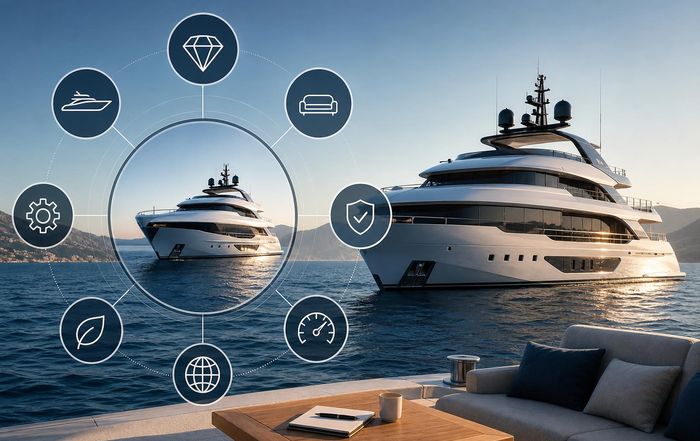
Evaluating a luxury motor yacht has become a far more sophisticated exercise than simply admiring length overall and interior opulence. Owners, charter clients and financiers now look for a carefully balanced combination of performance, comfort, sustainability, technology, design quality and long-term value. Across the global market, from the United States and Europe to Asia-Pacific, the most discerning buyers demand verifiable excellence rather than marketing claims, and they expect independent reviewers to apply consistent, transparent criteria.
Well this shift has reinforced the importance of a structured, evidence-based approach to yacht assessment. The following framework reflects how leading surveyors, brokers, designers and captains now judge luxury motor yachts, drawing on current best practice from respected organizations such as Lloyd's Register, the MCA, and major builders including Feadship, Benetti, Sanlorenzo and Azimut-Benetti Group. It is designed to help readers understand what truly matters when comparing yachts, whether the focus is a 20-metre owner-operator vessel or a 90-metre custom superyacht.
Hull, Naval Architecture and Seakeeping
Any serious evaluation begins below the waterline. Naval architecture determines not only speed and fuel consumption but also comfort, safety and long-term structural integrity. Reputable classification societies such as Lloyd's Register and Bureau Veritas publish extensive rules for yacht construction, and many top-tier builders voluntarily build to or exceed these standards.
A comprehensive review assesses the hull form in relation to the yacht's intended profile of use. A fast planing yacht designed for the Mediterranean or Florida should be evaluated differently from a long-range displacement explorer intended for the North Atlantic or high-latitude cruising. Reviewers pay close attention to hull efficiency across the speed range, the transition to and from planing, and the way the yacht behaves in a seaway. Independent sea trials, conducted in real conditions where possible, remain one of the most reliable ways to judge seakeeping, including roll behaviour, pitch, tendency to slam and dryness of the decks.
Construction materials are another key criterion. Aluminium, steel, composite and, at smaller scales, advanced carbon fibre each bring distinct advantages and trade-offs in terms of weight, stiffness, corrosion resistance, maintenance and cost. Established yards and classification bodies have accumulated decades of data on fatigue, structural failures and repairability, and reviewers increasingly look for evidence that a builder's engineering choices are grounded in this empirical knowledge rather than purely in marketing narratives. Readers who wish to understand the broader context of hull and structural design can explore more on yacht design principles at yacht-review.com/design.html.
Propulsion, Performance and Efficiency
Performance evaluation has evolved far beyond the traditional focus on top speed and range figures. With the rising cost of fuel and intensifying regulatory pressure on emissions, particularly in Europe and North America, efficiency and propulsion innovation have become central to any serious review. Organizations such as the International Maritime Organization (IMO) have progressively tightened rules on NOx and SOx emissions for commercial shipping, and although most private yachts do not fall directly under the same regime, leading builders have begun to align with these expectations.
Review criteria therefore include the choice of engines and propulsion systems, the integration of gearboxes and shafts, and the use of advanced technologies such as pod drives, waterjets or hybrid diesel-electric systems. Increasingly, reviewers pay attention to the yacht's "sweet spot" cruising speed, where fuel consumption per nautical mile is minimized, and they compare claimed figures with independent data from sea trials. Trusted marine publications such as Boat International and Yachting Magazine regularly publish verified performance tests, providing useful benchmarks for cross-checking manufacturer claims.
Noise and vibration levels are also central to performance evaluation, particularly on larger yachts where guests expect near-silent operation. Reviewers assess the success of isolation systems, resilient engine mounts and propeller design in delivering a refined experience underway and at anchor. The best builders now collaborate closely with specialist acoustic consultants, and many yachts are measured against standards such as those of DNV for comfort class, which set objective thresholds for noise and vibration. Readers interested in how these performance factors translate into real-world experiences can find relevant case studies in the reviews section of yacht-review.com/reviews.html.
Interior and Exterior Design Quality
Luxury motor yachts are as much about art as engineering, and design quality remains one of the most visible and emotionally resonant review criteria. Exterior styling, penned by studios such as Espen Øino International, Winch Design or Nuvolari Lenard, shapes first impressions and long-term aesthetic value, while interior design determines liveability, comfort and the sense of occasion that many owners seek.
A professional review looks beyond visual impact to assess coherence of the design concept, flow between spaces and how effectively the layout supports the yacht's mission profile. For a family-oriented yacht, for example, reviewers consider separation of crew and guest circulation, safety on deck for children, and the provision of flexible social spaces. For a charter-focused yacht, the ability to host larger groups, the number and configuration of cabins and the versatility of deck spaces become more important.
Material selection is another critical factor. High-quality timbers, stones, leathers and fabrics must not only look and feel luxurious but also withstand the marine environment, where UV exposure, humidity and motion can quickly degrade inferior materials. Reviewers examine joinery quality, alignment of panels, integration of lighting and the execution of custom furniture, often drawing on established benchmarks used by top design houses and shipyards. For readers who wish to delve deeper into how design influences lifestyle on board, yacht-review.com/lifestyle.html offers additional perspectives.
Onboard Comfort, Habitability and Guest Experience
Comfort is a multi-dimensional concept that extends from cabin ergonomics to climate control and from acoustic privacy to the quality of the galley. Modern owners and charter guests increasingly compare yachts to high-end boutique hotels, and reviewers must therefore assess whether a yacht genuinely meets that standard.
Cabin design is evaluated for headroom, natural light, storage, ventilation and en suite quality. The master suite, whether located on the main deck or upper deck, is scrutinized for views, privacy and direct access to exterior spaces. Guest cabins are assessed not only for size but also for flexibility, such as the ability to convert twins to doubles or to accommodate families with connecting rooms. In parallel, crew accommodation and mess areas are carefully reviewed, as industry experience consistently shows that better crew conditions translate into better service and safer operations.
Stabilization systems, including fin stabilizers and gyro stabilizers, play a major role in comfort both underway and at anchor. Objective data on roll reduction and response time can be obtained from manufacturers and independent tests, and reviewers increasingly look for real-world feedback from captains and crew. Air-conditioning capacity, zoning and redundancy are also assessed, particularly for yachts intended for tropical or Middle Eastern climates where cooling demands are high. Those planning extended time aboard may wish to explore more on long-term liveability and cruising considerations at yacht-review.com/cruising.html.
Safety, Regulation and Classification
Safety and regulatory compliance form a non-negotiable foundation for any serious evaluation of a luxury motor yacht. Depending on size and intended use, yachts may fall under various regulatory regimes, including the MCA Large Yacht Code in the United Kingdom, regional flag state requirements and class rules from organizations such as Lloyd's Register, RINA and DNV. These frameworks govern structural integrity, stability, fire protection, lifesaving appliances and many other aspects of design and operation.
A thorough review examines whether the yacht is built to class, the specific notations it carries and whether it is certified for commercial charter or private use only. Fire safety is a particular focus, especially on larger yachts where advanced systems such as water mist fire suppression, fixed gas systems in machinery spaces and extensive fire detection networks are expected. Reviewers also assess the location and accessibility of life rafts, lifejackets and rescue equipment, as well as the quality and redundancy of navigation and communication systems on the bridge.
Stability documentation, including compliance with the International Code on Intact Stability where relevant, provides further assurance that the yacht can withstand a range of loading and weather conditions. While owners may not always request full technical documentation, professional surveyors and brokers involved in major transactions routinely examine these records, and informed reviewers take them into account when forming an overall judgment. Readers seeking a broader understanding of how safety standards have evolved over time may find additional context in the historical features at yacht-review.com/history.html.
Sustainability and Environmental Performance
Environmental performance has emerged as one of the most dynamic and scrutinized review criteria in the luxury yacht sector. While yachts remain discretionary assets, leading owners and builders increasingly recognize that their social licence to operate depends on meaningful progress in reducing environmental impact. Independent initiatives such as the Water Revolution Foundation and the Sea Index, supported by organizations including the Monaco Yacht Club, have begun to create standardized tools for assessing and comparing the environmental footprint of superyachts.
Reviewers now routinely examine fuel consumption, emissions reduction technologies, waste management systems and the use of environmentally preferable materials. Hybrid propulsion systems, battery banks for silent running at anchor and advanced energy management software are becoming more common, particularly on new builds from European yards. Some builders, such as Feadship and Sanlorenzo, have publicly committed to research and development in alternative fuels, including methanol and hydrogen-based solutions, although these technologies remain in early stages of adoption and are typically limited to concept projects or a small number of pioneering builds.
Sustainability criteria also extend to operational practices. Shore power capability, particularly in marinas offering renewable electricity, can significantly reduce emissions in port, and efficient hull coatings can lower fuel burn while minimizing environmental harm. Reviewers increasingly look for third-party certifications or audits of environmental performance where available, and they encourage owners to engage with best-practice guidance from organizations such as the Blue Marine Foundation and Ocean Conservancy, which provide science-based frameworks for ocean stewardship. Readers wishing to explore how sustainability is reshaping yacht ownership and charter can find dedicated coverage at yacht-review.com/sustainability.html and may also wish to learn more about sustainable business practices from the World Economic Forum.
Technology, Connectivity and Onboard Systems
Technology has rapidly become one of the most differentiating aspects of modern luxury motor yachts. Owners and guests now expect seamless connectivity, sophisticated entertainment systems and integrated control of lighting, climate and blinds through intuitive interfaces. At the same time, advances in navigation, automation and remote monitoring have transformed how yachts are operated and maintained.
A comprehensive review evaluates the robustness and redundancy of communication systems, including VSAT or newer satellite constellations for global internet coverage, 4G/5G integration for coastal cruising and secure networks for business use. Cybersecurity has emerged as a critical concern, with organizations such as ABS and DNV publishing guidelines for cyber-secure vessel design and operation, and reviewers increasingly ask whether yards and integrators have followed these principles.
On the technical side, integrated bridge systems, dynamic positioning, advanced radar and electronic charting improve safety and ease of operation, particularly in congested or sensitive areas. Engine room systems, including power management, watermakers, HVAC and monitoring platforms, are assessed for reliability, redundancy and ease of service. Smart yacht platforms that enable remote diagnostics and predictive maintenance are becoming more common, and they can significantly reduce downtime and operating costs when properly implemented. Readers interested in how technology is reshaping yacht ownership can explore further insights at yacht-review.com/technology.html and through specialist coverage from sources such as SuperyachtNews.
Build Quality, Craftsmanship and Yard Reputation
The reputation of a shipyard is built over decades and is closely tied to build quality, after-sales support and the long-term performance of its fleet. When reviewing a luxury motor yacht, it is therefore essential to consider not only the specific vessel but also the yard's track record, financial stability and commitment to continuous improvement.
Craftsmanship manifests in details such as fairing of the hull and superstructure, paint finish, precision of metalwork and quality of interior joinery. Independent survey reports, both at delivery and during refits, often reveal patterns in how well different yards manage corrosion protection, insulation, wiring standards and access for maintenance. Reputable builders typically welcome third-party inspections and may hold certifications such as ISO 9001 for quality management, which provide additional assurance of structured processes.
Industry recognition can also be informative, although awards and rankings should be interpreted cautiously and cross-checked across multiple sources. Publications like Boat International, Robb Report and Yachting Magazine regularly highlight notable launches and design innovations, and while such coverage is not a substitute for technical evaluation, it can help identify yards that consistently deliver at the top end of the market. Readers who wish to compare different categories of yachts and builders can refer to the broader market overviews at yacht-review.com/boats.html and yacht-review.com/business.html.
Ownership Experience, Operations and Lifecycle Value
From an owner's perspective, the true test of a luxury motor yacht lies in the day-to-day experience of living with and operating the vessel. Review criteria therefore extend beyond technical specifications to encompass service networks, maintenance regimes, crew requirements and the potential for charter income where relevant.
Operational considerations begin with crew size and skill requirements. Larger yachts may need highly specialized engineers and officers, and reviewers consider whether the vessel's systems are appropriately matched to the likely crew profile. Engine room access, clarity of documentation and the availability of training from the yard or system suppliers can significantly influence reliability and running costs.
Maintenance planning and refit flexibility are also central to lifecycle value. Yachts designed with modular systems, good access routes and allowance for future technology upgrades are likely to remain competitive and desirable for longer periods. Insurance, financing and resale value are influenced by the yacht's build quality, brand reputation, maintenance history and compliance with evolving regulations. Market data from international brokerage houses such as Fraser Yachts, Northrop & Johnson and Burgess shows that well-maintained yachts from respected yards generally retain value more effectively, although actual depreciation rates vary widely by segment and individual vessel.
For owners considering charter, additional criteria come into play, including cabin count and configuration, deck entertainment spaces, water toy storage and compliance with commercial code requirements. The experiences shared by charter guests, increasingly documented on platforms such as Boat International and specialist charter agencies, provide valuable real-world feedback that complements technical reviews. Those planning extended cruising or family voyages may find further practical guidance at yacht-review.com/travel.html and yacht-review.com/family.html.
Global Context and Emerging Trends
The criteria used to evaluate luxury motor yachts do not exist in isolation; they are shaped by broader global trends in wealth distribution, travel patterns, technology and environmental regulation. The United States and Europe remain leading markets for both new builds and brokerage sales, but regions such as Asia-Pacific and the Middle East have grown in importance, influencing design preferences and operational expectations. For example, yachts intended for the Mediterranean may prioritize open decks and alfresco dining, while those focused on Northern Europe or higher latitudes often emphasize enclosed lounges, winter gardens and enhanced insulation.
International events such as the Monaco Yacht Show, the Fort Lauderdale International Boat Show and the Cannes Yachting Festival serve as focal points where new models, concepts and technologies are unveiled, and they provide valuable opportunities for side-by-side comparison. Coverage from established media, combined with on-site reporting from platforms like yacht-review.com/events.html, allows potential buyers and charter clients to track emerging trends, from explorer yachts and support vessels to wellness-focused interiors and beach club innovations.
Sustainability is likely to remain a defining theme in the coming decade, with regulatory developments in Europe and discussions within the IMO shaping expectations for emissions, waste management and protected areas. At the same time, advances in materials science, battery technology and digitalization promise to deliver quieter, more efficient and more connected yachts. Independent reviewers must therefore continually update their criteria to reflect these developments, drawing on reliable sources such as IMO publications and research on marine technology trends.
How We Apply These Criteria
For readers of yacht-review.com, the goal is not merely to admire the latest launches but to understand, in a structured and transparent way, what makes one yacht more compelling than another. Each in-depth review applies the criteria outlined above, adapted to the yacht's size, mission profile and market segment. Sea trial impressions are combined with technical analysis, design evaluation and operational insights from experienced captains, surveyors and industry professionals wherever such input can be verified.
The editorial approach emphasizes clarity over hype, evidence over speculation and long-term value over short-term fashion. When sources disagree on a significant point, such as performance figures or range claims, the divergence is noted and, where possible, explained rather than glossed over. This commitment to experience, expertise, authoritativeness and trustworthiness underpins all coverage, from detailed yacht profiles to broader industry analyses available at yacht-review.com/news.html and yacht-review.com/global.html.
As the luxury motor yacht sector continues to evolve, the criteria for evaluation will also adapt, incorporating new technologies, environmental expectations and lifestyle trends. Yet the core principles remain constant: seaworthy hulls, reliable and efficient propulsion, thoughtful design, genuine comfort, rigorous safety, responsible environmental performance, high craftsmanship and a rewarding ownership experience. By holding every yacht to these standards, yacht-review.com aims to provide its global audience-from first-time buyers in North America and Europe to seasoned owners in Asia, the Middle East and beyond-with the insight they need to make informed, confident decisions in one of the world's most aspirational markets.