

Traveler's Guide to Spain's Coastal Ports
Spain's coastline, stretching from the Atlantic swells of Galicia to the sheltered anchorages of the Balearic Islands and the cosmopolitan marinas of the Costa del Sol, has entered 2026 as one of the most strategically important and consistently reliable yachting regions in the world. For the global community that turns to yacht-review.com for informed, experience-based guidance, Spain is no longer just a picturesque backdrop for summer cruising; it has become a year-round operational base, a refit and service hub, and a testbed for sustainable innovation. Owners, charter principals, captains, family cruisers, and professional managers now evaluate Spanish ports through a lens that combines infrastructure quality, technical depth, regulatory clarity, environmental responsibility, and lifestyle value, and they increasingly view Spain as a cornerstone of long-term Mediterranean and transatlantic planning.
Spain's Ports in the Global Yachting Strategy
In 2026, Spain's coastal network serves a truly international fleet, welcoming yachts flagged from the United States, United Kingdom, Germany, Canada, Australia, France, Italy, Netherlands, Switzerland, China, Sweden, Norway, Singapore, Denmark, South Korea, Japan, Thailand, Finland, South Africa, Brazil, Malaysia, New Zealand, and across Europe, Asia, Africa, South America, and North America. This diversity of origin has driven ports to adopt operational standards and service expectations aligned with the world's most demanding cruising regions. For the professional captain plotting a multi-season itinerary, the family considering a semi-permanent Mediterranean base, or the investment-focused owner assessing marina concessions and waterfront property, Spain offers a rare combination of technical competence, connectivity, and regulatory predictability.
Guided by frameworks from the European Union and international bodies such as the International Maritime Organization, Spanish authorities and private marina operators have continued to modernize infrastructure, refine safety protocols, and align environmental practices with global best standards. Yachting professionals increasingly rely on structured regulatory guidance and comparative port analysis to safeguard operations and asset value, and the editorial team at yacht-review.com reflects this priority by treating each port not simply as a destination but as a long-term partner in vessel management. In this context, trust is built through demonstrable compliance, transparent governance, and consistent delivery of high-quality services, all of which have become hallmarks of Spain's leading marinas.
Atlantic Spain: Galicia and the Bay of Biscay
For yachts arriving from the United States, Canada, or Northern Europe, the Atlantic façade of Spain is often the first European landfall, and its role in transoceanic routing has only grown more prominent. Ports such as A Coruña, Vigo, and San Sebastián have matured into capable hubs for blue-water yachts, offering deep-water access, robust haul-out and refit facilities, and technical teams accustomed to the demands of ocean-capable vessels and expedition yachts. Their shipyards increasingly handle complex composite repairs, rigging for large sailing yachts, and sophisticated electronic and mechanical installations, giving them a level of expertise that appeals to captains responsible for high-value assets.
The Galician rías, with their sheltered inlets and intricate coastline, have become favored by experienced cruisers seeking quieter, authentic cruising grounds away from the more saturated central Mediterranean. Marinas here have invested in upgraded pontoons, enhanced security systems, and improved digital connectivity, while preserving the working character of fishing communities that define the region's identity. The evolution of these former commercial harbors into yachting-oriented facilities is documented in the historical perspectives available through maritime history features, which show how heritage and modernity can coexist without diluting local culture.
Weather remains a defining operational factor in the Bay of Biscay, and professional skippers routinely integrate advanced meteorological data into their passage planning. Institutions such as the UK Met Office and Météo-France provide critical forecasts for this challenging stretch of water, and the ability of Spanish Atlantic ports to function as reliable safe havens, emergency repair points, or planned technical stops has become integral to transatlantic and high-latitude itineraries. The presence of accredited surveyors, classification society representatives, and well-stocked chandleries capable of sourcing specialized components under time pressure enhances the authority of these ports in the eyes of a risk-conscious global fleet.
Northern Spain: From Bilbao to Barcelona
As yachts round the northern coast, ports including Bilbao, Santander, and Gijón present an appealing blend of maritime tradition and contemporary urban development. Extensive waterfront regeneration has created marinas that sit alongside cultural districts, museums, and premium hospitality, enabling owners and guests to transition seamlessly from yacht to boardroom, gallery, or fine dining. For embarkation and disembarkation, the proximity of international airports and high-speed rail networks, highlighted by organizations such as Turespaña, enhances the logistical efficiency of these ports for both private and charter operations.
Progressing eastward toward Catalonia, Barcelona stands in 2026 as one of the Mediterranean's most influential superyacht hubs, with a concentration of large-yacht berths, specialist refit yards, and technical service providers that few ports can match. The city's port authority and private operators have positioned Barcelona as both a high-capacity technical base and a premier lifestyle destination, where advanced refit projects, complex warranty work, and cutting-edge technology installations can proceed in parallel with world-class gastronomy and cultural experiences. The strategic significance of this ecosystem is regularly examined in yachting business insights, which analyze how Barcelona's governance model, investment climate, and service depth shape owner and manager decisions.
Compliance and risk management are central to Barcelona's appeal. Local operators are accustomed to working with leading international management firms, insurance underwriters, and classification societies, and they maintain rigorous standards in safety management systems, crew welfare protocols, and environmental controls. This alignment with global best practice offers reassurance to owners and captains whose operations are scrutinized by corporate boards, family offices, and regulatory authorities, and it sets a benchmark that other Spanish ports increasingly seek to emulate.
The Balearic Islands: Western Mediterranean Powerhouse
The Balearic Islands remain the operational heart of Spain's yachting sector in 2026, with Palma de Mallorca, Ibiza, Formentera, and Menorca each playing distinct roles in a cohesive regional ecosystem. Palma de Mallorca has consolidated its position as a premier refit and maintenance hub, hosting shipyards and specialist firms whose reputations have been built over decades of consistent performance. These yards now routinely handle major structural refits, hybrid propulsion retrofits, advanced paint and coatings projects, and the integration of next-generation navigation, communication, and entertainment systems, placing them at the forefront of Mediterranean refit capability.
From a design and engineering standpoint, the Balearic yards are central to many of the innovations tracked in yacht design and technology features. Naval architects and engineers based in or regularly working through Palma are increasingly engaged in projects involving lightweight composite structures, energy recovery systems, and data-driven performance optimization, reflecting a broader industry shift toward efficiency and sustainability. Owners and captains appreciate that complex technical work can be conducted in a location that also offers excellent air connections, high-end crew accommodation, and attractive conditions for families and guests during yard periods.
Lifestyle and charter considerations remain equally important. The Balearics combine sheltered cruising suitable for families and multi-generational groups with nightlife, gastronomy, and cultural events that appeal to a sophisticated international clientele. Travel authorities such as National Geographic Travel and Lonely Planet continue to feature the islands prominently, but for the audience of yacht-review.com, the differentiator is the reliability and discretion of services on offer. Helicopter transfers, concierge provisioning, specialist medical facilities, and multilingual professional support are now taken as baseline expectations, and the Balearic ports have demonstrated the capacity to deliver these consistently even during peak season.
Costa Brava and Costa Dorada: Scenic Coasts in Transition
North of Barcelona, the Costa Brava offers a very different cruising experience, with its rugged cliffs, clear waters, and small harbors such as Roses, L'Estartit, and Palamós. These ports are investing in measured, quality-focused marina upgrades that allow them to welcome larger yachts without sacrificing the low-density, natural character that has long attracted discerning visitors. For owners and captains seeking a balance between privacy and access to well-run shore facilities, the Costa Brava has become an increasingly compelling alternative to the more intensively developed stretches of the Western Mediterranean.
The region's proximity to the French Riviera makes it strategically attractive for itineraries that link Spain and France within a single season, and captains often rely on cross-border regulatory guidance from organizations such as the European Boating Association to manage customs, VAT, and crew movement efficiently. Ports along this coast have responded by improving multilingual support, refining check-in procedures, and building closer coordination with local authorities, helping to reduce friction for yachts that operate on tight schedules and high service expectations.
South of Barcelona, the Costa Dorada-with ports such as Tarragona and Cambrils-has strengthened its position as a family-oriented cruising base. Calm waters, short passages, and easy access to beaches and cultural attractions make this region particularly suitable for owners introducing children or less experienced guests to Mediterranean cruising. Coverage in family cruising insights often highlights the emphasis these marinas place on safety, from controlled access and well-maintained pontoons to clear emergency procedures and visible, trained staff presence, all of which contribute to a strong perception of reliability and trust.
Valencia and the Costa Blanca: Emerging Mediterranean Powerhouses
Further south, Valencia has continued to leverage its America's Cup legacy and ongoing waterfront redevelopment to position itself as a serious competitor to more established Mediterranean hubs. Its marinas and shipyards are increasingly associated with high-performance sailing, advanced materials, and data-centric approaches to yacht optimization. The city's role in testing foiling concepts, refining composite construction techniques, and integrating sensor-driven performance analytics is frequently referenced in technology-focused coverage, and it has attracted a cadre of engineers, designers, and technicians whose expertise is in demand far beyond Spain.
Along the Costa Blanca, ports such as Alicante, Dénia, and Altea have refined their offerings to serve both local owners and an expanding international superyacht clientele. Alicante, as a former host of The Ocean Race, benefits from infrastructure and know-how developed for global offshore campaigns, including large-scale provisioning, complex logistics, and event hosting capabilities. This experience translates directly into confidence for private and charter operations that require rapid crew changes, technical interventions, or large guest movements under tight time constraints.
The Costa Blanca's favorable climate, comparatively competitive pricing, and growing air connectivity have made it particularly attractive to owners from Germany, United Kingdom, Netherlands, Sweden, Norway, and other Northern European markets seeking semi-permanent Mediterranean bases. In global cruising perspectives, these ports are often described as staging points for extended Western Mediterranean itineraries, as well as practical wintering bases where crews can access training, maintenance resources, and a supportive expatriate community, while owners benefit from relatively predictable operating costs.
Costa del Sol: Glamour, Capital, and Year-Round Use
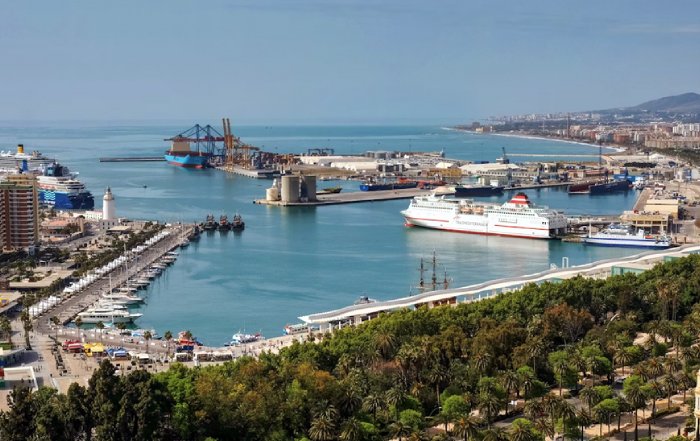
The Costa del Sol retains its reputation as a magnet for high-net-worth individuals and family offices, with marinas such as Marbella, Puerto Banús, Estepona, and Málaga integrating yachting seamlessly into a broader ecosystem of luxury real estate, hospitality, golf, and entertainment. For many owners from Spain, United Kingdom, Middle East, China, and other key markets, these ports function as extensions of their residential and investment portfolios, enabling them to combine waterfront living with immediate access to their vessels and a dense network of social and business connections.
From an investment and business perspective, the Costa del Sol's marinas have become focal points for waterfront development and capital deployment. Global property consultancies such as Knight Frank and Savills have documented how marina berths and adjacent real estate are increasingly treated as strategic assets, with concession terms, regulatory stability, and governance structures playing a decisive role in long-term value creation. The analytical coverage in yachting business analysis regularly examines how changes in Spanish coastal regulations, tax frameworks, and public-private partnerships influence investor confidence and owner decision-making in this region.
Operationally, the Costa del Sol offers genuine year-round viability, supported by a temperate climate, strong aviation links, and a mature ecosystem of yacht services. For captains and crew, the availability of international schools, quality healthcare, and established expatriate communities makes long-term basing attractive, which in turn encourages experienced professionals to settle and build careers in the region. This concentration of talent reinforces the ports' reputation for reliability and service quality, making them logical bases for both private-use programs and commercially operated charter fleets that require consistent standards across all seasons.
Andalusia, Cádiz, and the Atlantic Gateway
Beyond the high-profile image of the Costa del Sol, ports such as Cádiz, Huelva, and Algeciras play a crucial strategic role as gateways between the Mediterranean and the Atlantic. While Algeciras remains primarily a commercial hub, its position near the Strait of Gibraltar and proximity to Gibraltar itself make the wider area a key transit zone for yachts repositioning between Mediterranean seasons and longer passages to the Caribbean, South America, or Africa. These ports are increasingly aware of their importance to the yachting sector and have begun to refine services and procedures to better support this traffic.
Cádiz, with its deep maritime heritage, has been progressively upgrading marina facilities and waterfront amenities while preserving its historic fabric. The city's role in transatlantic navigation and exploration, documented by institutions such as the Museo Naval de Madrid, provides a rich cultural context for today's visiting yachts. For long-range cruisers and world-girdling programs, Cádiz offers a combination of technical support, cultural interest, and efficient logistics that make it an attractive stopover before or after an ocean crossing, whether heading toward the Caribbean or returning to Europe.
Navigating the Strait of Gibraltar remains a demanding undertaking, and captains rely on detailed routing services and real-time information from agencies such as NOAA and regional traffic authorities to manage currents, traffic separation schemes, and weather windows. Ports in this area enhance their reputation for professionalism by providing up-to-date navigational guidance, facilitating pilotage where appropriate, and maintaining clear, responsive communication channels with both yachts and regulatory bodies, thereby reinforcing a culture of safety and predictability.
Sustainability and Responsible Cruising in 2026
By 2026, sustainability has become embedded in the operational fabric of many Spanish marinas rather than treated as a peripheral marketing theme. Ports across the country are aligning with initiatives such as the Blue Flag program and Clean Marinas, implementing structured waste-management systems, grey and black water pump-out facilities, and energy-efficient lighting and infrastructure to reduce their environmental impact. For owners, charterers, and corporate stakeholders who increasingly apply environmental, social, and governance criteria to their yachting decisions, these tangible measures significantly influence port selection and long-term basing strategies.
The editorial focus on responsible cruising within sustainability features on yacht-review.com has highlighted how Spanish ports are investing in shore-power solutions for larger yachts, experimenting with incentives for lower-emission fuels, and collaborating with local authorities on marine protected areas and biodiversity initiatives. Those seeking to understand the broader context of these efforts can learn more about sustainable business practices through organizations such as the World Economic Forum, which increasingly recognize the maritime sector's role in global climate and ocean-health agendas.
For captains and yacht management companies, compliance with evolving regulations on emissions, waste discharge, underwater noise, and antifouling systems requires ports that not only provide adequate infrastructure but also clear, proactive guidance. Spanish marinas that train staff in environmental management, maintain transparent communication about local rules, and adopt data-driven monitoring tools are building reputations as trustworthy partners, aligning operational reality with the sustainability expectations of a sophisticated and environmentally aware clientele.
Culture, Family, and Lifestyle: The Human Dimension
Technical capability and regulatory reliability are necessary but not sufficient conditions for a port to become a long-term favorite among the readership of yacht-review.com. Spain's coastal ports distinguish themselves by the depth of their integration with local culture, gastronomy, and community life, offering experiences that resonate with families and multi-generational ownership structures as much as with corporate guests. Regions such as Andalusia, Catalonia, Valencia, and Galicia provide access to world-class restaurants, festivals, and historic sites that enrich time spent ashore and help justify long-term commitments to a particular homeport.
Family-focused itineraries, often explored in lifestyle and cruising features, prioritize ports that combine safe promenades, child-friendly beaches, and meaningful cultural attractions. Many of Spain's key yachting cities and towns host sites recognized by the UNESCO World Heritage Centre, from the Sagrada Família and the historic quarters of Barcelona to the old town of Cádiz and the fortified complexes of Ibiza, enabling families to integrate educational and cultural experiences into their cruising plans. This combination of maritime and cultural richness strengthens the emotional connection between owners and their chosen ports.
Community integration is increasingly important for long-term berth holders, live-aboard families, and crews who spend extended periods in one location. Ports that support local sailing schools, environmental clean-up initiatives, and cultural events are frequently profiled in community-focused features, illustrating how marinas can function as active contributors to regional development rather than isolated enclaves. This sense of mutual engagement fosters loyalty and trust, encouraging owners and captains to return season after season and to recommend these ports within their own networks.
Planning a Spanish Coastal Itinerary with Confidence
For owners, charter planners, and captains designing itineraries in 2026, Spain's coastal offering is both broad and nuanced, encompassing the Atlantic rías, the Balearic Islands, the Costa Brava and Costa Dorada, the Costa Blanca, the Costa del Sol, and the Andalusian gateway to the Atlantic. Constructing a coherent route requires careful consideration of vessel characteristics, seasonal weather patterns, berth availability, technical requirements, and guest preferences. The curated evaluations and first-hand reports available in yacht reviews and cruising reports and dedicated cruising guidance provide a structured framework for matching specific ports to particular operational and lifestyle profiles.
For readers focused on particular vessel segments-from performance sailing yachts and large motor yachts to expedition and explorer vessels-the coverage in boats and model-specific features clarifies which ports can accommodate specific draft, length, and maneuvering needs, and which offer the technical depth required for complex systems. Those tracking regulatory changes, infrastructure investments, or new marina developments can stay informed through ongoing news coverage and events-oriented features, which monitor policy shifts, concession awards, and major industry gatherings along the Spanish coast.
As yacht-review.com continues to engage daily with a global audience spanning Germany, United Kingdom, United States, Canada, Australia, France, Italy, Spain, Netherlands, Switzerland, China, Singapore, South Africa, Brazil, Malaysia, New Zealand, and beyond, its editorial approach to Spain's ports remains grounded in experience, expertise, and critical analysis. By combining on-the-water observations with data-driven insight into market trends, regulatory frameworks, and technological innovation, the platform aims to equip decision-makers with the knowledge required to berth, cruise, and invest with confidence. In 2026, Spain's coastal ports-rooted in maritime history yet oriented toward a sustainable, globally connected future-stand ready to welcome this discerning community for seasons and generations to come.