

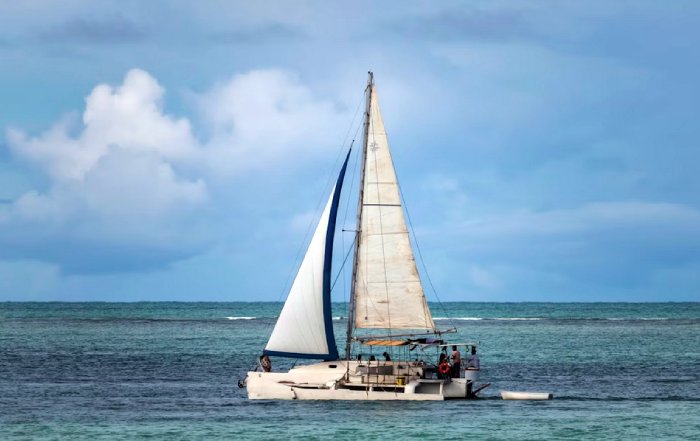
Family Sailing Adventures in the Bahamas: A 2026 Perspective for Discerning Yacht Owners
The Bahamas in 2026: A Mature Family Yachting Playground
By 2026, the Bahamas has consolidated its status as one of the most sophisticated yet relaxed family yachting destinations in the world, combining high-end marine infrastructure with a still-authentic island character that appeals to discerning yacht owners and charter guests across North America, Europe, and Asia-Pacific. For the global readership of yacht-review.com, which includes experienced owners and aspiring charterers from the United States, United Kingdom, Germany, Canada, Australia, Singapore, France, Italy, and beyond, the Bahamian archipelago now represents far more than a winter escape; it has become a reference point for how design, technology, operational standards, and sustainability can converge in a family-oriented cruising environment. Readers familiar with the evolving editorial approach of Yacht Review will recognize the Bahamas as a recurring stage on which the publication evaluates not only yachts themselves, but also the broader ecosystem that supports them.
Stretching from the shallow banks just off Florida to the deeper Atlantic waters further east and south, the Bahamas' more than 700 islands and cays offer a diversity of cruising grounds that continue to attract families from North America, Europe, Asia, Africa, and South America. The combination of clear, shallow waters, relatively short passages, and increasingly capable marinas has made the region an ideal proving ground for family-focused yacht concepts that prioritize comfort, safety, and flexibility. At the same time, the Bahamas' growing role as a hub for new marine technologies, from shallow-draft superyachts to hybrid propulsion and advanced connectivity, ensures that it remains at the forefront of topics covered in Yacht Review's cruising and technology features. For many families, the decision to base their winter or spring cruising in the Bahamas now reflects not only the appeal of the destination itself, but also the confidence that the region's infrastructure and regulatory environment can support extended, multi-generational stays at a high standard.
Why the Bahamas Continues to Excel for Family Cruising
From the vantage point of 2026, the Bahamas' core strengths as a family destination have become even more pronounced. The navigational environment remains relatively straightforward for professional crews, with well-charted routes, clear visual cues in shallow water, and a network of marinas and fuel docks that has steadily improved since the early 2020s. For families traveling with young children or older relatives, the ability to plan itineraries built around short hops, protected anchorages, and predictable conditions is a decisive advantage over more exposed or logistically complex regions. The shallow banks of the Exumas and Abacos create natural swimming areas where children can safely enjoy the water under supervision, while older family members appreciate the stability at anchor and the ease of tender operations.
Owners who follow Yacht Review's detailed yacht and boat evaluations increasingly use the Bahamas as a real-world test environment for assessing how layouts, storage concepts, and deck arrangements translate into daily family life. The constant rhythm of launching and retrieving tenders and toys, managing shade and breeze, and transitioning from relaxed beach days to more formal evenings exposes the strengths and weaknesses of any design. As a result, naval architects and shipyards in Italy, Germany, the Netherlands, France, and Spain now routinely reference Bahamian usage scenarios when developing new models, particularly those targeting multi-generational owners in the United States, United Kingdom, Canada, Australia, and Asia.
Climatic considerations also remain central. The winter and spring months continue to offer stable trade winds, comfortable temperatures, and relatively low rainfall, attracting families from colder regions such as Scandinavia, Switzerland, Northern Europe, Japan, and South Korea. Hurricane season, while still a key factor, is now managed with increasingly sophisticated forecasting tools and risk frameworks. Professional captains and yacht management firms rely heavily on data and guidance from the U.S. National Hurricane Center to structure seasonal plans, ensuring that yachts can reposition to safer areas when necessary. This level of preparedness has reinforced owners' confidence in basing their vessels in the Bahamas for extended periods, integrating the islands into annual cruising programs that may also include the Caribbean, the U.S. East Coast, Mediterranean Europe, and, for long-range yachts, Transatlantic passages.
Evolving Itinerary Strategies: From Gateway Hubs to Out Island Exploration
Itinerary planning in the Bahamas has matured significantly by 2026, with experienced families seeking a balance between convenience, iconic highlights, and quieter, more authentic experiences. Nassau and Paradise Island remain the principal gateways, thanks to their international air connections and established marinas, but many yacht owners now treat them as logistical hubs rather than primary destinations. The focus has shifted toward crafting itineraries that quickly move into the Exumas, Abacos, and more remote Out Islands, where the essence of Bahamian cruising is most strongly felt.
The Exumas continue to serve as the archetypal family cruising corridor, with Shroud Cay, Warderick Wells, Staniel Cay, Big Major's Spot, and other anchorages offering a compelling mix of shallow sandbars, snorkeling sites, and easy tender explorations. The Exuma Cays Land and Sea Park, overseen by the Bahamas National Trust, has become an emblem of how marine protected areas can coexist with high-end yachting when clear rules and responsible behaviors are in place. Captains and owners increasingly draw on global conservation frameworks from organizations such as the International Union for Conservation of Nature to ensure that their visits minimize ecological impact, reinforcing a culture of low-impact cruising that resonates strongly with sustainability-focused readers of Yacht Review's environmental coverage.
The Abacos, which have undergone substantial rebuilding and modernization following earlier storm damage, now offer a refined blend of traditional Bahamian charm and upgraded marine infrastructure. The Sea of Abaco's relatively protected waters, dotted with settlements and marinas, make it an ideal introduction for younger or less experienced family members. Many owners from Florida, the broader U.S. East Coast, Canada, and Europe now structure Abacos itineraries that combine relaxed village life, sailing instruction for children, and opportunities to support local businesses and community initiatives. This integration of leisure and local engagement aligns closely with the themes explored in Yacht Review's business and community analysis, where the interplay between yachting, local economies, and social development is examined.
Beyond these established cruising grounds, the trend toward more adventurous family itineraries has accelerated. Eleuthera, Cat Island, Long Island, and the southern Bahamas attract families seeking quieter anchorages, less commercialized environments, and deeper cultural and historical context. These routes demand more rigorous passage planning, robust tenders, and crews comfortable with longer legs and limited shore-side support, but they reward families with a sense of discovery that is increasingly difficult to find in the most trafficked Mediterranean or Caribbean hotspots. Parents and older children who wish to enrich these experiences often make use of resources such as UNESCO's Caribbean and Atlantic heritage materials to frame discussions about local history, colonial legacies, and cultural resilience, transforming shore excursions into meaningful educational experiences that extend beyond simple sightseeing.
Yacht Design and Onboard Comfort for Multi-Generational Families
In 2026, the influence of Bahamian cruising patterns on yacht design is unmistakable. The prevalence of shallow waters and sandbanks has accelerated the adoption of reduced-draft solutions, including fast displacement hulls, wide-beam monohulls, catamarans, and explorer-style yachts optimized for coastal and island cruising. Shipyards across Europe and Asia now routinely promote Bahamian capability-expressed in draft, range, tender capacity, and beach access-as a core selling point for models targeting family owners in North America, Europe, China, Singapore, and the Middle East. Many of these innovations are dissected in Yacht Review's design-focused features, where shallow-water performance, deck ergonomics, and interior flexibility are assessed through the lens of real-world family use.
Interior and exterior layouts increasingly reflect the needs of multi-generational families. Parents and grandparents expect private, quiet suites, while flexible cabins capable of converting between twin and double configurations accommodate children, friends, and nannies. Open-plan family lounges, informal dining areas, and shaded exterior spaces have become standard on yachts intended for Bahamian and Caribbean service, as owners recognize that most waking hours are spent on deck or at the water's edge. Beach clubs, fold-out terraces, and generous swim platforms are no longer seen as optional luxuries, but as vital components of a successful family yacht, enabling safe and convenient access to the sea for all ages.
Onboard comfort is now inseparable from technology. The expectation of seamless connectivity has become universal, even in remote anchorages, driven by parents who manage businesses across time zones, teenagers who demand streaming and gaming capabilities, and captains who rely on real-time weather and navigation data. Providers such as Starlink and Inmarsat have transformed the communications landscape, enabling yachts at anchor in the Exumas or southern Bahamas to maintain bandwidth levels that would have been unimaginable a decade earlier. The implications of these advances for onboard life, from entertainment and remote work to telemedicine and vessel monitoring, are a frequent topic in Yacht Review's technology coverage, where connectivity is analyzed not as a novelty but as a critical component of modern yacht operations.
Safety, Seamanship, and Professional Standards in Family Operations
The presence of children and older relatives on board places particular emphasis on safety, seamanship, and professional standards, and by 2026, expectations in this area have risen markedly among serious yacht owners. The Bahamas' combination of shallow reefs, narrow cuts, and tidal currents requires disciplined navigation, up-to-date charts, and a deep respect for local knowledge, even in seemingly benign conditions. Professional captains typically integrate electronic navigation systems, satellite imagery, and local pilotage advice, and many continue to rely on training and best-practice frameworks from organizations such as the Royal Yachting Association and the American Boat and Yacht Council to maintain high operational standards.
For families, safety culture is experienced not only through technical competence but also through communication and behavior on board. Structured safety briefings tailored to children, clear rules around lifejacket usage, supervised swimming, and tender operations, and visible emergency equipment all contribute to a sense of security that allows parents to relax without complacency. Yacht owners who consult Yacht Review's independent yacht reviews increasingly look for evidence of child-conscious design, such as secure rail heights, non-slip decks, gated stairways, and well-thought-out crew circulation that ensures discrete but constant supervision when required.
Medical preparedness has also evolved. In addition to comprehensive onboard medical kits and crew trained in first aid and advanced life support, many yachts now maintain formal telemedicine arrangements with specialist providers in the United States, United Kingdom, Europe, and Asia, enabling rapid expert consultation for anything from minor injuries to more serious incidents. Protocols for managing sun exposure, dehydration, allergies, and common pediatric issues often draw on guidance from respected institutions like the Mayo Clinic and other leading healthcare organizations. Parents increasingly expect their captains and management companies to document these procedures, reflecting a broader shift toward professionalization and risk management that is particularly visible in family-oriented operations.
Education, Enrichment, and Cultural Connection for Younger Guests
For many of the families profiled in yacht-review.com's lifestyle and travel narratives, a Bahamian sailing adventure is as much about learning and personal growth as it is about relaxation. The islands' marine environment provides a powerful, hands-on educational platform in which children can observe coral reefs, mangroves, seagrass meadows, and tidal dynamics in real time, reinforcing concepts that might otherwise remain abstract in classroom settings. Parents who wish to structure this learning often draw on resources from the National Oceanic and Atmospheric Administration and organizations such as Ocean Conservancy, adapting their materials into simple observation exercises, species identification activities, and discussions about climate change, biodiversity, and ocean health.
Cultural exposure has gained equal importance. While certain hubs cater primarily to international tourism, many Bahamian settlements retain a strong sense of community identity, expressed through music, food, religious life, and local festivals. Families who move beyond marina enclaves to visit markets, attend church services, or participate in community events often report that these interactions become defining memories for children and teenagers. For readers who follow Yacht Review's travel and lifestyle coverage, there is growing interest in itineraries that intentionally include local schools, youth sports clubs, or conservation projects, enabling younger guests to engage with Bahamian peers and gain a more nuanced understanding of the societies they visit.
Education also extends to yachting skills themselves. Teenagers, in particular, respond positively to structured opportunities to learn navigation, basic seamanship, tender handling, and even elements of engineering and systems management under the supervision of professional crew. Families who cruise regularly in the Bahamas often use the relatively benign conditions as a training environment, progressively involving older children in watchkeeping, passage planning, and safety drills. This approach not only builds competence and confidence but also deepens the sense of shared responsibility that underpins successful multi-generational cruising. Many such experiences are reflected in owner perspectives and case studies that inform Yacht Review's global cruising insights, where the human dimension of yachting is given equal weight alongside technical analysis.
Sustainability, Regulation, and Responsible Cruising in 2026
By 2026, sustainability has become a central organizing principle for serious yacht owners operating in the Bahamas, driven both by personal values and by evolving regulatory and social expectations. The visible impacts of climate change, including coral bleaching, coastal erosion, and more intense storm systems, have reinforced the need for responsible cruising practices in a region whose economic future is closely tied to the health of its marine and coastal ecosystems. Owners, captains, and charter guests are increasingly aware that their decisions regarding propulsion, anchoring, waste, and provisioning have direct, measurable consequences for the environments they enjoy.
Technological solutions continue to advance, with hybrid and diesel-electric propulsion, energy-efficient hotel systems, and advanced hull coatings reducing fuel consumption and emissions for yachts that spend significant time cruising between the Exumas, Abacos, and more remote islands. Many of these innovations are examined in detail in Yacht Review's sustainability-focused reporting, which evaluates not only headline technologies but also the operational realities of deploying them in shallow, warm-water environments like the Bahamas. At the same time, adherence to international regulatory frameworks, such as the International Maritime Organization's MARPOL Convention, has become a baseline expectation, with owners and management companies implementing strict policies on grey and black water management, garbage handling, and use of environmentally responsible cleaning products.
Operational practices remain equally important. Responsible captains avoid anchoring on coral, use moorings where available, plan routes that minimize unnecessary fuel burn, and train crew to manage waste and water responsibly. Provisioning strategies, too, have evolved, with many yachts consciously sourcing more seafood and produce from local, sustainable suppliers, thereby supporting Bahamian fishermen and farmers while reducing the carbon footprint associated with air-freighted goods. Parents who wish to instill environmental values in their children often involve them in these decisions, discussing topics such as overfishing, plastic pollution, and reef conservation in ways that connect directly to what they see from the swim platform or tender each day. This blend of technology, regulation, and personal responsibility is increasingly central to the ethos of the owners and charterers who engage with Yacht Review's sustainability and community content.
Economic and Business Dynamics of Bahamian Family Yachting
Family cruising in the Bahamas is embedded in a complex economic and business ecosystem that spans continents and industries, and by 2026, its scale and sophistication are more apparent than ever. Yacht builders in Italy, Germany, France, the Netherlands, Spain, and South Korea, brokerage houses in North America and Europe, and marina and service operators across the Caribbean all view the Bahamas as a strategic market and operational hub. For the business-focused audience of Yacht Review's industry analysis, the region offers a compelling case study of how high-end yachting can drive investment, employment, and infrastructure development, while also raising questions about regulation, taxation, and environmental carrying capacity.
The Bahamian government and private investors have continued to expand and upgrade marinas, customs facilities, and yacht-support services, positioning the islands as a year-round base for both private and charter yachts. Streamlined entry procedures, improved fuel and provisioning options, and the development of high-end resorts designed to complement, rather than compete with, the onboard experience have made the Bahamas particularly attractive for owners from the United States, United Kingdom, Brazil, China, Japan, Singapore, and South Africa. At the same time, debates continue about how to ensure that the benefits of yachting-related investment are broadly shared, that local culture and livelihoods are protected, and that regulatory frameworks keep pace with environmental and social realities.
Charter activity remains a powerful driver of the Bahamian yachting economy, with family-oriented charters in particular showing strong growth. Many first-time visitors from Europe, Asia, and Latin America choose to charter rather than purchase, using a Bahamian season to test how well yachting fits their family lifestyle. This trend influences yacht design and commercial strategy, as builders and management companies develop family-optimized charter programs that combine high safety standards, educational and cultural experiences, and sustainability commitments. Yacht Review's news and events coverage regularly tracks these developments, providing readers with up-to-date information on new marina projects, regulatory changes, and market trends that shape the business landscape of Bahamian family cruising.
The Future of Family Yachting in the Bahamas and Yacht-Review.com's Role
Looking ahead from 2026, the Bahamas appears set to remain one of the defining arenas for family yachting worldwide, both as a destination in its own right and as a laboratory for innovations in design, operations, and sustainability. The convergence of advanced shallow-draft superyachts, increasingly autonomous navigation and monitoring systems, and ever-more capable connectivity is reshaping what families can expect from their time on board, whether they are cruising between the Exumas and Eleuthera or venturing to the southernmost islands. At the same time, accelerating climate pressures, evolving regulatory frameworks, and rising expectations around environmental and social responsibility will demand that owners, captains, and policymakers work together to ensure that the Bahamian marine environment remains viable for future generations.
For the editorial team and expert contributors at yacht-review.com, the Bahamas will continue to serve as a central narrative thread that connects many of the themes the publication covers: from detailed yacht reviews and design analysis to technology, sustainability, business, and lifestyle. Readers who explore Yacht Review's reviews, cruising features, technology insights, sustainability reporting, and travel and lifestyle stories will find the Bahamas recurring as both a destination and a benchmark, illustrating how theory translates into practice in one of the world's most demanding yet rewarding family yachting environments.
As more families from North America, Europe, Asia, Africa, and South America choose to invest their time, capital, and attention in Bahamian cruising, their experiences will continue to shape industry priorities and innovations. The expectations they bring-regarding safety, comfort, education, cultural authenticity, and environmental responsibility-will influence how yachts are designed, how marinas are built, and how local communities engage with high-end visitors. In documenting these developments with a focus on experience, expertise, authoritativeness, and trustworthiness, yacht-review.com remains committed to providing its global audience with the insight required to make informed decisions about their own Bahamian adventures, ensuring that each family voyage contributes not only to personal memories, but also to the continued evolution of one of the world's most iconic yachting destinations.