

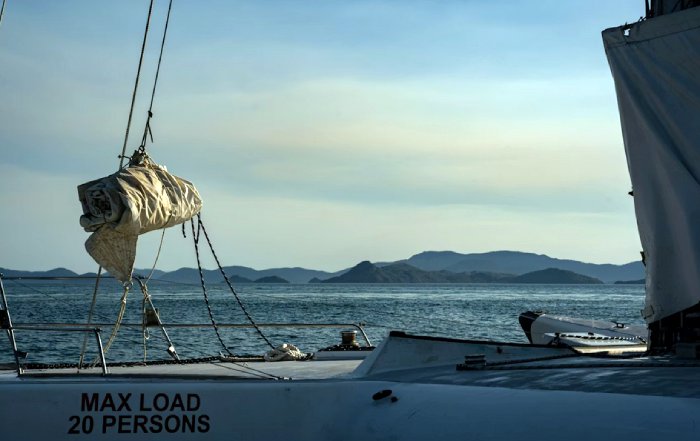
Global Yacht Expeditions: Luxury, Purpose, and the New Maritime Frontier
Global yacht expeditions have matured into one of the most sophisticated expressions of modern luxury travel, uniting technological innovation, environmental responsibility, and deeply personal exploration on a truly international scale. What began as an elite pastime along familiar coastlines has evolved into a far-reaching, highly strategic segment of the maritime sector, with owners and charterers traversing polar passages, equatorial archipelagos, and emerging cruising regions from North America and Europe to Asia, Africa, and South America. For Yacht Review, which has followed this evolution closely, global expeditions now sit at the intersection of experience, expertise, authoritativeness, and trustworthiness, defining not only how people travel by sea, but how they think about the oceans themselves.
The shift is striking when viewed over the past decade. Expedition-capable yachts, once a niche category, are now central to the portfolios of leading builders, designers, and brokers from the United States, United Kingdom, Germany, Italy, Netherlands, and beyond. Long-range capability, ice reinforcement, autonomous systems, and hybrid propulsion no longer represent exotic options but key differentiators in a competitive global marketplace. Onboard, guests expect the comfort and privacy of a top-tier residence combined with the operational resilience of a research vessel. Ashore, they seek meaningful engagement with local cultures and ecosystems, from the fjords of Norway and Finland to the islands of Thailand, New Zealand, and Brazil. Against this backdrop, the role of a trusted, specialist platform such as Yacht Review has never been more critical, providing discerning owners, charter clients, and industry professionals with rigorous analysis of vessels, technology, and market trends.
The New Mindset of the Global Yacht Explorer
The contemporary expedition yacht owner and guest approaches the ocean with a mindset that blends adventure, responsibility, and intellectual curiosity. The objective is no longer limited to seasonal relaxation in the Mediterranean or Caribbean, but rather to a continuous program of exploration that might include the Northwest Passage, the Kimberley coast of Australia, the wild coasts of South Africa, or remote atolls in French Polynesia and Raja Ampat. This new cohort of explorers, particularly among younger owners in North America, Europe, and Asia, tends to measure value not only in square meters and gross tonnage, but in scientific partnerships, conservation outcomes, and the depth of cultural encounters.
To support such ambitions, expedition yachts are increasingly conceived as self-sustaining micro-worlds capable of operating in isolation for extended periods. They integrate advanced water and waste treatment, energy management, medical facilities, and logistics planning at a level once associated primarily with commercial or governmental vessels. For readers of Yacht Review, the most compelling projects are those that demonstrate a coherent philosophy from concept to operation: a vessel whose hull form, interior configuration, and technical systems are all aligned with a clear mission profile. Detailed assessments of such yachts can be found in the publication's curated reviews of current and recent models, where the emphasis is placed on how real-world expeditions validate design intent.
The modern explorer's mindset is also shaped by global awareness. Owners and guests are acutely conscious of the geopolitical, environmental, and regulatory context in which they travel, from polar code compliance and marine protected areas to local customs and community expectations. This awareness is reinforced by the broader discourse on climate, oceans, and sustainable development, as reflected in resources provided by organizations such as the Intergovernmental Panel on Climate Change and the International Maritime Organization, which increasingly influence both policy and perception in the yachting space.
Technology and Innovation on the High Seas
The transformation of global yacht expeditions into a sophisticated, data-driven, and environmentally conscious sector has been powered by rapid technological innovation. Hybrid-electric propulsion, energy recovery systems, and advanced hull coatings are now widely adopted across major shipyards in Italy, Germany, France, Spain, and Netherlands, enabling greater range and lower emissions without compromising performance. Companies such as ABB Marine & Ports and Siemens Energy have played a central role in driving maritime electrification, while classification societies in Europe and Asia have refined the frameworks that govern safe deployment of alternative fuels.
At the frontier, hydrogen fuel cells, methanol-ready engines, and battery-dominant architectures are moving from prototype to commercial reality, particularly in markets with strong regulatory drivers such as Norway, Denmark, and Singapore. These technologies are of keen interest to the Yacht Review audience, not simply as engineering achievements, but as strategic tools that can shape operating profiles, access to sensitive regions, and long-term asset value. Readers seeking a deeper understanding of how these systems are implemented across different vessel types can explore dedicated coverage in the technology section, where new builds and refits are examined through the lens of innovation and risk management.
Digitalization has been equally transformative. Integrated bridge systems now draw on artificial intelligence for route optimization, fuel consumption forecasting, and real-time risk assessment, synthesizing meteorological data, oceanographic models, and satellite imagery. This capability is especially important for expeditions in the Arctic, Antarctica, and remote regions of Asia-Pacific, where local infrastructure is minimal and weather conditions are volatile. Onboard, high-bandwidth connectivity has become essential, enabling not only guest communications and entertainment but also telemedicine, remote technical support, and participation in global research networks. For a broader perspective on how digital technologies are reshaping mobility and asset management, readers may consult thought leadership from McKinsey & Company on the future of transport and infrastructure.
Sustainability as Strategic Imperative
By 2026, sustainability is no longer an aspirational talking point in yachting; it is a strategic imperative that influences design, build, operation, and even resale value. Owners across United States, United Kingdom, Canada, Switzerland, China, and Japan are increasingly aware that their vessels are visible symbols of their broader environmental stance, particularly when they operate in ecologically sensitive areas. This awareness translates into specific requirements: hybrid or alternative-fuel propulsion, shore-power capability, optimized hull efficiency, advanced waste management, and careful consideration of materials used in construction and interior fit-out.
Shipyards such as Oceanco, Benetti, Sanlorenzo, and Feadship have responded by investing heavily in research and development, collaborating with universities, classification societies, and environmental organizations to reduce lifecycle emissions and improve circularity. The introduction of hydrogen-based systems, bio-based composites, and recyclable interior materials is part of a broader move toward aligning yacht construction with international climate objectives, including those articulated in the Paris Agreement and related frameworks. Within this evolving landscape, Yacht Review has positioned itself as a trusted interpreter, highlighting projects that demonstrate tangible, verifiable progress rather than superficial branding.
Sustainability also extends to operational behavior. Expedition itineraries increasingly incorporate partnerships with NGOs, scientific institutions, and local authorities to ensure that visits contribute positively to marine conservation and community development. Organizations such as Ocean Conservation Trust, Sea Legacy, and Blue Marine Foundation work with yacht owners and operators to structure citizen-science initiatives, data collection programs, and funding mechanisms for protected areas. Readers interested in how global policy and science are shaping best practices can explore resources through the United Nations Environment Programme, which provides a valuable macro-level context for decisions taken at vessel level. At Yacht Review, this operational dimension is addressed in depth in the dedicated sustainability coverage, where expeditions are evaluated not only for their itineraries but for their environmental footprint and legacy.
The Expanding Geography of Exploration
The global map of yacht expeditions has expanded dramatically, with owners and charterers seeking routes that combine remoteness, cultural richness, and environmental significance. While the Mediterranean, Caribbean, and United States East and West Coasts remain pivotal hubs, there is a clear trend toward high-latitude cruising in Greenland, Iceland, Svalbard, and the Antarctic Peninsula, as well as to lesser-visited regions in Southeast Asia, South America, and the Indian Ocean. In Indonesia, Malaysia, and Thailand, carefully managed expedition programs have opened up new cruising grounds, while in Chile, Argentina, and Brazil, yachts are venturing deeper into fjords, river systems, and coastal reserves.
This diversification requires vessels that are structurally and technically prepared for a wide range of conditions, from ice-infested waters to shallow coral lagoons. Ice-class notations, dynamic positioning systems, and advanced stabilizers are now common features on serious expedition yachts, allowing them to access sensitive areas without anchoring and to maintain station in challenging seas. Many vessels carry submersibles, remotely operated vehicles, and scientific equipment, transforming each voyage into a platform for discovery. For a closer look at how these capabilities translate into real-world itineraries, Yacht Review invites readers to explore its dedicated cruising insights and destination coverage, where routes from Norway to New Zealand are analyzed through the lens of safety, logistics, and experience design.
The rise of experiential, conservation-oriented travel has been well documented by outlets such as National Geographic Travel, which underscores the broader social and economic context in which yacht expeditions now operate. In many regions, governments and local communities are actively collaborating with yacht operators to shape sustainable tourism models that balance economic opportunity with cultural and environmental protection, particularly in fragile island states and Indigenous territories.
Business Horizons and Investment Logic
Behind the romance of global expedition yachting lies a sophisticated business environment that spans shipbuilding, finance, insurance, technology, and hospitality. As of 2026, the expedition segment is one of the fastest-growing niches in the global superyacht market, driven by new wealth in North America, Europe, Asia, and the Middle East, as well as by a generational shift toward purpose-driven ownership. Yachts are increasingly viewed as multi-functional assets: mobile research platforms, family offices at sea, philanthropic instruments, and high-profile symbols of corporate or personal commitment to sustainability.
Brands such as Damen SeaXplorer, and Rosetti Superyachts have built dedicated expedition lines, often in collaboration with specialist consultants like EYOS Expeditions and Pelorus, which design and manage complex itineraries. These projects require intricate financial and legal structuring, particularly when they involve multi-jurisdictional operations, chartering, or scientific collaborations. The growth of co-ownership and fractional models, supported by digital platforms and blockchain-based verification, is broadening access to large yacht experiences in markets such as United States, United Kingdom, Germany, and Singapore, while also introducing new governance and compliance considerations.
For investors and family offices, the key questions revolve around asset resilience, regulatory trajectory, and reputational impact. Sustainability performance, operational flexibility, and the ability to adapt to future fuel and technology standards are increasingly factored into valuation and exit strategies. Readers seeking a structured overview of these dynamics can turn to Yacht Review's dedicated business analysis, where transaction trends, regulatory developments, and ownership models are examined in detail. For a broader macroeconomic context, publications such as Harvard Business Review provide valuable insights into how changing expectations around ESG (environmental, social, and governance) criteria are reshaping investment decisions across sectors, including high-value leisure assets.
Design for the Expedition Era
Design has become a critical arena in which performance, sustainability, and lifestyle converge. The expedition yachts of 2026 are no longer repurposed commercial hulls with luxury interiors; they are purpose-built platforms where naval architecture, exterior styling, and interior design are developed in concert from the earliest stages. Leading studios such as Bannenberg & Rowell, and Studio FA Porsche approach each project as a long-term partnership with the owner, balancing aesthetic ambition against operational realism and environmental targets.
The resulting vessels tend to exhibit a distinctive visual language: robust bows, extended range, generous storage for tenders and equipment, and superstructures that maximize sightlines toward the sea and sky. Interiors are increasingly flexible, with spaces that can transition between family use, corporate hosting, research activity, and wellness. Materials are chosen not only for their tactile and visual qualities, but for their provenance and lifecycle impact, with a growing preference for certified woods, recycled metals, and low-VOC finishes. Digital design tools, including computational fluid dynamics, digital twins, and virtual reality environments, are now standard in the development process, allowing designers, engineers, and owners to evaluate performance and comfort long before construction begins.
For the Yacht Review readership, design is not merely an aesthetic concern; it is a proxy for deeper qualities such as engineering integrity, operational safety, and long-term adaptability. The publication's design-focused features examine projects from this holistic perspective, assessing how well a yacht's form expresses and supports its intended function in diverse regions, from Mediterranean marinas to remote anchorages in Alaska, Patagonia, or the South Pacific.
Culture, Community, and the Human Dimension
Global yacht expeditions are also reshaping the cultural narrative of yachting itself. Once associated primarily with exclusivity and seclusion, yachts are increasingly positioned as platforms for cultural exchange, education, and community engagement. Owners and guests visiting communities in Greenland, Papua New Guinea, French Polynesia, or South Africa often participate in structured programs that might include local ceremonies, school visits, conservation projects, or oral-history initiatives. These interactions can be transformative for both visitors and hosts, particularly when they are developed in partnership with local leaders and long-term NGOs rather than as one-off encounters.
This evolution reflects a broader redefinition of yachting as a lifestyle, which Yacht Review explores in its dedicated lifestyle coverage. The emphasis is shifting from conspicuous consumption toward purposeful experience, with owners increasingly using their vessels as bases for family education, intergenerational gatherings, and philanthropic work. Organizations such as YachtAid Global and The Ocean Foundation facilitate projects that range from emergency relief and medical logistics to coral restoration and marine education, demonstrating how private vessels can contribute meaningfully to global challenges. Readers interested in the intersection of philanthropy, oceans, and community initiatives can explore additional perspectives via The Ocean Foundation's resources, which highlight collaborative models between private actors and civil society.
The human dimension of expedition yachting also encompasses crew expertise and welfare. Operating in remote regions requires highly skilled captains, engineers, expedition leaders, and hospitality professionals, often drawn from multiple countries such as Italy, Spain, Netherlands, South Korea, and Philippines. Owners who recognize crew development and well-being as strategic priorities tend to achieve better safety records, smoother operations, and more rewarding guest experiences, reinforcing the importance of trust and professionalism at every level of the enterprise.
Future Trajectories: AI, Autonomy, and Global Responsibility
Looking ahead to the late 2020s and early 2030s, the trajectory of global yacht expeditions points toward deeper integration of artificial intelligence, autonomy, and renewable energy. AI-assisted navigation and predictive analytics will continue to refine route planning, fuel management, and risk mitigation, while advances in satellite observation and ocean modeling will provide ever more detailed situational awareness, particularly in polar and remote regions. Autonomous and semi-autonomous support craft, including drones, uncrewed surface vessels, and submersibles, will extend the reach of expedition yachts, enabling more extensive research, survey, and logistics operations without increasing the environmental footprint.
In parallel, the materials and systems used in yacht construction are expected to shift further toward low-carbon, high-durability solutions, including advanced composites, recyclable alloys, and bio-based interiors. These developments align with broader trends in sustainable business and infrastructure, as discussed by organizations such as the World Economic Forum, which emphasizes the need for integrated, cross-sector approaches to climate resilience and resource efficiency. Within yachting, these trends will likely manifest in stricter environmental regulations, new certification schemes, and evolving expectations from charter clients and communities alike.
For Yacht Review, the challenge and opportunity lie in providing readers with clear, evidence-based insight into which innovations genuinely enhance safety, sustainability, and experience, and which are transient or primarily marketing-driven. The publication's ongoing coverage in technology, news, and global perspectives aims to equip decision-makers with the knowledge required to navigate this complex landscape with confidence and integrity.
A Connected Legacy on the Water
By 2026, global yacht expeditions represent far more than a trend in luxury travel; they embody a broader shift in how individuals and families with the means to own or charter such vessels understand their role in the world. Each voyage across the Atlantic, Pacific, Indian, or Southern Ocean becomes an opportunity to connect personal aspiration with collective responsibility, to reconcile the pursuit of comfort and beauty with a commitment to environmental and social stewardship.
In this context, Yacht Review serves as both chronicler and guide, documenting the evolution of expedition-capable yachts, analyzing the business and regulatory environment, and highlighting best practices in sustainability, technology, and community engagement. Whether readers are planning a first family adventure in coastal Canada or Italy, evaluating a new-build project in Germany or Netherlands, or considering a polar expedition from New Zealand or South Africa, they will find a curated body of knowledge across the platform's sections on boats and models, travel and destinations, and cruising strategies.
Ultimately, the enduring appeal of global yacht expeditions lies in their capacity to unite exploration, innovation, and responsibility in a single, continuous narrative. As technology advances and environmental expectations intensify, the most successful projects will be those that balance ambition with humility, power with restraint, and luxury with legacy. In charting this course, the international yachting community has the opportunity to demonstrate that the world's oceans can be experienced not as a backdrop for indulgence, but as a shared, fragile, and profoundly inspiring environment worthy of the highest standards of care and imagination.