

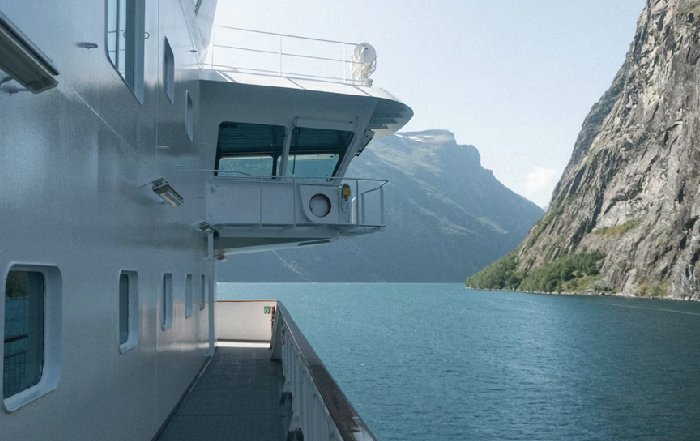
Inside Life Aboard a Modern Expedition Yacht
A Mature Era for Private Exploration
The expedition yacht has firmly established itself as a defining symbol of a new, more purposeful maritime lifestyle. What began a decade ago as a niche for technically minded owners has evolved into a mature, globally recognized segment that blends long-range capability, robust engineering, and discreet luxury with a heightened sense of environmental and social responsibility. For the editorial team and readership of yacht-review.com, this is not simply another trend in yacht styling; it represents a fundamental redefinition of what it means to own, operate, and truly live aboard a vessel conceived to cross oceans, operate in high latitudes, and remain self-sufficient for extended periods far from conventional infrastructure.
Expedition yachts, once associated mainly with converted commercial vessels and scientific platforms, now sit at the apex of the private yachting market, attracting owners from North America, Europe, Asia, and Oceania who prioritize range, safety, and authenticity over ostentation. The life that unfolds aboard these vessels is shaped by converging factors that have accelerated since the early 2020s: rapid advances in naval architecture and propulsion, increasingly stringent regulatory frameworks, dramatic improvements in connectivity, and a clientele that is both more globally mobile and more conscious of its impact on fragile marine ecosystems. From the channels of Patagonia and the fjords of Norway to the Kimberley region of Western Australia and the atolls of the South Pacific, the modern expedition yacht has become a mobile base of operations for families, entrepreneurs, scientists, and adventurers who expect five-star comfort in locations that may be thousands of miles from the nearest marina.
Within this context, yacht-review.com has progressively deepened its coverage of expedition vessels, moving beyond surface-level overviews to examine how these yachts are designed, how they perform in real conditions, and what daily life actually feels like once the dock lines are cast off and the horizon becomes home. Through detailed reviews, technology features, and destination reports, the platform has positioned itself as a trusted reference point for owners and professionals seeking experience-based insight rather than marketing rhetoric.
Design Philosophy: Endurance, Safety, and Quiet Luxury
The design philosophy underpinning the contemporary expedition yacht in 2026 is rooted in endurance and safety, yet it is increasingly expressed through refined, understated luxury. Naval architects and shipyards in the United Kingdom, the Netherlands, Germany, Italy, the United States, and an expanding cluster of yards in Turkey and Asia have continued to refine hull forms that balance seakeeping and efficiency. Ice-capable bows, deep forefoots, generous flare, and high freeboard are now complemented by optimized displacement or hybrid hulls that deliver economical cruising speeds and predictable handling across a wide range of sea states. Readers wishing to follow the evolution of these design principles can explore the dedicated design coverage on yacht-review.com, where expedition-ready concepts and launched projects are dissected from both technical and experiential perspectives.
Unlike many planing superyachts conceived for short hops between marinas in the Mediterranean or Caribbean, expedition yachts are specified from the outset for continuous operation over thousands of nautical miles. This requirement influences every design decision: fuel and water tankage, cold and dry storage capacity, redundancy in propulsion and power generation, and the integration of robust navigation and communication systems. Naval architects work closely with classification societies such as Lloyd's Register and DNV, and with polar experts, to ensure that hull structures, stability characteristics, and safety systems meet or exceed standards for high-latitude and remote-region operations, including the requirements of the evolving Polar Code. Those seeking a broader understanding of the regulatory and safety framework that underpins these vessels can consult the International Maritime Organization, whose guidelines increasingly shape the capabilities and obligations of private expedition yachts.
Interior design has followed a parallel trajectory, moving decisively away from the utilitarian aesthetic that characterized many early explorer vessels. Today's expedition yachts marry warm, residential styling and regional influences with durable, marine-grade materials that can withstand heavy use and demanding climates, from tropical humidity to polar dryness. Layouts are carefully planned to support genuine long-term living aboard: generous crew quarters that recognize the importance of retention and morale; flexible guest cabins suitable for multi-generational families; and multi-purpose spaces that can transition from family lounge to boardroom, classroom, or planning hub for scientific and philanthropic projects. On yacht-review.com, the boats and yacht features now routinely examine how these design decisions translate into lived experience over weeks and months at sea, rather than during a single charter week.
Daily Life Underway: Seamanship, Structure, and Ease
Life aboard a modern expedition yacht is governed less by the rush of port-to-port schedules and more by a measured rhythm that blends professional seamanship with unhurried personal time. Owners and guests who step into this world quickly realize that the expedition lifestyle is built around passages that may last several days or weeks, interspersed with extended periods at anchor in remote bays, fjords, or archipelagos. The daily structure revolves around bridge watches, engine room rounds, weather briefings, and route planning, all of which are essential to safe, efficient long-range operations. Bridge teams rely on integrated navigation suites, high-resolution radar, AIS, ECDIS, and sophisticated decision-support tools that draw on real-time meteorological and oceanographic data from organizations such as the National Oceanic and Atmospheric Administration and their European and Asian counterparts.
For owners, charter guests, and their families, the experience of being underway has changed markedly compared with earlier generations of long-range cruising. Modern stabilization systems, combining fins, gyros, and in some cases interceptors, have reduced vessel motion to levels that allow for comfortable work, exercise, and socializing even in open-ocean conditions. High-bandwidth satellite connectivity, now routinely supported by providers such as Starlink, Inmarsat, and regional networks, enables business leaders to maintain active roles in their companies while crossing the Atlantic, navigating the Northwest Passage, or operating off the coast of Antarctica. Video conferencing, real-time data access, and secure communication platforms are now standard expectations, not luxuries, and they have made expedition yachting a viable lifestyle for entrepreneurs and executives from the United States, the United Kingdom, Germany, Singapore, and beyond who might once have considered extended cruising incompatible with their professional responsibilities.
From the vantage point of yacht-review.com, which regularly documents real-world itineraries in its cruising features, the onboard routine increasingly resembles that of a well-run private residence combined with a professional maritime operation. Mornings may begin with a quiet coffee on the aft deck as the yacht makes its way toward a new anchorage, followed by a structured briefing with the captain and expedition leader covering weather windows, landing plans, and safety protocols. Days are filled with a mix of exploration by tender, kayak, submersible, or helicopter and quieter pursuits such as fitness, reading, or remote work. Evenings typically bring shared meals, debriefings, and planning sessions for the days ahead, with the constant backdrop of changing landscapes and seascapes. The balance between structure and spontaneity, between operational discipline and personal freedom, is one of the defining characteristics of life aboard an expedition yacht in 2026.
Technology as a Strategic Enabler
Behind the scenes, the technological ecosystem of a modern expedition yacht is as complex as that of a small commercial vessel or boutique research ship, yet the ambition is to make this complexity largely invisible to owners and guests. Propulsion systems increasingly rely on hybrid configurations that combine high-efficiency diesel engines, substantial battery banks, and, in a growing number of projects, readiness for alternative fuels such as methanol or sustainable biofuels. This enables silent or low-emission operation in sensitive areas, improves overall fuel efficiency on long passages, and aligns with broader decarbonization efforts across the maritime sector. Industry observers can follow these trends through organizations such as the International Council on Clean Transportation, which tracks advances in marine propulsion and emissions reduction.
Energy management systems orchestrate power generation and consumption across navigation, hotel, and hotel-support loads, constantly optimizing for efficiency and redundancy. Waste heat recovery, advanced HVAC controls, smart glass, and LED lighting are now baseline technologies, while more advanced yachts incorporate photovoltaic arrays and, in a handful of pilot projects, fuel cells. The technology section of yacht-review.com has increasingly focused on these integrated systems, recognizing that for many owners, particularly in Europe, North America, and Asia, technological sophistication is now a primary differentiator when evaluating new builds or refits.
Data has become central not only to safe navigation but also to the broader expedition experience. Crews routinely access high-resolution satellite imagery, ice charts, and oceanographic data, while expedition leaders and onboard scientists draw on biodiversity databases, cultural heritage resources, and conservation tools to plan landings and interpret what guests encounter ashore. Platforms such as the National Geographic Society and the World Wildlife Fund provide scientific and contextual frameworks that are increasingly woven into onboard briefings and educational programs. This data-rich environment has elevated the roles of expedition leaders, naturalists, and collaborating researchers, who work closely with owners seeking deeper engagement with the regions they visit.
Family, Education, and the Human Fabric Onboard
While the technical and operational dimensions are essential, the true character of life aboard an expedition yacht is defined by the human relationships that develop over time. Many owners now view their expedition vessels as multi-generational platforms, capable of bringing together family members dispersed across continents for extended periods of shared experience. The family-focused coverage on yacht-review.com regularly explores how interior layouts, onboard programming, and activity planning are tailored to children, teenagers, parents, and grandparents from diverse cultural backgrounds, including families based in the United States, Canada, the United Kingdom, Germany, Australia, Singapore, and the Middle East.
Education has become a particularly prominent dimension of this lifestyle. With remote and hybrid schooling models now more accepted in many countries, families are using expedition yachts as mobile classrooms that blend formal curricula with immersive fieldwork. A visit to coral reefs in French Polynesia or Indonesia may be accompanied by lessons on marine biology, climate change, and local culture, supported by digital resources and, in some cases, guest lecturers or onboard scientists. Partnerships with institutions such as the Smithsonian National Museum of Natural History and leading universities provide structured materials and research frameworks that can be adapted to the realities of life at sea. For many young people, this combination of academic rigor and real-world exploration is proving formative, shaping future studies and careers in science, sustainability, and international business.
The concept of community extends well beyond the owner's family. Expedition yacht crews tend to be highly experienced professionals, often with backgrounds in commercial shipping, research, offshore operations, or high-end charter sectors. These crews operate with a strong culture of seamanship and mutual support, and over time they frequently develop a shared sense of mission with the owner's family, particularly when the yacht is engaged in scientific collaboration, philanthropic initiatives, or local community projects. The community section of yacht-review.com has documented numerous examples of yachts providing logistical assistance to conservation teams, supporting coastal cleanups, or delivering educational materials to remote schools in regions such as the Arctic, Southeast Asia, and the South Pacific. These stories illustrate how the expedition lifestyle can foster meaningful, long-term connections between private vessels and the communities they encounter.
Business Mobility and Strategic Use of Time
For many owners and charter clients, the decision to invest in an expedition yacht is closely tied to broader professional and lifestyle strategies. The ability to work effectively from a vessel that might be exploring the Chilean fjords in one season and the Lofoten Islands of Norway the next has profound implications for how globally active entrepreneurs, investors, and executives structure their time. High-capacity connectivity, secure communications, and purpose-designed meeting spaces allow for confidential discussions, strategic retreats, and small-scale conferences to take place far from traditional corporate environments. Readers interested in these dynamics will find in-depth analysis in the business section of yacht-review.com, where the intersection of mobility, privacy, and opportunity is examined through real case studies.
The yacht itself often becomes a carefully curated environment for relationship-building. Owners host key partners, investors, or collaborators for specific legs of a voyage, whether that involves cruising the Mediterranean shoulder seasons, exploring the Galápagos under strict environmental guidelines, or visiting emerging blue-economy hubs in Asia and Africa. The events and news coverage on yacht-review.com and its dedicated events hub regularly highlight how vessels are used not only as personal sanctuaries but as strategic tools for cultivating trust, creativity, and long-term alignment among stakeholders from Europe, North America, Asia, and South America.
From a macroeconomic perspective, the expedition yacht segment has proven remarkably resilient, even through periods of global uncertainty. Analysts and financial media, including Bloomberg and the Financial Times, have pointed to the segment's growth as evidence of a shift toward assets that combine lifestyle value with strategic flexibility. For yacht-review.com, this reinforces the importance of covering expedition yachts not only as feats of design and engineering but also as instruments within broader portfolios of business interests, philanthropy, and impact-driven initiatives.
Sustainability and Responsibility in Remote Regions
As expedition yachts reach deeper into remote and sensitive environments, the expectations placed upon owners and captains have intensified. Regulators, local communities, and the owners' own families increasingly demand that operations reflect best practices in environmental stewardship and social responsibility. The sustainability hub on yacht-review.com has become a central resource for those seeking practical guidance on reducing impact while maintaining capability.
Modern expedition yachts integrate advanced wastewater treatment plants, waste segregation and compaction systems, low-sulfur or alternative fuels, and hull coatings that reduce drag without releasing harmful biocides. Operationally, captains and expedition leaders adopt routing strategies that minimize fuel consumption, avoid sensitive habitats, and comply with evolving local and international regulations. Organizations such as the International Union for Conservation of Nature provide frameworks and data that help operators identify vulnerable species and ecosystems, while broader resources on corporate responsibility and ocean stewardship help owners align their yachting activities with their wider sustainability commitments. Learn more about sustainable business practices through cross-sector resources that increasingly reference maritime case studies, reflecting the growing integration of yachting into global ESG conversations.
An important and growing trend is the use of expedition yachts as platforms for scientific research and conservation. Some vessels now carry dedicated labs, host rotating teams of researchers, or collaborate with NGOs on projects ranging from marine mammal surveys and coral reef monitoring to coastal heritage documentation. These initiatives are particularly visible among owners from Europe, North America, and Asia who see their yachts as vehicles for positive impact as well as personal enjoyment. In its global exploration coverage, yacht-review.com has followed several such projects, documenting how carefully managed partnerships between private yachts, universities, and NGOs can generate valuable data while enriching the onboard experience with purpose and meaning.
Destinations and Cultural Encounters Across Continents
The defining promise of an expedition yacht is access: the ability to reach destinations that lie beyond the conventional circuits of the Mediterranean, Caribbean, and US East Coast. In 2026, the range of itineraries being undertaken by private and chartered expedition yachts is broader than ever. Owners from the United States and Canada are exploring the Northwest Passage, Greenland, and the Canadian Arctic Archipelago; European families are combining the Norwegian fjords, Svalbard, and Iceland with less-visited corners of the North Atlantic; and owners from Asia and Australia are venturing into the Indonesian archipelago, the Philippines, Papua New Guinea, and the remote islands of the Southern Ocean. The travel features on yacht-review.com offer detailed accounts of these voyages, including the logistical planning, regulatory compliance, and cultural research required to execute them responsibly.
Cultural engagement is an integral part of life aboard during such journeys. Expedition leaders and local guides play a crucial role in facilitating respectful interactions with communities in regions as diverse as the Arctic, Southeast Asia, West Africa, and the South Pacific. Owners and guests are increasingly aware of the need to understand local customs, support local economies, and minimize cultural disruption, drawing on guidance from organizations such as the UNESCO World Heritage Centre. When thoughtfully planned and sensitively executed, visits by expedition yachts can bring tangible benefits to remote communities through the purchase of local goods and services, support for cultural projects, and skills exchange, while also enriching onboard life with authentic perspectives and narratives that cannot be replicated elsewhere.
For the editorial team at yacht-review.com, documenting these encounters is a way to show that expedition yachting transcends conventional notions of luxury travel. The platform's history features often draw parallels between today's voyages and earlier eras of exploration, noting both the continuity of human curiosity and the profound shifts in technology, ethics, and expectations. Modern expedition yachts carry far more capability and comfort than historical vessels, but they also operate under far greater scrutiny and responsibility, reflecting a global consensus that remote regions and cultures must be engaged with care.
Lifestyle Afloat: Wellness, Creativity, and Reflection
Beyond their operational and exploratory roles, expedition yachts in 2026 increasingly serve as platforms for a distinctive, wellness-oriented lifestyle that emphasizes physical health, mental clarity, and creative expression. Interior and exterior spaces are designed to support this ethos: dedicated gyms and spa areas, yoga decks with panoramic views, quiet libraries, and multimedia studios all contribute to an environment where guests can disconnect from urban intensity without losing access to the tools they rely on for work and creativity. Onboard culinary programs draw on local ingredients and global influences to create menus that are both indulgent and health-conscious, while medical facilities and telemedicine links provide reassurance to families cruising far from major healthcare centers. The lifestyle coverage on yacht-review.com frequently profiles how these elements combine to create a holistic onboard environment.
For many owners and guests from Europe, North America, Asia, and emerging yachting markets in Africa and South America, the greatest value of expedition yachting lies in the time and mental space it provides. Writers, photographers, filmmakers, and artists use these vessels as platforms for projects that explore climate change, cultural resilience, and the aesthetics of remote landscapes, while business leaders report that extended periods aboard, balanced between connectivity and intentional disconnection, foster more considered strategic thinking. In this sense, the expedition yacht functions not only as a vehicle for physical travel but as an instrument for intellectual and emotional exploration, enabling individuals and families to recalibrate priorities and reflect on their role in a rapidly changing world.
The editorial perspective at yacht-review.com is shaped by ongoing conversations with owners, captains, designers, crew, and industry leaders who are living this reality every day. Their experiences, shared through comprehensive reviews, operational analyses, and first-hand narratives, reinforce the view that life aboard a modern expedition yacht is not a static concept but a dynamic practice that evolves alongside technology, regulation, and cultural expectations.
Looking Ahead: The Next Chapter of Expedition Yachting
As 2026 unfolds, several trends appear poised to define the next chapter of expedition yachting. Advances in alternative fuels, including methanol, green hydrogen, and advanced biofuels, are moving from theoretical discussion to early-stage implementation in the large-yacht sector, promising to reduce the carbon footprint of long-range cruising. Battery energy density continues to improve, opening the door to more extensive use of electric propulsion in sensitive areas, supported by the gradual build-out of shore-based charging infrastructure in key gateways across Europe, North America, and parts of Asia and Oceania. Regulatory frameworks related to emissions, waste management, and polar operations are tightening, compelling designers and builders to innovate while reinforcing the importance of experienced captains and well-trained crew.
From a lifestyle and business perspective, the boundaries between work, travel, and family life are likely to blur even further. Hybrid models that combine periods of intensive professional engagement with extended time aboard are becoming more common among owners and charter clients from the United States, the United Kingdom, Germany, France, Italy, Spain, the Netherlands, Switzerland, China, Singapore, South Korea, Japan, South Africa, Brazil, and beyond. The editorial mission of yacht-review.com, supported by its global coverage and its integrated focus on design, technology, business, and lifestyle, is to accompany this evolution by providing accurate, experience-based insight and a trusted platform for informed decision-making.
Ultimately, life aboard a modern expedition yacht in 2026 is about embracing complexity in pursuit of depth: depth of experience, depth of connection with the natural world, and depth of understanding of one's own priorities and values. It requires a willingness to engage with technical detail, to navigate regulatory and cultural landscapes, and to accept the unpredictability inherent in genuine exploration. For those who choose this path-whether they hail from North America, Europe, Asia, Africa, or South America-the rewards can be profound, ranging from strengthened family bonds and expanded professional horizons to contributions to science and conservation.
In the pages of yacht-review.com, these stories, challenges, and achievements will continue to be documented and analyzed for a global audience that spans seasoned owners, aspiring buyers, industry professionals, and enthusiasts. As expedition yachts evolve and their reach extends to ever more remote corners of the planet, the platform remains committed to providing authoritative, trustworthy coverage that reflects not only the hardware of these remarkable vessels but also the human aspirations and responsibilities that drive them.