

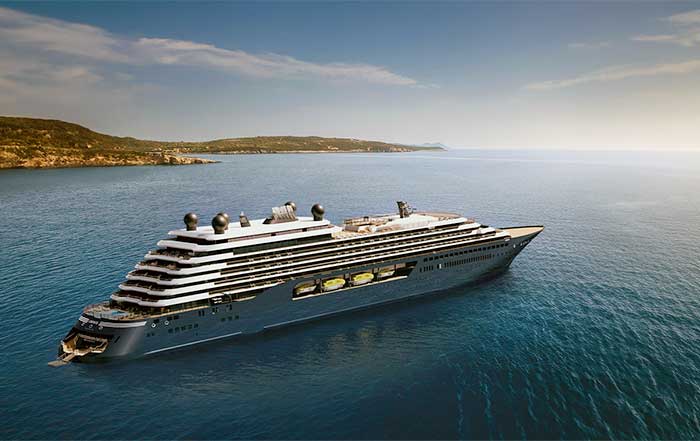
The Ritz-Carlton Yacht Collection: Redefining Luxury Yachting
The Ritz-Carlton Yacht Collection stands as one of the most influential case studies in how a heritage hospitality brand can successfully cross over into the world of luxury yachting. For the global audience of Yacht-Review.com, this story is not only about a new fleet of superyachts; it is about how design, service, technology, and business strategy converge to shape a new benchmark for ultra-luxury travel at sea. Rooted in the legacy of César Ritz and the century-long evolution of The Ritz-Carlton under Marriott International, the collection has moved from an ambitious concept in the mid-2010s to a fully fledged, globally recognized yachting brand that now operates in some of the most coveted cruising regions of the world.
When The Ritz-Carlton Yacht Collection was first announced in 2017, in partnership with maritime executive Douglas Prothero and funds managed by Oaktree Capital Management, it represented a structural shift in the luxury travel ecosystem. It was the first time a major global hotel group committed to building and operating its own purpose-designed superyacht fleet, rather than simply licensing a name to an external operator. This move aligned with a broader trend in luxury travel: a decisive pivot toward smaller vessels, slower journeys, and deeply curated experiences, away from the scale-driven logic of traditional cruising. Over the last decade, as readers of Yacht-Review.com have seen across our Reviews and Cruising coverage, this strategy has helped define a new category that sits between private yacht ownership and boutique expedition cruising, appealing to discerning travelers from the United States, United Kingdom, Germany, Canada, Australia, France, Italy, Singapore, and far beyond.
Evrima: The Flagship That Set the Standard
The launch of the flagship yacht Evrima marked the operational beginning of the collection and remains central to its identity in 2026. At approximately 190 meters in length and accommodating a maximum of 298 guests in 149 suites, Evrima was deliberately designed to deliver a sense of residential scale rather than conventional cruise capacity. Every suite includes a private terrace, and the interior architecture embraces the understated, contemporary aesthetic long associated with The Ritz-Carlton brand: clean lines, tactile materials, muted palettes, and an emphasis on natural light and horizon views.
From the perspective of yacht design, which our readers regularly explore in the Design section of Yacht-Review.com, Evrima represents a compelling hybrid between superyacht styling and boutique hotel spatial planning. The ship's designers were tasked with reconciling two primary objectives: to create generous public and private spaces that support multiple dining venues, lounges, a marina platform, and a full-service spa, while maintaining a hull size nimble enough to access smaller ports and marinas that are typically reserved for private yachts and small expedition vessels. This tension between intimacy and capability has been resolved through careful zoning, flowing circulation, and a meticulous approach to acoustics and privacy.
Onboard, Evrima rejects the tropes of mainstream cruising. There are no cavernous theatres, no casinos, and no high-volume entertainment shows. Instead, the ship's social life is anchored in a series of human-scale spaces: a living-room-style lounge, a refined observation area, quiet library corners, and open decks that prioritize views over spectacle. The Ritz-Carlton Spa at sea extends the brand's wellness philosophy into a maritime context, with treatments and rituals inspired by the regions the yacht visits, while the aft marina platform underscores the vessel's yachting DNA by enabling direct access to the water for swimming, paddleboarding, and other ocean activities. For those following the evolution of yacht-based hospitality, this combination of calm, service, and sea-level engagement has become a defining signature of the collection.
Ilma and Luminara: Scaling Up Without Losing Intimacy
The second phase of The Ritz-Carlton Yacht Collection's growth arrived with the introduction of Ilma and Luminara, constructed at Chantiers de l'Atlantique in France, one of the world's most respected and innovative shipyards. Entering service between 2024 and 2025, these sister ships extend the brand's reach while reinforcing its core principles. At approximately 241 meters and 224 suites each, Ilma and Luminara are larger than Evrima, yet they continue to operate in the ultra-luxury, low-density segment, where space per guest and service ratios remain paramount.
Ilma, whose name evokes "air" in Maltese, is characterized by design cues that emphasize openness, vertical sightlines, and a light, almost gallery-like interior language. Drawing on Scandinavian and Mediterranean influences, the ship's designers have used pale woods, textured fabrics, and expansive glazing to create a sense of calm levitation above the sea. Luminara, inspired by "light," follows a related but distinct philosophy, focusing on luminosity, layered lighting design, and an enhanced wellness concept that integrates outdoor fitness, thermal suites, and contemplative spaces. Both vessels incorporate more advanced materials and updated layouts that reflect the operational lessons learned from Evrima's first seasons.
Technologically, Ilma and Luminara also signal the collection's evolving response to environmental and regulatory pressures. Dual-fuel propulsion systems, optimized hull forms, and more efficient hotel operations have been integrated to reduce emissions and improve overall energy performance, aligning with emerging standards from organizations such as the International Maritime Organization. For yacht enthusiasts seeking deeper insight into these engineering developments, the Boats and Technology pages on Yacht-Review.com provide broader context on how large yacht builders and operators are responding to the global push for cleaner, smarter ships.
Service as a Defining Asset
If design and technology are the visible pillars of The Ritz-Carlton Yacht Collection, service is the invisible force that holds the entire proposition together. From the outset, the brand's ambition was to deliver at sea the same level of anticipatory, personalized care that guests associate with The Ritz-Carlton hotels and resorts worldwide. Achieving this on a moving vessel, often far from major supply chains and urban centers, requires a sophisticated operational framework and a deep investment in crew training, culture, and retention.
Each suite on the yachts is attended by a personal suite ambassador, a role that blends the functions of butler, concierge, and guest-relations specialist. These ambassadors coordinate everything from unpacking luggage and arranging private shore experiences to orchestrating in-suite dining, celebrations, and wellness schedules. The near one-to-one staff-to-guest ratio allows for a level of discretion and continuity rarely seen on larger ships, where service can become transactional rather than relational. This approach aligns with evolving expectations among high-net-worth travelers, who increasingly value emotional intelligence and personalization over ostentatious gestures.
Culinary programming is another core expression of service excellence. Menus are designed to reflect regional cuisines, seasonal ingredients, and a balance between comfort and discovery. On a Mediterranean itinerary, for instance, guests may encounter dishes inspired by coastal Italy, southern France, and Spain, while a Caribbean voyage might highlight local seafood, tropical produce, and rum-focused mixology. The collection's wine program is curated to rival leading restaurants and hotels, with a strong emphasis on Old World vineyards, emerging regions, and food-pairing sophistication. Those interested in the broader evolution of dining at sea can explore how the luxury segment is reshaping expectations through resources such as The World's 50 Best Restaurants, which increasingly intersect with high-end travel experiences.
Itineraries Built Around Depth, Not Speed
From the beginning, The Ritz-Carlton Yacht Collection adopted a destination strategy that prioritizes depth of experience over the number of ports visited. This philosophy is particularly relevant to readers of our Travel and Global sections, where the focus is often on how itineraries can foster meaningful engagement with local cultures, rather than superficial box-ticking.
In the Mediterranean, the yachts call at destinations such as Monte Carlo, Portofino, Capri, Santorini, and Dubrovnik, but they do so with extended stays and overnight port calls that allow guests to experience the rhythm of each place beyond the midday rush of day visitors. In the Caribbean, routes include St. Barts, Virgin Gorda, Bequia, and Grenada, often with anchorages in sheltered bays that are inaccessible to larger cruise ships. Northern European itineraries bring guests to cities like Stockholm, Copenhagen, and Helsinki, as well as smaller ports along the Norwegian coast, while the gradual expansion into Asia-Pacific opens up routes through Thailand, Vietnam, Japan, and other key markets where boutique maritime tourism is on the rise.
Shore experiences are curated to be both culturally grounded and logistically seamless. Private vineyard tastings in Provence, architecture and art tours in Barcelona, market visits in Sicily, and sailing with local fishermen in the Greek islands illustrate the collection's emphasis on authenticity and local partnerships. This approach aligns with broader trends in responsible destination development, as documented by organizations such as the World Travel & Tourism Council, which advocate for tourism models that benefit local communities and preserve cultural integrity. For Yacht-Review.com's audience, these itineraries illustrate how yacht-scale travel can create a bridge between high-end comfort and genuine immersion.
Strategic Positioning in the Luxury Travel Ecosystem
From a business perspective, The Ritz-Carlton Yacht Collection provides a telling example of how a hospitality brand can diversify while reinforcing its core value proposition. Under the umbrella of Marriott International, the collection operates as a distinct maritime entity but remains integrated into the broader Marriott Bonvoy ecosystem, allowing hotel guests and loyalty members to transition seamlessly from land-based stays to sea-based journeys. This continuity is central to the brand's competitive advantage, particularly in markets like North America, Europe, and Asia where loyalty programs significantly influence booking decisions.
By positioning its ships in the ultra-luxury, sub-300-guest segment, the collection has carved out a niche that sits adjacent to private yacht charters and top-tier expedition lines. Competitors such as Four Seasons Yachts and Aman at Sea have since announced their own maritime ventures, but The Ritz-Carlton enjoys the benefit of first-mover status among global hotel brands, along with a well-established reputation for service excellence. For readers interested in the financial and strategic dimensions of this evolution, the Business section of Yacht-Review.com regularly analyses how such ventures influence valuations, brand equity, and market dynamics across the yacht and cruise sectors.
The collection's business model also reflects the broader shift toward experiential luxury. High-net-worth individuals in the United States, United Kingdom, Germany, France, Italy, and increasingly in Asia and the Middle East, are placing greater value on curated, story-rich experiences than on traditional symbols of status. This is consistent with research from firms such as McKinsey & Company, which have documented a global move from ownership to experience in luxury consumption patterns. By offering a product that combines the perceived exclusivity of yachting with the reliability of a global hotel brand, The Ritz-Carlton Yacht Collection is well positioned to capture this demand.
Design, Technology, and the Pursuit of Quiet Luxury
Design has always been central to the identity of The Ritz-Carlton Yacht Collection, and in 2026 its vessels are frequently referenced in industry discussions about "quiet luxury" at sea. Rather than relying on overt statements of opulence, the yachts express luxury through proportion, materiality, and atmosphere. Exterior lines are sleek and contemporary, with a strong emphasis on horizontal flow and generous open decks, while interior spaces are organized around a residential logic that feels more akin to a waterfront penthouse than a traditional cruise ship.
Technological innovation underpins this aesthetic subtlety. Advanced stabilizer systems, efficient HVAC solutions, and noise-reduction engineering contribute to a sense of comfort that is felt more than seen. High-speed connectivity, now an expectation even in remote maritime regions, allows guests to maintain business and personal connections while still feeling "away" from their everyday environment. Navigation and safety systems are aligned with the latest standards from organizations such as DNV, reflecting the brand's commitment to operational reliability and risk management. For readers following these developments, our Technology coverage at Yacht-Review.com continues to track how such innovations are filtering down from large-ship newbuilds into the broader yacht segment.
Sustainability and Responsible Luxury at Sea
In an era when sustainability is no longer optional for serious players in travel and tourism, The Ritz-Carlton Yacht Collection has had to articulate and refine its environmental strategy. While no large motor yacht can claim to be impact-free, the collection has implemented a series of measures designed to align with emerging expectations around responsible luxury. These include energy-efficient propulsion and hotel systems, advanced waste and wastewater treatment, and careful itinerary planning to avoid congestion in environmentally sensitive ports and marine areas.
The decision to operate smaller vessels, with fewer guests and more flexible routing, also allows the brand to reduce localized pressure on fragile coastal communities compared with conventional large-ship cruising. Educational programming onboard, often delivered in collaboration with local partners and conservation groups, introduces guests to marine ecosystems and sustainability challenges, echoing the broader industry conversation led by institutions such as the International Union for Conservation of Nature. For those who wish to understand how such initiatives fit into the wider yachting landscape, the Sustainability section of Yacht-Review.com offers ongoing analysis of best practices, emerging regulations, and technological solutions.
A Lifestyle of Intimacy, Privacy, and Understated Elegance
From a lifestyle perspective, The Ritz-Carlton Yacht Collection appeals to travelers who prioritize privacy, intimacy, and time-rich experiences over spectacle. Families, couples, and multi-generational groups from North America, Europe, Asia, and beyond are increasingly drawn to voyages that allow them to disconnect from the pace of urban life without sacrificing comfort or connectivity. Public spaces on the yachts are deliberately scaled to encourage quiet conversation, contemplation, and informal socializing, rather than mass entertainment.
Days at sea often revolve around private terraces, spa rituals, reading, water sports from the marina platform, and leisurely meals that stretch into the afternoon. Evenings emphasize live music, refined cocktails, and unhurried dining, with the ocean and the night sky as the primary backdrop. There is no rigid dress code, but there is a shared understanding of decorum and elegance among guests, many of whom are repeat visitors to Ritz-Carlton properties on land. For readers interested in how this aligns with broader shifts in yachting culture, the Lifestyle and Family pages of Yacht-Review.com explore how owners and charter guests alike are redefining what it means to "escape" at sea.
Global Reach, Regional Nuances
By 2026, The Ritz-Carlton Yacht Collection has established a truly global footprint, with itineraries across the Mediterranean, Caribbean, Northern Europe, and an expanding presence in Asia-Pacific. The brand's core source markets remain the United States, United Kingdom, Germany, Canada, Australia, France, and Italy, but there is growing interest from markets such as Singapore, Japan, South Korea, Brazil, South Africa, and the broader Middle East. This diversification reflects the global nature of contemporary luxury demand and the increasing accessibility of yacht-style travel to a wider, though still highly affluent, audience.
Each region introduces its own cultural nuances, regulatory environments, and guest expectations. Operating in Europe, for instance, requires close attention to port regulations, environmental directives, and heritage preservation, while Asia-Pacific voyages demand sensitivity to local customs, languages, and emerging infrastructure. For readers tracking these developments, our Global and News sections offer a broader view of how geopolitical, economic, and cultural forces are reshaping the map of luxury sea travel.
Challenges, Competition, and the Road Ahead
No pioneering venture is without its challenges, and The Ritz-Carlton Yacht Collection has had to navigate a complex landscape of regulatory requirements, supply-chain volatility, and shifting travel patterns, especially in the wake of global disruptions earlier in the decade. Ensuring consistent service standards across multiple ships, recruiting and retaining highly trained crew, and managing the expectations of a demanding international clientele all require sustained investment and strategic clarity.
Competition in the ultra-luxury maritime space is intensifying, with Four Seasons Yachts, Aman at Sea, and a growing number of boutique operators entering or expanding within the sector. At the same time, regulatory and societal pressure to decarbonize shipping is increasing, with stricter emissions targets and scrutiny of ESG performance. To maintain its position as a trusted, aspirational brand, The Ritz-Carlton Yacht Collection will need to continue investing in cleaner technologies, transparent reporting, and community engagement. These themes are central to the broader industry conversation covered in Yacht-Review.com's Business and Sustainability reporting, where the intersection of regulation, innovation, and market demand is examined in detail.
A New Chapter in the Convergence of Hospitality and Yachting
The Ritz-Carlton Yacht Collection can be seen as a defining example of how land-based hospitality expertise can be translated into a maritime context without diluting brand equity. By combining the service standards of The Ritz-Carlton with the scale, flexibility, and romance of yachting, the collection has created a product that resonates with a global audience of sophisticated travelers who are increasingly looking for experiences that feel both curated and deeply personal.
For the readership of Yacht-Review.com, this story offers insights that extend beyond a single brand. It illustrates how design innovation, technological advancement, and responsible business strategy can work together to elevate the entire yachting sector, from custom superyachts to boutique cruise operations. As Ilma and Luminara continue to refine the concept introduced by Evrima, and as new regions open to yacht-scale luxury travel, The Ritz-Carlton Yacht Collection will remain a reference point in discussions about where the future of high-end maritime hospitality is heading.
For those who wish to explore this evolution in greater depth, Yacht-Review.com invites readers to delve into our dedicated coverage across Reviews, Design, Cruising, Business, and Sustainability, where the convergence of land and sea continues to be documented through the lens of experience, expertise, authoritativeness, and trust.