

The Challenges and Rewards of Arctic Yachting in 2026
Arctic yachting has moved from the fringes of extreme exploration to a defined, if still niche, segment of the global superyacht and expedition market, and as of 2026 it stands at the intersection of luxury travel, climate science, advanced marine engineering and evolving maritime regulation. For Yacht-Review.com, which has followed the rise of high-latitude cruising for years across its coverage of cruising, boats and technology, the Arctic is no longer a distant curiosity but a proving ground for the industry's capabilities, ethics and long-term vision. The region's stark beauty, fragile ecosystems and operational complexity demand a level of experience, expertise, authoritativeness and trustworthiness that goes far beyond conventional Mediterranean or Caribbean seasons, and it is this combination of challenge and reward that now defines the Arctic yachting narrative.
A New Frontier for High-Latitude Cruising
Over the past decade, the Arctic has transformed from a sporadic destination for pioneering owners into a structured seasonal option for those willing to invest in purpose-built or heavily modified vessels. Warmer summers, extended ice-free windows and improved charting have opened routes around Greenland, Svalbard, northern Canada and even partial transits of the Northwest and Northeast Passages, yet this increased accessibility has also underscored the ethical and environmental responsibilities that come with operating in one of the planet's most vulnerable regions.
Owners from the United States, the United Kingdom, Germany, Canada, Australia and across Europe and Asia are now looking beyond traditional cruising grounds, and brokers report that expedition-capable yachts are increasingly requested in briefs for both new builds and refits. As Yacht-Review.com has observed in its global coverage, this interest is not purely driven by novelty; it is also influenced by a desire for more meaningful, experience-rich travel that combines adventure with education, science and philanthropy. In the Arctic, these aspirations are tested in real time, under conditions that quickly reveal the strengths and weaknesses of every design and operational decision.
Vessel Design: From Superyacht to Expedition Platform
The first and most fundamental challenge in Arctic yachting lies in the vessel itself. Traditional warm-water superyacht designs, optimised for anchorages in the Mediterranean or island-hopping in the Caribbean, are rarely adequate for ice-strewn waters, freezing temperatures and remote operations. Naval architects and shipyards in Northern Europe, North America and Asia have therefore developed a new generation of expedition yachts that blend luxury interiors with rugged hull forms, reinforced bows and systems engineered for redundancy and self-sufficiency.
Ice-class or ice-strengthened hulls, often built to standards guided by organisations such as the International Association of Classification Societies, have become a baseline for serious Arctic itineraries, and the growing number of polar-capable yachts reviewed on Yacht-Review.com's dedicated reviews section reflects this shift. Enhanced scantlings, additional framing, steel hulls with higher yield strength and carefully designed bow geometries all help vessels navigate brash ice and light pack ice while minimising the risk of structural damage. At the same time, designers must manage noise and vibration, integrate advanced stabilisation systems that operate effectively at lower speeds and in heavier seas, and ensure that comfort standards remain high even when the vessel is operating in challenging conditions for extended periods.
Interior design has also evolved to support Arctic use cases, with more generous storage for cold-weather gear, laboratories or research spaces for collaborative projects with scientific partners, and flexible lounges that can serve as briefing rooms for expedition guides and pilots. Leading design studios in the Netherlands, Italy, the United Kingdom and Germany are now incorporating panoramic observation lounges, enclosed winter gardens and sheltered exterior decks that allow guests to enjoy the landscape without exposure to wind chill and spray. For readers interested in the latest design philosophies shaping such vessels, the in-depth features on yacht design trends provide a useful context for understanding how high-latitude requirements feed back into mainstream superyacht aesthetics and functionality.
Operational Complexity and Risk Management
Even the most capable vessel is only as safe and effective as its operation, and in the Arctic the margin for error is exceptionally thin. Limited search and rescue infrastructure, sparse ports of refuge, rapidly changing weather and sea ice conditions, and long distances from medical facilities all demand a rigorous approach to risk management. Captains and yacht managers planning Arctic itineraries now rely on a combination of satellite imagery, high-resolution weather routing and specialist ice navigation services, many of which draw on data from organisations such as the National Snow and Ice Data Center and regional meteorological agencies.
The International Maritime Organization's Polar Code, which came into effect several years ago and continues to evolve, has set minimum standards for vessel construction, equipment, training and environmental protection in polar waters, and while many yachts are not strictly required to comply in the same way as commercial vessels, experienced owners and captains increasingly treat these regulations as a baseline rather than a ceiling. Those seeking to understand the regulatory context can explore the broader framework of international maritime safety through resources such as the IMO's official site, which outlines the intent behind polar regulations and the specific risk factors they aim to mitigate.
Onboard, Arctic operations require robust standard operating procedures, detailed emergency response plans and continual crew training. Cold-weather drills, man-overboard simulations in icy waters, helicopter operations in low-visibility conditions and coordination with ice pilots and local authorities become routine components of a season, not exceptional events. This operational discipline is one of the reasons why Arctic yachting is increasingly seen as a proving ground for best-in-class crew performance, and why many captains view a successful Arctic season as a benchmark of professional achievement. For readers following the business and crewing dynamics of the sector, the analysis available in the business section of Yacht-Review.com offers additional insight into how such high-demand operations influence recruitment, retention and training strategies across the yachting industry.
Environmental Responsibility and Sustainable Practice
No discussion of Arctic yachting in 2026 can be credible without addressing the environmental implications of operating in a region so visibly affected by climate change. Accelerated ice melt, shifting wildlife patterns and increased human activity have created a complex and often contentious landscape in which luxury yachts must justify their presence through responsible practices and, increasingly, measurable positive contributions. Many owners are now working with marine biologists, climate scientists and NGOs to ensure that their voyages support research and conservation, rather than simply exploiting the last relatively untouched frontiers of the planet.
Technological solutions play a central role in reducing environmental impact. Hybrid propulsion systems, advanced battery storage, waste heat recovery and high-efficiency HVAC systems are now being integrated into expedition yachts to reduce fuel consumption and emissions. Some new-build projects in Northern Europe and Asia are exploring methanol-ready or hydrogen-ready designs, anticipating future availability of alternative fuels in high-latitude ports. The broader decarbonisation trend across shipping and yachting is well documented by organisations such as the International Council on Clean Transportation, and those wishing to learn more about sustainable business practices in a marine context can consult resources such as Harvard Business Review's coverage of sustainability, which frequently explores the intersection of innovation, regulation and corporate responsibility.
At a practical level, Arctic-bound yachts are adopting strict waste management protocols, minimising grey and black water discharge, and following guidelines from bodies like the World Wildlife Fund and the Arctic Council on wildlife interaction, noise pollution and route planning. Anchoring policies are adjusted to protect sensitive seabeds, and tenders are operated with particular care around marine mammals and bird colonies. For readers interested in how these principles translate into day-to-day cruising decisions, the dedicated section on sustainability in yachting at Yacht-Review.com offers a detailed perspective on best practices, emerging technologies and case studies from recent expeditions.
The Guest Experience: From Luxury Tourism to Transformational Travel
While the technical and environmental dimensions of Arctic yachting are critical, the ultimate justification for such complex and resource-intensive voyages lies in the guest experience. Owners and charter guests who choose to venture into high-latitude regions are typically seeking more than conventional luxury; they want immersion in remote landscapes, encounters with wildlife, cultural exchanges with indigenous communities and a sense of personal transformation that cannot be replicated in more familiar cruising grounds. This shift in expectations has influenced the way yacht operators curate itineraries, onboard programming and shore experiences.
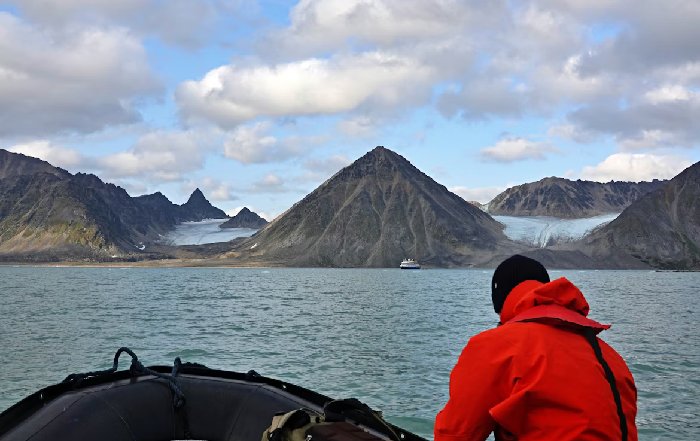
A typical Arctic itinerary for a well-prepared yacht might include glacier visits in Greenland, fjord exploration around Svalbard, Zodiac cruises among ice floes, carefully managed wildlife viewing and visits to small communities in Canada, Norway or Greenland, all coordinated with local guides and cultural liaisons. Onboard, evenings may feature lectures from scientists, historians or photographers accompanying the voyage, turning the yacht into a floating classroom as well as a sanctuary of comfort. For those comparing such experiences with more traditional itineraries, the cruising section of Yacht-Review.com offers context on how Arctic routes differ from Mediterranean or South Pacific voyages in terms of pace, activities and guest expectations.
This emphasis on depth over breadth aligns with broader trends in high-end travel, where affluent travellers from the United States, Europe, Asia and beyond are increasingly seeking journeys that offer narrative, learning and personal growth. Publications such as the Financial Times and The Economist have noted the rise of so-called "transformational travel," and the Arctic is frequently cited as one of the most powerful settings for such experiences. Those interested in the societal and economic implications of this trend can explore broader analyses through platforms like The Economist's special reports, which often examine how changing consumer preferences affect global tourism patterns and investment.
Family, Community and Intergenerational Learning
One of the more subtle yet profound rewards of Arctic yachting is its impact on families and multi-generational groups who choose to share these journeys. Unlike conventional resort-style vacations, where activities may be fragmented and age-segregated, Arctic voyages tend to bring families together around shared experiences: spotting whales and polar bears from the bridge, learning about glaciology from onboard experts, participating in citizen-science projects or simply absorbing the silence and scale of the landscape from a sheltered observation deck. These shared moments often create a powerful sense of family cohesion and collective memory.
For families who are conscious of the educational value of travel, the Arctic offers a live, immersive curriculum spanning climate science, geography, indigenous history, geopolitics and environmental ethics. Parents and grandparents from North America, Europe, Asia and beyond increasingly view such voyages as investments in their children's and grandchildren's worldview, and many of the owners and charterers interviewed by Yacht-Review.com for its family-oriented features have described Arctic trips as turning points in how younger family members understand their place in the world. This dimension of intergenerational learning also contributes to the sense that Arctic yachting, when undertaken responsibly, can be more than a private indulgence; it can be a catalyst for long-term engagement with environmental and social issues.
Cultural Sensitivity and Engagement with Arctic Communities
A responsible Arctic voyage cannot be limited to scenery and wildlife; it must also acknowledge and engage with the human communities that have lived in these regions for millennia. From Inuit communities in Canada and Greenland to Sámi populations in Norway, Sweden and Finland, indigenous cultures hold deep knowledge of Arctic ecosystems and have been directly affected by both climate change and increased external interest, including tourism and resource exploration. Yachts entering these regions have a responsibility to approach such communities with respect, humility and a willingness to listen.
Best practice now involves working with local operators, guides and cultural organisations to design visits that are mutually beneficial rather than extractive. This may include purchasing local arts and crafts at fair prices, supporting community-led tourism initiatives, or contributing to educational and infrastructure projects identified by community leaders themselves. Organisations such as the Arctic Council and the United Nations Environment Programme provide frameworks and guidelines for culturally sensitive engagement in polar regions, and those seeking to understand the broader context can explore resources such as UNEP's Arctic portal, which highlights both environmental and socio-economic issues across the circumpolar north.
For the yachting community, this emphasis on respectful engagement is part of a wider shift towards viewing destinations not merely as backdrops for private enjoyment, but as living systems in which visitors have both rights and responsibilities. Yacht-Review.com has increasingly highlighted this perspective in its community-focused reporting, reflecting a belief that the long-term viability of Arctic yachting depends on building trust and reciprocity with those who call the region home.
Technology, Data and the Future of Arctic Navigation
Technological innovation has underpinned much of the progress in Arctic yachting, from hull design and propulsion to navigation and communications. High-bandwidth satellite connectivity, once unreliable at extreme latitudes, has improved significantly, enabling real-time weather and ice updates, telemedicine support and seamless communication with shore-based operations teams. Advanced radar, forward-looking sonar and thermal imaging systems enhance situational awareness in low-visibility conditions, while integrated bridge systems allow captains to synthesise data from multiple sources into coherent decision-making tools.
The role of data is particularly significant. Yachts operating in the Arctic now have the capacity to collect valuable environmental information, from sea surface temperatures and salinity profiles to wildlife sightings and microplastic sampling. When shared with scientific institutions, this data can contribute to broader research efforts, blurring the line between private expedition and collaborative science. Organisations such as NASA and the European Space Agency provide complementary satellite data that, when combined with in-situ measurements, help build a more complete picture of a rapidly changing region, and those interested in this intersection of technology and climate science can explore resources on NASA's Earth science portal to understand how such information is used.
For Yacht-Review.com, which tracks these developments in its technology coverage, the Arctic serves as a testbed for systems and practices that will eventually filter down to more mainstream yachting. Remote diagnostics, predictive maintenance algorithms, AI-assisted routing and emissions-monitoring tools trialled in polar conditions are already beginning to appear in new vessels targeted at Mediterranean and Caribbean cruising, illustrating how the frontier often shapes the core of the market.
Economic, Legal and Insurance Considerations
From a business perspective, Arctic yachting introduces a range of economic and legal complexities that owners, charterers and managers must navigate with care. Operating costs are significantly higher than in traditional cruising regions, driven by fuel consumption, specialised crew, ice pilots, helicopter support, insurance premiums and the logistical challenges of provisioning in remote ports. For charter clients, these costs translate into premium rates that reflect both the exclusivity and the operational demands of such voyages.
Insurance underwriters in London, Zurich, New York and Singapore have developed specialised products for polar operations, often requiring detailed risk assessments, compliance with or exceeding of the Polar Code, and evidence of crew training and vessel capability. Legal frameworks are equally intricate, as yachts may pass through the territorial waters and exclusive economic zones of multiple Arctic states, each with its own regulations on cabotage, environmental protection, customs and immigration. Those seeking a deeper understanding of the macroeconomic and regulatory dimensions of polar development can find valuable context in analyses from organisations such as the World Economic Forum, whose Arctic and climate initiatives explore how geopolitics, resource interests and environmental concerns intersect in the high north.
Within the yachting sector, these complexities have spurred the growth of specialised consultancies, expedition planners and legal advisors who help owners and captains design compliant and efficient itineraries. Yacht-Review.com has chronicled this evolution in its news and business sections, noting that Arctic capability is increasingly seen not only as an operational feature but as a strategic differentiator for shipyards, management companies and charter brokers positioning themselves in a competitive global market.
Positioning Arctic Yachting in the Broader Lifestyle Narrative
For many years, the lifestyle dimension of yachting was dominated by images of sun-drenched decks, Mediterranean harbours and tropical anchorages, but by 2026 the visual language of the industry has expanded to include ice-framed horizons, northern lights and rugged coastlines. Arctic yachting is now a prominent thread in the broader tapestry of yachting lifestyle, appealing to owners and guests who value exploration, authenticity and purposeful travel as much as they value comfort and privacy. This shift is reflected in the content strategy of platforms like Yacht-Review.com, whose lifestyle coverage increasingly integrates high-latitude stories alongside more traditional destinations.
From a branding perspective, Arctic voyages allow owners and charterers to position themselves as pioneers, philanthropists or environmental advocates, particularly when trips are linked to research, conservation or community projects. Luxury, in this context, becomes less about conspicuous consumption and more about access, knowledge and contribution. For many in the United States, the United Kingdom, Germany, France, Italy, Spain, the Netherlands, Switzerland, China, Japan, Australia and beyond, this redefinition of what it means to own or charter a yacht is part of a larger reevaluation of how wealth is expressed and experienced.
Balancing Challenge and Reward
Ultimately, the challenges and rewards of Arctic yachting are inseparable. The operational difficulties, environmental responsibilities, financial commitments and ethical questions that define high-latitude voyages are precisely what make them so compelling for a certain segment of the global yachting community. The Arctic demands seriousness of purpose, depth of preparation and a willingness to engage with complexity, and in return it offers experiences that are difficult to match elsewhere on the planet: the quiet crackle of sea ice against the hull, the sudden appearance of a whale alongside a tender, the sight of a glacier calving at close but respectful range, the conversations with local residents who have lived with the Arctic's rhythms for generations.
For Yacht-Review.com, which has documented the evolution of the sector from its earliest experiments to the sophisticated expeditions of today, Arctic yachting represents both a culmination and a beginning. It is a culmination in the sense that it draws together decades of progress in yacht design, technology, safety and environmental awareness, and a beginning because it forces the industry to confront questions about its future role in a world facing climate and biodiversity crises. As readers explore related content across the site, from historical perspectives on exploration to contemporary travel features and coverage of major events, a consistent theme emerges: the most meaningful yachting experiences are those that combine pleasure with responsibility, and nowhere is that balance more visible, or more necessary, than in the Arctic.
In 2026, the Arctic stands as both destination and mirror, reflecting back to the yachting community its capabilities, its values and its willingness to adapt. Those who choose to venture north, guided by expertise, authoritativeness and a commitment to trustworthiness in every decision, will find not only a remarkable cruising ground but also an opportunity to help shape a more thoughtful and sustainable future for yachting worldwide.