

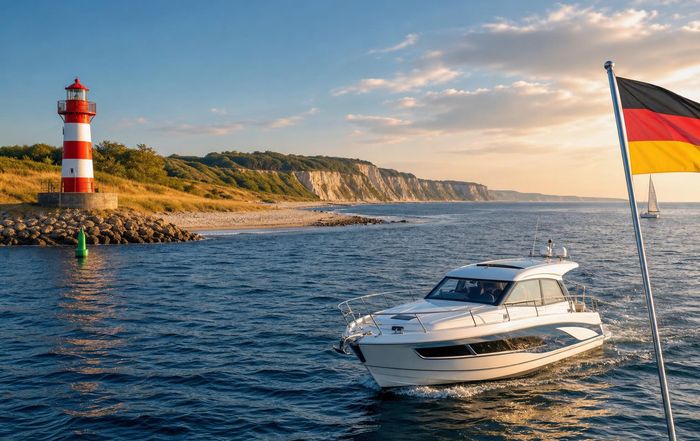
Best Coastal Cruising Routes in Germany: A Strategic Guide for Discerning Owners
Germany's coastline, stretching from the Dutch border in the west to Poland in the east, offers a surprisingly diverse and sophisticated cruising ground that has been gaining steady attention among experienced owners, charterers and industry professionals. For readers of yacht-review.com, who often evaluate destinations through the lenses of vessel capability, onboard lifestyle, design considerations and long-term value, the German North Sea and Baltic coasts present a compelling blend of well-regulated maritime infrastructure, rich cultural heritage and increasingly sustainable marine practices.
This article explores the most attractive coastal cruising routes in Germany, highlighting how each region aligns with different cruising styles and vessel profiles, while also examining regulatory, environmental and business aspects that matter to serious yacht owners and operators.
Why Germany Belongs on the European Cruising Shortlist
Germany is not usually the first name that comes to mind when discussing classic Mediterranean-style yachting, yet its coastal waters have long been a mainstay for Northern European sailors and motor yacht owners. The country offers a dense network of marinas, professionally managed harbours and well-marked fairways, supported by high-quality hydrographic services from the German Federal Maritime and Hydrographic Agency (BSH), which publishes detailed charts and navigational information for both the North Sea and Baltic Sea coasts. Those seeking official navigational guidance can consult current materials via the BSH's English-language portal.
For owners considering seasonal repositioning, Germany's location between the North Atlantic and the Baltic provides strategic flexibility. Yachts can move from the Netherlands and the United Kingdom into the German Bight, then continue to Denmark, Sweden, Poland or the Baltic states, creating multi-country itineraries without long ocean passages. The Kiel Canal, one of the world's busiest artificial waterways, further enhances this flexibility by allowing vessels to bypass the often challenging conditions of the Jutland peninsula and enter the Baltic quickly and efficiently.
From a lifestyle perspective, Germany's coastal regions offer a different type of luxury compared with more crowded southern European hotspots. The appeal lies in understated quality: well-run marinas, strong safety culture, excellent shoreside services and access to historic Hanseatic cities, UNESCO-listed sites and unspoiled national parks. For readers interested in how these destinations compare with other cruising grounds, the broader context of European itineraries is discussed regularly in our own cruising insights.
North Sea Coast: From East Frisian Islands to the Elbe
The German North Sea coast is characterized by tidal waters, extensive mudflats and the dynamic ecosystem of the Wadden Sea, a UNESCO World Heritage Site shared with the Netherlands and Denmark. Cruising here is shaped by tide tables, precise passage planning and respect for nature conservation rules, which are strictly enforced but generally well signposted and clearly explained in official harbour publications and local notices to mariners.
East Frisian Islands: Norderney, Borkum and Beyond
The East Frisian Islands, including Norderney, Borkum, Juist and Langeoog, are a traditional playground for German sailors. Norderney, with its well-developed marina and spa town atmosphere, is often cited by regional cruising guides as a practical base for exploring the surrounding Wadden Sea, provided skippers understand the tidal windows and shifting channels. Information on protected areas, access restrictions and anchoring rules can be found through the Common Wadden Sea Secretariat, which offers multilingual resources for visitors; interested readers can learn more about the Wadden Sea World Heritage region.
For business-minded owners and charter operators, the East Frisian region demonstrates how tourism, environmental protection and local maritime economies can coexist. Municipalities and regional tourism boards have invested in marina upgrades, shore power infrastructure and coastal protection works, supporting a shoulder-season cruising model rather than relying solely on peak summer months. This model aligns well with the growing emphasis on sustainable marine tourism covered in our dedicated sustainability features.
From a technical standpoint, the shallow approaches and strong tidal currents in parts of the Wadden Sea make this area better suited to skippers and crews with solid local knowledge or professional pilotage support, especially for deeper-draft motor yachts. Many owners treat the East Frisian Islands as a specialist segment of their German itinerary, combining a short North Sea visit with a transit to the Baltic via the Kiel Canal.
Cuxhaven and the Elbe Approach
Cuxhaven, situated at the mouth of the Elbe River, is a key hub for vessels moving between the North Sea and the Kiel Canal. The port offers several marinas and yacht harbours, and it is frequently mentioned in German cruising literature as a logical stopover for weather and tide planning before entering the Elbe or heading west along the coast. The Elbe fairway itself is a major commercial shipping route to Hamburg, requiring careful traffic awareness and adherence to traffic separation schemes and local regulations published by the Wasserstraßen- und Schifffahrtsverwaltung des Bundes (WSV), the federal waterways authority.
For yacht owners with an interest in maritime history and port development, Hamburg's waterfront transformation, including the Elbphilharmonie concert hall and redeveloped HafenCity district, illustrates how former industrial port zones can evolve into high-end urban waterfronts. Background on this transformation is available from Hamburg's official tourism site, where visitors can explore the city's maritime attractions. Those who prefer quieter berths often choose marinas further downriver or remain in Cuxhaven, using high-speed rail connections for day trips into the city.
Kiel Canal: The Strategic Shortcut
The Kiel Canal (Nord-Ostsee-Kanal) is not a coastal cruising route in the traditional scenic sense, yet it is central to Germany's yachting geography. Stretching roughly 98 kilometres between Brunsbüttel on the North Sea side and Kiel-Holtenau on the Baltic side, it is one of the most heavily trafficked artificial waterways in the world, accommodating commercial ships, inland vessels and recreational craft under a clear set of regulations and fee structures. Official information on canal rules, operating times and traffic management is published by the WSV and can be accessed in English via the federal waterways information portal.
For yacht owners, the canal offers predictable transit times and sheltered waters, an attractive proposition compared with rounding Denmark via Skagerrak and Kattegat, where weather patterns can be more volatile. Passage planning must account for lock schedules, speed restrictions and communications with traffic control, but the overall experience is straightforward and efficiently managed, reflecting Germany's reputation for well-organized infrastructure. Many owners use the canal not only as a shortcut but also as a logistical backbone for repositioning vessels between North Sea charter bases and Baltic cruising grounds.
The canal's role in European maritime logistics has been the subject of ongoing investment and modernization, including lock upgrades and bank reinforcement projects, which are documented in public infrastructure reports and parliamentary briefings. From a business perspective, this sustained investment enhances the long-term reliability of German cruising routes and supports the broader network of marinas, refit yards and service providers that depend on predictable vessel movements, themes regularly explored in our business-focused coverage.
Baltic Coast: Schleswig-Holstein's Fjords and Islands
On emerging from the Kiel Canal into the Baltic, yachts encounter a very different cruising environment. The Baltic Sea is tideless in practical terms, with only minor water level variations influenced by wind and pressure, and is known for relatively sheltered waters compared with the open North Sea. Germany's Baltic coast, particularly in Schleswig-Holstein, is dotted with natural harbours, fjord-like inlets and island groups that have become classic summer destinations for Northern European cruisers.
Kiel Bay and the Schlei Fjord
Kiel, capital of Schleswig-Holstein, is a major sailing city, home to Kiel Week (Kieler Woche), one of the world's largest annual sailing events. The regatta and maritime festival attract thousands of sailors and visitors, and the event's official site provides up-to-date information on race programs and port activities for those who wish to follow or participate in Kiel Week. For yacht owners, Kiel offers extensive marina capacity, specialist yards and rigging services, and convenient access to both the canal and open Baltic, making it a preferred base for seasonal berthing.
North of Kiel, the Schlei, a narrow, fjord-like inlet stretching inland to the town of Kappeln and the historic city of Schleswig, is often highlighted in German cruising guides as one of the country's most atmospheric inner waterways. The Schlei's sheltered waters, charming villages and well-run marinas make it particularly suitable for family cruising and relaxed itineraries, while still offering good access to the open Baltic for day sails or short passages. Many owners appreciate the combination of scenic anchorages and high-quality shoreside infrastructure, including restaurants, chandlers and repair facilities.
Flensburg Fjord and the Danish Border
Further north, the Flensburg Fjord forms part of the maritime border between Germany and Denmark. The city of Flensburg has a strong maritime heritage, with traditional shipyards, classic wooden yachts and a well-preserved historic harbour. The region is a gateway to the Danish South Sea islands and is frequently used as a starting point for cross-border cruising itineraries that link German and Danish ports in a single voyage.
The fjord's geography, with a mix of sheltered coves and open stretches, makes it suitable for a wide range of vessel types, from performance sailing yachts to comfortable displacement motor yachts. The area's marina network is dense, and many facilities have adopted modern environmental standards, including waste management systems and, in some cases, shore power and charging infrastructure for electric and hybrid vessels. Readers interested in the wider technological shifts affecting yacht propulsion and marina design can refer to our technology-focused reporting, where developments in hybrid systems and shore infrastructure are tracked in detail.
Baltic Coast: Mecklenburg-Vorpommern, Rügen and Usedom
East of Schleswig-Holstein, the Baltic coastline of Mecklenburg-Vorpommern offers some of Germany's most iconic seaside scenery, with long sandy beaches, historic resort architecture and the dramatic chalk cliffs of Rügen. This region has undergone significant tourism development since German reunification, with substantial investment in marinas, promenades and coastal protection, turning former working ports and fishing villages into well-equipped yachting destinations.
Rügen: Chalk Cliffs and Marinas
Rügen, Germany's largest island, is renowned for its white chalk cliffs in the Jasmund National Park, which inspired painters such as Caspar David Friedrich and continue to be a highlight for visitors arriving by sea. The island offers several marinas, including facilities in Sassnitz, Breege, Lauterbach and Seedorf, each with its own character and level of development. Official visitor information, including conservation guidelines for the national park, is available from the German National Tourist Board, which provides an overview of Rügen's attractions and can be accessed by those wishing to discover more about the island and its nature reserves.
For yacht owners, Rügen's appeal lies in its combination of scenic cruising, sheltered anchorages and well-developed shore infrastructure, including quality hotels, spas and restaurants. Routes around the island can be tailored to vessel draft and weather conditions, with options to remain in more protected inner waters or venture into the open Baltic for longer legs. The island's ports also serve as convenient waypoints for onward passages to Sweden, Poland or the Danish island of Bornholm, underlining the strategic positioning of Germany's Baltic coast within the wider regional cruising network.
Usedom and the Pomeranian Coast
Further east, the island of Usedom, shared between Germany and Poland, offers another attractive cruising area, with long sandy beaches, classic seaside resorts such as Ahlbeck and Heringsdorf, and access to the Peenestrom and Stettiner Haff (Szczecin Lagoon). While some parts of this region are relatively shallow and require careful navigation, particularly for deeper-draft motor yachts, there is a growing network of marinas and yacht harbours that cater to visiting vessels.
Cross-border cooperation in tourism and environmental management is an important feature of the Usedom region, with German and Polish authorities working together on coastal protection, water quality and sustainable tourism initiatives. The Helmholtz-Zentrum Hereon and other research institutions in the region publish studies on coastal dynamics, climate impacts and marine ecosystems in the Baltic, providing a scientific basis for policy decisions; those interested in the broader environmental context may review current coastal research from these organizations.
For owners planning longer itineraries, Usedom and the Pomeranian coast can serve as stepping stones toward Polish ports such as Świnoujście and Szczecin, expanding the cruising range into a multi-country Baltic program that combines German infrastructure with the developing marina networks of neighbouring states.
Design, Draft and Vessel Considerations for German Coastal Cruising
When assessing Germany's coastal routes, yacht owners and designers must consider the interplay between vessel characteristics and local conditions. The tidal flats and shifting channels of the Wadden Sea favour shallow-draft designs and robust ground tackle, while the largely tideless Baltic allows for greater flexibility in draft but still requires attention to local depth variations, especially in less developed harbours and near river mouths.
Sailing yachts with moderate draft and protected rudders tend to be particularly versatile in German waters, able to combine North Sea and Baltic itineraries with relative ease. Performance-oriented designs also find good conditions in the Baltic, where consistent summer breezes and limited swell provide enjoyable sailing without excessive motion. Motor yachts, especially those with planing hulls, benefit from the sheltered nature of the Baltic and the relatively short distances between marinas, making it possible to design itineraries that combine several high-quality ports in a single week.
From a design and refit perspective, many German marinas and shipyards have experience with both local and international builds, including high-end custom and semi-custom yachts. Owners exploring refit, interior modernization or technical upgrades while cruising in the region can draw on a mature ecosystem of naval architects, engineers and craftsmen. Readers interested in how these considerations shape vessel concepts and layouts can explore related topics in our design-focused coverage, where German and Northern European trends are frequently discussed.
Lifestyle, Culture and Shore Experiences
Beyond technical considerations, Germany's coastal routes offer a distinctive lifestyle proposition that resonates with owners seeking authenticity, culture and understated luxury. The Hanseatic heritage of cities such as Lübeck, Rostock and Stralsund is visible in brick Gothic architecture, historic warehouses and maritime museums, many of which are recognized as UNESCO World Heritage Sites or form part of broader cultural routes. The UNESCO World Heritage Centre provides an overview of several German sites along the Baltic, and those interested can explore the cultural significance of these historic cities.
Seaside resorts along the Baltic, from Timmendorfer Strand to Binz and Heringsdorf, combine traditional spa culture with contemporary hospitality, offering high-end hotels, wellness facilities and fine dining. This shore-based infrastructure, combined with well-equipped marinas, allows owners to alternate between nights onboard and curated onshore experiences, an increasingly popular approach among guests who appreciate variety and local immersion.
The culinary scene along Germany's coast has evolved considerably, with a growing number of restaurants emphasizing regional produce, sustainable seafood and modern interpretations of classic dishes. Wine from German regions such as the Mosel or Rheingau is widely available, and there is a strong craft beer culture, particularly in northern cities. For many yacht owners, these lifestyle elements are as important as the cruising itself, contributing to a holistic onboard and onshore experience that aligns with the broader themes explored in our lifestyle coverage.
Sustainability and Regulation: A Responsible Cruising Framework
Germany's approach to coastal management and maritime regulation is shaped by a strong environmental policy framework at both national and European Union levels. Marine protected areas, strict wastewater rules in certain inland and near-coastal waters, and detailed harbour regulations are part of this framework and are enforced with a combination of inspections, signage and public information campaigns. The European Environment Agency and Germany's Federal Environment Agency (UBA) publish regular assessments of marine water quality and ecosystem status, which can be consulted by those wishing to understand the environmental context of Baltic and North Sea waters.
For yacht owners, this regulatory environment means that planning and compliance are integral to cruising in Germany, but it also ensures that coastal ecosystems are protected and that water quality remains high, factors that contribute directly to long-term cruising appeal. Many marinas participate in environmental certification schemes such as the Blue Flag program, which sets standards for water quality, environmental management and safety. Information on certified beaches and marinas can be found on the Blue Flag international site, providing an additional layer of assurance for environmentally conscious owners.
Sustainability considerations also influence fuel choices, waste management and onboard energy systems. Hybrid propulsion, advanced wastewater treatment and shore power connections are increasingly relevant, and Germany's well-developed grid and environmental policy environment make it a natural test bed for such technologies. For readers keen to follow these developments across different markets, our ongoing coverage of sustainable solutions in yachting is available in the technology and sustainability sections of yacht-review.com.
Integrating Germany into a Wider Cruising Strategy
For many owners, the decision to cruise in Germany is part of a broader European strategy rather than an isolated choice. The country's North Sea and Baltic coasts can be integrated into multi-year or multi-season plans that include Scandinavia, the Netherlands, the United Kingdom and the western Baltic states. The Kiel Canal, in particular, enables efficient repositioning between Northern European charter bases and private cruising grounds, while the dense marina network along the Baltic coast supports flexible, weather-responsive route planning.
From a business and asset management perspective, Germany's combination of stable regulatory frameworks, high-quality infrastructure and strong service networks makes it an attractive base for both private and commercial yachts. Insurance providers and classification societies are familiar with the region, and many German ports offer good transport links, making crew changes, technical support and owner access straightforward. Readers interested in how destination choices intersect with ownership structures, charter strategies and operational planning will find further analysis in our global yachting business coverage.
For those considering Germany as a family-friendly cruising destination, the calm waters of the Baltic, the abundance of well-maintained beaches and the extensive network of cycling paths and nature trails along the coast create a multi-activity environment well suited to multi-generational cruising, an aspect we frequently highlight in our broader cruising reviews and reports.
Conclusion: Germany's Coast as a Confident, Understated Choice
The best coastal cruising routes in Germany, from the tidal drama of the Wadden Sea to the serene fjords of Schleswig-Holstein and the resort-lined shores of Mecklenburg-Vorpommern, offer a distinctive blend of reliability, cultural depth and natural beauty. For the discerning audience of yacht-review.com, these routes represent more than scenic passages; they are part of a mature, well-governed maritime landscape where infrastructure, regulation and sustainability intersect to support long-term, high-quality cruising.
Owners who value precise navigation, efficient logistics, strong shoreside services and authentic coastal communities will find Germany an increasingly attractive element in their European cruising portfolios. Whether approached as a focused seasonal destination or as a strategic link in a wider North European itinerary, the German coast rewards careful planning with a cruising experience that is both quietly sophisticated and deeply grounded in maritime tradition.
For further inspiration on how these routes compare with other global yachting destinations, and how they can be integrated into broader lifestyle and travel plans, readers are invited to explore more perspectives across yacht-review.com, including our in-depth features on boats and new builds, destination-focused travel coverage and the latest regional news from the yachting world.