

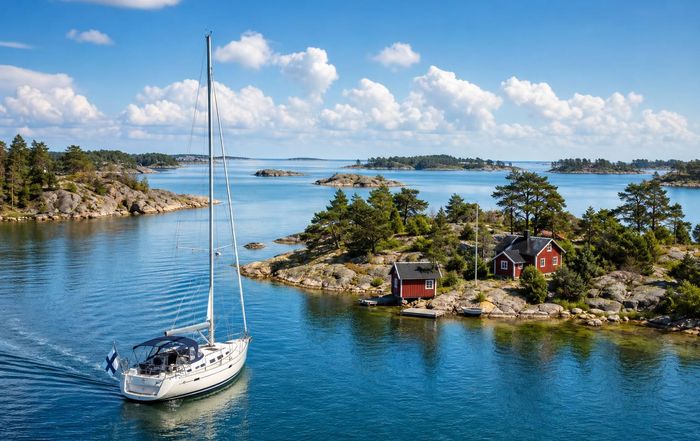
Finland Archipelago Cruising Guide: Where Quiet Luxury Meets Northern Adventure
Finland's vast archipelago, stretching from the sheltered waters off Helsinki to the outer skerries of Åland and the Gulf of Bothnia, offers one of Europe's most distinctive cruising grounds. For owners, captains and charter guests who value understated luxury, precise seamanship and authentic coastal culture, this region has moved steadily from insider secret to strategic destination, helped by better infrastructure, digital navigation tools and a growing ecosystem of premium services.
For yacht-review.com, the Finnish archipelago represents a compelling intersection of design, seamanship, lifestyle and sustainability, and it is increasingly relevant to readers planning Nordic itineraries that balance adventure with comfort.
The Scale and Character of the Finnish Archipelago
The Finnish coast is fringed by an estimated tens of thousands of islands and skerries, with numbers varying by definition but consistently placing Finland among the world's most island-rich nations. The largest and most autonomous island region is Åland, situated between mainland Finland and Sweden, which functions as a self-governing territory of Finland and a natural stepping stone for yachts arriving from Stockholm or the wider Baltic.
From a navigator's perspective, the coastline can be broadly divided into the eastern Gulf of Finland, the south coast from Helsinki to Turku, the Turku Archipelago and Åland, and the more open Gulf of Bothnia to the north. Each sub-region has its own cruising character. The eastern approaches near the Russian border are more exposed and less trafficked by international leisure craft, whereas the belt between Helsinki, Hanko and Turku is comparatively well charted, heavily buoyed and supported by a dense network of guest harbours and natural anchorages.
The Turku Archipelago and Åland together form the core of most international itineraries. Here, intricate channels, short hops between islands and sheltered anchorages allow skippers to plan flexible routes that can be adjusted daily to suit weather, guest preferences and operational needs. The region's scale and diversity mean that even in high summer, when domestic boating activity peaks, it remains possible to find quiet bays and near-private anchorages, especially for yachts able to operate safely in relatively shallow waters.
Readers planning routes or evaluating potential bases can complement this overview with the more vessel-specific perspectives available in our boats coverage and detailed cruising features.
Seasonality, Climate and the Cruising Window
The Finnish archipelago is a strongly seasonal destination. Ice conditions, daylight hours and local service availability combine to define a primary window for visiting yachts from late May through early September, with July generally offering the warmest water and air temperatures, as well as the most reliable provisioning and hospitality options in the smaller islands.
According to data from the Finnish Meteorological Institute, coastal water temperatures in the south typically reach the high teens Celsius in mid-summer, with air temperatures frequently in the low to mid-20s on settled days, although brisk winds and sudden weather changes remain common in the Baltic. The phenomenon of very long daylight, especially around the June solstice, fundamentally shapes the cruising experience. Extended evening light not only enhances safety and situational awareness but also allows for a more relaxed daily rhythm, where mid-day shoreside excursions can comfortably be followed by late-afternoon passages and unhurried anchoring.
Shoulder-season cruising in late May and September appeals to experienced owners and captains who value solitude and cooler conditions, but it requires more meticulous planning. Some guest harbours and island restaurants operate on reduced hours or close entirely outside the peak period, and nights can be significantly colder. For yachts with strong heating and good weather routing support, however, these months can deliver some of the most memorable, low-traffic voyages, with crisp visibility and fewer local craft in narrow channels.
For strategic planning and business decisions relating to vessel deployment or charter scheduling in northern waters, operators may find it useful to review broader regional patterns and market insights in our global yachting business section.
Routes and Key Cruising Areas
Most international yachts approach the Finnish archipelago from Sweden, Estonia or directly from other Baltic states and Germany. The choice of entry point depends on vessel size, draft, onboard schedule and guest preferences.
Helsinki serves as a cosmopolitan gateway with full-service marinas, cultural attractions and strong air links. From here, yachts can either head east toward the more austere outer islands of the Gulf of Finland or, more commonly, turn west toward Hanko and Turku. The route via Hanko, Finland's southernmost town, is particularly valued for its attractive sandy shores and well-established yachting culture; the local marina facilities and coastal villas have long been associated with the country's summer elite, and the town offers a convenient stopover between the more urban environment of Helsinki and the intricate island world beyond.
The Turku Archipelago itself is a labyrinth of islands linked by bridges, ferries and marked channels, forming a cruising region where daily passages can be kept short without sacrificing variety. Many captains recommend a combination of guest harbours and natural anchorages, using the former for provisioning, shore power and formal dinners ashore, and the latter for quiet nights under the pines and easy access to walking trails. The City of Turku maintains information in English on local guest harbours and services, which can be a useful starting point for itinerary refinement.
West of Turku, the route to Åland is both scenically rewarding and operationally straightforward for well-prepared crews, provided that official fairways are followed and charts are kept current. Åland's main town, Mariehamn, offers modern marinas, repair services and a compact but sophisticated hospitality scene, making it a logical hub for crew changes or mid-cruise layovers. The region's status as a duty-free area for certain goods within the EU adds a modest commercial dimension for operators managing complex provisioning or logistics chains, although all regulatory details should be verified against the latest guidance from customs and maritime authorities.
North of Åland, the Gulf of Bothnia remains less frequented by international yachts but is gaining attention among owners seeking more exploratory itineraries. Ports such as Vaasa and Oulu offer a different, more industrial and maritime-heritage-oriented atmosphere than the southern archipelago, and the waters can be more exposed. For vessels and crews already committed to a Baltic season, however, this northern extension can add a meaningful sense of range and discovery.
Those interested in more granular harbour-by-harbour impressions, including facilities and service levels, can refer to our evolving portfolio of yacht reviews, which increasingly covers northern European destinations.
Seamanship, Navigation and Safety in a Granite Maze
From a professional seamanship standpoint, the Finnish archipelago is both highly structured and inherently demanding. The region benefits from detailed hydrographic surveys, extensive buoyage and well-established traffic separation schemes in busier approaches. At the same time, the density of rocks and shoals, often rising steeply from relatively deep water, leaves little margin for complacency, particularly for deeper-draft superyachts.
The Finnish Transport and Communications Agency (Traficom) and the Finnish Transport Infrastructure Agency provide official information on fairways, aids to navigation and maritime safety, and their notices to mariners are crucial for up-to-date passage planning. Modern electronic charts, including those from leading commercial providers, are widely used, but local pilots and experienced Nordic captains consistently emphasise the importance of cross-checking with official paper charts and maintaining conservative safety margins.
Visual navigation plays an unusually significant role in these waters. Lateral marks, cardinal buoys and sector lights form a coherent system, but many of the most rewarding small-boat routes involve narrow, twisting fairways where careful attention to ranges, transits and local landmarks is indispensable. While larger vessels will typically remain within the main fairways, tenders and chase boats can explore more intimate channels, allowing guests to experience the full character of the islands without exposing the mothership to unnecessary risk.
Weather routing deserves particular attention. The Baltic is known for rapid shifts in wind direction and strength, and although large ocean swells are absent, steep, uncomfortable seas can build quickly in open stretches. Detailed short-term forecasts from Nordic meteorological services, combined with onboard systems and professional routing support, are essential tools for ensuring that guests experience the region at its best. For readers interested in the technical evolution of navigation, routing and onboard systems that support this kind of precision cruising, our technology coverage provides additional context.
Infrastructure, Marinas and Guest Harbours
The Finnish coast is home to a dense network of guest harbours, many of them modest in scale but well maintained and often family run. These facilities typically provide berths, basic shore power, water, showers and small cafés or restaurants, with some also offering saunas, laundry and fuel. Larger marinas in Helsinki, Hanko, Turku and Mariehamn cater more directly to international yachts, with better-developed repair capabilities, chandlery services and multilingual staff.
Information published by Visit Finland and regional tourism boards highlights the growing emphasis on quality and sustainability in coastal hospitality, with many island entrepreneurs upgrading facilities to attract longer-staying guests. For superyachts, berth availability and depth must be checked carefully in advance, and in some cases anchoring outside the harbour and using tenders for shore access remains the most practical solution. The relatively low density of very large yachts in the region can be an advantage in terms of privacy and berth competition, but it also means that not every port is accustomed to the specific requirements of vessels above a certain size.
Crew logistics are generally straightforward in Helsinki and Turku, thanks to good flight connections and hotel infrastructure, while Åland and some regional hubs also offer adequate options for crew rest and rotation. Owners and managers planning extended Baltic deployments can integrate these ports into broader crew-change strategies that also involve Stockholm, Tallinn and German or Polish ports, creating flexible patterns that respond to charter demand and vessel maintenance needs.
For an overview of how these infrastructural developments fit into broader northern European cruising trends, readers may wish to explore our Baltic-related pieces in the news section and our wider global destination coverage.
Culture, Lifestyle and the Finnish Coastal Experience
Beyond its navigational fascination, the Finnish archipelago offers a distinctive lifestyle experience that contrasts with the more overt glamour of Mediterranean hotspots. The aesthetic is one of understated comfort, clean lines and close connection to nature, elements that resonate strongly with contemporary notions of quiet luxury and wellness.
Traditional wooden houses painted in deep reds and soft yellows, small village harbours, and simple but high-quality island restaurants serving local fish and seasonal ingredients together create an atmosphere that many visitors find both calming and sophisticated. The sauna, almost inseparable from Finnish culture, is central to this experience. Many guest harbours and private islands feature wood-fired or electric saunas, often with direct access to the sea, and integrating sauna sessions into the daily rhythm of a cruise has become a signature element of high-end itineraries in the region.
Design, both in architecture and in everyday objects, plays a visible role along the coast. Finland's reputation for functional, human-centred design, associated with names such as Alvar Aalto and brands like Marimekko and Iittala, is reflected in the way many island properties and hospitality venues balance modern comfort with respect for the landscape. Visitors interested in this dimension can find additional background on Nordic design culture through institutions such as the Design Museum Helsinki, which provides an accessible introduction to the country's design heritage.
For families, the archipelago offers a safe and engaging environment, with sheltered bays for swimming, easy shore excursions, nature trails and small cultural attractions such as maritime museums and lighthouses. This aligns well with the preferences of multi-generational cruising parties seeking destinations that combine relaxation, soft adventure and educational value. Our lifestyle coverage and family-focused features provide further insight into how owners and charterers are integrating Nordic destinations into their broader yachting lives.
Sustainability, Nature and Protected Areas
Finland's archipelago is not only a cruising ground but also a sensitive marine and coastal ecosystem. The Baltic Sea is a semi-enclosed, low-salinity body of water that is particularly vulnerable to eutrophication, pollution and habitat degradation. In response, Finnish authorities, NGOs and local communities have intensified conservation efforts, which in turn shape how responsible yachting is practised in the region.
The Archipelago Sea National Park, established in the early 1980s, encompasses large areas of the Turku Archipelago, combining strict nature reserves with zones where traditional livelihoods and sustainable tourism are encouraged. Regulations in and around the park govern activities such as anchoring, waste disposal and access to certain islands during bird nesting seasons. Yachts operating in these waters are expected to comply with all local rules, and many owners and captains actively seek to exceed minimum standards by adopting best practices in greywater management, fuel use and shore-power connection.
Environmental organisations, including the John Nurminen Foundation and the Baltic Sea Action Group, work to reduce nutrient loading and promote sustainable maritime practices across the region. Their research and advocacy have contributed to a broader awareness among Nordic boaters of the need to minimise environmental impact, and this ethos is increasingly reflected in the expectations placed on visiting yachts. Operators looking to align their practices with these expectations can benefit from broader perspectives on sustainable operations, and may find it valuable to explore resources that learn more about sustainable business practices through reputable international organisations and maritime industry groups.
Electric and hybrid propulsion, shore-power use with verified green energy sources, advanced waste-water treatment systems and careful itinerary planning to limit unnecessary repositioning are among the measures that forward-thinking yacht owners are already implementing. For a more in-depth examination of sustainability trends and technologies in yachting, our dedicated sustainability section and technology coverage provide ongoing analysis and case studies.
Regulatory Considerations and Practical Formalities
From a regulatory standpoint, Finland is a member of the European Union and part of the Schengen Area, which simplifies movements for many yacht crews and guests but still requires careful compliance with immigration, customs and maritime safety rules. Non-EU flagged vessels and non-Schengen nationals must ensure that entry, exit and stay are managed in line with current regulations, and that all formalities are coordinated with Finnish border and customs authorities.
The Finnish Border Guard and Customs provide up-to-date guidance on arrival procedures, reporting requirements and any special measures in force, including those related to security or public health. In practice, many captains engage local agents in Helsinki, Turku or Mariehamn to streamline these processes, particularly when itineraries involve multi-country Baltic cruises that include Sweden, Estonia, Latvia, Lithuania, Poland or Germany.
Safety equipment requirements, crew certification and commercial charter regulations follow EU and international frameworks but can have local nuances, especially for commercial operations. Charter activity in Finland remains relatively modest compared with Mediterranean hubs, but there is a gradual increase in interest, particularly among clients seeking bespoke, experience-driven voyages. Owners considering chartering their vessels in the region should consult both Finnish authorities and experienced maritime law firms familiar with Nordic jurisdictions to ensure full compliance.
Our readers who follow regulatory and market developments across multiple cruising regions can find broader context in the business section and in destination-specific features within our travel coverage.
Integrating Finland into a Wider Baltic Itinerary
For many yachts, Finland is one component of a larger Baltic season rather than a stand-alone destination. The sea's compact geography allows for itineraries that link Helsinki, Turku and Åland with Stockholm's archipelago, the medieval city of Tallinn, the Hanseatic heritage of Riga, and ports in Poland and Germany. This multi-country approach maximises the value of repositioning voyages and offers guests a rich cultural and historical narrative that contrasts sharply with more homogeneous cruising regions.
Finland's role within such itineraries is often that of the quiet, nature-immersive chapter, providing a counterpoint to the urban experiences of Stockholm or Tallinn. The country's strong reputation for safety, infrastructure and governance, documented by international organisations tracking stability and quality of life, reinforces its appeal to owners who prioritise predictability and risk management alongside adventure.
As yacht-review.com continues to expand its coverage of northern and eastern European destinations, the Finnish archipelago stands out as a case study in how a relatively low-profile region can evolve into a high-value cruising ground by combining natural assets with thoughtful infrastructure development and a clear commitment to environmental stewardship. Readers interested in the historical evolution of Baltic trade routes, coastal communities and maritime culture will find additional context in our history features, which shed light on the deeper currents shaping today's cruising landscapes.
Looking Ahead: Finland as a Model for Future Cruising Grounds
The Finnish archipelago illustrates a broader trend in premium yachting toward destinations that offer authenticity, environmental responsibility and a sense of discovery rather than purely conspicuous display. Its intricate waterways reward precise navigation and good seamanship, its modest but high-quality infrastructure supports both private and charter operations, and its cultural and natural assets align closely with evolving guest expectations around wellness, nature connection and meaningful travel.
As climate change and regulatory pressures reshape traditional cruising patterns, particularly in more crowded and heat-stressed regions, northern destinations like Finland are likely to attract increasing interest from owners and operators seeking to diversify their seasonal strategies. This shift will require continued investment in infrastructure, careful management of environmental impacts and ongoing dialogue between local communities, authorities and the international yachting sector.
For yacht-review.com, the Finnish archipelago is more than a picturesque backdrop; it is a living laboratory for the future of thoughtful, experience-driven cruising. By combining rigorous seamanship, design-led comfort, cultural depth and a strong sustainability ethos, it offers a template that other emerging cruising grounds may look to in the years ahead.
Readers planning their own exploration of these waters, whether as owners, charter guests or industry professionals, will find that the archipelago rewards preparation, patience and curiosity. With the right charts, the right team and a willingness to embrace its quiet rhythms, Finland's island world can deliver some of the most memorable and transformative voyages available in contemporary yachting.
For further inspiration, route ideas and vessel-specific insights, explore our broader coverage on cruising, boats, travel, global destinations and our main editorial hub at yacht-review.com.