

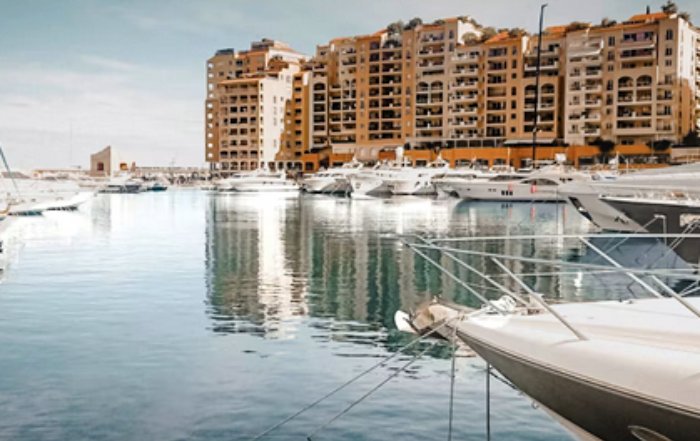
The French Riviera Ports and Anchorages: Strategic Intelligence for the Modern Yachting Client
From Iconic Playground to Strategic Operating Theatre
In 2026, the French Riviera stands not only as one of the most recognizable luxury coastlines in the world, but also as one of the most sophisticated and strategically significant operating theatres in modern yachting. For the international readership of yacht-review.com, spanning the United States, the United Kingdom, Germany, Canada, Australia, France, Italy, Spain, the Netherlands, Switzerland, China, Singapore and well beyond, the Côte d'Azur has evolved from a glamorous postcard image into a complex, data-rich environment where design choices, technical specifications, operational discipline and sustainability strategies are stress-tested in real time.
Stretching from Marseille to Menton, this coastline concentrates a dense network of marinas, anchorages, refit yards and specialist service providers that together form a mature yet constantly evolving ecosystem. It is here that owners compare concepts across a spectrum of boats and superyachts, charterers refine experiential itineraries, and shipyards validate whether new builds genuinely meet the expectations of a global clientele. On yacht-review.com, in-depth reviews of key yachts and projects increasingly treat the French Riviera as a reference environment, where vessel performance, comfort, crew workflow and guest experience can be evaluated against some of the most demanding standards in the market.
The traditional pillars of Riviera appeal-climate, scenery, accessibility and cultural prestige-remain powerful, but they are now overlaid with new dynamics. Environmental regulation has tightened, digital port management has become the norm, security and privacy expectations have escalated, and client behaviour has shifted toward immersive, purpose-driven travel. For owners, captains and investors in North America, Europe, Asia, Africa and South America, the Riviera in 2026 is therefore not just a seasonal destination; it is a strategic testbed that shapes decisions on yacht acquisition, refit planning, charter positioning and long-term asset deployment across the wider Mediterranean and beyond.
Port Infrastructure and Berthing Strategy: A Competitive, Data-Driven Network
The port infrastructure of the French Riviera is characterized by an unusual density and diversity of facilities, each with its own profile in terms of capacity, technical capability, pricing and brand positioning. Choosing a homeport or a sequence of berths in this environment is no longer a purely logistical exercise; it is a strategic decision that influences charter yields, guest experience, crew retention, operational resilience and even resale value.
Major hubs such as Port Hercule de Monaco, Port Vauban Antibes, Vieux Port de Cannes, Port Canto, Port de Saint-Tropez, and the ports of Nice, Villefranche-sur-Mer and Marseille operate in a finely balanced ecosystem. Some specialize in very large superyachts and high-profile events, others in refit and technical services, and others still in quieter, family-oriented cruising profiles. Over the past few years, these ports have accelerated investment in digital berth management, high-capacity shore power, enhanced perimeter security and integrated access control, aligning themselves with evolving European maritime and environmental frameworks. Those wishing to understand the broader regulatory context can explore the European Commission's transport and maritime policy resources, which increasingly shape infrastructure funding and environmental standards across the region.
For owners based in the United States, the Middle East or Asia, a long-term berth on the Riviera often functions as a strategic European base, providing efficient access not only to the Western Mediterranean but also to nearby aviation, finance and technology centres in Monaco, Nice, Cannes and Marseille. Within yacht-review.com's business-focused coverage, this is reflected in analyses of charter rate optimization, integrated aviation-yachting logistics, and the use of yachts as mobile platforms for corporate hospitality and brand engagement.
Port operations themselves have become far more data-driven. Reservation systems are integrated with AIS tracking, real-time occupancy dashboards and predictive analytics based on event calendars and seasonal patterns. Captains routinely combine local knowledge with external resources such as Météo-France, NOAA and other meteorological agencies to refine arrival windows, fuel planning and contingency routing. International readers can complement local information with the NOAA Marine Weather portal, particularly when transatlantic repositioning or complex multi-country itineraries are involved. In parallel, the editorial team at yacht-review.com continues to expand its cruising features, providing applied guidance on seasonal routing, port selection and risk management tailored to owners and captains operating in this high-density environment.
Signature Ports: Monaco, Antibes, Cannes and Saint-Tropez as Strategic Anchors
Among the many harbours along the Côte d'Azur, several ports retain an outsized influence on how global owners and charterers imagine and structure their Riviera itineraries. In 2026, these signature hubs are more than iconic postcards; they are strategic anchors around which entire seasons are planned.
Monaco's Port Hercule remains the symbolic epicentre of high-end yachting in the region. Deep-water berths accommodate the largest superyachts, while the port's immediate proximity to financial institutions, luxury retail, fine dining and entertainment makes it uniquely attractive for owners with integrated business and leisure agendas. The connection with the Yacht Club de Monaco and the principality's innovation initiatives in sustainable mobility, ocean science and fintech reinforces Monaco's role as a laboratory for future-oriented yachting concepts. For readers following yacht-review.com's technology coverage, Monaco regularly appears as the launch platform for hybrid propulsion systems, digital fleet management platforms and advanced hull and energy concepts that are subsequently deployed worldwide.
To the west, Port Vauban Antibes remains one of the Mediterranean's largest marinas and a cornerstone of the region's yacht support infrastructure. With its extensive berthing capacity, including the famous "Quai des Milliardaires," and its close integration with refit yards, crew agencies, training centres and technical service providers, Antibes functions as a year-round operational base for many large yachts. Its proximity to Nice Côte d'Azur Airport, with direct connections to major hubs in North America, Europe, Asia and the Middle East, is a critical factor for owners and charter guests who expect rapid, seamless transfers between jet and yacht.
Cannes, structured around the Vieux Port and Port Canto, offers a dual identity that is particularly relevant to charter-oriented vessels. During the Cannes Film Festival, Cannes Lions and a growing roster of international trade shows, berths in Cannes become premium assets, enabling yachts to serve as floating venues for brand activations, media events and private hospitality. This convergence of film, media, luxury and maritime culture is closely followed within yacht-review.com's events coverage, where Cannes frequently appears as a case study in how ports can leverage cultural capital and event infrastructure to drive yachting demand and justify higher berth premiums.
Further along the coast, Saint-Tropez continues to exert a disproportionate emotional pull on owners and guests from Europe, North America, the Middle East and Asia. Its compact, historic harbour, iconic quayside cafes and proximity to renowned beach clubs and sheltered anchorages in the Golfe de Saint-Tropez create a setting where visibility and intimacy coexist. Securing a berth on the old harbour's quay still carries symbolic weight, signalling both the yacht's status and the owner's connection to the Riviera's cultural mythology. For many repeat visitors from the United States, the United Kingdom, Germany, Italy and Scandinavia, Saint-Tropez is less a port of call than a seasonal ritual integrated into broader lifestyle and business calendars.
Anchorages and Coastal Cruising: Managing Privacy, Protection and Compliance
While Riviera ports provide essential infrastructure and social visibility, the most memorable moments for many guests occur at anchor, where proximity to the sea, privacy and natural beauty combine in ways that marinas cannot fully replicate. However, by 2026, the anchorages of the French Riviera have become significantly more regulated and technically demanding, requiring captains to balance guest expectations with environmental protection and safety.
The waters around off Cannes, including Île Sainte-Marguerite and Île Saint-Honorat, remain prime examples of anchorages that deliver seclusion within minutes of a major event hub. Guests can move in a single afternoon from a film screening or business meeting in Cannes to quiet swimming, paddleboarding and tender excursions in clear, sheltered waters. Yet, the increased enforcement of anchoring restrictions over sensitive seagrass meadows, particularly Posidonia oceanica, has changed anchoring practices considerably. Updated charts, electronic navigation systems, local notices to mariners and dedicated mooring fields are now integral to planning. Scientific insights from institutions such as Ifremer and international organizations like the UN Environment Programme underpin many of these restrictions; stakeholders seeking broader context can learn more about sustainable coastal management, which is increasingly reflected in local maritime regulations.
Family-focused itineraries, a recurring theme in yacht-review.com's family-oriented features, often favour anchorages with gentle beaches, protected coves and straightforward tender access, such as the Baie de Villefranche, the bays around Cap Ferrat and Cap d'Antibes, and selected areas of the Estérel coastline. These locations lend themselves to watersports, snorkeling and informal education about marine ecosystems, appealing particularly to owners from Germany, Switzerland, the Nordics, Canada, Australia and New Zealand, where environmental literacy is often a core family value.
As average yacht size continues to grow, spatial pressures in popular anchorages have become more acute. Local authorities have responded with stricter rules on minimum distances from shore, maximum anchoring depths, time limits and, in some cases, the recommended or required use of dynamic positioning systems instead of traditional anchoring. Captains increasingly align their procedures with guidance from the International Maritime Organization, integrating international safety and environmental standards with local regulations. Those seeking a structured overview of the global regulatory framework can consult the IMO's official resources, which inform many of the policies now enforced by Mediterranean coastal states.
Technology, Design and Service Innovation: The Riviera as a Live Demonstration Platform
The French Riviera has long served as a global showcase for yacht design and technology, but by 2026 this role has intensified, as ports and anchorages host a growing fleet of hybrid, electric and alternative-fuel vessels alongside yachts optimized for wellness, connectivity and low-impact operations. For the editorial team at yacht-review.com, the region functions as a live demonstration platform where the latest concepts in yacht design and innovation can be observed in operational conditions, assessed against owner feedback and benchmarked for long-term viability.
Key ports such as Monaco, Nice and Antibes have invested heavily in shore power infrastructure capable of supporting large yachts, enabling significant reductions in local emissions and noise when vessels are alongside. Pilot projects exploring hydrogen-ready facilities, advanced energy management systems and AI-assisted berth allocation are underway or in planning, often in collaboration with technology firms and environmental organizations. Industry bodies such as The Superyacht Life Foundation and Water Revolution Foundation are increasingly influential in shaping these initiatives, encouraging owners, shipyards and marinas to learn more about sustainable business practices and to adopt tools that quantify and reduce operational footprints.
Onboard, the yachts frequenting Riviera ports in 2026 typically feature advanced hull forms designed for efficiency and comfort, lightweight composite materials, sophisticated noise and vibration mitigation, and an expanding suite of wellness-focused amenities. Dedicated spa decks, gym spaces with sea views, air and water purification systems and integrated digital health platforms are now common on new builds and major refits. For owners from markets such as the United States, China, the United Kingdom, Singapore, Brazil and South Korea, the Riviera's concentration of leading designers, naval architects and interior specialists provides a uniquely efficient environment for comparing philosophies, testing equipment and commissioning bespoke solutions.
The service layer has also undergone a digital transformation. Yacht agents, charter managers and concierge providers now rely on integrated digital platforms to coordinate port reservations, provisioning, logistics, compliance documentation and guest programming, reducing friction and enabling more agile itinerary changes. This interplay between digital tools, human expertise and traditional seamanship is a recurring theme in yacht-review.com's news and technology reporting, where the Riviera is often used as a benchmark for how innovation is reshaping operational standards across the global fleet.
Sustainability, Regulation and Strategic Adaptation
By 2026, sustainability has shifted from a reputational add-on to a central determinant of policy, investment and competitive positioning along the French Riviera. Municipalities, port authorities and tourism boards increasingly recognize that their long-term attractiveness to high-value visitors depends on their ability to protect marine ecosystems, reduce emissions, manage congestion and foster positive relationships with local communities.
Anchoring bans over seagrass meadows, speed limits in sensitive zones, strict waste management rules, incentives for hybrid or electric propulsion and differentiated port fees based on environmental performance have become standard features of the operating environment. These measures are supported by European Union directives, French national legislation and international frameworks such as the Paris Agreement, which provide a policy backdrop familiar to corporate decision-makers in other sectors. Those seeking to understand the broader climate governance landscape influencing maritime policy can refer to the UNFCCC's official site, where the intersection of transport, tourism and climate commitments is increasingly visible.
For yacht-review.com, sustainability is addressed as a multidimensional challenge that touches design, engineering, operations, finance and client expectations. The French Riviera is frequently used as a focal point within the platform's sustainability coverage, illustrating both the constraints and opportunities that arise when a mature yachting destination embraces more stringent environmental standards. Case studies include the integration of hybrid propulsion in new builds, the retrofitting of older yachts with energy-efficient systems, the deployment of advanced wastewater treatment technologies and collaborations between marinas, NGOs and research institutions to support marine conservation and citizen science.
Regulation is also reshaping seasonality. Concerns about overtourism in July and August, combined with climate-related heatwaves, have accelerated interest in shoulder-season cruising in late spring and early autumn, when conditions are more temperate and ports and anchorages less congested. This trend resonates strongly with experienced owners from Northern Europe, North America and parts of Asia who prefer quieter, more immersive experiences. Reflecting this shift, yacht-review.com increasingly highlights alternative itineraries and timing strategies in its global cruising and travel features, encouraging readers to view the Riviera not as a two-month peak-season destination but as a longer, more nuanced operating window.
Lifestyle, Community and the Human Dimension
Beyond infrastructure and regulation, the enduring strength of the French Riviera lies in its ability to deliver a multi-layered lifestyle experience that resonates across generations and cultures. Ports and anchorages are gateways not only to beaches and nightlife, but also to gastronomy, art, history, sports, wellness and education, allowing owners and guests to design itineraries that reflect their individual priorities and values.
For family-oriented owners from the United States, the United Kingdom, Germany, Italy, Spain, Switzerland, the Netherlands and further afield, the Riviera offers a rare combination of child-friendly beaches, high-quality healthcare, international schooling options and accessible cultural experiences. Towns such as Antibes, Villefranche-sur-Mer and Menton provide a gentler rhythm than Monaco or Saint-Tropez while still offering sophisticated dining and cultural programming, making them attractive bases for extended stays. These nuances are explored in yacht-review.com's dedicated lifestyle section, where the yacht is treated as part of a broader portfolio of homes, travel patterns and educational choices rather than an isolated asset.
The Riviera is also a central meeting point for the professional yachting community. Captains, crew, surveyors, designers, brokers, maritime lawyers, insurers and technical specialists use the region's ports, yacht shows and regattas as hubs for networking, recruitment, training and collaboration. For readers following yacht-review.com's community-oriented coverage, the Côte d'Azur is portrayed as a living ecosystem in which careers are built, innovations are piloted and informal knowledge networks constantly evolve.
This contemporary ecosystem is deeply rooted in the region's maritime history, from traditional fishing and coastal trade to the early 20th-century emergence of leisure yachting and the post-war boom in Riviera glamour. Understanding this historical arc adds context to present-day decisions about port development, environmental regulation and cultural positioning. Those interested in these longer narratives can find complementary perspectives in yacht-review.com's history section, where the Riviera frequently serves as a lens through which broader global yachting trends are examined.
Strategic Implications for Owners, Captains and Investors in 2026
For the global audience of yacht-review.com, the French Riviera in 2026 should be viewed less as a static destination and more as a strategic environment where key trends in design, technology, sustainability, regulation and lifestyle converge. Owners considering new builds or acquisitions can use the Riviera as a demanding benchmark, asking whether a yacht's layout, range, propulsion, connectivity and guest facilities are genuinely optimized for operating in one of the world's most competitive and scrutinized yachting arenas. The ability to secure prime berths during peak events, operate quietly and cleanly at anchor, and deliver differentiated onboard experiences now has a direct impact on charter revenues, brand positioning and long-term asset resilience.
Captains and crew face an increasingly complex operating matrix that combines sophisticated digital tools with the need for strong local relationships and traditional seamanship. Navigating port allocations, regulatory compliance, environmental constraints and evolving guest expectations requires a blend of technical knowledge, soft skills and real-time decision-making that is becoming a defining feature of professional excellence in the sector. Investors and corporate stakeholders-whether in marinas, shipyards, technology providers, management companies or hospitality partners-can treat the Riviera as a leading indicator of global trajectories, from the mainstreaming of hybrid propulsion and shore power to the integration of yachting with private aviation, branded residences and experiential luxury.
As yacht-review.com continues to deepen its coverage across boats, cruising, technology, business and lifestyle, the French Riviera remains central to its editorial perspective. The coastline's ports and anchorages serve as a real-world laboratory where emerging ideas are tested and refined, providing readers with practical insights that can be applied not only in the Mediterranean but in other high-value cruising regions worldwide. For decision-makers planning their next Mediterranean season or their next strategic move in the yachting sector, a nuanced understanding of the Riviera's evolving dynamics is no longer optional; it is a prerequisite for informed, resilient and opportunity-focused planning.
By engaging with the expert analysis, operational insights and comparative reviews available across the yacht-review.com platform, and by complementing this knowledge with trusted external resources such as the European Commission, IMO, UNEP, UNFCCC and leading meteorological and research institutions, owners, captains and investors can approach the French Riviera not simply as a place to visit, but as a complex environment to master. In doing so, they position themselves to extract maximum experiential, financial and reputational value from one of the world's most influential yachting regions, while contributing to its sustainable evolution for the decade ahead and beyond.