

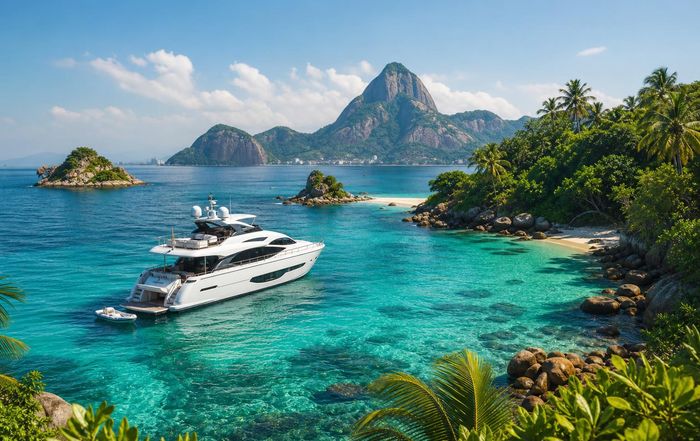
Brazil Yacht Cruising Beyond the Famous Beaches
Brazil's yachting reputation has long been dominated by images of Copacabana, Ipanema and the iconic Sugarloaf backdrop, yet for experienced owners, captains and charterers, the real story of Brazilian cruising now lies far beyond its most photographed sands. From the granite islands of Angra dos Reis to the riverine labyrinths of the Amazon and the windswept anchorages of the Northeast, Brazil is slowly but steadily positioning itself as one of the most diverse and rewarding cruising grounds available to the global yachting community.
For readers of yacht-review.com, Brazil offers a compelling case study in how a vast coastal nation can evolve from a beach-centric tourism image into a sophisticated, year-round playground for yachts, supported by growing infrastructure, improved regulation and a maturing service culture aimed at international standards.
Reframing Brazil as a Cruising Destination
Brazil's coastline stretches for roughly 7,500 kilometres along the Atlantic, encompassing equatorial, tropical and subtropical zones, and touching some of the most ecologically rich marine areas in the South Atlantic. Traditionally, international yacht itineraries in South America were either limited to brief calls in Rio de Janeiro or bypassed the region entirely in favour of the Caribbean and Mediterranean circuits. Over the past decade, however, several trends have begun to shift this pattern.
Firstly, the rise of long-range expedition yachts and owners seeking less crowded, more authentic destinations has drawn attention to Brazil's underexplored bays, estuaries and archipelagos. Secondly, the country's marine infrastructure has incrementally improved, with marinas and service yards along the Southeast and Southern coasts investing in facilities capable of handling larger vessels and more demanding refit schedules. Finally, Brazil's tourism authorities and private sector stakeholders have become more proactive in promoting nautical tourism as a strategic segment, particularly in states such as Rio de Janeiro, São Paulo, Bahia and Santa Catarina, where local economies already understand the value of high-end visitors.
International organisations such as the World Tourism Organization (UNWTO) have noted the global growth of nautical and coastal tourism as a driver of investment and employment, and Brazil's policymakers have increasingly aligned their strategies with these broader trends. Those seeking to understand how this shift compares with other maritime nations can explore broader analyses of coastal tourism growth through platforms such as the UNWTO knowledge resources.
For yacht owners and charter professionals, this evolving context means that Brazil is no longer just a stopover; it is increasingly a destination worthy of dedicated cruising seasons, with distinct regions offering very different experiences, climates and logistical profiles.
Southeast Brazil: Beyond Rio's Postcard Skyline
The Southeast remains the logical entry point for most international yachts, both because of its established air links and its more developed marina network. Yet even here, the most rewarding cruising lies beyond the familiar silhouettes of Rio de Janeiro's city beaches.
Southwest of Rio, the Costa Verde, encompassing Angra dos Reis, Ilha Grande and the historic town of Paraty, has become the core of Brazil's high-end yachting scene. The region offers hundreds of sheltered anchorages, forested slopes that plunge directly into deep water, and a microclimate that often provides more stable conditions than the open Atlantic. Several marinas and shipyards in Angra and nearby towns have invested in infrastructure aimed at larger yachts, including haul-out facilities, technical services and secure berthing, creating a regional service hub that is still quieter and more intimate than the major Mediterranean bases.
Paraty, a UNESCO World Heritage town, adds a strong cultural dimension to cruising in the Costa Verde. Its preserved colonial architecture, cobblestone streets and sophisticated gastronomic scene provide a shore-side experience that contrasts sharply with the island anchorages and rainforest hikes of nearby Ilha Grande. For captains planning itineraries that combine natural immersion with high-quality provisioning and guest experiences, this mix of rustic bays and refined urban stops is particularly attractive.
To the northeast lies Búzios, once a quiet fishing village and now a well-established resort town with a cosmopolitan yachting clientele. The peninsula offers a variety of beaches and anchorages with different exposures to wind and swell, allowing flexible planning during changeable weather. While more developed than some of Brazil's wilder stretches, Búzios still offers a distinctly Brazilian style of seaside life, with open-air restaurants, boutique hotels and a social calendar that peaks during the Southern Hemisphere summer holidays.
For readers of yacht-review.com considering how these Southeast cruising grounds compare with more familiar Mediterranean or Caribbean circuits, detailed yacht and marina analyses are available in our dedicated boat and yacht features and cruising insights, where Brazil is increasingly appearing alongside traditional hubs.
Southern Brazil: Emerging Hubs and Blue-Water Gateways
Further south, states such as Santa Catarina and Rio Grande do Sul have been building reputations as both domestic yachting centres and strategic waypoints for long-distance passages to Uruguay, Argentina and, for the most adventurous, Antarctica. The city of Florianópolis, in particular, has become a focal point for Brazilian sailing culture, offering a combination of urban amenities, protected inner bays and access to open-sea conditions suitable for training and offshore racing.
The climate in Southern Brazil is more temperate than in the tropics, with cooler winters and distinct seasonal patterns, which can be advantageous for owners and captains seeking to avoid the peak heat and humidity of equatorial regions. The area's marinas, while generally smaller than those in the Mediterranean, have developed strong competencies in maintenance and refit for sailing yachts and motor yachts alike, often at cost structures that remain competitive for international owners.
Global observers interested in the broader context of Southern Hemisphere cruising routes will find useful comparative data on ocean conditions and passage planning through resources such as NOAA's ocean and climate information and other international hydrographic services, which help frame Brazil's Southern coast as part of a wider blue-water network linking the South Atlantic, Southern Ocean and beyond.
For yacht-review.com, these Southern hubs are particularly interesting from a business and operational standpoint, as they demonstrate how regional economies can leverage yachting not only for tourism, but also for technical services, training and supply chains. Our business and industry coverage frequently highlights such developments, which increasingly include Brazilian yards and service providers.
Northeast Brazil: Trade Winds, Culture and Untapped Anchorages
If the Southeast and South offer a more familiar, infrastructure-rich environment, the Northeast represents the frontier of Brazilian cruising potential. Stretching from Bahia through Pernambuco, Rio Grande do Norte and beyond, this region is shaped by steady trade winds, warm waters and a cultural heritage that blends Indigenous, African and European influences in a way that is uniquely Brazilian.
The Bay of Todos os Santos, adjacent to the city of Salvador, is one of the largest natural bays in the world and has long served as a strategic maritime hub. Within the bay and along the nearby coast, yachts can access a mix of protected anchorages, river inlets and island communities that remain relatively untouched by mass tourism. Salvador itself offers a vibrant cultural experience, from historic neighbourhoods such as Pelourinho to music, cuisine and festivals that have deep roots in Afro-Brazilian traditions.
Further north, destinations such as Fernando de Noronha, an archipelago and national marine park, attract global attention for their pristine diving conditions and strict visitor controls, designed to protect fragile ecosystems. Access for private yachts is subject to environmental regulations and limited capacity, so careful planning and compliance with park rules are essential. Official information on conservation measures and visitor requirements is available through Brazil's environmental agencies and international conservation organisations such as WWF, which provide broader context on marine protected areas and their role in sustainable tourism.
The Northeastern coastline also includes long stretches of dunes, lagoons and fishing villages, particularly in states such as Ceará and Rio Grande do Norte, which are popular with kite-surfers and wind-sports enthusiasts due to consistent wind patterns. For yachts capable of operating in relatively remote conditions, these areas offer a sense of discovery that is increasingly rare in more saturated yachting markets. However, fuel availability, technical support and formal marina infrastructure can be limited, which places a premium on self-sufficiency, local agent support and thorough pre-departure planning.
As yacht-review.com continues to track emerging cruising grounds, the Northeast stands out as a region where careful, responsible growth could deliver exceptional experiences without repeating the overdevelopment seen in some other parts of the world. Our readers can explore broader destination narratives and travel-focused features in the global and travel section, where Brazil's Northeastern coast is gradually entering the conversation.
Amazon and Riverine Cruising: A Different Brazil
Beyond the Atlantic shoreline, Brazil's inland waterways, particularly the Amazon Basin, offer a completely different cruising proposition. While large superyachts remain relatively rare in these waters due to draft limitations, infrastructure constraints and environmental sensitivities, expedition-style vessels and smaller luxury river cruisers have begun to carve out a niche, focusing on wildlife observation, cultural encounters and scientific or philanthropic collaborations.
The Amazon River and its tributaries present complex navigational challenges, including shifting sandbanks, strong currents and seasonal variations in water level. Captains operating in these areas typically rely heavily on local pilots and up-to-date hydrographic information, and itineraries often integrate visits to conservation projects, Indigenous communities and research stations. For owners and charter guests seeking meaningful engagement with environmental and social issues, this type of cruising provides a depth of experience that contrasts sharply with more conventional coastal tourism.
International research institutions and environmental organisations have extensively documented the ecological significance of the Amazon region, and interested readers can explore scientific perspectives through sources such as NASA's Earth science portal and similar platforms, which provide satellite-based insights into deforestation, water cycles and biodiversity. These resources underscore both the fragility and the global importance of the ecosystems that some Brazilian river cruises seek to showcase responsibly.
From the perspective of yacht-review.com, Amazonian and riverine cruising aligns with a broader shift in luxury travel, where experiential depth and environmental awareness are increasingly valued by discerning clients. Our sustainability coverage often highlights how yacht owners and operators can engage with sensitive regions in ways that support conservation and local communities rather than merely consuming scenery.
Infrastructure, Regulation and Practical Considerations
For Brazil to fully capitalise on its cruising potential, infrastructure and regulatory frameworks remain critical factors. Over recent years, Brazilian authorities have undertaken various initiatives to simplify procedures for foreign yachts, improve customs and immigration processes in key ports, and encourage investment in marina developments. The degree of progress, however, can vary by state and port, and captains generally benefit from working with experienced local agents who understand the nuances of documentation, pilotage requirements and tax regulations.
Marinas in the Southeast, particularly around Rio de Janeiro, São Paulo and Santa Catarina, have led the way in offering services aligned with international expectations, including secure berths, fuel, provisioning, technical services and, in some cases, refit and repair capabilities for larger yachts. While the overall density of such facilities remains lower than in the most developed Mediterranean or North American markets, the trajectory is clearly upward, with private investors recognising the long-term value of attracting high-spending nautical visitors.
International bodies such as the International Maritime Organization (IMO) provide overarching frameworks on safety and environmental standards, and Brazil, as a member state, incorporates many of these into its national regulations. Professionals planning to cruise Brazilian waters can consult resources from the IMO and national hydrographic and port authorities to ensure compliance with safety and pollution-prevention norms, particularly regarding ballast water, waste management and emissions.
On the insurance and risk-management side, underwriters increasingly view Brazil as a known, rather than exotic, destination, especially in the Southeast and Southern regions, though premiums and conditions may reflect local factors such as crime rates in certain urban areas or meteorological patterns. Brokers and captains who have previously focused on the Mediterranean-Caribbean axis are gradually building Brazil into annual migration patterns, often using it as a seasonal alternative that offers a fresh experience for repeat charter clients.
For yacht-review.com, these operational realities are as important as the scenic and cultural highlights. Our readers can find more detailed insights into yacht systems, refit options and emerging technologies that support safe long-range cruising in our technology coverage, which increasingly references Brazilian case studies.
Lifestyle, Culture and On-Shore Experiences
Any serious evaluation of Brazil as a cruising destination must account for the country's rich cultural fabric and its impact on the guest experience. From fine dining in São Paulo and Rio, where chefs reinterpret regional ingredients with global techniques, to traditional seafood in coastal villages and river fish specialities in the Amazon, Brazilian cuisine offers a diversity that can be woven into charter itineraries and owner voyages with great effect.
Music and festivals form another pillar of the Brazilian lifestyle. While Carnival remains the most internationally recognised event, many coastal cities and towns host their own cultural calendars, including religious processions, music festivals and regional celebrations that can be aligned with cruising schedules. For captains and charter managers, understanding these local rhythms can transform a standard itinerary into a deeply immersive journey, whether that means timing a stop in Salvador for a major cultural event or arranging private performances aboard in collaboration with local artists.
Brazil's cities also offer high-end shopping, art galleries and design studios that appeal to yacht owners and guests interested in contemporary culture. Institutions such as MASP in São Paulo or MAM in Rio de Janeiro contribute to a sophisticated art scene that contrasts with the country's beach image. Those seeking a broader view of Brazil's creative industries and economic development can explore analyses from organisations such as the World Bank, which provide context on urban growth, cultural sectors and the role of tourism in local economies.
For yacht-review.com, the intersection of yachting and lifestyle is central to our editorial mission. Our lifestyle coverage increasingly includes Brazilian influences, from design collaborations inspired by tropical modernism to onboard hospitality concepts that draw on Brazilian culinary and wellness traditions.
Sustainability and Responsible Cruising in Brazil
As Brazil opens more of its coastline and waterways to luxury cruising, the imperative for sustainable practices becomes more pressing. The country is home to critical marine and coastal ecosystems, including coral reefs, mangroves, seagrass beds and biodiversity hotspots that are vulnerable to pollution, overfishing and unregulated tourism.
Responsible yacht operations in Brazil involve more than compliance with formal regulations; they require a proactive commitment to minimising environmental impact and supporting local communities. This includes careful waste management, avoidance of sensitive anchoring grounds, respect for marine protected areas and engagement with reputable local suppliers and guides who adhere to conservation principles.
International frameworks such as those promoted by the UN Environment Programme and initiatives under the Convention on Biological Diversity provide useful guidance on best practices for marine tourism. Readers interested in how these principles translate into practical measures for yachts can explore resources that explain sustainable business practices, which help align onboard operations with global sustainability goals.
Within Brazil, various NGOs, research institutions and community organisations are working to protect coastlines and rivers, often in collaboration with responsible tourism operators. For yacht owners and charter guests, opportunities exist to support such initiatives through philanthropy, citizen science projects or carefully curated visits that raise awareness without disrupting local life.
At yacht-review.com, sustainability is an integral part of how new destinations are evaluated and presented. Our sustainability section regularly features insights into low-impact cruising, alternative propulsion technologies and community partnerships, all of which are highly relevant for those planning extended voyages in Brazilian waters.
Design, Innovation and the Brazilian Influence
Brazil's growing prominence as a cruising destination is mirrored by its influence in yacht design and innovation. Brazilian naval architects, designers and shipyards, while still less internationally prominent than some European counterparts, have developed a distinct aesthetic that often blends clean modern lines with materials and layouts suited to tropical and subtropical living. Large shaded exterior spaces, natural ventilation strategies and the integration of indoor-outdoor social zones are hallmarks that resonate strongly with Brazilian coastal lifestyles.
Some Brazilian yards have gained recognition in regional markets for producing robust, seaworthy vessels suited to the country's varied conditions, from riverboats designed for shallow, sediment-laden waters to offshore motor yachts capable of handling Atlantic swells along the open coast. As global interest in Brazil's cruising grounds grows, it is likely that more of these builders and designers will enter the international conversation, contributing to a more diverse and regionally informed yacht design landscape.
For those interested in how Brazilian conditions and culture are influencing broader design trends, yacht-review.com maintains an ongoing focus on naval architecture, interior concepts and material innovation in its design features. As case studies from Brazilian projects accumulate, they will provide valuable insights for owners and project teams considering yachts that will spend significant time in warm-water, high-humidity environments.
Positioning Brazil in the Global Cruising Portfolio
For the global yachting community, Brazil now presents itself as a multifaceted addition to the established cruising portfolio. It is not a direct substitute for the Mediterranean or Caribbean, but rather a complementary option that offers different climatic windows, cultural experiences and operational profiles. For owners seeking variety and a sense of discovery, Brazil can be integrated into multi-year cruising strategies that rotate between classic and emerging destinations.
Charter markets, too, are beginning to recognise the potential of Brazilian itineraries, particularly for clients who have exhausted conventional options and are open to more adventurous, culturally rich experiences. While the charter infrastructure and regulatory environment are still maturing compared with long-established hubs, the trajectory suggests that Brazil will increasingly appear on the menus of high-end charter brokers, especially for bespoke, small-group voyages.
For professionals and enthusiasts who wish to follow this evolution closely, yacht-review.com provides regular updates and in-depth analysis through its news coverage and global perspectives, ensuring that decisions about Brazilian cruising are informed by current, verified information rather than outdated perceptions.
Conclusion: A New Horizon for Discerning Cruisers
Brazil's journey from postcard beaches to a sophisticated, multi-region cruising destination is still in progress, but the foundations are increasingly visible. Diverse coastal and riverine environments, a rich cultural and culinary landscape, improving infrastructure and a growing commitment to sustainability are combining to create a compelling proposition for yacht owners, captains and charter guests who value both comfort and authenticity.
For the audience of yacht-review.com, Brazil represents not only a new set of coordinates on the chart, but also an invitation to rethink what luxury cruising can mean when it is aligned with local culture, environmental responsibility and a spirit of exploration. As more yachts venture beyond the famous beaches into bays, rivers and communities that have long been overlooked by international tourism, Brazil's true potential as a world-class cruising destination will continue to unfold, offering experiences as vast and varied as the country itself.
Readers seeking to explore detailed yacht assessments, destination-specific reviews and owner perspectives on Brazil and other emerging regions can find extensive material in our expert reviews and features and across the broader yacht-review.com platform, where global cruising is examined with the depth, rigor and optimism that discerning professionals expect.