

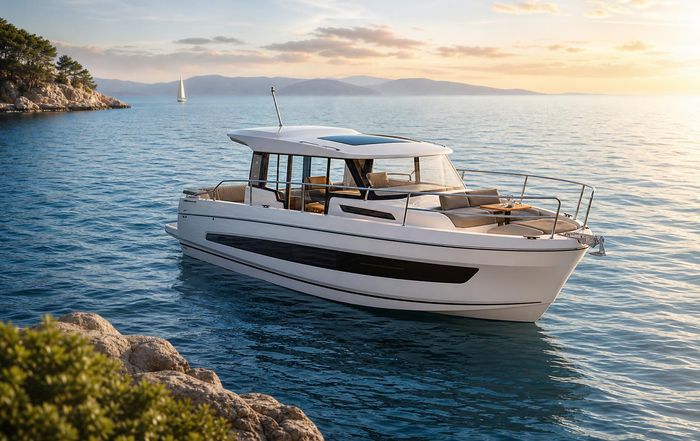
Best Small Yachts for Comfortable Weekend Cruising
Weekend cruising has become one of the most dynamic segments of the yachting market, as owners look for vessels that are compact enough to be manageable yet sophisticated enough to offer genuine comfort, privacy and autonomy for two to four days on the water. From the perspective of Yacht-Review.com, which follows this category closely through its dedicated coverage of boats and small yachts, the most compelling models today blend seaworthy hulls, flexible deck layouts, efficient propulsion and hotel-style amenities into packages typically between 25 and 45 feet.
This article explores how the market for small weekend yachts is evolving, highlights notable models and design trends, and considers how comfort, technology and sustainability are reshaping expectations among owners in North America, Europe, Asia-Pacific and beyond.
Defining the "small weekend yacht" in today's market
The term "small yacht" has always been relative, but within the context of comfortable weekend cruising, most builders and brokers now focus on vessels that fit into a rough band from 8 to 14 metres in length. These yachts are large enough to provide at least one enclosed cabin, a usable galley, an enclosed head with shower and sufficient storage and tankage for two or three nights aboard, while remaining small enough to be owner-operated without crew and, in many cases, trailerable or easily dry-stacked.
In the United States and Europe, this category overlaps with what some shipyards describe as "weekenders," "pocket yachts" or "sport cruisers." Market analysis from organizations such as Boat International Media and Global Market Insights has indicated steady demand growth in this size band over the last decade, supported by rising interest in coastal cruising, flexible remote work and higher expectations for leisure time spent closer to home. Readers who follow the evolving definitions of yacht segments can find additional context in the broader yacht reviews section on our site.
While the exact length overall is only one factor, a practical working definition of a small weekend yacht today includes full-height interior spaces in at least part of the cabin, secure side decks or bow access for anchoring and line handling, and a cockpit or aft deck that can function as a true outdoor living area for meals and relaxation. These criteria distinguish serious weekenders from smaller dayboats or pure performance craft that lack the volume and amenities needed for comfortable overnight stays.
Key comfort features that matter for weekend cruising
For yacht owners planning regular weekend escapes, comfort is not a single attribute but a combination of space planning, motion at sea, noise levels, climate control and ease of use. Leading naval architects and builders across Europe and North America have converged on a set of features that consistently appear in the most successful small weekend yachts.
One central element is flexible accommodation. Many contemporary models use convertible saloon seating that transforms into double berths, mid-cabins that extend under the cockpit, or semi-open bulkheads that create a sense of space during the day while still offering privacy at night. Builders such as Beneteau, Jeanneau, Bavaria Yachts, Princess Yachts and Back Cove Yachts have each developed different interpretations of this approach, and prospective buyers can compare these layouts in detail through independent resources like Yachting Magazine and Motor Boat & Yachting.
Sound and vibration control has also become a priority. Advances in hull design, engine mounting and insulation mean that many new diesel inboard or outboard-powered weekenders offer significantly quieter cabins at cruising speed than boats from even a decade ago. This has a direct impact on the perceived quality of rest aboard, particularly for families with children or for owners who wish to work remotely while underway.
Climate control is another differentiator. While air conditioning was once rare in this size range outside the warmest climates, many builders now offer compact, efficient systems as standard or optional equipment, often powered by lithium-ion battery banks and inverters rather than traditional generators. This allows quiet nights at anchor without constant engine noise, contributing to the kind of relaxed onboard atmosphere that readers of our cruising features regularly seek.
Finally, storage and galley design can make or break a weekend yacht. Deep lockers, intelligently arranged refrigeration, induction cooking and easy-clean surfaces all contribute to the ability to provision for two or three days without constant resupply, making even short trips feel more like a genuine escape than a complicated logistical exercise.
Design trends: from walkaround layouts to Scandinavian influence
Design language in the small yacht segment has evolved rapidly, with several distinct trends converging to support comfortable weekend cruising. One of the most visible is the rise of the walkaround or "SUV of the sea" concept, in which side decks run safely from cockpit to bow on both sides of the superstructure, often with high bulwarks and secure handholds. This layout, popularised by brands like Axopar, Nimbus and Saxdor, allows safe, easy movement for guests and children and opens up the bow as an additional social zone.
Scandinavian influence is especially pronounced. Builders from Finland, Sweden and Norway have long specialised in compact, seaworthy cruisers designed for demanding Baltic and North Sea conditions, and their emphasis on all-weather usability, enclosed wheelhouses and efficient hulls has now spread globally. Readers interested in the historical roots of these design philosophies can explore related perspectives in our yachting history coverage.
At the same time, Mediterranean and Australian builders have pushed open hardtop and coupe-style designs that blur the line between interior and exterior. Large sliding doors, retractable roofs and drop-down aft terraces allow small yachts to offer the kind of indoor-outdoor living more commonly associated with much larger vessels. Sunseeker, Galeon, Absolute Yachts and Riviera each present distinct variations on this theme, with some models offering folding balconies and beach-club style swim platforms even under 45 feet.
Naval architecture has followed suit, with many small weekend yachts now using twin outboard configurations mounted on integrated platforms or brackets, allowing more interior volume aft while maintaining strong performance. Deep-V hulls, stepped hulls and semi-planing forms each have proponents, and the best choice often depends on the intended cruising grounds, from the Intracoastal Waterway and Great Lakes to the English Channel, Baltic Sea or Mediterranean coasts. Technical comparisons of these hull types can be found through resources such as Professional BoatBuilder, which often publishes in-depth analyses from naval architects and marine engineers.
Standout models and concepts in the small weekend yacht segment
Although yacht-review.com does not endorse specific brands, it is possible to identify representative models that illustrate how the market is addressing the needs of weekend cruisers. Across Europe and North America, several categories have emerged as particularly influential.
In the compact cruiser segment around 30 feet, models such as Beneteau Antares, Jeanneau Merry Fisher and Bavaria Vida series exemplify the balance between fish-and-cruise versatility and family comfort. These boats often feature enclosed wheelhouses with sliding doors, convertible dinettes, forward cabins and sheltered cockpits, making them attractive for owners who cruise in shoulder seasons or higher latitudes. Independent comparisons in publications like Boats.com and BoatTEST.com highlight how these brands differentiate themselves in hull form, interior finish and price positioning.
Moving slightly larger, in the 35 to 40-foot range, more premium offerings such as Back Cove 34O, Nimbus 365 Coupe, Greenline 39 and Princess V40 demonstrate how small yachts can deliver near-luxury levels of comfort for weekend cruising. These models typically include separate owner and guest cabins, full galleys, enclosed heads with separate shower stalls and well-appointed saloons that double as social hubs and workspaces. Some, such as the Greenline range, also integrate hybrid propulsion and extensive solar capability, a topic explored in more detail in our sustainability section.
The rapid growth of high-performance outboard-powered weekenders has also reshaped expectations. Brands like Axopar, Saxdor, Parker and Wellcraft have introduced models with aggressive styling, multi-step hulls and powerful twin or triple outboard installations that can deliver high cruising speeds while still offering forward cabins and protected seating. For owners who value fast transits between marinas or island groups in regions such as Florida, the Balearics or the Greek islands, these boats offer an appealing blend of performance and overnight capability.
Beyond monohulls, compact power catamarans have gained traction as small weekend yachts, particularly in markets like Australia, South Africa and the United States. Builders such as Leopard, Aquila and Fountaine Pajot offer models under 45 feet that provide exceptional deck space, stability at rest and fuel efficiency, albeit sometimes at a higher initial purchase price and with different handling characteristics. For readers evaluating whether a catamaran suits their cruising style, Cruising World and other specialist publications offer balanced discussions of the trade-offs involved.
Regional perspectives: United States, Europe and Asia-Pacific
While the core requirements for a comfortable weekend yacht are broadly similar worldwide, regional preferences and regulatory environments shape specific designs and features. In the United States, particularly along the East Coast, Gulf Coast and Pacific Northwest, small weekend yachts often need to cope with significant tidal ranges, varying water conditions and long distances between services. This has sustained demand for fuel-efficient hulls, generous tankage and robust systems, as well as for flybridge options that provide excellent visibility in busy waterways.
In Europe, especially in the United Kingdom, Germany, France, Italy, Spain and the Netherlands, weekend cruisers must often balance inland waterways and coastal passages, leading to strong interest in low-air-draft designs, shaft-drive inboards and boats that can handle both canals and offshore hops. Builders in these regions also contend with varied marina infrastructure and mooring arrangements, which influences beam, fendering and deck hardware choices. Readers interested in how these regional considerations intersect with broader global trends can find additional analysis in our global yachting coverage.
Asia-Pacific markets such as Australia, New Zealand, Singapore, Japan and Thailand present their own conditions. Warmer climates and intense sunlight encourage open cockpits with extensive shade, large swim platforms and easy access to the water for diving and watersports. In countries like Australia, where offshore safety regulations and long coastal stretches are significant factors, seaworthiness and range often weigh more heavily in purchasing decisions. Local marine media, including Trade-A-Boat in Australia and Asia-Pacific Boating, frequently highlight how regional usage patterns shape small yacht design and equipment choices, from anchoring systems to sun protection.
Lifestyle and onboard experience: making a small yacht feel big
From the vantage point of Yacht-Review.com, one of the most remarkable developments in the small yacht segment is how effectively designers have learned to make compact boats feel far larger than their dimensions suggest. This is not simply a matter of adding more berths or seating; it involves a holistic approach to light, views, circulation and storage.
Large hull windows and overhead glazing have become almost ubiquitous in contemporary weekend yachts, bringing natural light deep into cabins and reducing any sense of confinement. Sliding doors and opening windows help create cross-ventilation, which is particularly important in warm climates where owners may prefer fresh air to constant air-conditioning. Interior designers increasingly use light woods, neutral fabrics and indirect LED lighting to enhance the perception of space, drawing on trends from residential and boutique hotel design.
On deck, modular furniture and convertible arrangements allow a single area to serve multiple functions. Cockpit tables that drop to form sunpads, backrests that reverse to face forward or aft, and removable shade structures all contribute to the sense that the yacht can be reconfigured to suit different times of day and activities. Owners looking for inspiration on how to personalise and optimise these spaces often share ideas through online communities and social media, and our own lifestyle features frequently highlight innovative examples of small yachts used as floating retreats, family bases and remote workspaces.
Water access is another critical element. Wide swim platforms, transom gates, integrated ladders and freshwater cockpit showers all enhance the experience of swimming, snorkelling or simply relaxing at anchor. In some cases, small tender garages or davit systems enable owners to carry compact RIBs or personal watercraft, further extending the range of activities possible during a weekend cruise without overwhelming the available storage space.
Technology, connectivity and ease of operation
Technological advances have played a decisive role in making small yachts more accessible and enjoyable for weekend cruising, particularly for owners who may be relatively new to boating. Integrated helm systems from major marine electronics manufacturers such as Garmin, Raymarine and Simrad consolidate navigation, engine data, autopilot and audio controls into intuitive touchscreens, reducing clutter and simplifying operation. Many of these systems support remote monitoring via smartphone apps, allowing owners to check battery status, tank levels and security systems from shore, a capability that has become increasingly valued in marinas worldwide.
Joystick docking systems, combining bow and stern thrusters with engine control, have significantly lowered the stress associated with manoeuvring in tight marinas, especially in Mediterranean stern-to berthing or crowded North American harbours. While no technology can fully replace seamanship and practice, the availability of these aids has broadened the appeal of weekend cruising to new demographics, including younger professionals and families who may not have grown up around boats. Independent evaluations of these systems can be found through testing organisations and publications such as Power & Motoryacht.
Onboard connectivity has also become a near-essential feature. Many small weekend yachts now integrate 4G/5G routers, Wi-Fi systems and smart TV setups, enabling work, entertainment and communication even when away from shore. This is particularly relevant for owners who combine leisure and remote work, using their yachts as temporary offices or creative spaces. Our technology coverage frequently explores how these systems are evolving, including the gradual trickle-down of satellite connectivity options that were once the preserve of much larger superyachts.
From an operational perspective, predictive maintenance, digital switching and integrated safety systems are gradually becoming more common, even in smaller yachts. These innovations reduce downtime, simplify troubleshooting and enhance safety, all of which contribute to a more relaxed and enjoyable weekend cruising experience.
Sustainability and efficiency in small weekend yachts
Sustainability has moved from a niche concern to a mainstream consideration in yacht design and ownership, and small weekend yachts are at the forefront of this shift. Because these vessels often operate close to shore and in environmentally sensitive coastal areas, owners are increasingly attentive to fuel consumption, emissions, noise and waste management.
Hybrid and electric propulsion have made notable inroads in the small yacht segment. Builders such as Greenline Yachts, Silent-Yachts and X Shore have introduced models that rely on electric drives, solar generation and advanced battery systems to provide quiet, low-emission cruising, particularly suitable for short weekend trips. While pure electric range remains limited compared to conventional diesel or gasoline propulsion, ongoing advances in battery energy density and charging infrastructure are gradually extending the practical use cases for these systems. Readers interested in the broader context of sustainable marine technology can explore resources from organisations such as the International Council on Clean Transportation and the Water Revolution Foundation.
Even in conventionally powered yachts, efficiency improvements are evident. Refined hull designs, lightweight construction materials and optimised propeller and engine configurations have contributed to lower fuel burn at typical cruising speeds. Many owners now actively monitor fuel consumption via onboard displays and adjust speed and trim to minimise environmental impact and operating costs. Environmental best practices, from responsible anchoring to waste management and greywater handling, are increasingly promoted by marinas, boating associations and advocacy groups such as The Ocean Cleanup and Surfrider Foundation, reflecting a broader shift in attitudes among recreational boaters.
From the editorial perspective of Yacht-Review.com, which regularly covers sustainability initiatives in yachting, small weekend yachts represent a particularly promising platform for innovation. Their limited size and typical usage patterns make them ideal testbeds for new propulsion concepts, materials and circular-economy approaches, with lessons that can often be scaled up to larger vessels over time.
Practical considerations for choosing a small weekend yacht
For prospective owners evaluating the best small yachts for comfortable weekend cruising, several practical considerations extend beyond the aesthetics and headline specifications. Marina availability and home port infrastructure are paramount; beam, draft and air draft must align with local berths, haul-out facilities and waterways. Insurance requirements, licensing and local regulations also vary between regions such as the United States, United Kingdom, European Union, Canada and Australia, and should be understood early in the decision-making process.
Budgeting realistically for total cost of ownership is essential. Purchase price is only one component; mooring or storage fees, insurance, maintenance, fuel, upgrades and periodic refits all contribute to the long-term financial picture. Reputable sources such as ABYC and national boating associations provide guidance on maintenance standards and safety equipment, helping owners ensure that their yachts remain reliable and compliant.
Sea trials, ideally in conditions similar to those expected during regular use, are invaluable. Handling characteristics, noise levels, visibility, ergonomics at the helm and ease of movement around the deck all become apparent on the water in ways that are difficult to judge at a boat show or in a brochure. Our news and events coverage frequently highlights international boat shows where potential buyers can compare multiple models side by side and arrange sea trials with dealers.
Finally, the human element should not be overlooked. A yacht that is technically impressive but does not align with the lifestyle and preferences of its owners and regular guests is unlikely to see regular use. Taking time to reflect on how weekends are actually spent-whether focused on quiet anchorages, watersports, social gatherings or exploration of new harbours-will help narrow the field to yachts that truly enhance life rather than complicate it. The community stories we feature often underline how well-chosen small yachts become integral parts of family traditions and personal well-being.
The evolving future of small weekend yachts
Floating ahead, the segment of small yachts designed for comfortable weekend cruising appears poised for continued innovation and growth. Demographic shifts, including the rise of younger owners in markets such as the United States, Germany, the United Kingdom and Asia, are encouraging builders to experiment with bolder styling, modular interiors and integrated digital ecosystems. At the same time, experienced owners downsizing from larger yachts are demanding high levels of finish, quiet operation and sophisticated systems in smaller packages.
Advances in materials science, from improved composites to sustainable alternatives, promise lighter, stronger and potentially more recyclable hulls and superstructures. Propulsion is likely to see further diversification, with hybrid, electric and perhaps even hydrogen-assisted systems gradually complementing conventional diesel and gasoline engines, especially in regions with supportive infrastructure and regulatory frameworks. Industry bodies and research organisations, including DNV and the International Maritime Organization, continue to study and set guidelines that will influence how these technologies are adopted in recreational craft.
For readers checking us out today, the appeal of small weekend yachts lies not only in their technical sophistication but in the freedom and inspiration they offer. Whether cruising along the New England coast, exploring the fjords of Norway, island-hopping in the Mediterranean, navigating the canals of the Netherlands or discovering sheltered bays in Australia and New Zealand, these compact yet capable vessels open up a world of short-break adventures. Our ongoing coverage across cruising, travel, business and news will continue to follow how this segment develops, showcasing designs and experiences that demonstrate how much is now possible within a relatively small footprint.
Ultimately, the best small yacht for comfortable weekend cruising is the one that aligns with an owner's cruising grounds, lifestyle and aspirations, while delivering the reassuring sense of safety, ease and enjoyment that encourages spontaneous departures on Friday evenings and unhurried returns on Sunday afternoons. In that space between work and home, these yachts create a third place that is both refuge and platform for exploration, reflecting the enduring appeal of life lived, even briefly, on the water.