

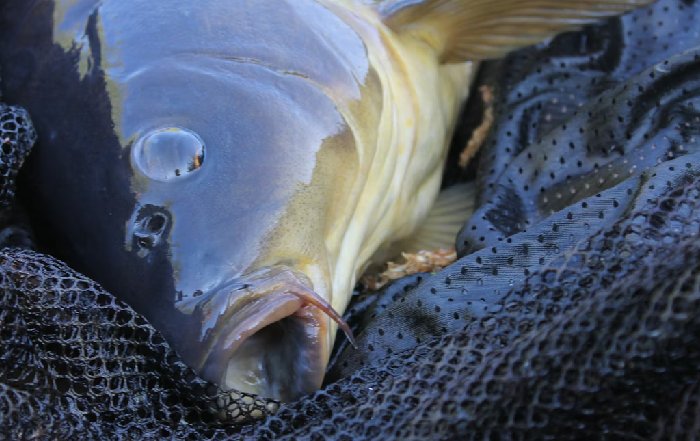
Sustainable Seafood Sourcing for the Yacht Galley
The New Standard for Luxury at Sea
Sustainable seafood sourcing has moved from being a niche concern to a defining marker of modern yachting culture, reshaping how owners, captains, and chefs think about every meal served on board. On superyachts cruising between the Mediterranean, the Caribbean, and increasingly remote destinations in Asia-Pacific and polar regions, the question is no longer simply whether the seafood is fresh and of premium quality, but whether it has been sourced responsibly, traceably, and in a way that aligns with the values of a new generation of yacht owners and charter guests. For yacht-review.com, which has long documented the evolution of yachting from pure indulgence to a more thoughtful and globally aware lifestyle, sustainable seafood in the yacht galley has become an essential lens through which to understand the future of onboard hospitality and marine stewardship.
Modern yacht clients in the United States, United Kingdom, Germany, Canada, Australia, France, Italy, Spain, the Netherlands, Switzerland, China, and beyond increasingly expect that the experience of luxury will not come at the expense of fragile marine ecosystems or coastal communities. They read sustainability reports, follow regulatory developments, and ask pointed questions about provenance, certifications, and carbon footprint. At the same time, chefs on board vessels from 30-metre explorer yachts to 100-metre flagships are striving to maintain culinary excellence while navigating a complex and rapidly changing supply chain. This is precisely where the experience and editorial focus of yacht-review.com, through its coverage of sustainability, business, and lifestyle, intersects with a pressing operational reality for the global yachting community.
Why Sustainable Seafood Matters to the Yachting Community
The yachting sector is uniquely exposed to the consequences of unsustainable fishing, because its core product-time spent on pristine water in beautiful cruising grounds-depends directly on healthy oceans and thriving coastal economies. Overfishing, destructive fishing methods, and unregulated aquaculture have long-term impacts on biodiversity, water quality, and the visual and experiential quality of destinations that yachts frequent, from the Greek islands to the Bahamas, from Thailand's Andaman Sea to the fjords of Norway. When coral reefs are degraded, when iconic species disappear, and when local fish stocks collapse, the appeal of these cruising regions diminishes, and with it the long-term value of yacht ownership and charter operations.
Organizations such as the Food and Agriculture Organization of the United Nations (FAO) have repeatedly warned that a significant share of global fish stocks are either fully exploited or overexploited, and that climate change is altering migration patterns and spawning grounds in ways that increase volatility and risk for the seafood industry. Those who wish to understand these global trends in more detail can review the FAO's latest analysis and global fisheries outlook. For yacht owners and managers, these are not abstract statistics but indicators of future constraints, regulatory changes, and reputational risks.
In parallel, the expectations of guests are evolving. High-net-worth individuals in North America, Europe, and Asia are increasingly familiar with sustainability frameworks, ESG reporting, and responsible investment strategies. They are used to seeing sustainability metrics in their corporate portfolios and now look for similar transparency in their leisure activities, from private aviation to yachting. The galley becomes a visible and tangible place where values are enacted: a menu that celebrates responsibly sourced seafood, explains its origins, and showcases regional specialties in a respectful way can transform a meal into a narrative of stewardship and cultural connection, something yacht-review.com has consistently highlighted in its cruising and travel features.
Understanding Certifications, Labels, and Traceability
In 2026, the landscape of seafood certifications and traceability tools has matured considerably, yet it remains complex. Yacht chefs and provisioners must interpret labels, weigh trade-offs, and ensure that their sourcing decisions are defensible and aligned with best practices. Widely recognized schemes such as the Marine Stewardship Council (MSC) for wild-caught seafood and the Aquaculture Stewardship Council (ASC) for farmed fish provide third-party verification that products meet defined environmental and social criteria. Those interested in the current scope and methodology of these programs can explore MSC's standards and tools and compare them with other initiatives active in Europe, North America, and Asia.
However, certifications alone do not guarantee that a product is the optimal choice for every context. Regional realities, species-specific pressures, and evolving scientific data all play a role. Many leading chefs now consult resources such as the Monterey Bay Aquarium's Seafood Watch program, which provides regionally tailored guidance on species to prefer, avoid, or approach with caution, based on up-to-date sustainability assessments. Yacht professionals can consult Seafood Watch recommendations when planning seasonal menus for different cruising grounds, ensuring that a species that might be acceptable in one geography is not inadvertently purchased from a more vulnerable stock elsewhere.
Traceability has become a central pillar of trust. Digital tools, QR codes, and blockchain-based supply chain records are being piloted and implemented by forward-looking suppliers, particularly in Europe and Asia-Pacific, where regulatory demands and consumer expectations are high. For yachts that move between jurisdictions, the ability to demonstrate the legal and sustainable origin of seafood can also be critical for customs and port-state inspections. The editorial team at yacht-review.com, through its technology and news coverage, has noted a clear trend towards integrated provisioning platforms that combine logistics with real-time sustainability data, offering captains and chefs a more informed basis for purchasing decisions.
Building a Sustainable Seafood Strategy for the Yacht Galley
For a yacht operating globally-from the United States and Caribbean to the Mediterranean, Indian Ocean, and Asia-Pacific-a sustainable seafood strategy must be both principled and flexible. It begins with a clear policy endorsed by the owner, captain, and management company, setting out high-level commitments such as prioritizing certified or demonstrably sustainable sources, avoiding known high-risk species, and favouring local and seasonal options whenever practical. This policy then needs to be translated into operational guidelines for the chef, chief steward, and provisioning agents, including preferred suppliers, documentation requirements, and procedures for verifying claims.
A robust strategy also needs to recognize the realities of yacht operations: tight turnaround times in port, guest preferences that may change at short notice, and the need to provision in countries where infrastructure, regulation, and transparency may be less mature. In such environments, relationships with trusted local partners become critical. Working with reputable distributors and fishmongers who understand international sustainability expectations, and who can provide verifiable information about catch methods and origins, is essential. For those looking to deepen their understanding of global seafood supply chains and risk factors, the World Wildlife Fund (WWF) provides extensive resources, and decision-makers may wish to learn more about sustainable business practices that connect conservation with commercial realities.
The editorial perspective of yacht-review.com, particularly in its business and global sections, emphasizes that sustainable seafood sourcing is not an isolated initiative but part of a broader approach to responsible operation. It intersects with fuel choices, waste management, crew training, and the selection of marinas and shipyards that prioritize environmental performance. A coherent sustainability narrative strengthens the yacht's brand, enhances charter appeal, and increasingly influences resale value as buyers in Europe, North America, and Asia factor ESG considerations into asset decisions.
Regional Realities: From the Mediterranean to the Pacific
Because yachts operate across multiple jurisdictions, a one-size-fits-all approach to seafood sourcing is neither realistic nor desirable. In the Mediterranean, where ports in France, Italy, Spain, and Greece are key provisioning hubs, there is a rich tradition of regional fish and shellfish, but also significant pressure on popular species such as bluefin tuna and certain groupers. Chefs working in this region often seek guidance from European scientific bodies and national fisheries agencies, and many have shifted towards underutilized species that offer excellent culinary potential while easing pressure on overfished stocks. For historical context on the evolution of Mediterranean yachting and its relationship with local fisheries, readers can explore yacht-review.com's coverage in history and cruising.
In the Caribbean and along the coasts of the United States and Canada, regulatory frameworks are more developed in some respects, and there is growing emphasis on traceability and bycatch reduction. Yachts sourcing seafood in Florida, New England, British Columbia, or the Bahamas can often access well-documented supply chains, but must remain alert to regional variations and the risk of illegal, unreported, and unregulated (IUU) fishing, especially when provisioning in smaller island nations where enforcement capacity may be limited. Insights from organizations such as the National Oceanic and Atmospheric Administration (NOAA) can be invaluable, and professionals can review NOAA's fisheries management information when operating in U.S. waters.
In Asia, where many yachts now cruise between Singapore, Thailand, Indonesia, and Japan, the diversity of seafood options is extraordinary, but so are the variations in sustainability standards. Japan's high-end markets provide access to impeccably handled fish, yet concerns remain about certain tuna stocks and bycatch issues. Southeast Asia offers abundant seafood but faces ongoing challenges with habitat degradation and regulatory enforcement. In these waters, the yacht galley must be especially disciplined, favouring suppliers and restaurants that can demonstrate responsible practices and avoiding impulse purchases from unverified sources, even when the catch appears fresh and appealing.
Northern Europe, including Norway, Sweden, Denmark, and Finland, has become a reference region for responsible aquaculture and fisheries management, supplying high-quality farmed salmon, cod, and shellfish to yachts provisioning in Scandinavian ports or via air freight. At the same time, there is increasing scrutiny of the environmental impacts of large-scale aquaculture, prompting innovators in the region to explore lower-impact systems and alternative feeds. Those wishing to keep abreast of these developments and their implications for premium buyers may find useful context in the work of the Organisation for Economic Co-operation and Development (OECD), where it is possible to explore policy perspectives on sustainable fisheries and aquaculture.
The Role of the Yacht Chef: Curator, Educator, and Strategist
On board a modern yacht, the chef is far more than a technician; he or she is a curator of experiences, a translator of regional culture, and increasingly an educator and advocate for responsible consumption. Sustainable seafood sourcing becomes part of the chef's professional identity, influencing everything from menu design to supplier selection and crew training. In interviews and vessel profiles featured on yacht-review.com in its reviews and boats sections, many leading chefs describe how they now build menus around what is sustainably available rather than forcing suppliers to meet a fixed list of species, thereby aligning luxury with ecological reality.
The chef's influence extends to the guest experience. By explaining the story behind a dish-where a particular fish was caught, how the fishery is managed, and why a less familiar species was chosen instead of a threatened counterpart-the chef can turn a meal into a moment of discovery. Guests from London, New York, Dubai, Singapore, or São Paulo are often receptive to such narratives, especially when they are framed in terms of taste, terroir, and respect for local communities rather than abstract moral obligation. This is where the experiential lens of yacht-review.com, with its focus on lifestyle and community, aligns with the practical realities of the galley: sustainable choices can enhance, rather than constrain, the sense of privilege and authenticity that defines a successful charter or owner cruise.
Behind the scenes, the chef works closely with the captain, purser, and management company to align provisioning with itinerary planning. When a yacht is scheduled to cruise remote regions such as the South Pacific, Patagonia, or the Arctic, the team must consider not only availability but also storage, shelf life, and regulatory constraints on importing certain products. In such cases, the chef may choose to rely more on frozen or value-added seafood from highly reputable sources, rather than risk last-minute purchases of unknown origin in small ports. This pragmatic approach underscores a key principle: sustainable sourcing is as much about strategic planning and risk management as it is about culinary creativity.
Technology, Data, and the Future of Responsible Provisioning
Technological innovation is reshaping how yachts source and manage seafood, with implications that extend across design, operations, and guest experience. Provisioning platforms increasingly integrate sustainability filters, allowing chefs to search not only by species and cut but also by certification status, catch method, and carbon footprint. Some suppliers are experimenting with blockchain-based traceability that records every step from vessel to plate, offering a level of transparency that would have been unthinkable a decade ago. These developments align with broader digitalization trends in the yachting sector, regularly covered in yacht-review.com's technology and news sections.
Onboard systems are also evolving. Advanced refrigeration, vacuum-sealing, and real-time monitoring of cold-chain integrity allow yachts to store high-quality seafood for longer periods without compromising safety or flavour, thereby reducing the need for opportunistic purchases from unverified sources. Galley layouts on new builds and major refits increasingly reflect the need for flexible storage, hygienic handling of raw products, and efficient waste management, with designers collaborating closely with chefs and shipyards. Readers interested in how these functional considerations intersect with aesthetics and guest experience can explore yacht-review.com's coverage of design and its impact on culinary operations.
Data analytics is emerging as another powerful tool. By tracking purchasing patterns, waste levels, and guest feedback over multiple seasons and regions, yacht managers can refine sourcing strategies, negotiate better terms with responsible suppliers, and identify opportunities to substitute more sustainable species without compromising satisfaction. This data-driven approach mirrors broader trends in hospitality and retail, where insights derived from operations are used to align commercial performance with sustainability targets. It also supports more credible reporting, as some owners now request periodic summaries of their yacht's environmental performance, including seafood sourcing, to align with their personal or corporate ESG narratives.
Family, Community, and the Social Dimension of Seafood Choices
Sustainable seafood sourcing is not only an environmental issue; it is also deeply social. Coastal communities in South Africa, Brazil, Thailand, Malaysia, New Zealand, and many other regions depend on fisheries for livelihoods, cultural identity, and food security. Yacht clients who cruise these waters are increasingly aware that their purchasing choices can either support or undermine local resilience. By working with suppliers who engage in fair labour practices, respect local rights, and invest in community development, yachts can ensure that the benefits of their expenditure are more widely shared.
Families who bring children aboard, whether for a Mediterranean summer or a Pacific crossing, also see the yacht as a learning environment. Conversations about why certain fish are chosen and others avoided, or why a chef prefers a modest-looking local species over a glamorous but threatened one, can become part of an informal curriculum in ocean literacy. This fits naturally with the editorial interest of yacht-review.com in family experiences and its broader community focus, where the yacht is presented not just as a platform for private enjoyment but as a space where values are transmitted across generations.
Engagement with local initiatives-such as visiting responsible fish farms, supporting marine conservation projects, or partnering with coastal NGOs-can further strengthen the connection between onboard choices and onshore impact. Organizations like the International Union for Conservation of Nature (IUCN) provide insight into the status of marine species and habitats worldwide, and readers seeking a deeper scientific context for their decisions can explore IUCN's marine conservation work. For many yacht owners and guests, aligning the pleasure of seafood with a sense of contribution to ocean health and community well-being has become a defining feature of a meaningful luxury experience.
Integrating Sustainable Seafood into the Broader Yachting Narrative
Sustainable seafood sourcing is no longer a marginal concern but an integral part of what it means to operate and enjoy a yacht responsibly. It intersects with vessel design, itinerary planning, crew training, brand positioning, and guest engagement, and it reflects a broader shift in the values of the global yachting community across Europe, North America, Asia, Africa, and South America. For yacht-review.com, which has long chronicled the evolution of the industry across reviews, cruising, events, and global developments, the yacht galley has become a microcosm of this transformation.
Owners, captains, and chefs who embrace sustainable seafood sourcing are not simply reacting to regulatory pressure or public scrutiny; they are shaping a vision of luxury that is more resilient, more informed, and more connected to the oceans on which it depends. They are demonstrating that excellence in yachting is compatible with, and indeed enhanced by, a sophisticated understanding of ecological limits and social responsibilities. In this sense, each carefully sourced fillet and thoughtfully designed menu is part of a larger story that extends far beyond the confines of the yacht, linking the pleasure of a meal to the health of marine ecosystems and the prosperity of coastal communities worldwide.
As the industry looks ahead to the next decade, with new technologies, new cruising frontiers, and new generations of yacht owners emerging in established markets like the United States, the United Kingdom, Germany, and Canada, as well as in China, Singapore, and the broader Asia-Pacific region, the principles established today in the realm of sustainable seafood will likely inform wider operational standards. For readers of yacht-review.com, whether they are planning their first charter or overseeing a global fleet, the message is clear: the choices made in the galley are no longer merely culinary; they are strategic, ethical, and emblematic of what yachting as a whole aspires to be.