

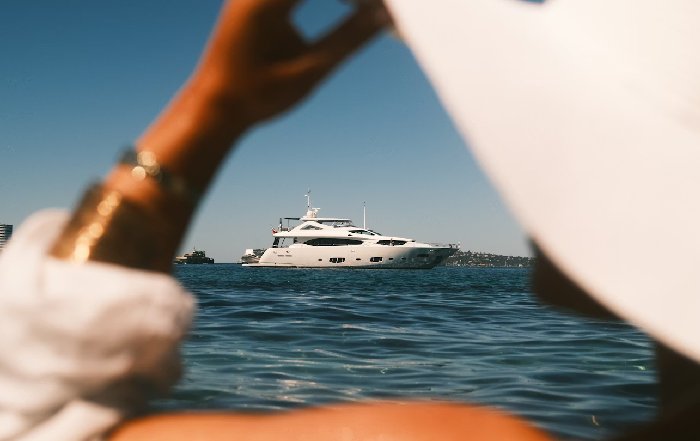
Minimalist Aesthetics in Contemporary Yacht Design
Redefining Luxury at Sea Just For You!
Minimalist aesthetics have moved from a niche design preference to a defining language of contemporary yacht design, reshaping how owners, designers, and shipyards around the world think about luxury, comfort, and performance on the water. Where opulence once meant ornate interiors, heavy materials, and visual abundance, today's leading yards in the United States, Europe, and Asia are increasingly embracing restraint, clarity of line, and intelligent functionality as the new symbols of status and sophistication. For the editorial team at yacht-review.com, which has followed this evolution closely across its global coverage, minimalism is no longer a passing trend; it has become a powerful framework that connects aesthetics, technology, sustainability, and lifestyle across every size category, from compact weekend cruisers to full-custom superyachts.
Minimalist yacht design in 2026 is not simply about white surfaces and empty spaces. It is a carefully engineered response to the demands of a new generation of owners in markets such as the United States, the United Kingdom, Germany, and Singapore, who expect their yachts to function as serene retreats, mobile offices, family homes, and environmentally responsible platforms all at once. This shift is visible in the way contemporary designs integrate clean exterior profiles, open-plan interiors, multifunctional layouts, and advanced materials, while still delivering the performance and seaworthiness that experienced owners in regions from the Mediterranean to the South Pacific demand. As yacht-review.com continues to expand its portfolio of detailed yacht reviews, the editorial perspective has become increasingly focused on how minimalism enhances not only visual appeal but also long-term usability, safety, and value.
The Origins and Principles of Minimalism at Sea
Minimalist aesthetics in yacht design draw heavily from architectural and interior design movements that emerged in the late twentieth century, but their current expression has been profoundly shaped by developments in naval architecture, materials science, and digital design tools over the last decade. Influences from Scandinavian design, Japanese wabi-sabi, and modernist architecture are visible in the emphasis on simplicity, proportion, and natural light, yet on the water these ideas must be reconciled with strict safety regulations, structural constraints, and the realities of offshore conditions. Designers working for leading shipyards in Italy, the Netherlands, Germany, and the United Kingdom have therefore developed a specific maritime minimalism that is both visually restrained and technically robust.
Fundamentally, this approach is characterized by a reduction of visual noise, an insistence on purposeful forms, and a preference for integrated solutions rather than additive decoration. Exterior lines are cleaner, with fewer protrusions and ornamental elements, enabling a more efficient use of space and, in many cases, improved hydrodynamics. Interior spaces are organized around clear sightlines and logical circulation, often with open-plan salons that blur the boundaries between inside and outside through expansive glazing and sliding doors. Materials are chosen not only for their appearance but also for their tactile qualities and durability in marine environments, with a renewed appreciation for natural woods, stone, and textiles that age gracefully. For readers exploring the evolution of these principles across decades, the editors often point to the historical overviews in the yachting history section of yacht-review.com, where the contrast between past ornamentation and contemporary restraint is particularly evident.
Design Language: Clean Lines, Light, and Space
The most immediate expression of minimalist aesthetics in contemporary yachts is found in their exterior design language. From compact family cruisers in the Great Lakes and the Baltic to large superyachts operating in the Caribbean and South Pacific, there is a shared preference for horizontal lines, unbroken surfaces, and carefully balanced proportions. Designers such as Espen Øino, RWD, and Nuvolari Lenard, among others, have contributed to a global vocabulary in which the hull and superstructure read as a coherent whole rather than as separate stacked elements, often with extensive use of dark glazing bands that visually lower the profile and emphasize continuity.
Natural light has become a central design tool in this context, particularly as glass technology and structural engineering have advanced. Panoramic windows, full-height glazing, and skylights are now standard on many premium models, creating interiors that feel more like contemporary lofts or boutique hotels than traditional yachts. This emphasis on light not only enhances the sense of spaciousness but also supports well-being for owners and guests who spend extended periods onboard, whether cruising the coasts of Australia and New Zealand or exploring remote anchorages in Norway and Chile. For those interested in how these design choices translate into real-world experiences, the design-focused coverage at yacht-review.com regularly dissects specific projects, highlighting how minimalism can make even modest footprints feel generous and inviting.
Interior layouts in minimalist yachts prioritize fluidity and flexibility, with fewer fixed partitions and a stronger connection between social, dining, and relaxation areas. Furniture is often built-in, with low profiles and simple geometries that maintain clear sightlines across the main deck. Storage solutions are concealed, allowing surfaces to remain uncluttered, while carefully chosen accent pieces-often a single sculptural object or artwork-provide focal points without overwhelming the space. This philosophy aligns closely with contemporary residential design trends documented by platforms such as Dezeen, which showcase the broader cultural move toward calm, ordered environments in an increasingly complex world.
Technology as an Enabler of Minimalism
Minimalist aesthetics in yachts would not be feasible at the current level of refinement without parallel advances in marine technology, digital integration, and materials engineering. Over the last decade, the quiet revolution of hidden systems has allowed designers and shipyards to remove visible clutter from both exterior and interior spaces, placing technical equipment, controls, and infrastructure out of sight while still ensuring accessibility for maintenance and emergency use. This behind-the-scenes sophistication is particularly appreciated by experienced owners in technologically advanced markets such as Germany, South Korea, and Japan, where expectations around engineering quality and redundancy are exceptionally high.
Integrated bridge systems and touchscreen interfaces have significantly reduced the number of physical controls and instruments on helm stations, enabling sleeker consoles and clearer sightlines. Networked monitoring platforms allow crew to manage propulsion, hotel loads, and safety systems from centralized locations, eliminating the need for multiple visible panels and switches scattered throughout the vessel. Advances in LED lighting and smart controls support dynamic ambient schemes that can shift from bright operational modes to soft, atmospheric settings with minimal hardware on display. Readers interested in the technical underpinnings of these systems often turn to the technology coverage on yacht-review.com, which explores how digital ecosystems are reshaping the onboard experience.
Materials science has also played a crucial role in enabling minimalist structures that remain strong and seaworthy. The adoption of advanced composites, high-strength steels, and lightweight aluminum alloys has allowed for larger window openings, thinner structural members, and more daring cantilevers without compromising safety or classification standards. Information from organizations such as Lloyd's Register and DNV has guided shipyards in Europe, Asia, and North America in balancing aesthetic ambitions with rigorous engineering requirements, ensuring that the pursuit of visual simplicity never undermines structural integrity or long-term reliability. For a broader understanding of how such materials are transforming maritime industries, readers can explore resources from Lloyd's Register, which frequently address innovation in shipbuilding and classification.
Minimalism and Sustainability: A Converging Agenda
One of the most significant drivers of minimalist aesthetics in 2026 is the growing alignment between visual restraint and environmental responsibility. As regulatory pressures increase in key cruising regions, from the Mediterranean and the Baltic to sensitive areas in Southeast Asia and the South Pacific, owners and builders are seeking ways to reduce emissions, improve energy efficiency, and minimize ecological footprints without sacrificing comfort or prestige. Minimalism, with its emphasis on efficiency, durability, and reduced material consumption, naturally complements these objectives and has become a powerful narrative tool for shipyards positioning themselves as leaders in sustainable luxury.
Streamlined hull forms and superstructures, often associated with minimalist styling, can contribute to improved hydrodynamic performance and reduced fuel consumption, particularly when paired with advanced propulsion systems such as hybrid-electric configurations, pod drives, and optimized propellers. Simplified layouts and integrated systems reduce weight and complexity, which can further enhance efficiency and ease of maintenance over the vessel's lifecycle. The use of sustainable materials, including responsibly sourced timber, low-VOC finishes, and recycled or recyclable components, is increasingly common in projects showcased at major industry events and reported within the sustainability section of yacht-review.com, where editorial coverage emphasizes the intersection of design and environmental stewardship.
Global initiatives, such as those promoted by the International Maritime Organization (IMO) and various regional regulators, are setting progressively stricter standards for emissions and waste management. While many of these regulations primarily target commercial shipping, they influence the expectations and practices within the yacht sector as well. Owners and designers seeking to understand the broader regulatory context can review updates and guidance from the IMO, which provide insight into how environmental priorities are reshaping the maritime landscape. In this environment, minimalist yachts that demonstrate lower energy consumption, reduced use of non-renewable materials, and thoughtful waste management solutions are increasingly viewed not only as aesthetically desirable but also as responsible long-term investments.
Lifestyle, Wellness, and the Psychology of Calm
Minimalist yacht design speaks directly to evolving lifestyle preferences among owners in North America, Europe, and Asia, where high-net-worth individuals are seeking refuge from the demands of hyperconnected lives. The psychological benefits of simplicity, order, and visual calm have been widely discussed in design and wellness communities, and these ideas are now deeply embedded in how contemporary yachts are conceived and marketed. For many owners, particularly in markets such as the United States, the United Kingdom, and Singapore, a yacht is not simply a symbol of financial success; it is a carefully curated environment in which family, friends, and business associates can gather in a setting that promotes relaxation, focus, and meaningful connection.
Open, uncluttered spaces with abundant natural light and views of the surrounding seascape create a sense of mental clarity and spaciousness that is difficult to achieve in urban environments. Soft, neutral color palettes, natural textures, and restrained decorative schemes contribute to an atmosphere of understated luxury that feels timeless rather than trend-driven. Wellness features, such as dedicated yoga decks, spa areas, and quiet reading nooks, are often seamlessly integrated into the overall layout rather than being treated as separate, heavily branded zones. The editorial team at yacht-review.com, particularly through its lifestyle coverage, has observed that owners who embrace minimalist aesthetics often report a deeper sense of connection to the sea and to their own routines onboard, as visual distractions are reduced and the focus shifts to experience rather than display.
This emphasis on mental and physical well-being is supported by broader research into the impact of environment on health and performance, with institutions such as the Harvard T.H. Chan School of Public Health exploring how design can influence stress, sleep, and cognitive function. Readers interested in the science behind these trends can learn more about healthy building and environmental design, recognizing that many of the same principles apply to yacht interiors, where air quality, acoustics, light, and layout significantly affect the onboard experience over extended periods.
Family, Community, and Social Dynamics Onboard
Minimalist yacht design also reflects changing social patterns among owners who use their vessels as multigenerational family hubs and as platforms for entertaining friends and business partners. In markets such as Canada, Australia, Italy, and Spain, where boating culture is closely tied to family life and shared experiences, there is a clear preference for spaces that are flexible, intuitive, and welcoming to guests of different ages and backgrounds. Rather than compartmentalized rooms with highly specific functions, contemporary yachts increasingly feature adaptable areas that can transition from daytime lounging to evening dining or from private family use to corporate hospitality with minimal reconfiguration.
This flexibility is achieved through modular furniture, sliding partitions, and clever storage solutions that maintain the minimalist aesthetic while accommodating the practical needs of families with children, elderly relatives, and guests with varying levels of mobility. Safety features, such as well-designed handrails, non-slip surfaces, and clear circulation paths, are integrated discreetly into the overall design rather than added as visually intrusive afterthoughts. For readers interested in how these design strategies influence onboard dynamics and long-term enjoyment, the family-oriented content on yacht-review.com offers firsthand perspectives and case studies from owners across regions including Scandinavia, Southeast Asia, and South Africa.
At the same time, minimalist yachts are increasingly used as focal points for community and philanthropic activities, from hosting charity events in the Mediterranean to supporting marine conservation initiatives in regions such as the Caribbean and the Pacific. The understated elegance of minimalist design often aligns well with the tone of such gatherings, where the emphasis is on conversation, shared purpose, and the surrounding environment rather than on ostentatious display. This shift reflects a broader cultural movement among high-net-worth individuals toward more conscious and socially engaged forms of luxury, a theme that is frequently explored in the community section of yacht-review.com, where the editorial team highlights how yachts can serve as platforms for positive impact.
Business and Investment Perspectives on Minimalist Yachts
From a business standpoint, minimalist aesthetics in yacht design carry significant implications for shipyards, brokers, and owners in major markets across North America, Europe, and Asia. As demand for clean, contemporary designs grows, shipyards that can demonstrate consistent expertise in minimalist execution are gaining a competitive advantage, particularly in design-centric countries such as Italy, the Netherlands, and Germany. These yards must balance the desire for visual simplicity with the need to deliver robust engineering, reliable systems, and high-quality craftsmanship that can withstand scrutiny from experienced owners and surveyors. For industry professionals following these developments, the business analysis provided by yacht-review.com offers insight into how design trends translate into order books, resale values, and brand positioning.
Minimalist yachts often enjoy broader appeal on the brokerage market, as their restrained interiors are easier for prospective buyers from different cultural backgrounds to personalize without undertaking major refits. Neutral palettes, simple forms, and high-quality materials provide a versatile canvas that can be adapted to individual tastes through art, textiles, and accessories. This versatility can support stronger residual values, particularly in global hubs such as Fort Lauderdale, Monaco, Palma de Mallorca, and Singapore, where international buyers compare multiple options across segments. Industry data from organizations such as Boat International and Superyacht Times suggest that contemporary, minimalist designs tend to sell more quickly than heavily themed or highly personalized interiors, reflecting a market preference for timeless, adaptable spaces. Readers can monitor such market trends through platforms like Boat International, which regularly report on brokerage activity and design preferences across regions.
For shipyards and designers, the rise of minimalism also requires significant investment in design talent, prototyping, and quality control, as any imperfection becomes more visible in simplified environments. Seam alignment, material transitions, and detailing must be executed with exceptional precision to maintain the integrity of the overall composition. This level of refinement demands close collaboration between designers, naval architects, interior specialists, and craftsmen, as well as rigorous oversight throughout the build process. The editorial team at yacht-review.com, through its news coverage, has documented how leading yards in Europe and Asia are reorganizing their workflows and partnerships to meet these elevated expectations.
Global Adoption and Cultural Nuances
While minimalist aesthetics have achieved broad acceptance across the global yacht market, regional variations reflect different cultural attitudes toward luxury, privacy, and social interaction. In Northern Europe, particularly in countries such as Sweden, Norway, Denmark, and Finland, minimalism aligns closely with longstanding design traditions that prioritize functionality, modesty, and connection to nature. Yachts in these markets often feature understated exteriors, warm yet simple interiors, and strong emphasis on outdoor spaces that can be used comfortably in varied weather conditions. The influence of Scandinavian design principles is evident not only in local builds but also in international projects that seek to capture a similar ethos.
In contrast, Mediterranean markets such as Italy, France, and Spain often blend minimalist structures with more expressive use of color, art, and outdoor entertainment features, reflecting a lifestyle that places a premium on socializing, al fresco dining, and waterfront visibility. Here, minimalism provides a disciplined framework within which carefully chosen statement elements-such as a bold artwork, a sculptural staircase, or a distinctive exterior lighting scheme-can stand out without overwhelming the overall composition. The global perspectives curated by yacht-review.com highlight how these regional nuances influence not only aesthetics but also layout priorities, amenity choices, and crew arrangements.
In Asia, particularly in markets such as China, Singapore, South Korea, and Thailand, minimalist yachts often embody a fusion of Western design language with local preferences for privacy, flexible use of space, and hospitality. Closed or semi-enclosed lounges, adaptable dining areas, and discreet service routes are carefully integrated into clean, contemporary shells, allowing owners to host both intimate family gatherings and formal business events with equal ease. Similarly, in emerging markets across South America and Africa, minimalist designs are increasingly seen as aspirational, signaling alignment with global luxury standards while allowing for cultural personalization through art, textiles, and onboard activities. For readers interested in how these diverse interpretations manifest in real projects, the cruising and travel content on yacht-review.com provides firsthand accounts from voyages in regions as varied as Brazil, South Africa, and Southeast Asia.
Minimalism in Practice: Cruising, Ownership, and Daily Use
Beyond aesthetics and market positioning, the true test of minimalist yacht design lies in day-to-day use, particularly during extended cruising periods in varied conditions. Owners who frequently cruise along the coasts of the United States, Canada, Australia, and New Zealand, or undertake longer passages between Europe and the Caribbean, quickly discover whether their yachts' minimalist layouts support or hinder practical living. Well-executed minimalist designs prioritize intuitive circulation, accessible storage, and robust materials that can handle the realities of saltwater, sunlight, and frequent use without constant maintenance or visible wear.
The absence of visual clutter makes it easier to maintain order onboard, which is especially valuable for families with children or for owners who prefer to operate with smaller crews. However, successful minimalism must avoid crossing the line into austerity or impracticality; sufficient seating, work surfaces, and personal storage are essential to ensure comfort and functionality over time. The editorial team at yacht-review.com, through its cruising-focused reporting, often emphasizes that the most successful minimalist yachts are those where every element, from door handles to deck furniture, has been carefully considered in terms of ergonomics, durability, and ease of use.
For owners who use their yachts as mobile offices or bases for remote work, particularly in knowledge-based industries across North America, Europe, and Asia, minimalist environments can enhance focus and productivity. Quiet, well-lit work areas, integrated connectivity systems, and flexible seating arrangements support extended periods of concentration while still allowing for quick transitions to leisure and social activities. Insights from organizations such as McKinsey & Company on the future of work and digital nomadism have underscored the growing importance of adaptable, high-quality environments, and readers can learn more about evolving workplace trends to understand how these dynamics intersect with yacht ownership in 2026.
The Role of yacht-review.com in Shaping the Minimalist Conversation
As minimalist aesthetics continue to evolve within contemporary yacht design, yacht-review.com has positioned itself as a trusted platform for analysis, critique, and inspiration, serving readers from the United States and Canada to Europe, Asia, Africa, and South America. Through in-depth boat and yacht features, technical explorations, and lifestyle narratives, the editorial team examines not only how yachts look, but how they function, age, and support the diverse needs of owners and crews. By maintaining a strong focus on experience, expertise, authoritativeness, and trustworthiness, the platform helps readers distinguish between superficial minimalism-where simplicity is applied as a purely visual style-and deeply considered projects where design, engineering, and sustainability are aligned.
Coverage of international events and shows, from Monaco and Cannes to Fort Lauderdale, Düsseldorf, and Singapore, allows the team to identify emerging patterns in real time, while ongoing engagement with designers, shipyards, and owners provides nuanced insights into the motivations and challenges behind each project. This combination of global perspective and detailed reporting ensures that readers can navigate an increasingly complex marketplace with confidence, whether they are commissioning a new build, considering a brokerage purchase, or simply following the latest developments in yacht design.
Sailing Across The Future of Minimalist Yacht Design
Looking forward, minimalist aesthetics in yacht design are likely to deepen rather than diminish, as advances in technology, sustainability, and materials open new possibilities for integration and refinement. Emerging propulsion systems, including more advanced hybrid and fully electric solutions, will allow for quieter, cleaner, and more compact engine rooms, freeing up space for living areas and further reducing the need for visible technical infrastructure. Smart glass, adaptive shading, and energy-efficient climate control systems will enhance comfort while preserving the clean lines and open views that define minimalist interiors and exteriors.
At the same time, designers and shipyards will need to remain attentive to the human dimension of minimalism, ensuring that the pursuit of visual purity does not come at the expense of warmth, character, and individual expression. The most successful projects will be those that balance disciplined design with carefully curated personalization, allowing owners from diverse cultural backgrounds-across North America, Europe, Asia, Africa, and South America-to see their values and lifestyles reflected onboard. In this evolving landscape, yacht-review.com will continue to document, analyze, and, where necessary, challenge the direction of minimalist yacht design, drawing on its global network, editorial independence, and commitment to informed, experience-based reporting.
For readers and industry professionals alike, the rise of minimalist aesthetics in contemporary yacht design represents more than a change in visual style; it marks a broader transformation in how luxury, responsibility, and well-being are understood at sea. As yachts become quieter, cleaner, and more thoughtfully designed, they offer not only a refined setting for leisure and business, but also a compelling vision of how human ingenuity and restraint can coexist in harmony with the oceans that sustain this industry and its community.