

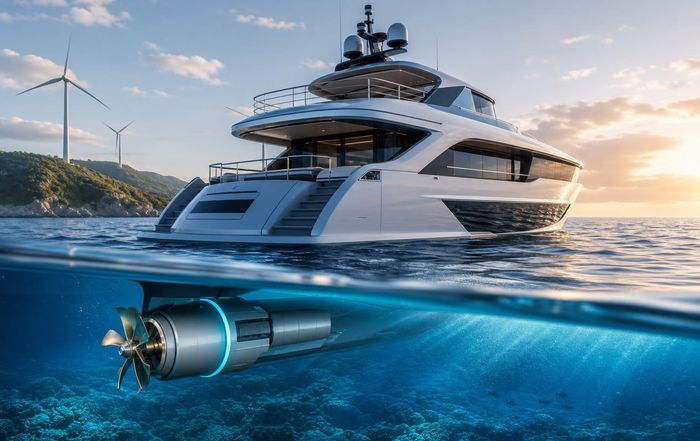
Cleaner Propulsion Options for Modern Yachts
Cleaner propulsion has moved from a niche interest to a central strategic topic for yacht owners, builders and charter operators. Regulatory pressure, changing client expectations, technological innovation and the rising visibility of climate and air-quality issues have converged to make propulsion choices a core part of yacht value, both financially and reputationally. For the global audience of yacht-review.com, which spans experienced owners, prospective buyers, captains and industry professionals, understanding the evolving propulsion landscape is now as important as evaluating interior layouts or hull design.
This article examines the principal cleaner propulsion options available or emerging for modern yachts, placing them in a business and operational context rather than treating them as abstract engineering concepts. It draws on recent developments from leading shipyards, classification societies, technology providers and regulators, and it aims to help decision-makers navigate a fast-moving field where long-term bets must be made on technologies that are still maturing.
Readers seeking detailed assessments of individual yachts that already incorporate these solutions can explore the growing portfolio of performance-focused daily reviews on Yacht Review via the yacht reviews section, where hull efficiency, range and energy systems are increasingly central to each evaluation.
Why Cleaner Propulsion Matters in Yachting
The discussion around cleaner propulsion is driven by policy, market expectations and operational realities. On the regulatory side, the International Maritime Organization (IMO) has introduced measures such as the Energy Efficiency Existing Ship Index (EEXI) and Carbon Intensity Indicator (CII) for larger commercial vessels, and while most private yachts fall outside the strictest thresholds, the trajectory of regulation is clear. Coastal states and ports from the Mediterranean to North America and Asia are tightening local rules on emissions, noise and discharge, and several protected areas are considering or implementing restrictions on conventional internal combustion engines. Readers can follow broader regulatory developments affecting yachting in the yachting business and policy coverage on this site.
Simultaneously, clients and charter guests are increasingly aware of environmental impacts. High-net-worth individuals are often early adopters of sustainable technologies in other sectors, and they are beginning to expect the same in their leisure assets. Large brokerage houses report that questions about fuel consumption, shore-power capability and hybrid systems now appear early in purchase discussions, and that yachts marketed as "future-ready" or "low-impact" are gaining competitive differentiation rather than being perceived as experimental.
Operationally, fuel prices remain volatile, and many owners are looking beyond headline efficiency to resilience and flexibility. Cleaner propulsion technologies can offer quieter operation, lower vibration, access to emissions-sensitive destinations and, in some cases, reduced maintenance. However, they also introduce new complexities in terms of crew training, insurance, classification and refit planning. Understanding the trade-offs is therefore critical for anyone specifying a newbuild or major refit.
For broader context on how propulsion choices shape cruising experiences worldwide, readers and members may wish to explore yacht-review.com's dedicated cruising coverage, where itineraries increasingly intersect with emission control areas, shore-power infrastructure and protected marine environments.
Optimised Diesel and Advanced Hull Design
Despite the attention around electric and alternative fuels, modern diesel propulsion remains the backbone of the global yacht fleet. The majority of new yachts above 15 metres still rely on diesel engines, but the technology has evolved significantly in efficiency and emissions performance. Leading engine manufacturers such as MAN Energy Solutions, Caterpillar, MTU (Rolls-Royce Power Systems) and Volvo Penta have introduced engines that meet IMO Tier III and US EPA Tier 4 standards in applicable categories, incorporating exhaust gas after-treatment, selective catalytic reduction (SCR) and advanced fuel management systems.
These engines are often combined with optimised hull forms and propulsion arrangements to reduce fuel burn per nautical mile. Naval architects have refined semi-displacement and fast-displacement hulls, as seen in projects from shipyards such as Heesen Yachts and Feadship, to deliver higher efficiency at cruising speeds while retaining acceptable top-speed performance. The combination of efficient hulls, lighter materials and refined propeller or pod designs can yield substantial gains without radical changes in fuel type.
Independent analyses by organisations such as DNV and Lloyd's Register emphasise that hull optimisation and operational measures can deliver double-digit percentage reductions in fuel consumption, which in practice often outpace the incremental efficiency gains from engine upgrades alone. Interested readers can learn more about how design innovation underpins propulsion efficiency in the yacht design insights published regularly on this site.
This evolution of diesel propulsion is not a final answer to decarbonisation but a pragmatic baseline. For many owners planning deliveries over the coming few years, specifying Tier III-compliant engines, SCR systems, optimised hulls and shore-power readiness represents a logical foundation that can be complemented by hybridisation or alternative fuels as infrastructure matures.
Hybrid Diesel-Electric Systems: Bridging Today and Tomorrow
Hybrid diesel-electric propulsion has become the most widely adopted cleaner propulsion solution in the upper tiers of the yacht market, particularly for vessels above 30 metres. In a typical configuration, diesel engines driving generators supply electric power to motors connected to the propeller shafts or pods, with batteries providing supplemental or short-duration primary power. This arrangement allows flexible operating modes: pure electric for low-speed manoeuvring or silent anchoring, diesel-electric for efficient cruising and direct diesel drive for higher speeds in some designs.
Yards such as Benetti, Sanlorenzo, Feadship, Lürssen, Sunseeker and Azimut have all launched or announced hybrid-equipped models, often branding them as "eco", "green" or "smart" series. For example, Sanlorenzo has highlighted its hybrid systems in several recent models, while Feadship has delivered superyachts with battery-supported diesel-electric architectures designed for extended low-noise operation. Industry coverage by sources such as Boat International and Superyacht Times confirms a steady increase in hybrid installations in the 40-80 metre segment, driven both by owner demand and by shipyards' strategic commitment to lower-impact portfolios.
The advantages of hybrid systems extend beyond emissions reductions at low load. Electric motors can be optimised for efficiency across a wider operating envelope, and generators can be run at their most efficient points, reducing fuel consumption and engine wear. Batteries enable "peak shaving", smoothing power demand and allowing smaller generators in some cases. Hybrid architectures also lend themselves to integration with hotel loads, enabling sophisticated energy management across propulsion, air-conditioning, lighting and onboard systems.
However, hybridisation is not a universal solution. The added complexity, weight and cost can be significant, particularly for smaller yachts. The real-world emissions benefit depends heavily on operational profiles: yachts that spend substantial time at anchor or in low-speed coastal cruising stand to gain more than vessels used primarily for high-speed passages. Owners and captains must work closely with naval architects, system integrators and classification societies to define realistic usage patterns and to size battery banks, generators and motors accordingly.
For those evaluating hybrid options in the context of newbuild or refit decisions, yacht-review.com will continue each and every day to feature in-depth case studies of hybrid-equipped vessels in the boats and models section, focusing on measured performance, noise levels and owner feedback rather than marketing claims.
Fully Electric Yachts and Range-Limited Applications
Fully electric propulsion has gained visibility in the smaller yacht and dayboat segments, where limited range requirements align more naturally with current battery technology. Builders such as X Shore in Sweden, Candela with its hydrofoiling electric boats, RAND Boats, and Silent Yachts with its solar-electric catamarans, have demonstrated that electric propulsion can deliver quiet, responsive performance and significantly reduced operational emissions under the right conditions.
Electric propulsion is particularly suitable for inland waterways, lakes and near-shore operations where distances are modest and shore-charging infrastructure is accessible. In several European countries, including Norway, Switzerland and the Netherlands, local regulations and incentives are encouraging electric boats on lakes and in urban waterways, while marinas are gradually installing higher-capacity charging facilities. Readers can explore broader trends in electric boating and regional initiatives through resources such as the International Council on Clean Transportation, which regularly publishes research on marine electrification, and the European Boating Industry association, which tracks policy and infrastructure developments.
For larger yachts, fully electric propulsion remains constrained by energy density. Current lithium-ion battery technologies cannot yet provide the range and speed expected of ocean-going superyachts without prohibitive weight and volume penalties. Most experts, including analysts at DNV and ABS, see fully electric superyachts as a long-term prospect that will depend on breakthroughs in battery chemistry, safety and cost, as well as the deployment of high-capacity shore-power systems in key yachting hubs.
Nonetheless, partial electrification is already delivering tangible benefits in larger yachts through "hotel load" batteries that support silent nights at anchor and short-duration electric manoeuvring. In many projects, these systems are integrated with solar panels on hardtops or superstructures, contributing a modest but symbolically important share of onboard energy. Owners interested in how such systems affect the onboard experience can find relevant narratives in yacht-review.com's lifestyle coverage, which increasingly highlights the comfort and tranquillity benefits of quiet, low-vibration operation.
Alternative Liquid Fuels: Biofuels and Synthetic Diesel
A pragmatic pathway toward cleaner propulsion that does not require radical changes in engine hardware is the use of alternative liquid fuels, particularly advanced biofuels and synthetic diesel (e-diesel) produced from renewable electricity and captured carbon. Several engine manufacturers, including MTU and MAN, have tested and approved certain engine families for use with hydrotreated vegetable oil (HVO), a renewable diesel fuel that can significantly reduce lifecycle greenhouse gas emissions compared with conventional fossil diesel, depending on feedstock and production methods.
Pilot projects in the superyacht sector have shown that switching to HVO can be implemented relatively quickly, provided that reliable supply chains and quality control are in place. For instance, some high-profile yachts have announced the use of HVO during transits or charter seasons, with bunker suppliers in regions such as the North Sea and Mediterranean beginning to offer renewable diesel options. Organisations like the International Energy Agency and Transport & Environment have analysed the potential of advanced biofuels for marine applications, highlighting both their emissions-reduction potential and the importance of ensuring sustainable feedstocks that do not compete with food production or drive deforestation.
Synthetic fuels produced using renewable electricity and captured carbon dioxide, often referred to as e-fuels, are also under active development. Several demonstration plants worldwide are producing limited volumes of synthetic hydrocarbons, and some are targeting aviation and marine sectors as early markets. While these fuels are currently expensive and scarce, their compatibility with existing engines and infrastructure makes them an attractive long-term option if production can scale sustainably.
For yacht owners considering alternative fuels, due diligence is essential. Verifying the provenance and certification of biofuels, understanding their impact on engine warranties and maintenance, and assessing long-term availability in cruising regions are all critical. The broader sustainability implications of fuel choices are explored in more detail in yacht-review.com's dedicated sustainability section, which addresses not only propulsion but also materials, waste and stewardship of marine environments.
LNG, Methanol and Hydrogen: Emerging Marine Fuels
Beyond drop-in alternatives to diesel, the commercial shipping industry is experimenting with a new generation of marine fuels, including liquefied natural gas (LNG), methanol and hydrogen. These fuels are beginning to influence yacht design discussions, particularly in the largest superyacht segment where owners are willing to invest in pioneering technologies.
LNG has been adopted by several large cruise ships and ferries as a means of reducing sulphur oxides, nitrogen oxides and particulate emissions, although its greenhouse gas benefits are debated due to methane slip. A small number of very large yacht projects have considered or incorporated LNG systems, but the space requirements for cryogenic tanks, the complexity of bunkering and the evolving regulatory framework have limited wider uptake. Reports from classification societies such as Bureau Veritas and DNV provide detailed overviews of LNG's advantages and challenges in marine applications, and these analyses generally conclude that LNG may be a transitional fuel rather than a definitive solution.
Methanol has gained momentum in commercial shipping, with several container and cruise ship orders specifying methanol-ready engines. Marine engine manufacturers like MAN have developed dual-fuel engines capable of operating on methanol and conventional fuels, and infrastructure projects in key ports are beginning to address methanol bunkering. For yachts, methanol offers the advantage of being a liquid at ambient temperatures, simplifying storage and handling compared with LNG or compressed hydrogen. However, safety considerations, toxicity, fuel availability and the need for dedicated tanks and systems mean that methanol adoption in yachting is still at an early conceptual stage.
Hydrogen, whether used in fuel cells or internal combustion engines, represents the most radical departure from conventional marine fuels. Several high-profile demonstrator vessels and concept yachts have explored hydrogen propulsion, including projects supported by organisations such as Ballard Power Systems and Toyota, as well as European research initiatives documented by the Fuel Cells and Hydrogen Joint Undertaking. In practice, hydrogen's low volumetric energy density, storage challenges and limited bunkering infrastructure present significant obstacles for long-range yachts. Some designers are therefore considering hydrogen for shorter-range support vessels or tenders, or as part of hybrid systems where hydrogen fuel cells supply hotel loads while conventional engines provide propulsion.
The consensus among technical experts is that LNG, methanol and hydrogen will play roles in decarbonising shipping, but their relevance to private yachts will vary by size segment, cruising patterns and owner priorities. For readers interested in how these fuels intersect with global yachting movements and infrastructure, yacht-review.com provides a broader perspective in its global coverage, which examines regional differences in energy policy and port development.
Solar, Wind Assistance and Regenerative Technologies
While alternative fuels and hybrid systems address the primary propulsion energy source, a growing set of technologies aims to reduce the overall energy demand or to harvest renewable energy at sea. Solar panels have become a familiar sight on many catamarans and motor yachts, particularly those designed for long-duration cruising. Builders like Silent Yachts have designed entire platforms around extensive solar arrays feeding large battery banks, enabling low-speed solar-electric cruising in favourable conditions. Other yards integrate solar into hardtops, biminis or superstructure elements, contributing to hotel loads and reducing generator runtime.
Wind assistance, in the form of modern sails, kites or rigid wings, is more commonly associated with commercial shipping, where companies such as Airseas and Norsepower are trialling systems that can cut fuel consumption on large cargo vessels. However, the underlying principle resonates strongly with sailing yacht design, where efficient sail plans and hulls already deliver zero-emission propulsion under favourable conditions. The line between sailing yachts and motor yachts is blurring in some innovative projects that combine significant sail area with powerful hybrid or diesel-electric systems, allowing owners to enjoy both wind-powered passages and conventional cruising flexibility.
Regenerative technologies, such as hydrogeneration from propellers or dedicated turbines while under sail, are also gaining traction in performance-oriented sailing yachts and some electric motorboats. By using the movement of the hull through water to generate electricity, these systems can extend range and reduce reliance on shore charging. Technical guides from organisations like RINA and specialist equipment manufacturers provide detailed insight into the efficiency and integration of such systems, while real-world experiences are increasingly documented in long-range cruising reports.
For yacht owners and designers, the key question is not whether solar, wind or regenerative systems can replace conventional propulsion entirely, but how they can be integrated intelligently to reduce overall energy demand, enhance resilience and improve the onboard experience. yacht-review.com explores these themes in depth in its technology coverage, where case studies often highlight the interplay between design, equipment choice and operational practices.
Business, Investment and Lifecycle Considerations
Cleaner propulsion choices are not purely technical; they carry significant business and investment implications. For newbuild projects, decisions made at the concept and engineering stages can influence not only build cost but also residual value, charter appeal and operational expenses over the vessel's life. Yachts with demonstrably lower fuel consumption, shore-power capability, hybrid systems or alternative-fuel readiness may command higher interest in both sales and charter markets, particularly among younger and environmentally conscious clients.
From a lifecycle perspective, owners and family offices are increasingly commissioning independent assessments of total cost of ownership that incorporate fuel costs, maintenance, potential carbon pricing, port fees and possible restrictions on older or higher-emission vessels. Financial institutions and insurers are also beginning to factor environmental performance into their risk assessments, aligning with broader sustainable finance initiatives such as the Poseidon Principles in commercial shipping. While private yachts are not always directly covered by these frameworks, the direction of travel suggests that environmental performance will become a more prominent factor in financing and insuring large yachts.
Refit yards and technical managers are responding by developing upgrade packages that can retrofit older vessels with more efficient engines, hybrid battery systems, shore-power connections and improved waste-heat recovery. These refits can extend the competitive life of a yacht while reducing its environmental footprint, although the feasibility and payback period vary widely depending on hull design, existing systems and intended usage. Readers interested in how refit strategies intersect with market trends can find ongoing analysis in yacht-review.com's news and market updates.
An additional dimension is reputational. High-profile yachts inevitably attract public and media scrutiny, and owners are increasingly aware that visible investments in cleaner propulsion and sustainability more broadly can help demonstrate responsible stewardship. While this should not be the sole driver of decision-making, it reinforces the strategic value of aligning yacht projects with credible environmental improvement pathways.
Floating Ahead, Strategic Choices for Owners and Shipyards
As cleaner propulsion options proliferate, the central challenge for owners, captains and shipyards is not simply to identify the "greenest" technology on paper, but to select solutions that are technically robust, commercially sensible and appropriately future-proofed. Given the pace of change in fuels, regulation and infrastructure, it is unlikely that a single propulsion concept will dominate all yacht segments in the near term. Instead, a portfolio of approaches will coexist, tailored to vessel size, range requirements, cruising regions and owner preferences.
For many projects in the coming years, a rational strategy will combine highly efficient diesel or dual-fuel engines with hybrid-electric architectures, substantial battery capacity for silent operation, shore-power readiness and the ability to use certified low-carbon liquid fuels where available. Larger or more experimental yachts may incorporate alternative fuels such as methanol or hydrogen in pilot configurations, helping to accelerate learning and infrastructure development. Smaller coastal and inland yachts are likely to lead in full electrification, benefiting from shorter ranges and improving charging networks.
Crucially, propulsion choices should be integrated with broader design and operational decisions. Hull form, weight management, onboard systems efficiency, routing, speed management and crew training all influence real-world emissions and fuel consumption. Owners who view propulsion as one element of a holistic sustainability and performance strategy are likely to achieve better outcomes than those who focus narrowly on engine or fuel selection.
For the readership of yacht-review.com, which spans markets from North America and Europe to Asia-Pacific and beyond, the diversity of regional regulations, fuel availability and infrastructure will also shape decisions. Some owners may prioritise access to emission-controlled cruising grounds in Europe, while others focus on remote Pacific or Indian Ocean itineraries where reliability and self-sufficiency are paramount. The site's travel and destination coverage and history features often highlight how evolving routes and traditions intersect with modern technical capabilities, providing useful context for these strategic choices.
Ultimately, cleaner propulsion for modern yachts is not a distant ambition but an active, ongoing transformation. The technologies discussed here are already present in the market to varying degrees, and their adoption is accelerating as early projects demonstrate reliability and benefits. Owners, designers, shipyards and suppliers who engage thoughtfully with these options today will be better positioned to deliver yachts that are not only luxurious and capable, but also aligned with the environmental expectations and regulatory realities of the decades ahead.
For continued, in-depth original impartial coverage of propulsion innovation, market developments and real-world yacht experiences, readers are invited to explore the broader resources here, where cleaner, smarter and more inspiring ways to go to sea are an increasingly central theme.