

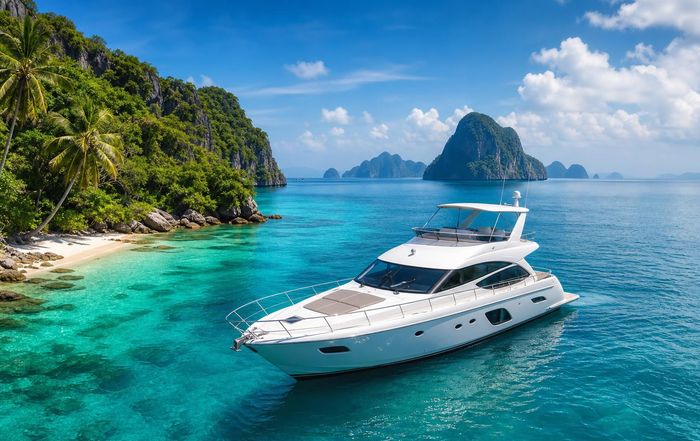
Malaysia Yacht Cruising and Island Routes: A Strategic Gateway to Tropical Cruising
Malaysia's Emerging Profile as a Cruising Powerhouse
Malaysia has moved steadily from being a convenient refuelling stop between the Indian Ocean and the Pacific to becoming a destination in its own right for discerning yacht owners, charterers and professional crews. With sheltered waters, a year-round tropical climate moderated by the monsoon seasons, competitive marina pricing, and an increasingly sophisticated marine services sector, the country now occupies a strategic position on the global cruising map that is difficult for serious yacht travellers to ignore.
For the international audience of yacht-review.com, Malaysia offers a compelling blend of accessible island cruising, modern infrastructure and cultural depth. It also provides a natural extension to established cruising circuits in Thailand, Singapore and Indonesia, which means owners planning longer passages can integrate Malaysian waters into wider regional itineraries without logistical complexity. As more yachts transit between the Mediterranean and Asia or undertake world voyages, Malaysia's role as a safe, service-oriented and welcoming hub is becoming more prominent in industry analysis by organisations such as Superyacht Australia and The Superyacht Group, which track Asia-Pacific movements.
While the country's cruising landscape has evolved over several decades, recent developments in marina capacity, regulatory clarity and tourism strategy have accelerated its rise. Malaysia's Ministry of Tourism, Arts and Culture has repeatedly identified nautical tourism as a growth segment, and regional authorities in Langkawi, Johor and Sabah have aligned their own policies to attract higher-value visitors arriving by sea. For yacht owners and captains planning new routes, this policy focus translates into increasingly predictable procedures and a wider network of facilities.
Key Cruising Regions: The Dual Identity of Peninsular and Borneo Waters
Malaysia's geography effectively divides its cruising grounds into two distinct but complementary theatres: Peninsular Malaysia on the long spine of the Malay Peninsula, and East Malaysia on the northern coast of Borneo. Each offers a different character of cruising, and together they provide an unusually diverse portfolio of itineraries for yachts in the 40-60 foot range through to large superyachts.
On the peninsula, the west coast facing the Andaman Sea and the Straits of Malacca is dominated by the Langkawi archipelago and a chain of mainland marinas stretching south towards Johor and Singapore. This side is favoured for its relative shelter during the northeast monsoon, easier access to international air links and established repair facilities. The east coast, facing the South China Sea, is more seasonal yet richly rewarding, with the Perhentian and Redang islands offering some of the clearest waters in the region and a quieter, more nature-focused cruising experience.
Across the South China Sea, East Malaysia's Sabah and Sarawak states open up a very different world of cruising, with longer distances, more remote anchorages and a stronger sense of expeditionary travel. The protected waters around Kota Kinabalu, the islands of Tunku Abdul Rahman Marine Park and the routes towards Brunei and the southern Philippines have gradually drawn more yachts as marinas and support services have matured. Regional overviews by Tourism Malaysia and independent cruising guides such as Noonsite consistently highlight this dual identity as one of Malaysia's strongest assets.
For readers exploring route planning in more detail, the regional breakdown aligns naturally with the destination-focused coverage already available at yacht-review.com, particularly within its sections on cruising, travel and global perspectives.
Langkawi: Flagship Archipelago and Nautical Hub
Langkawi, an archipelago of 99 islands in the Andaman Sea near the Thai border, stands at the centre of Malaysia's yachting narrative. Designated a duty-free island in 1987 and recognised as a UNESCO Global Geopark in 2007, Langkawi combines a favourable tax regime, scenic cruising and developing marine infrastructure, making it the natural starting point for many itineraries.
The island's main marinas, including Royal Langkawi Yacht Club and Telaga Harbour Marina, have become familiar names to international skippers. Both offer modern berthing, customs and immigration clearance, and proximity to hotels and provisioning. Industry reports from sources such as Asia Pacific Superyachts and Marine Industry News have noted the steady increase in superyacht visits to Langkawi, especially during the northern winter when yachts reposition from the Mediterranean to Southeast Asia.
From a cruising perspective, Langkawi's sheltered bays and short distances between islands are particularly attractive to owners seeking relaxed day passages rather than long offshore legs. Anchorages such as Teluk Datai, the waters around Pulau Dayang Bunting and the southern islands provide a mix of quiet coves, mangrove-fringed inlets and open anchorages with views of sheer limestone formations. This geography, combined with the region's relatively benign conditions outside of monsoon peaks, has made Langkawi a favourite for families and less experienced crews who still want a sense of exploration without the stress of open-ocean sailing.
The island also functions as a launchpad for cross-border cruising. Many yachts pair Langkawi with nearby Thai destinations such as Phuket and the Similan Islands, creating a combined itinerary that can be tailored to seasonal wind patterns. As described in regional cruising resources at Royal Cruising Club Pilotage Foundation and Sail World, this flexibility is one of the reasons Langkawi continues to attract repeat visitors and long-stay cruisers who use its marinas as semi-permanent bases.
For readers of yacht-review.com, Langkawi's role as a bridge between lifestyle cruising and serious passage-making sits comfortably alongside our broader coverage of boats and yacht reviews and lifestyle content, where the island's resort infrastructure and shore-based experiences add significant value to time spent afloat.
West Coast Peninsula Routes: From Penang to Johor
South of Langkawi, the west coast of Peninsular Malaysia offers a logical progression of stops that combine urban culture with quieter anchorages. Many itineraries include Penang, an island state renowned for its heritage architecture, street food and vibrant arts scene. While Penang's marina facilities are more limited than Langkawi's, the Straits Quay Marina and nearby anchorages provide workable options for visiting yachts, and the island's international airport makes it a convenient embarkation or disembarkation point for guests.
Further south, marinas at Lumut, Port Dickson and Melaka provide staging posts along the Straits of Malacca. These locations are often used by yachts transiting between Langkawi and Singapore, but they are increasingly recognised for their own attractions, including historical sites in Melaka and the quieter coastal scenery near Lumut. Reports from regional boating publications such as Asia Yacht Press and Boat International suggest that while these marinas may not yet match the scale of some Mediterranean or Caribbean hubs, they are valued for their practicality, service culture and relatively uncrowded berths.
At the southern tip of the peninsula, Johor has emerged as a significant player in the regional marina market. Developments such as Puteri Harbour and Senibong Cove have benefited from proximity to Singapore, offering more competitive berthing rates and easier availability than some of the city-state's marinas. For yacht owners and captains, this creates a flexible ecosystem in which Singapore can serve as a logistics and aviation hub, while Johor provides relaxed, resort-style bases within a short cruise across the Johor Strait.
These west coast routes often feature in longer passage plans that link Malaysia to Indonesia's Riau Islands or to the Indian Ocean via the Malacca Strait. The relative predictability of currents and the density of ports along this corridor make it a pragmatic choice for yachts undertaking significant repositioning voyages, and these operational advantages are frequently referenced in route planning tools such as Navionics and C-MAP charting platforms.
East Coast Peninsula: Seasonal Gems in the South China Sea
In contrast to the more urbanised west coast, the east coast of Peninsular Malaysia offers a more nature-driven cruising experience. The Perhentian Islands, Redang, Tioman and the islands of the Terengganu and Pahang coasts are known primarily for clear waters, coral reefs and a slower pace of life, making them ideal for owners and guests prioritising diving, snorkelling and quiet anchorages over nightlife and shopping.
The Perhentian Islands and Redang, located off Terengganu, are widely cited by travel sources such as Lonely Planet and National Geographic for their beaches and marine life. While marina infrastructure here is relatively limited, yachts can anchor in designated bays and use resort jetties or tenders for shore access. Tioman, further south, offers a small marina at Tekek and several sheltered anchorages, and has long been a favourite among regional sailors based in Singapore and Johor.
Seasonality is a critical factor on this coast. The northeast monsoon, typically spanning November to March, brings heavier seas and reduced accessibility, leading many resorts and some ferry services to scale back operations. As a result, most yacht cruising activity is concentrated between April and October, when conditions are more predictable. Guides published by Malaysian Meteorological Department and independent sailing resources consistently advise careful planning around these seasonal patterns, and professional captains incorporate this into broader regional routing, often pairing east coast Malaysia with Borneo or southern Thailand depending on the time of year.
For the yacht-review.com audience, this seasonality reinforces the importance of integrating meteorological awareness into route design, and complements our editorial focus on cruising strategy and design, where vessel capability and comfort in varying sea states are central considerations.
East Malaysia and Borneo: Expedition-Style Cruising
Moving across to East Malaysia, the cruising environment shifts from relatively compact island groups to larger-scale, expedition-style routes. Sabah, with its capital Kota Kinabalu, has become the focal point of yachting activity in this region. The Kota Kinabalu area hosts modern marina facilities, notably at Sutera Harbour, and provides access to the nearby Tunku Abdul Rahman Marine Park, where several islands offer sheltered anchorages and established dive sites.
Beyond Kota Kinabalu, more ambitious itineraries extend along the coast towards Kudat in the north or Sandakan in the east, and in some cases further towards the Sulu and Celebes Seas. While security conditions in certain parts of this wider region have historically required careful assessment, particularly near maritime borders, Malaysian authorities and international maritime security advisories provide updated guidance, and many yachts choose to remain within well-monitored zones. Organisations such as the International Maritime Bureau and regional coast guards maintain incident reporting systems that captains consult when planning passages.
Sarawak, to the southwest, is less developed as a yachting destination but offers significant potential for river exploration and eco-focused cruising. The combination of rainforest, indigenous cultures and national parks appeals to owners seeking a different kind of experience from the traditional island-hopping model. However, the limited number of marinas and the need for more self-sufficiency mean that Sarawak is currently best suited to experienced crews and well-prepared vessels.
Industry observers, including analysts at SuperyachtNews and regional tourism authorities, have noted that East Malaysia's long-term potential lies in its ability to offer something distinct from the more saturated markets of Phuket or Bali. For readers of yacht-review.com, this positions Borneo as a frontier for those who value authenticity and adventure, and aligns with our coverage of global cruising trends and history, where evolving routes often mirror broader shifts in traveller expectations.
Infrastructure, Services and Regulatory Environment
Malaysia's attractiveness as a cruising destination rests not only on its geography but also on the quality of its supporting infrastructure and the clarity of its regulations. Over the past two decades, the country has invested in marinas along both coasts of the peninsula and in Sabah, with facilities that range from boutique yacht clubs to integrated resort marinas. While capacity is still modest compared with major Mediterranean hubs, the mix of options is steadily improving, and occupancy levels suggest room for further growth.
From a regulatory standpoint, Malaysia has worked to streamline entry procedures for foreign-flagged yachts. Clearance is generally handled at designated ports where customs, immigration and port authorities are co-located or accessible within a short distance. Official information from Jabatan Laut Malaysia (Marine Department Malaysia) outlines the requirements for cruising permits, reporting and safety compliance, and anecdotal feedback from cruising communities documented on platforms such as Cruisers Forum and Noonsite suggests that, while procedures can vary slightly between ports, the overall framework is navigable for well-prepared captains.
The service ecosystem is another critical factor. Langkawi, Johor and Kota Kinabalu in particular have attracted marine engineers, chandlers, surveyors and yacht management firms, some of which operate as regional bases for international companies. This concentration of expertise allows for routine maintenance, refits and even more complex engineering work to be carried out without requiring a detour to traditional hubs such as Singapore or Hong Kong, although those cities remain important reference points for specialised services. Owners and captains evaluating long-term basing options increasingly factor in these capabilities alongside cost and lifestyle considerations.
For the business-focused readership of yacht-review.com, the growth of this ecosystem is significant and is reflected in our dedicated business and technology coverage. The emergence of Malaysia as a viable maintenance and refit location has implications not only for operational budgets but also for the long-term development of a skilled marine workforce in the region.
Lifestyle, Culture and Onshore Experiences
One of Malaysia's strongest differentiators as a cruising destination lies in the depth and diversity of its onshore experiences. The country's multicultural fabric, shaped by Malay, Chinese, Indian and indigenous communities, offers a rich array of food, festivals, architecture and arts within relatively compact geographic areas. For yacht owners and guests, this means that a week-long itinerary can encompass everything from UNESCO-listed heritage streets in George Town, Penang, to quiet fishing villages on the east coast and high-end resorts in Langkawi.
Gastronomy is often highlighted by travel authorities such as Condé Nast Traveler and CNN Travel as a major draw, and for good reason. Cruising itineraries that include Penang, Melaka or Kuala Lumpur (accessible via nearby ports) allow guests to experience street food and fine dining that rival major global capitals. This culinary dimension adds considerable value to charter experiences and private cruises alike, and is frequently cited by brokers and charter managers as a selling point when positioning Southeast Asia against more established yachting regions.
Cultural and eco-tourism also play an important role. Island-hopping in Langkawi can be combined with visits to mangrove forests and geopark sites, while east coast routes often include turtle conservation centres and marine parks. In Borneo, opportunities to visit orangutan rehabilitation centres, climb Mount Kinabalu or explore national parks provide a strong counterpoint to days spent on board. These layered experiences align closely with the lifestyle-oriented editorial direction of yacht-review.com, particularly within our lifestyle and travel sections, where the interplay between life afloat and life ashore is a recurring theme.
Sustainability and Marine Conservation
As global yachting becomes more attuned to environmental responsibility, Malaysia's approach to marine conservation and sustainable tourism has gained relevance for owners and operators. Several of the country's prime cruising areas, including Tunku Abdul Rahman Marine Park, Pulau Redang Marine Park and parts of Langkawi, are protected zones with regulations on anchoring, fishing and waste disposal. These frameworks are intended to preserve coral reefs, seagrass beds and coastal ecosystems that are under pressure from tourism and climate change.
Organisations such as WWF-Malaysia and local NGOs work alongside government agencies to promote sustainable practices, from reef-safe diving guidelines to community-based conservation projects. Yachts visiting these areas are expected to comply with local regulations, and many captains actively seek out mooring buoys instead of anchoring to minimise seabed impact. International sustainability standards promoted by bodies such as the Water Revolution Foundation and Blue Flag also influence best practices adopted by marinas and yacht operators in Malaysia.
For the yacht-review.com community, which increasingly values responsible cruising, these developments underscore the importance of integrating environmental considerations into route planning and onboard operations. Our dedicated focus on sustainability provides additional context on how owners, designers and builders are responding to these imperatives through technology, design and operational choices.
Events, Regattas and the Yachting Community
While Malaysia's yachting scene is still smaller than that of some neighbouring countries, it hosts a number of established events that contribute to a sense of community and showcase the country's cruising grounds. Regattas such as the Royal Langkawi International Regatta and the Raja Muda Selangor International Regatta have attracted regional and international entries over the years, combining competitive racing with social programmes that highlight local hospitality and culture.
These events, often supported by tourism authorities and yacht clubs, play a dual role in promoting Malaysia as a destination and in building local sailing culture. Coverage in regional sailing media and on platforms such as World Sailing helps to raise the profile of these regattas, while participation by international crews introduces new visitors to the country's marinas and cruising routes. Charter operators and brokers also use such events as anchors for themed itineraries and corporate hospitality programmes.
For readers of yacht-review.com, these regattas and gatherings connect naturally with our news and events coverage, reflecting how sporting calendars and cruising plans often intersect. They also illustrate how Malaysia's yachting identity is being shaped not only by infrastructure and geography but also by a growing community of sailors, owners and professionals who see the country as a meaningful part of their maritime lives.
Strategic Positioning and Future Outlook
Looking ahead, Malaysia appears well positioned to consolidate its role as a central node in the wider Southeast Asian cruising network. Its location between the Indian Ocean and the Pacific, combined with political stability, relatively low operating costs and an expanding service sector, makes it an attractive proposition for yachts seeking alternatives or complements to established hubs in Thailand, Singapore and Indonesia.
Policy directions from Malaysian authorities suggest continued interest in developing nautical tourism, with discussions about marina expansion, streamlined regulations and targeted marketing to higher-spend visitors. At the same time, regional collaboration through ASEAN tourism initiatives and industry forums offers opportunities to integrate Malaysia more deeply into multi-country cruising circuits, which are increasingly popular among long-range cruisers and charter clients looking for varied experiences within a single voyage.
For the international audience of yacht-review.com, the key takeaway is that Malaysia offers both immediate, tangible value as a cruising destination and significant long-term potential as part of a broader Asia-Pacific strategy. Whether the priority is relaxed island-hopping in Langkawi, seasonal exploration of the east coast, or more ambitious expeditions along the coasts of Borneo, Malaysia provides a spectrum of options that can be tailored to different vessel types, experience levels and lifestyle preferences.
As our editorial team continues to expand coverage of Asian cruising grounds, readers can expect more detailed reviews of marinas and anchorages, in-depth features on regional boats and builders, and ongoing analysis of how sustainability, technology and business trends are shaping the future of yachting in this part of the world. In that evolving narrative, Malaysia is set to remain a key chapter: a gateway, a base and, increasingly, a destination that stands confidently on its own merits.