

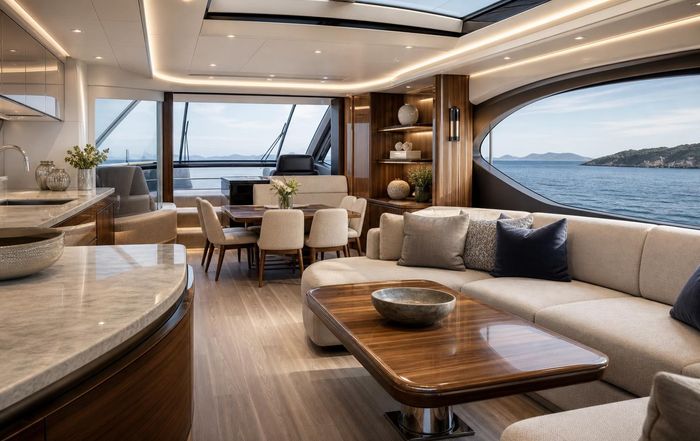
Best Materials for Durable Yacht Interiors
Designing a yacht interior that remains elegant and resilient over years of use requires a precise balance of aesthetic ambition and material pragmatism. For owners, captains, and designers who follow Yacht-Review.com, the question is no longer simply what looks most luxurious at launch, but which materials can endure the mechanical stresses, humidity, UV exposure, and intensive use that define real-world cruising.
This article examines the best materials for durable yacht interiors as understood by leading shipyards, naval architects, and specialist suppliers, drawing on recent developments in marine design and technology. It focuses on long-term performance, lifecycle value, and the increasingly important role of sustainability, while maintaining the lens of experience and trust that is central to the yachting community.
The Design Challenge: Beauty, Weight, and Longevity
Yacht interiors must simultaneously satisfy three often competing demands: visual refinement, weight efficiency, and durability. Unlike residential interiors, everything on board must withstand movement, vibration, salt-laden air, and wide swings in temperature and humidity. Materials that perform well in a waterfront villa can fail quickly when exposed to constant micro-movements of a planing hull or the torsion of an ocean crossing.
Naval architects and interior designers frequently highlight that every additional kilogram above the waterline has implications for performance, fuel consumption, and stability. As a result, many of the most durable interior materials in contemporary yacht building are engineered to be both lightweight and strong, often combining traditional craftsmanship with advanced composites and coatings. Followers here interested in how these choices influence the overall vessel concept will find further context in the design-focused articles on yacht interior and exterior design.
Engineered Woods and Veneers: Tradition Reinforced by Technology
High-quality woodwork remains a hallmark of luxury yachting, yet the way leading shipyards use timber has evolved significantly. Instead of relying on solid hardwood for large panels, many interiors now employ marine-grade plywood or lightweight sandwich panels faced with fine veneers of walnut, oak, teak, or more exotic species. This approach reduces weight and movement while preserving the tactile warmth and visual depth that clients expect.
Top yards and interior outfitters typically specify veneers that have been carefully kiln-dried and matched, then bonded to stable substrates using marine-approved adhesives. Protective finishes, including multi-layer polyurethane or polyester varnishes, are formulated to resist UV exposure and abrasion. Industry bodies such as Icomia and classification societies like Lloyd's Register and DNV have documented how controlled moisture content and correct bonding systems can dramatically extend the life of wooden interiors in marine environments, and designers increasingly treat these standards as a baseline rather than an aspiration.
There has also been growing interest in engineered or reconstituted veneers, which use fast-growing or sustainably sourced wood that is dyed and laminated to mimic more scarce species. These alternatives can offer greater consistency, reduced waste, and improved environmental profiles when compared with traditional exotics. Those exploring the broader historical evolution of yacht joinery can find additional background in the heritage pieces on yachting history and craftsmanship.
High-Pressure Laminates and Compact Surfaces: The Workhorses of High-Traffic Areas
While natural wood remains dominant for visual focal points, high-pressure laminates (HPL) and compact laminates have become the quiet workhorses of many durable yacht interiors, particularly in galleys, crew areas, and high-traffic circulation zones. Leading manufacturers have developed marine-certified ranges that resist scratching, heat, and moisture while offering extensive design versatility, from stone and metal effects to subtle textiles and solid colours.
Marine designers often specify HPL for vertical surfaces and furniture carcasses, with compact laminates or solid-surface composites reserved for worktops and wet areas. According to technical literature from specialist suppliers and verification by multiple marine outfitters, these materials provide an excellent balance of weight, durability, and cost control, making them especially attractive for semi-custom and production yachts.
The latest generations of laminates increasingly incorporate anti-fingerprint, antimicrobial, or soft-touch finishes, which are particularly valued on charter yachts where intensive use can otherwise accelerate visible wear. Those interested in how such practical choices translate into real-world cruising comfort can explore the practical perspectives in our cruising-focused coverage.
Advanced Composites and Lightweight Panels: Structural Efficiency Inside the Hull
Behind the visible finishes, advanced composites and lightweight panels are central to the durability and performance of many modern yachts. Honeycomb panels with aluminium or composite cores, as well as foam-cored structures, are widely used for bulkheads, cabin soles, and furniture elements. When properly engineered, these panels provide excellent stiffness-to-weight ratios and help minimize creaking, deflection, and long-term fatigue.
Research shared by organizations such as RINA and technical papers from leading composite suppliers indicate that, provided correct bonding and edge-protection techniques are used, honeycomb and foam-cored structures can maintain structural integrity for decades under typical yachting loads. Their adoption has been particularly strong in performance sailing yachts and fast motor yachts, where weight reduction is a priority.
Interior designers have responded by developing sophisticated mounting systems and decorative treatments that conceal the technical nature of these panels while allowing for easy access and maintenance. For readers interested in how these materials intersect with hull construction and propulsion innovations, our coverage of marine technology trends provides additional insight.
Stone, Ceramics, and Sintered Surfaces: The New Standard for Hard-Wearing Luxury
Natural stone has long been associated with luxury, but its density, brittleness, and susceptibility to staining have historically limited its use at sea. In recent years, however, engineered stone, porcelain, and sintered stone surfaces have transformed the possibilities for durable yacht interiors, particularly in galleys, bathrooms, and bar areas.
Sintered stone and high-performance porcelain slabs are manufactured under extreme heat and pressure to create dense, non-porous surfaces that are highly resistant to scratching, heat, and chemical agents. Technical data from leading producers and independent testing laboratories confirm that many of these products offer superior impact and stain resistance compared with traditional marble or granite, while also being significantly lighter when used in thin formats bonded to lightweight cores.
Shipyards increasingly combine ultra-thin stone or engineered stone veneers with composite substrates to achieve the visual effect of solid stone without the weight penalty. This approach also allows for controlled flex and vibration absorption, which is critical on planing yachts and performance sailboats. Those seeking to understand how these hard surfaces integrate into overall interior concepts can refer to reviews of recent models in our yacht reviews section.
Metals and Hardware: Corrosion-Resistant Details that Define Longevity
The durability of a yacht interior is defined not only by large surfaces but also by the quality of its metals and hardware. Handrails, door handles, hinges, locks, and decorative trims are exposed to constant touch, cleaning agents, and varying humidity, which can quickly degrade inferior materials.
Marine-grade stainless steels, particularly 316 and its higher-alloy derivatives, are widely regarded as the minimum standard for exposed interior hardware in areas subject to moisture or salt-laden air. Reputable marine hardware manufacturers and classification society guidelines emphasize that, even inside the yacht, corrosion can occur if unsuitable alloys are used or if dissimilar metals come into contact without proper isolation.
In the luxury segment, designers often specify brass or bronze with high-quality protective lacquers, or aluminium alloys with advanced anodizing or powder-coating systems. PVD (physical vapour deposition) finishes have gained traction for taps, handles, and decorative fittings, providing a hard, wear-resistant layer with a variety of colours and metallic effects. For a broader view of how such details influence the onboard lifestyle experience, readers can explore the lifestyle-oriented content on yachting life and onboard living.
Marine Fabrics and Upholstery: Performance Textiles for Real Cruising
Soft furnishings are among the most visible and frequently used elements of any yacht interior, and they face particular challenges: UV exposure through large windows, potential dampness from wet clothing, and the wear associated with charter or family use. In response, the market for performance textiles specifically engineered for marine or contract environments has expanded significantly, with many fabrics now combining residential-level softness with commercial-grade resilience.
Technical information from leading textile manufacturers and independent testing institutes indicates that solution-dyed acrylics, high-performance polyester blends, and treated natural fibres can offer strong resistance to fading, staining, and mildew, provided that correct care instructions are followed. Many of these fabrics are rated to high rub counts, indicating suitability for heavy-use seating.
In parallel, there has been a discernible shift towards more sustainable textile choices, including recycled polyester yarns and fabrics certified under recognized environmental standards. Designers working on eco-conscious yacht projects increasingly reference guidelines and research from organisations such as the Sustainable Apparel Coalition and marine-focused environmental groups when selecting textiles and finishes. Those interested in the intersection of durability and responsibility can explore more on sustainable yachting practices.
Flooring Solutions: Balancing Grip, Comfort, and Acoustic Performance
Flooring plays a central role in both the durability and comfort of yacht interiors. It must resist wear from foot traffic, provide adequate grip under way, contribute to acoustic insulation, and complement the overall design scheme. Traditional teak remains popular on exterior decks, but inside the yacht, a wider palette of solutions has emerged.
Engineered wood flooring is now more common than solid planks, as its multi-layer construction offers greater dimensional stability under fluctuating humidity. Luxury vinyl tiles (LVT) and high-end resilient flooring products have also gained ground due to their resistance to scratching, ease of cleaning, and ability to mimic wood, stone, or textile surfaces. Independent lab testing and feedback from refit yards confirm that quality LVT products can deliver impressive durability in crew and guest areas, particularly when paired with appropriate underlay for acoustic and vibration damping.
In galleys, crew messes, and technical spaces, rubber and specialized non-slip vinyl are frequently specified for their safety and resilience. Carpet remains a preferred choice in many guest cabins and lounges, but designers now tend to select marine-grade or contract-level carpets with integrated stain protection and backing systems designed to minimize moisture retention. Readers seeking practical insights into how these choices affect life on board during extended voyages can refer to our coverage of long-range cruising experiences.
Glass, Acrylics, and Composites: Transparent Materials Under Stress
The increasing use of large windows, skylights, and glazed elements has transformed modern yacht interiors, flooding them with natural light and connecting guests more closely with the sea. Yet transparent materials in a marine environment must withstand significant mechanical and thermal stresses, as well as UV exposure.
For structural windows and large glazed surfaces, tempered and laminated marine glass remains the standard, often with specialist interlayers for sound reduction, UV filtering, and safety. Technical guidelines from classification societies and glass manufacturers detail the complex requirements for thickness, lamination schemes, and fixing systems, all of which must be carefully engineered to prevent cracking or delamination over time.
Inside the yacht, designers frequently use acrylics and polycarbonates for decorative panels, lighting features, and shower enclosures, taking advantage of their lighter weight and formability. High-quality coatings and careful detailing are essential to minimize scratching and yellowing. The integration of smart glass technologies, including switchable privacy glass and advanced coatings, is becoming more common on larger custom projects, reflecting broader trends in architectural glass reported by organizations such as Glass for Europe and leading façade engineering firms.
Coatings, Sealants, and Adhesives: The Invisible Guardians of Durability
Behind every successful durable interior lies a carefully selected combination of coatings, sealants, and adhesives. These products play a crucial role in managing moisture ingress, preventing delamination, and maintaining the integrity of assemblies under constant vibration and movement.
Marine-specific adhesives and sealants, including polyurethane, MS polymer, and epoxy-based systems, are engineered to provide strong, flexible bonds that can accommodate differential expansion between dissimilar materials. Technical data sheets and long-term field experience from professional shipyards underline the importance of correct surface preparation, application conditions, and curing times in achieving reliable performance.
Interior coatings, from primers to topcoats, are increasingly formulated with low-VOC or water-based chemistries, aligning with stricter environmental regulations and the health considerations of yard workers and crew. Industry initiatives documented by organizations such as the European Chemicals Agency and marine trade associations have helped accelerate the adoption of safer, more sustainable chemistries without sacrificing durability.
Sustainability and Lifecycle Thinking in Material Selection
Sustainability has moved from a niche concern to a central design criterion for many yacht owners and builders, especially in Europe and North America. This shift has direct implications for materials chosen for interior fit-out, where lifecycle impacts can be significant. Certification schemes such as FSC and PEFC for timber, as well as environmental product declarations and third-party eco-labels for textiles, flooring, and composites, are increasingly referenced in specification documents.
Leading shipyards and design studios now evaluate not only the immediate performance of materials but also their embodied energy, recyclability, and potential for circular use. Independent research from maritime environmental organizations and academic institutions supports the view that careful material selection, combined with improved energy efficiency and responsible operational practices, can materially reduce the environmental footprint of yachting.
For followers interested in the broader business case and regulatory context for such choices, the business-oriented analysis on yachting markets and strategy provides a useful complement, while global perspectives on environmental regulation and innovation are regularly covered in our international yachting insights.
Regional and Market Differences in Material Priorities
While the core technical challenges of durability are universal, regional preferences and regulatory frameworks influence material choices in distinct ways. In the United States and Canada, for example, there is strong demand for interiors that combine robust, family-friendly finishes with a residential feel, leading to widespread use of performance fabrics, engineered woods, and composite stone surfaces. In Northern Europe, where long-range cruising and expedition-style yachts are particularly popular, emphasis often falls on rugged, low-maintenance materials that can endure extended periods away from service hubs.
In the Mediterranean and other warm-climate markets, UV resistance and thermal comfort take on added importance, prompting designers to favour light-toned finishes, solar-control glazing, and fabrics engineered for high lightfastness. Asian markets, including Singapore and Japan, often blend international luxury standards with regional aesthetic sensibilities, leading to innovative combinations of traditional materials and advanced composites.
Shipyards and design houses operating globally must therefore maintain an extensive material library and stay abreast of evolving standards, supplier innovations, and owner expectations. Regular coverage of regional trends, new launches, and trade shows in the yachting news section helps industry professionals and enthusiasts track how these factors shape real-world projects.
Durability as a Core Component of Long-Term Value
For owners and operators, the durability of a yacht interior is not merely a technical concern; it is a central driver of long-term value, operational cost, and guest satisfaction. Interiors that maintain their appearance and function over years of use reduce refit frequency, minimize downtime, and support higher charter rates and resale values. Conversely, materials that fail prematurely can lead to costly repairs, reputational damage, and lower market appeal.
Surveyors and refit specialists frequently note that the most successful interiors are those where material choices were guided by realistic expectations of use, honest assessment of environmental exposure, and close collaboration between designers, shipyards, and specialist suppliers. This integrated approach, which aligns with best practices promoted by professional associations such as SYBAss and Icomia, is increasingly seen as essential to delivering yachts that remain competitive and enjoyable throughout their lifecycle.
For those planning a new build or major refit, the detailed boat and model coverage on our boats and models hub offers useful reference points on how different yards and designers translate these principles into practice across various size segments and market positions.
Floating Along - Innovation and Continuous Improvement
Material science and manufacturing technologies continue to evolve rapidly, and the yacht industry is an active participant in this innovation landscape. Developments in bio-based composites, recycled content materials, smart coatings, and digital fabrication methods are beginning to influence interior design and construction, with early adopters testing new products under real-world conditions.
Collaborations between shipyards, universities, and specialist suppliers, documented in industry conferences and technical publications, suggest that the next generation of durable yacht interiors will combine even greater resilience with improved environmental performance and design flexibility. As these innovations mature, Yacht Review will continue to track and evaluate them through our events and industry gatherings coverage and in-depth feature articles.
In the end, the best materials for durable yacht interiors are those that harmonize technical performance, aesthetic ambition, and responsible sourcing, while aligning with the specific cruising profile and expectations of each owner. By understanding the strengths and limitations of each material category, and by working with experienced professionals who prioritize long-term reliability, the yachting community can create interiors that are not only beautiful at delivery, but remain so across oceans, seasons, and generations.