

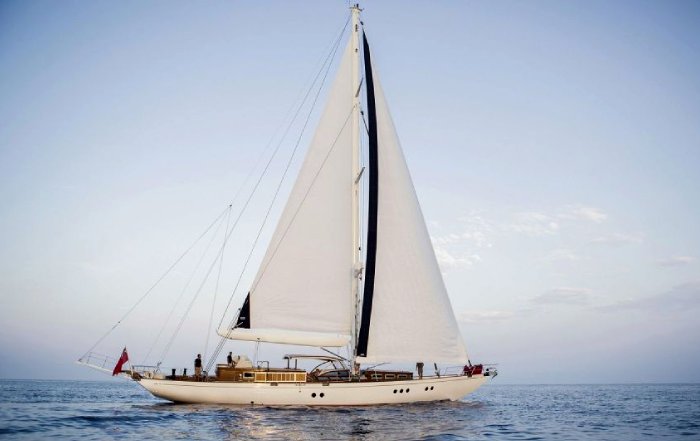
The Resurgence of Classic Sloop Designs
A New Chapter for a Timeless Rig
The dazzling yachting community has entered a period of reflection and recalibration, and nowhere is this more visible than in the renewed fascination with classic sloop designs. Across the major yachting markets of North America, Europe, and the Asia-Pacific region, owners, designers, and shipyards are rediscovering the appeal of the single-masted, fore-and-aft rig that defined much of twentieth-century sailing. For Yacht-Review.com editorial team which has followed the history and evolution of sailing yachts for decades, this resurgence is not a nostalgic detour but a strategic, technology-enabled return to fundamentals that aligns with contemporary expectations of performance, sustainability, and experiential luxury.
The classic sloop, with its single mast, mainsail, and headsail, has again become a reference point for new builds, refits, and high-end charter programs. From New England and the Pacific Northwest in the United States to the Solent in the United Kingdom, the Baltic coasts of Germany and Sweden, the Mediterranean hubs of France, Italy, and Spain, and the expanding yachting centers of Singapore, Australia, and South Korea, yards and owners are commissioning yachts that deliberately echo the lines, proportions, and sailing behavior of mid-century icons, while quietly integrating twenty-first-century materials, electronics, and systems. In this environment, the role of an independent, specialist platform such as Yacht-Review.com has become central in helping decision-makers distinguish between superficial retro styling and truly seaworthy, investment-grade classic sloops.
Why Classic Sloops Are Back in Demand
The renewed interest in classic sloop designs is driven by a confluence of market, cultural, and technological factors that resonate particularly strongly with experienced owners and family offices in the United States, United Kingdom, Germany, Switzerland, and increasingly in Asia and the Middle East. After a decade in which many yards prioritized ever-larger superyachts and complex multi-rig configurations, a growing segment of the market is seeking yachts that are easier to sail, more efficient to operate, and more emotionally engaging on the water.
From a market perspective, the post-pandemic years saw a surge in first-time yacht buyers and charter clients, many of whom initially gravitated toward motor yachts. However, as data from organizations such as Boat International Media and the Superyacht Times have shown, a significant share of these clients now express interest in sailing yachts that offer a more immersive, environmentally conscious experience. Classic sloops, with their straightforward sail plans and recognizable silhouettes, provide an accessible entry point into performance sailing without overwhelming new owners with complex rigging or large crews.
Culturally, the resurgence is underpinned by a broader shift toward authenticity and heritage in luxury markets. In the same way that classic automotive marques have experienced renewed demand, sailing enthusiasts are seeking yachts that tell a story and connect them to a lineage of seamanship. The influence of prestigious regattas such as the classic divisions of Les Voiles de Saint-Tropez and the Rolex Fastnet Race, documented extensively by bodies like World Sailing and the Royal Ocean Racing Club, has reinforced the idea that classic forms can remain competitive, relevant, and aspirational. Readers of Yacht-Review.com/history recognize that the sloop rig has been at the center of many of the sport's defining moments, and this historical continuity is increasingly valued by sophisticated buyers.
Technologically, advances in composite materials, sail design, and onboard systems have removed many of the compromises once associated with traditional rigs. Modern classic sloops can offer higher performance, greater safety, and more comfort than their predecessors, while preserving the visual and tactile cues that make them instantly recognizable. Owners in markets as diverse as Canada, Australia, Japan, and Brazil are discovering that they can enjoy the aesthetics of a 1960s racer-cruiser or a 1930s gentleman's yacht without accepting outdated systems or maintenance burdens.
Design Language: Heritage Lines, Modern Underbodies
The defining feature of the current classic sloop renaissance is the interplay between heritage design language above the waterline and sophisticated naval architecture below it. Leading design studios in Europe and North America, including figures such as Germán Frers, André Hoek, and Bill Tripp, have become adept at creating hulls that evoke the overhangs, sheerlines, and coachroof proportions of mid-century designs while incorporating modern keels, rudders, and underwater appendages that deliver contemporary performance and handling.
On deck, many new classic sloops feature varnished teak, low coachroofs, and traditional coamings, often complemented by bronze or brass detailing that recalls the golden age of yachting. Yet beneath this surface, the structures are typically built in advanced composites, with carbon spars, efficient bulb keels, and optimized sail plans. Visitors to Yacht-Review.com/design will recognize that this duality is not cosmetic; it reflects a deliberate design philosophy that prioritizes both emotional resonance and functional excellence.
The rig geometry of these yachts often remains close to traditional proportions, with a powerful mainsail and a moderately overlapping headsail, but the sail handling systems are transformed by modern hardware. Self-tacking jibs, in-boom furling, and under-deck furlers allow for shorthanded sailing, which is particularly important for family-oriented owners in the United States, United Kingdom, and Scandinavia who wish to sail without a large professional crew. At the same time, integrated load-sensing rigging and advanced sail materials, developed by companies such as North Sails and Quantum Sails, allow designers to fine-tune performance while maintaining the visual character of woven cloth and classic cut profiles.
Below decks, interior designers have embraced a similar blend of tradition and innovation. Many classic sloops launched since 2020 feature paneled joinery, warm timbers, and traditional layouts, but they also incorporate hidden climate control, advanced insulation, and discreetly integrated entertainment and connectivity systems. This approach aligns with the expectations of high-net-worth clients in Germany, Switzerland, Singapore, and the Middle East, who demand that classic aesthetics coexist with the comfort standards of a modern penthouse. For readers exploring Yacht-Review.com/lifestyle, the appeal of a classic saloon that conceals state-of-the-art systems is particularly strong.
Performance and Cruising: Classic Lines, Contemporary Capability
The performance characteristics of modern classic sloops reflect the broader evolution of performance cruising design. While many of the yachts that inspired today's designs were optimized for rating rules that encouraged long overhangs and relatively narrow beams, contemporary naval architecture, informed by tools such as computational fluid dynamics and velocity prediction programs, allows designers to reconcile classic aesthetics with more versatile performance envelopes. This has made classic sloops increasingly attractive for both coastal cruising and offshore passages.
Owners in the United States and Canada, who frequently cruise between New England, the Caribbean, and the Pacific Northwest, have discovered that modern classic sloops can offer predictable handling, good upwind capability, and comfortable motion at sea, even in demanding conditions. European owners, particularly in the United Kingdom, France, Italy, and Spain, appreciate the ability to combine regatta participation with family cruising in the Mediterranean and Atlantic, without needing to maintain separate racing and cruising yachts. The growth of performance-oriented classic regattas, documented by organizations such as Yacht Club Costa Smeralda and Royal Yacht Squadron, has further validated the dual-role potential of these designs.
The cruising experience is also enhanced by the relative simplicity of the sloop rig compared to ketches, schooners, or more exotic configurations. With fewer spars and sails to manage, crews can focus on sail trim, navigation, and the enjoyment of the voyage itself. For family-oriented readers of Yacht-Review.com/family, this simplicity translates into increased safety and confidence, particularly when sailing with children or less experienced guests. The ability to reef early, handle sails from a protected cockpit, and rely on modern autopilots and navigation systems contributes to a more relaxed onboard atmosphere without sacrificing the thrill of responsive sailing.
In regions such as Scandinavia, the Netherlands, and the Baltic, where variable weather and complex coastal geography demand versatile yachts, classic sloops with modern keels and balanced rudders have become a practical choice for owners who sail extensively. Similarly, in Asia-Pacific markets such as Australia, New Zealand, and Japan, where offshore races and bluewater cruising routes are well established, classic sloops are increasingly specified with robust structural engineering and redundant systems to support long-range passages. Readers following Yacht-Review.com/cruising will recognize that the line between a classic daysailer and a genuine bluewater yacht has become increasingly blurred as technology enables more capable, compact designs.
Business Dynamics: Investment, Value, and Brand Strategy
From a business perspective, the resurgence of classic sloop designs reflects evolving attitudes toward asset value, brand positioning, and lifecycle management within the yachting sector. For shipyards in Italy, the Netherlands, Germany, and the United Kingdom, classic sloops offer a way to differentiate themselves in a crowded superyacht market by leveraging heritage, craftsmanship, and narrative. Brands such as Nautor's Swan, Spirit Yachts, and Hoek Design have demonstrated that well-executed classic sloops can command premium pricing and attract a loyal, globally dispersed client base.
For buyers, particularly family offices and private investors in the United States, Switzerland, and Singapore, classic sloops are increasingly viewed as assets that may retain their desirability over longer periods than purely fashion-driven designs. While yachts remain depreciating assets in financial terms, classic sloops with strong provenance, high build quality, and documented maintenance histories can perform better on the secondary market than more idiosyncratic or trend-driven models. Platforms such as Fraser Yachts and Burgess have reported sustained interest in well-kept classic and neo-classic sailing yachts, suggesting that the category has a distinct and resilient buyer base.
The charter market has also embraced classic sloops as experiential assets that differentiate a fleet. In destinations such as the Caribbean, the Western Mediterranean, and increasingly in Southeast Asia and the South Pacific, charter clients are seeking more immersive and authentic sailing experiences. Classic sloops, particularly those between 60 and 120 feet, offer a blend of intimacy, performance, and aesthetic appeal that is difficult to replicate with larger, more complex yachts. For business-focused readers of Yacht-Review.com/business, this trend underscores the importance of aligning yacht design with evolving luxury consumer preferences.
Shipyards and designers have responded by developing semi-custom platforms that combine a classic exterior with customizable interiors and systems, reducing lead times and development costs while preserving individuality. This approach has proven particularly attractive in markets such as Germany, the Netherlands, and Scandinavia, where buyers often value engineering rigor and long-term serviceability. At the same time, the growth of refit and restoration activity, supported by specialist yards in the United Kingdom, Italy, and the United States, has created parallel business opportunities around the upgrading of existing classic sloops with new rigs, systems, and interiors.
Technology and Innovation Behind the Traditional Silhouette
The apparent simplicity of a classic sloop belies the sophistication of the technology now embedded in these yachts. Advances in composite engineering, sail design, propulsion systems, and onboard electronics have transformed what it means to own and operate a classic-style sailing yacht. For readers of Yacht-Review.com/technology, the classic sloop segment provides a particularly vivid illustration of how innovation can be integrated without compromising aesthetics.
Modern classic sloops increasingly rely on carbon fiber for spars, rudders, and in many cases structural elements of the hull and deck. This reduces weight aloft, improves stability, and enhances responsiveness under sail. At the same time, sophisticated resin infusion and vacuum-bagging techniques allow builders to achieve high strength-to-weight ratios while maintaining the exterior appearance of traditional plank lines or panel layouts. Research and guidance from bodies such as DNV and the American Bureau of Shipping have helped codify best practices for composite construction in high-performance sailing yachts, improving safety and reliability.
Propulsion and energy systems have also evolved rapidly. Many new classic sloops, particularly in the 40- to 80-foot range, are now offered with hybrid or fully electric auxiliary propulsion, using high-density battery banks and regenerative technologies. Companies such as Torqeedo and Oceanvolt have developed solutions that allow yachts to recover energy under sail, reducing reliance on shore power and fossil fuels. Owners interested in the technical and regulatory aspects of these systems often turn to organizations such as the International Council on Clean Transportation and Lloyd's Register for deeper insight into standards and performance benchmarks.
Navigation, safety, and communication systems have become more discreet yet more capable. Integrated displays, solid-state radar, satellite communications, and advanced autopilots can now be concealed within classic helm consoles or chart tables, preserving the visual integrity of the yacht while providing the situational awareness expected by modern crews. For long-distance cruising, particularly in the Pacific, Indian Ocean, and high-latitude regions such as Norway, Iceland, and the Southern Ocean approaches, this technology has transformed the risk profile and logistical planning of extended voyages.
Sustainability and the Ethical Dimension of Classic Sloops
Sustainability has become a central concern for the global yachting industry, and classic sloop designs occupy a distinctive position at the intersection of environmental responsibility and experiential quality. The sloop rig, by its nature, prioritizes wind power as the primary means of propulsion, aligning more closely with decarbonization objectives than most motor yachts. However, the true sustainability profile of a classic sloop depends on materials, systems, and operational practices throughout the yacht's lifecycle.
Many of the shipyards leading the classic sloop renaissance have adopted more sustainable construction methods, including responsibly sourced timber, recyclable composite materials, and low-VOC finishes. In Europe, particularly in Germany, the Netherlands, and Scandinavia, regulatory frameworks and client expectations have encouraged builders to engage with initiatives such as the Water Revolution Foundation and to learn more about sustainable business practices. Owners and project managers are increasingly aware that design decisions made at the outset of a build can have long-term implications for maintenance, refit options, and eventual recycling or disposal.
Operationally, classic sloops can achieve significant reductions in fuel consumption and emissions by optimizing sail usage, adopting hybrid propulsion, and integrating renewable energy sources such as solar and hydrogeneration. In regions such as the Mediterranean, Caribbean, and South Pacific, where wind conditions are generally favorable, owners and captains are rediscovering the satisfaction and efficiency of planning passages primarily under sail. Readers interested in the broader environmental context can consult organizations such as the International Maritime Organization and Ocean Conservancy for insight into emerging regulations and best practices.
For Yacht-Review.com, sustainability is not treated as a marketing slogan but as a practical dimension of yacht ownership that intersects with design, technology, and cruising decisions. Coverage at Yacht-Review.com/sustainability emphasizes that classic sloops, when thoughtfully specified and operated, can offer one of the most environmentally responsible pathways into luxury yachting, particularly for owners in regions such as Northern Europe, New Zealand, and Canada where environmental stewardship is a strong cultural value.
Community, Events, and the Emotional Economy of Classic Sloops
Beyond their technical and financial attributes, classic sloops are playing an increasingly important role in the social and cultural life of the yachting community. Owners and crews participate in a growing calendar of classic and neo-classic regattas, rendezvous, and cruising rallies across Europe, North America, and Asia-Pacific. Events such as Les Voiles de Saint-Tropez, the Panerai Classic Yachts Challenge, and regional gatherings in the United States, United Kingdom, and the Nordics provide focal points for a community that values craftsmanship, seamanship, and shared experience.
These events are not merely spectacles; they function as living laboratories where designers, builders, and owners can observe how classic sloops perform, age, and adapt to different conditions. The coverage at Yacht-Review.com/events often highlights how regattas and rallies influence design decisions, refit priorities, and even new-build specifications. For younger sailors and families, participation in classic sloop events offers an accessible introduction to the culture of sailing that combines competition, education, and social engagement.
The emotional economy of classic sloops extends beyond formal events into everyday cruising and family life. Many owners in the United States, Canada, the United Kingdom, and Europe report that classic sloops foster a stronger sense of connection between generations, as grandparents, parents, and children share a vessel that feels timeless rather than overtly contemporary. The tactile qualities of varnished wood, the sound of water along a narrow hull, and the sight of a balanced sailplan under way contribute to memories that are deeply personal and enduring. At Yacht-Review.com/community, stories from owners in South Africa, Brazil, Thailand, and Malaysia demonstrate that this emotional resonance transcends geography and market segment.
Charter operators and destination managers have also recognized the value of classic sloops in creating distinctive travel experiences. In regions such as Greece, Croatia, Indonesia, and French Polynesia, itineraries built around classic sloop charters attract clients who are less interested in ostentatious luxury and more focused on authenticity, local culture, and active engagement with the sea. Coverage at Yacht-Review.com/travel underscores how classic sloops can anchor curated experiences that integrate gastronomy, cultural visits, and adventure activities in a coherent, narrative-driven journey.
The Role of Independent Expertise in a Crowded Narrative
As the narrative around classic sloop designs becomes more prominent, the need for independent, technically informed guidance has grown correspondingly. Marketing materials from shipyards and brokers naturally emphasize the romance and aesthetics of these yachts, but buyers and charter clients require deeper insight into construction quality, performance characteristics, maintenance implications, and long-term value. This is where platforms such as Yacht-Review.com play a crucial role, combining on-water testing, comparative analysis, and long-form reporting.
Through in-depth features at Yacht-Review.com/reviews and Yacht-Review.com/boats, the editorial team evaluates classic sloops from both established and emerging builders, paying particular attention to structural integrity, systems integration, and real-world handling. The aim is to move beyond surface impressions and provide readers in markets as diverse as the United States, Germany, China, and South Korea with actionable insights that support informed decisions. This emphasis on Experience, Expertise, Authoritativeness, and Trustworthiness is reinforced by long-term follow-up with owners and crews, allowing the publication to report not only on launch-day impressions but on how yachts perform over multiple seasons and refits.
The news coverage at Yacht-Review.com/news and Yacht-Review.com/global tracks the broader ecosystem around classic sloops, including regulatory developments, technological breakthroughs, and shifts in market dynamics across North America, Europe, Asia, Africa, and South America. By situating individual yachts within this wider context, Yacht-Review.com helps readers understand how their choices intersect with trends in sustainability, digitalization, and global mobility.
Thinking about What's Coming Next - Classic Sloops in a Changing Seascape
As the seas unfold, the resurgence of classic sloop designs appears less like a temporary fashion and more like a structural realignment within the sailing yacht market. The combination of heritage aesthetics, modern performance, technological integration, and sustainability potential positions classic sloops as a compelling option for a wide range of owners, from first-time buyers in North America and Europe to seasoned sailors in Scandinavia, Australia, and Asia. The continued evolution of materials science, hybrid propulsion, and digital navigation will further expand what is possible within the classic sloop framework, allowing designers and builders to push boundaries while preserving the essential character of the rig.
For the seafaring audience of Yacht-Review.com, from the United States, United Kingdom, Canada, Australia, France, Italy, Spain, the Netherlands, China, Sweden, Norway, Singapore, Denmark, South Korea, Japan, Thailand, Finland, New Zealand, and beyond, the classic sloop represents a convergence of tradition and innovation that is uniquely suited to the current moment. In a world where time, authenticity, and environmental responsibility are increasingly valued, the decision to commission, purchase, or charter a classic sloop is as much a statement of personal philosophy as it is a technical or financial choice.
As the publication continues to document this evolution through its dedicated sections on design, cruising, technology, business, history, and lifestyle, Yacht Review remains committed to providing the clarity, depth, and independence that serious yacht owners and professionals require. The resurgence of classic sloop designs is not merely a trend to be observed; it is a development to be navigated with knowledge, discernment, and a clear sense of purpose. Bookmark subscribe then enjoy your onwards sailing trips and will see you back here soon.